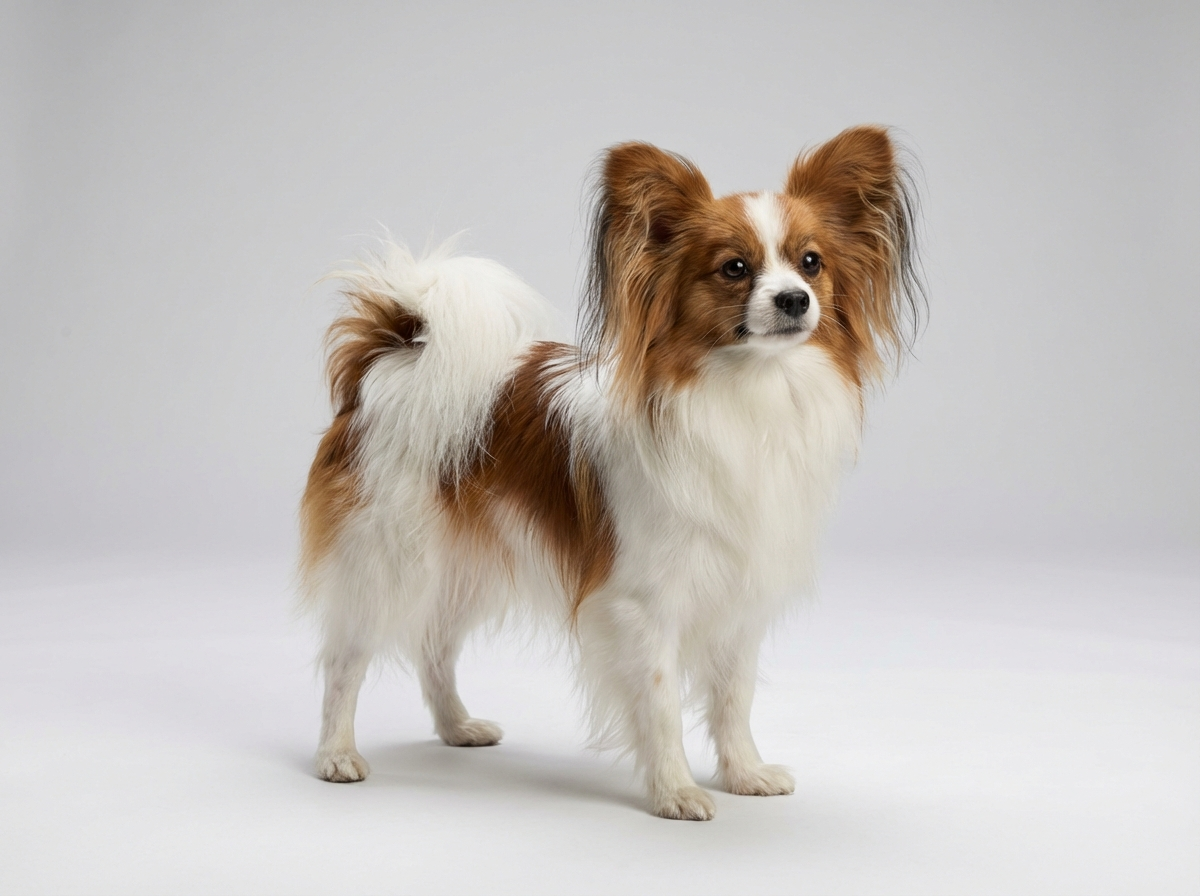
Papillon Most Common Genetic Disorders: What Owners Should Know
A breed label or family history cannot diagnose a Papillon. Changes in movement, appetite, energy, breathing, vision, or behavior deserve a veterinary assessment instead of a guess about genetics.
Papillon owners may feel uncertain when reviewing family-health information, choosing a puppy, or noticing a new physical or behavior change. It can be stressful because inherited influences are not always visible at home and many unrelated conditions can cause similar signs.
Important reminder
This guide is not medical advice. If your dog shows pain, sudden behavior change, or worsening symptoms, consult a licensed veterinarian.
Some links may be affiliate links. We may earn a commission at no extra cost to you. We only suggest products we believe are helpful for dog owners.
What this problem looks like
Papillon genetic-disorder concerns are best approached as a health-history and veterinary-care question, not a certainty about the breed. The source information for this page does not provide Papillon-specific disorder or prevalence data. An individual Papillon needs an examination and appropriate testing before conclusions are drawn about any health change.
Common triggers
Inherited traits and family health history
Developmental, age-related, or injury-related changes that can resemble inherited disease
Activity that exceeds a painful dog's current comfort or mobility
Delays in veterinary assessment after changes in movement, stamina, breathing, vision, or behavior
The page-matrix data does not provide Papillon-specific prevalence for genetic disorders. Not every Papillon will develop an inherited condition, and no dog should be diagnosed from breed background alone.
Why this happens
Breed factors
Inherited traits may contribute to some health conditions, but the source information does not establish a specific Papillon disorder or predict risk for every dog. Family history can give useful context, while veterinary examination and testing are needed to understand an individual Papillon.
Environment factors
Environment does not replace genetics, but weight, activity, injury, general health, and access to timely care can affect comfort and how quickly a problem becomes apparent. A veterinarian can help separate factors that can be changed from those that need monitoring or treatment.
What you can try
At-home strategies
Keep a short log of limping, stiffness, activity tolerance, coughing, appetite, energy, vision, and behavior changes to share with your veterinarian.
Use calm, controlled exercise and avoid jumping, rough play, or long outings if your Papillon appears painful or unusually tired until you have veterinary advice.
Keep your Papillon at a body condition your veterinarian considers healthy; excess weight can add strain to joints and mobility.
Ask the breeder or rescue for available family-health records if you are considering or have recently acquired a Papillon, then review concerns at a veterinary visit.
Use only medications, supplements, and activity plans approved by a veterinarian for your specific dog.
When to consider a trainer
A force-free trainer can help build cooperative-care skills, settle a Papillon during activity restrictions, and adjust routines around mobility limits after a medical evaluation. A trainer should not be used to explain away pain, fatigue, or new behavior changes.
When to talk to your vet
Contact your veterinarian promptly for persistent lameness, stiffness, reluctance to rise or exercise, reduced stamina, coughing, weakness, vision changes, fainting, or a notable behavior change. Seek emergency care for collapse, breathing difficulty, sudden severe weakness, inability to stand, or severe pain.
Realistic expectations
The timeline depends on the condition and the findings from veterinary assessment. A sudden or severe health change needs immediate attention, while longer-term management may involve regular monitoring and adjustments over time.
Success means your Papillon's signs have been evaluated, pain or discomfort is addressed, activity is appropriate for their condition, and you have a practical plan for follow-up with the veterinary team.
Papillon Most Common Genetic Disorders: Mistakes to Avoid
You cannot prevent every inherited influence, but observation and timely veterinary care can reduce avoidable discomfort and delays. These common mistakes can make a possible Papillon health concern harder to evaluate.
Assuming every Papillon will develop a genetic disorder: Breed background and family history can inform a conversation, but they do not predict an individual dog's future. Focus on your dog's actual health and your veterinarian's advice.
Dismissing a persistent change in movement, energy, appetite, or behavior: Pain, injury, illness, and age-related changes can overlap with inherited conditions. Arrange an examination rather than trying to identify the cause at home.
Pushing exercise through discomfort or fatigue: Keep activity calm and stop if your Papillon seems painful, weak, unusually tired, or reluctant. Ask your veterinarian what activity is appropriate after an assessment.
Using human medicines or unapproved supplements: Many products intended for people can be dangerous for dogs. Give only medication or supplements your veterinarian has prescribed or approved.
Relying on internet advice to diagnose a health problem: Coughing, weakness, limping, changes in vision, or reduced stamina can have many causes. A veterinarian can decide whether examination or further testing is appropriate.
Treating new irritability, withdrawal, or house-soiling as disobedience: Pain or feeling unwell can change behavior. Rule out a medical cause before changing training expectations.
Skipping the health-history conversation: If you are acquiring a Papillon, ask the breeder or rescue what health and family information they can share, then discuss any concerns with your veterinarian.
When Possible Genetic Health Problems Are an Emergency
Seek urgent veterinary care if your Papillon collapses, faints, has marked difficulty breathing, shows sudden severe weakness, has a painful or swollen limb, cannot stand, or develops a sudden major change in awareness or behavior. These signs can reflect a serious medical problem and should not be monitored at home.
For changes that are milder but persistent—such as a recurring limp, stiffness, reluctance to jump, lower exercise tolerance, coughing, a change in appetite, or a change in energy—book a veterinary appointment promptly. Your veterinarian can examine your Papillon, review its history, and decide whether any testing is appropriate.
Until you have advice, keep activity calm, prevent jumping or rough play if your dog appears painful, and do not give over-the-counter human medication. Make note of when the signs started, what makes them better or worse, and any family-health information you have.

Papillon Most Common Genetic Disorders: What Owners Should Know - When Possible Genetic Health Problems Are an Emergency
Milo's Family Replaces Guesswork With a Plan
Milo's family noticed that their adult Papillon sometimes hesitated before jumping onto the sofa and became quieter on walks. They did not assume the change was simply age or a genetic disorder. Instead, they recorded when it happened, reduced high-impact activity, and booked a veterinary appointment.
The examination gave the family a clearer starting point and a plan for appropriate follow-up. While they waited for advice, they kept Milo's routine calm, avoided human pain medicines, and used comfortable, low-impact outings. The useful change was moving from speculation to observations and professional guidance.
Key takeaway: A breed-related health concern is a reason to pay attention, not a diagnosis. Documenting changes and getting timely veterinary advice gives a Papillon the safest next step.
Frequently asked questions
What are genetic disorders in Papillons?
A genetic disorder is a condition influenced by inherited traits. It may also be shaped by development, age, injury, environment, and other health factors. A breed name alone cannot tell you whether an individual Papillon has a disorder.
What are the most common genetic disorders discussed for Papillons?
The source information for this page does not provide a Papillon-specific list or prevalence figures. It is safer to treat a family history or new symptom as a reason for a veterinary conversation, not proof that a Papillon has an inherited disorder. When researching Papillon most common genetic disorders, always prioritize individual veterinary assessment over general breed assumptions.
Can I prevent a possible inherited health problem from getting worse?
You cannot safely stop an inherited risk at home. You can support your Papillon with regular veterinary care, a healthy body condition, observation of changes, and prompt follow-up when a veterinarian recommends assessment.
Can training help when a Papillon has a health concern?
Training cannot prevent or cure a genetic disorder. Gentle, force-free training can support cooperative handling, a safe routine, and calm activity limits when your veterinarian advises them. Do not use training to push through pain, weakness, or fatigue.
What signs should I watch for in my Papillon?
Signs vary with the condition. Contact a veterinarian for a recurring limp, stiffness, reluctance to move, reduced exercise tolerance, coughing, fainting, weakness, changes in vision, or a sudden change in behavior. These signs are not specific to genetic disease and need professional evaluation.
What should I ask about a Papillon's family health history?
Ask for any available health and family-history information and discuss it with your veterinarian. A responsible conversation is more useful than assuming a guarantee: inherited risk can be complex, and available records may be incomplete.
When should I take my Papillon to the vet?
Seek urgent help for collapse, fainting, breathing difficulty, sudden severe weakness, inability to stand, or obvious severe pain. For persistent lameness, stiffness, reduced stamina, or a quieter-than-usual dog, arrange a prompt veterinary appointment.
What should I expect after a genetic health concern is found?
There is no one-size-fits-all timeline. It depends on whether your Papillon has a diagnosed condition, the severity, the treatment plan, and how they respond. Your veterinarian can explain what monitoring and daily adjustments are appropriate for your dog.
What are quick tips for Papillon genetic health concerns?
Watch for persistent lameness, stiffness, reluctance to move, reduced stamina, coughing, weakness, vision changes, or behavior changes. Record what you see and contact a veterinarian rather than trying to diagnose genetics at home.
Living
How can I support a Papillon with a possible genetic health problem?
Use calm, controlled activity and stop if your Papillon appears painful, weak, or unusually tired. Give only veterinarian-approved medicines and arrange an examination for persistent changes.
Training
Can training help a Papillon with health-related behavior changes?
Training can help with cooperative care, calm handling, and temporary routine changes, but it does not diagnose or treat a health disorder. New reluctance or accidents should be treated as a possible medical signal first.
Health
When are Papillon health signs urgent?
Collapse, fainting, breathing difficulty, sudden severe weakness, inability to stand, or severe pain require urgent veterinary care. Persistent limping or reduced stamina should also be assessed promptly.
Related DogBreedCompass guides
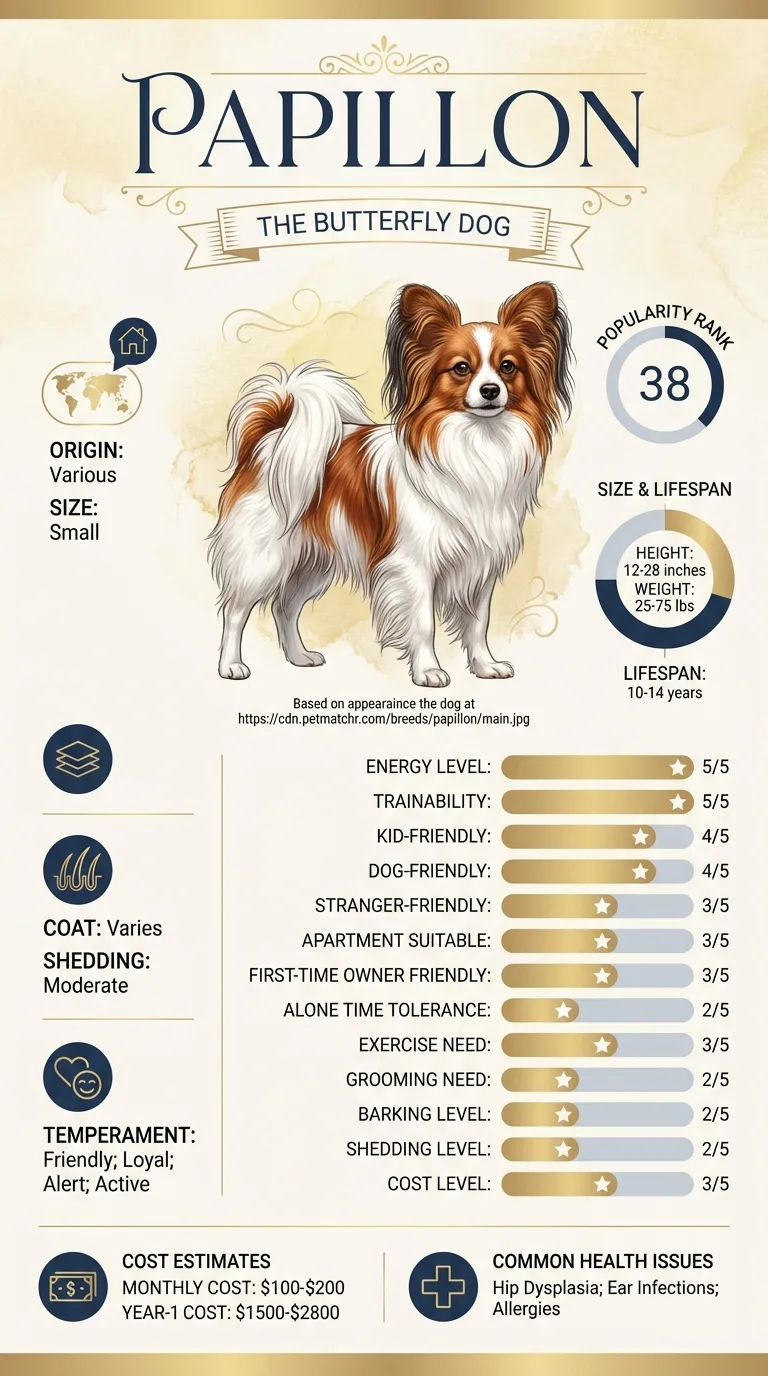
Papillon breed profile – Review everyday Papillon care and temperament context alongside a conversation about health history.
Papillon anxiety guide – Explore a related guide if a veterinarian has ruled out an immediate medical cause and your Papillon needs support with anxious behavior.
Papillon vs Pomeranian comparison – Compare Papillon ownership with a Pomeranian when weighing the needs of two small companion breeds.
Papillon vs Pug comparison – Explore a Papillon and Pug comparison when considering how household routines can differ between small companion breeds.
Chihuahua vs Papillon comparison – Review a Chihuahua and Papillon comparison if you are deciding between two small, people-oriented breeds.