DogBreedCompass
← Back to breed profile

Miniature Schnauzer Brachycephalic Airway Syndrome (BOAS)

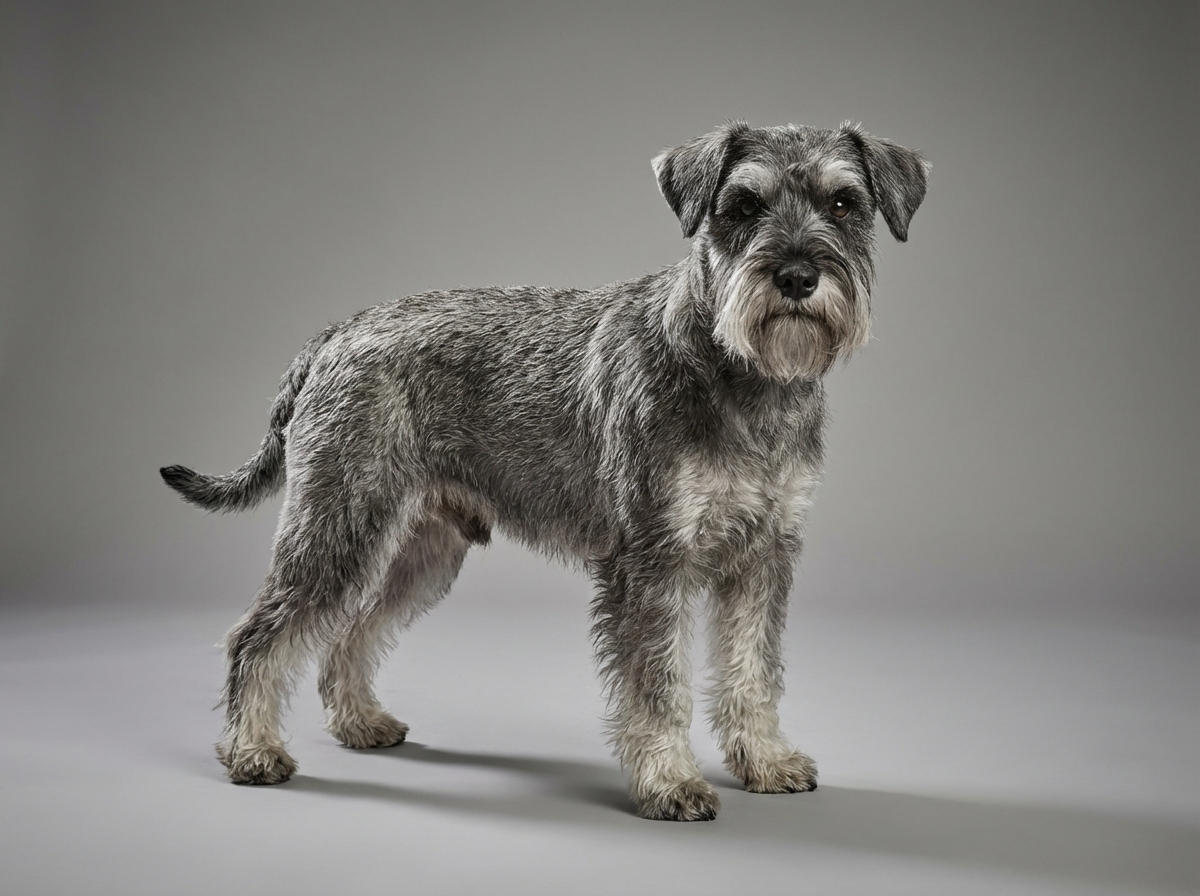
Miniature Schnauzers can suffer from brachycephalic airway syndrome (BOAS), leading to breathing difficulties, especially in heat. (Miniature Schnauzer brachycephalic airway syndrome (boas))

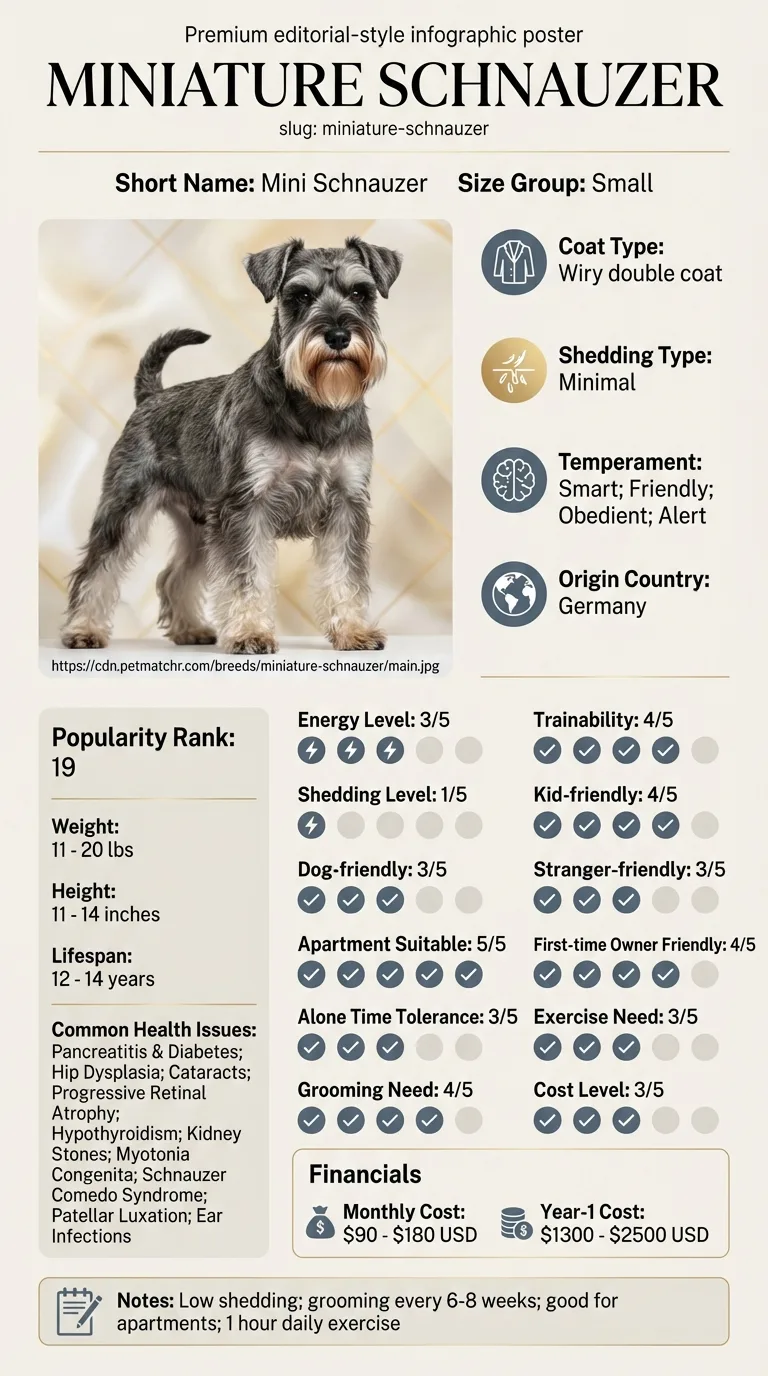
Miniature Schnauzer Brachycephalic Airway Syndrome (BOAS) infographic

Typically, Miniature Schnauzer owners, especially those in warmer climates or with active lifestyles, face challenges managing their pet's breathing during exercise or hot weather.

Important reminder

This guide is not medical advice. If your dog shows pain, sudden behavior change, or worsening symptoms, consult a licensed veterinarian.

Some links may be affiliate links. We may earn a commission at no extra cost to you. We only suggest products we believe are helpful for dog owners.

What this problem looks like

Miniature Schnauzers can suffer from brachycephalic airway syndrome (BOAS), which affects their breathing. This condition can lead to noisy breathing, snoring, and even difficulty catching their breath, especially when they are excited or overheated. Owners may notice their Mini Schnauzer struggling during walks or playtime, which can be concerning.

Common triggers

  • Hot weather
  • Excitement or exercise
  • Stressful situations

Brachycephalic airway syndrome is relatively common in Miniature Schnauzers due to their unique facial structure. Many of these dogs may experience varying degrees of this condition, making it important for owners to be aware of their dog's breathing patterns.

Why this happens

Breed factors

Miniature Schnauzers are not typically classified as brachycephalic breeds; however, their smaller size can sometimes lead to breathing difficulties. Their unique structure may cause narrower airways, making them prone to respiratory issues. While they are generally healthy, individual variations can lead to problems like BOAS.

Environment factors

Environmental factors also play a significant role in BOAS. Heat and humidity can exacerbate breathing difficulties, especially for smaller breeds. Stressful situations, such as loud noises or crowded places, can heighten anxiety, leading to further respiratory strain.

What you can try

At-home strategies

  • Create a cool, calm environment for your Miniature Schnauzer, especially during hot weather. Use fans or air conditioning to help regulate their temperature.
  • Limit exercise during peak heat hours and opt for early morning or late evening walks when it's cooler.
  • Introduce short, gentle training sessions to help your dog adjust to specific breathing exercises. This can help them manage anxiety and improve their respiratory function.

When to consider a trainer

If your Miniature Schnauzer shows persistent signs of anxiety or difficulty breathing during training, consider working with a professional trainer. A trainer can provide tailored strategies to help reduce stress and improve behavior.

When to talk to your vet

If your dog frequently struggles to breathe or shows signs of distress, contact your vet immediately. They can assess the severity of the issue and recommend treatments, which may include medical intervention or lifestyle changes.

Realistic expectations

With consistent training and care, you can see improvements in your Miniature Schnauzer's breathing within a few weeks. However, full management of Brachycephalic Airway Syndrome may take several months.

Success means your Miniature Schnauzer breathes more comfortably during exercise and does not struggle excessively in warm weather. Regular vet check-ups show stable health.

Mistakes that make this worse

Avoiding common pitfalls can significantly improve your Miniature Schnauzer's quality of life. Here are some mistakes to watch out for, along with safer alternatives.

  • Ignoring Breathing Signs: If your Miniature Schnauzer is panting excessively or struggling to breathe, it's crucial to address these signs immediately. Instead of dismissing it as normal, consult a vet to evaluate their condition.
  • Overheating: Taking your dog out during hot weather can exacerbate BOAS symptoms. Plan walks in cooler times of the day, and always have fresh water available to keep them hydrated.
  • Neglecting Weight Management: Excess weight can worsen breathing difficulties. Focus on a balanced diet and regular exercise to maintain a healthy weight for your Schnauzer.
  • Inconsistent Training: Being inconsistent with training can increase anxiety in your Miniature Schnauzer. Use positive reinforcement methods consistently to help them feel secure and confident.
  • Skipping Regular Vet Visits: Not having regular check-ups can lead to unnoticed health issues. Schedule routine vet visits to catch any potential problems early.
  • Stressful Situations: Exposing your dog to stressful environments can worsen their anxiety and breathing issues. Create a calm space at home and minimize exposure to loud noises or chaotic situations.

When Miniature Schnauzer Brachycephalic Airway Syndrome (BOAS) is an Emergency

It’s crucial to recognize when Miniature Schnauzer brachycephalic airway syndrome (BOAS) becomes an emergency. Certain signs indicate that immediate veterinary attention is necessary, while others may allow for monitoring at home. Knowing the difference can help keep your furry friend safe and healthy.

Miniature Schnauzer Brachycephalic Airway Syndrome (BOAS) - When Miniature Schnauzer Brachycephalic Airway Syndrome (BOAS) is an Emergency

Red-Flag Signs to Call Your Vet Now

If your Miniature Schnauzer shows any of the following symptoms, don’t hesitate to contact your veterinarian immediately: - Extreme difficulty breathing or gasping for air. - Blue-tinged gums or tongue, indicating a lack of oxygen. - Persistent coughing, especially if it’s accompanied by gagging or vomiting. - Signs of distress, such as pacing or excessive panting, especially in heat. - Unresponsiveness or lethargy that seems unusual for your dog.

Miniature Schnauzer Brachycephalic Airway Syndrome (BOAS) - Red-Flag Signs to Call Your Vet Now
  • Extreme difficulty breathing or gasping for air.
  • Blue-tinged gums or tongue, indicating a lack of oxygen.
  • Persistent coughing, especially if it’s accompanied by gagging or vomiting.
  • Signs of distress, such as pacing or excessive panting, especially in heat.
  • Unresponsiveness or lethargy that seems unusual for your dog.

Mild Cases to Monitor at Home

In cases where symptoms are mild, you can monitor your Miniature Schnauzer’s condition with a plan: - Light wheezing or snorting sounds without signs of distress. - Occasional coughing that doesn’t seem to worsen over time. - Slight panting after exercise or in warm weather, but returning to normal quickly. - If your dog is still playful and eating well, keep a close eye on them. However, have a plan to contact your vet if symptoms escalate.

Miniature Schnauzer Brachycephalic Airway Syndrome (BOAS) - Mild Cases to Monitor at Home
  • Light wheezing or snorting sounds without signs of distress.
  • Occasional coughing that doesn’t seem to worsen over time.
  • Slight panting after exercise or in warm weather, but returning to normal quickly.
  • If your dog is still playful and eating well, keep a close eye on them.

A Busy Nurse's Journey with Her Miniature Schnauzer

Emily, a busy nurse in Chicago, adopted a Miniature Schnauzer named Max. She noticed he struggled to breathe, especially on hot days. After talking to her vet, Emily learned Max had Brachycephalic Airway Syndrome (BOAS). She committed to training him using calming techniques and avoided hot environments. Over a few months, she observed significant improvements in Max's breathing during walks, and he became more playful and active.

Key takeaway: With proper care and training, you can manage Brachycephalic Airway Syndrome effectively, allowing your Miniature Schnauzer to live a happier, healthier life.

Frequently asked questions

What is Miniature Schnauzer brachycephalic airway syndrome (boas)?

Miniature Schnauzer brachycephalic airway syndrome (boas) is a condition that causes breathing difficulties due to the dog's short snout. This can lead to problems like noisy breathing, snoring, and more serious issues during exercise or heat.

Why does my Miniature Schnauzer have brachycephalic airway syndrome (boas)?

Brachycephalic airway syndrome (boas) occurs due to the dog’s genetic makeup. Miniature Schnauzers often have physical traits that contribute to this condition, such as a short nasal passage and elongated soft palate.

How can I help my Miniature Schnauzer with boasa?

To help your Miniature Schnauzer with brachycephalic airway syndrome, ensure they maintain a healthy weight and avoid strenuous exercise in hot weather. Regular vet check-ups can also help monitor their breathing and overall health.

Can training help with my Miniature Schnauzer's breathing issues?

Training can help your Miniature Schnauzer learn to remain calm and reduce anxiety, which may improve breathing. Focus on positive reinforcement techniques to encourage relaxed behaviors, especially in stressful situations.

What should I do if my Miniature Schnauzer is struggling to breathe?

If your Miniature Schnauzer is having difficulty breathing, it’s vital to remain calm and seek veterinary assistance immediately. Watch for signs like excessive panting, lethargy, or a bluish tongue, which indicate a need for urgent care.

Are there surgical options for Miniature Schnauzers with boasa?

Yes, surgical options are available for severe cases of brachycephalic airway syndrome. Procedures can help correct anatomical issues, but consult with a veterinary specialist to discuss risks and benefits.

What are the signs of brachycephalic airway syndrome in Miniature Schnauzers?

Signs of Miniature Schnauzer brachycephalic airway syndrome (BOAS) include noisy breathing, snoring, coughing, and difficulty breathing, especially during exercise or in hot weather. If you notice these symptoms, it's essential to consult your vet for evaluation.

Can older Miniature Schnauzers develop brachycephalic airway syndrome?

Yes, older Miniature Schnauzers can develop brachycephalic airway syndrome (BOAS), especially if they have had a history of respiratory issues. Age can exacerbate existing conditions, so regular vet check-ups are crucial to monitor their health.

How can I help my Miniature Schnauzer with brachycephalic airway syndrome during hot weather?

To help your Miniature Schnauzer with brachycephalic airway syndrome (BOAS) during hot weather, keep them indoors in a cool environment and limit exercise to cooler times of the day. Always provide fresh water and watch for excessive panting or lethargy.

What should I do if my Miniature Schnauzer has a breathing emergency?

If your Miniature Schnauzer is having a breathing emergency, stay calm and immediately take them to the vet. Signs of distress include labored breathing, excessive panting, or bluish gums. Quick action is vital in these situations.

Is surgery an option for Miniature Schnauzers with severe BOAS?

Yes, surgery can be an option for Miniature Schnauzers with severe brachycephalic airway syndrome (BOAS). Procedures like soft palate resection or nostril widening may help improve airflow and alleviate symptoms. Always discuss the risks and benefits with your veterinarian.

Quick answers

View more answers
Behavior

What are quick tips for managing Miniature Schnauzer brachycephalic airway syndrome (boas)?

Keep your Miniature Schnauzer cool and avoid strenuous activities, especially in hot weather. Regular vet visits are essential to monitor their breathing.

Training

How can I train my Miniature Schnauzer to cope with breathing issues?

Use positive reinforcement training to teach your Miniature Schnauzer to stay calm. Short, positive training sessions can help reduce anxiety around breathing difficulties.

Health

What should I look for in a vet for my Miniature Schnauzer's breathing problems?

Choose a vet experienced with brachycephalic breeds. They can provide tailored care and advice specific to Miniature Schnauzers and their health issues.

Related DogBreedCompass guides

  • Miniature Schnauzer behavior problemsLearn more about managing your Miniature Schnauzer's anxiety and behavior issues.
  • How to stop Miniature Schnauzer brachycephalic airway syndrome (boas)Find tips on how to stop Miniature Schnauzer brachycephalic airway syndrome (boas) symptoms effectively.
  • Miniature Schnauzer brachycephalic airway syndrome (boas) trainingExplore effective training methods for Miniature Schnauzers dealing with BOAS.
  • Miniature Schnauzer cost breakdownUnderstand the costs associated with owning a Miniature Schnauzer, including potential health issues.
  • Miniature Schnauzer separation anxiety guideGet insights into separation anxiety in Miniature Schnauzers and how to help them feel secure.

Related guides