Behavior
What are some quick tips for Miniature Schnauzer allergic reactions?
Keep your home clean and free of dust and allergens. Regularly bathe your Mini Schnauzer with hypoallergenic shampoo to soothe their skin.
Miniature Schnauzer allergic reactions can be frustrating for both dogs and their owners. These reactions can lead to discomfort and health issues if not addressed.
Typical owners dealing with this issue may include first-time dog parents or busy families who might miss subtle signs of allergies. Those living in areas with high pollen or other allergens often find their Mini Schnauzers more affected.
This guide is not medical advice. If your dog shows pain, sudden behavior change, or worsening symptoms, consult a licensed veterinarian.
Some links may be affiliate links. We may earn a commission at no extra cost to you. We only suggest products we believe are helpful for dog owners.
Miniature Schnauzer allergic reactions can be a frustrating issue for owners. These reactions often manifest as skin irritations, itching, or gastrointestinal problems. Common triggers include certain foods, pollen, dust mites, and even flea bites, making it essential to identify what specifically affects your dog.
Allergic reactions are quite common in Miniature Schnauzers, with studies suggesting they may have a 276% higher risk compared to other breeds. Many owners report dealing with these issues at some point, making awareness and prevention crucial.
Miniature Schnauzers can be prone to allergic reactions due to their genetic makeup. They may have sensitivities to certain foods, environmental allergens, or grooming products. Their wiry double coat can also trap allergens, leading to skin irritations.
Environmental factors play a significant role in allergic reactions. Dust, pollen, mold, or chemicals in cleaning products can trigger symptoms. Changes in diet or exposure to new plants or materials can also lead to allergies.
If your Miniature Schnauzer's allergic reactions lead to behavioral issues, such as increased anxiety or aggression, consider consulting a trainer. A professional can help address these behaviors while you work on allergy management.
Talk to your vet if your Miniature Schnauzer shows persistent allergic reactions despite home strategies. If symptoms worsen or include severe itching, swelling, or gastrointestinal distress, seek veterinary help immediately for proper diagnosis and treatment.
It typically takes a few weeks to identify triggers and adjust your Miniature Schnauzer's environment and diet. Consistent training and monitoring can lead to noticeable improvements in a couple of months.
Success means your Miniature Schnauzer experiences fewer allergic reactions, shows improved comfort, and can enjoy activities without excessive scratching or discomfort.
Avoiding these common mistakes can help improve your Miniature Schnauzer's allergic reactions.
If your Miniature Schnauzer shows signs like swelling of the face, difficulty breathing, or severe vomiting, it’s an emergency. These symptoms can indicate anaphylaxis, which can be life-threatening. Other red-flag signs include rapid heart rate, severe lethargy, or seizures. In such cases, call your vet immediately or head to the nearest emergency animal clinic.
On the other hand, if your dog has mild itching, localized swelling, or gastrointestinal upset, you can usually monitor the situation at home. Keep an eye on your pup and note any changes. Consider giving them an antihistamine, but always check with your vet first. If symptoms persist for more than a day or worsen, reach out to your vet for advice.
In summary, trust your instincts. When in doubt about your Miniature Schnauzer’s health, it’s better to err on the side of caution. Keeping a list of your dog's specific allergies and symptoms can help you and your vet make quick decisions in emergencies.
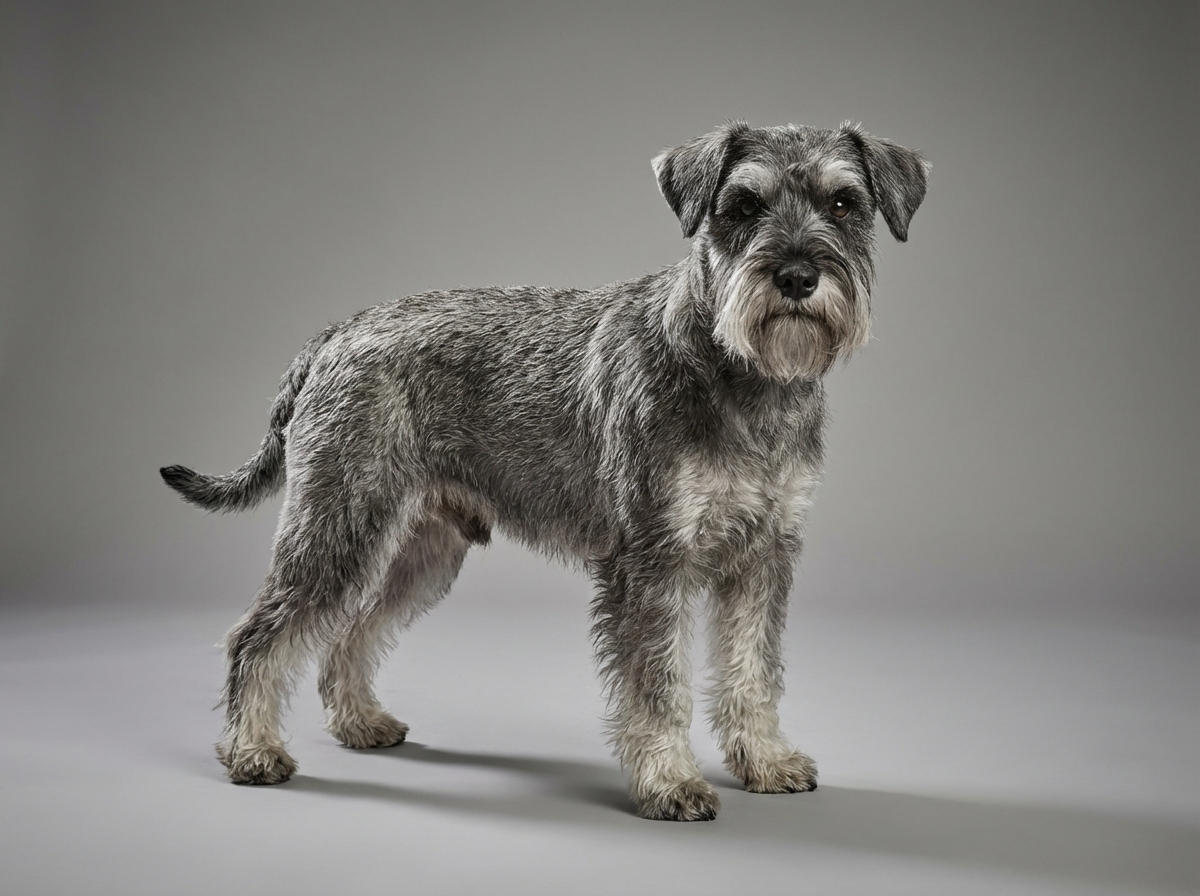
Maggie, a busy nurse in Los Angeles, noticed her Miniature Schnauzer, Max, scratching and sneezing more than usual. After a frustrating vet visit and multiple tests, she learned that Max was allergic to some common foods and certain environmental factors. By switching his diet and reducing exposure to allergens in her home, Maggie saw significant improvements in Max's comfort level within weeks. Gradually, they were able to return to their favorite park without worrying about his reactions.
Key takeaway: Identifying and managing allergens takes time, but with patience and adjustments, you can improve your Miniature Schnauzer's quality of life significantly.
Miniature Schnauzers can have allergic reactions due to various triggers such as food, environmental allergens like pollen, or even flea bites. It's important to identify the specific allergen, which may require a vet visit and allergy testing for accurate diagnosis.
To stop Miniature Schnauzer allergic reactions, start by eliminating known allergens from their environment or diet. Consult your vet for suitable hypoallergenic foods and consider medications or treatments like antihistamines or steroids if necessary.
Common signs include itching, redness, swelling, and gastrointestinal issues like vomiting or diarrhea. Pay close attention to your Mini Schnauzer's behavior and skin, and consult your vet if you notice persistent symptoms.
While training won't directly stop allergic reactions, it can help manage their behavior during flare-ups. Teaching commands like 'leave it' can prevent your Mini Schnauzer from eating something harmful or irritating.
If your Miniature Schnauzer has a severe allergic reaction, such as difficulty breathing or swelling of the face, seek emergency veterinary care immediately. Quick action is crucial in these situations.
If your Miniature Schnauzer shows signs of an allergic reaction, such as itching, swelling, or difficulty breathing, contact your vet immediately. They can provide the best guidance and treatment options for your dog's specific situation.
Yes, food allergies are common in Miniature Schnauzers and can trigger allergic reactions. Look for symptoms like upset stomach, itchy skin, or ear infections. Switching to a limited ingredient diet under veterinary supervision can help identify the culprit.
Miniature Schnauzers can be sensitive to environmental allergens like pollen, mold, dust mites, and certain foods. Regularly cleaning your home and avoiding exposure to known allergens can help minimize reactions.
To help manage allergies, consider regular grooming to remove allergens from their coat. You can also discuss antihistamines or allergy medications with your vet. Ensuring a clean living environment can greatly reduce allergic reactions.
If your Miniature Schnauzer frequently experiences allergic reactions or the symptoms worsen, it’s time to see a vet. They can conduct tests to determine the cause and suggest appropriate treatments.
Keep your home clean and free of dust and allergens. Regularly bathe your Mini Schnauzer with hypoallergenic shampoo to soothe their skin.
Keep a diary of your Mini Schnauzer's reactions and their environment to help identify patterns. Note any changes in diet or exposure to new allergens.
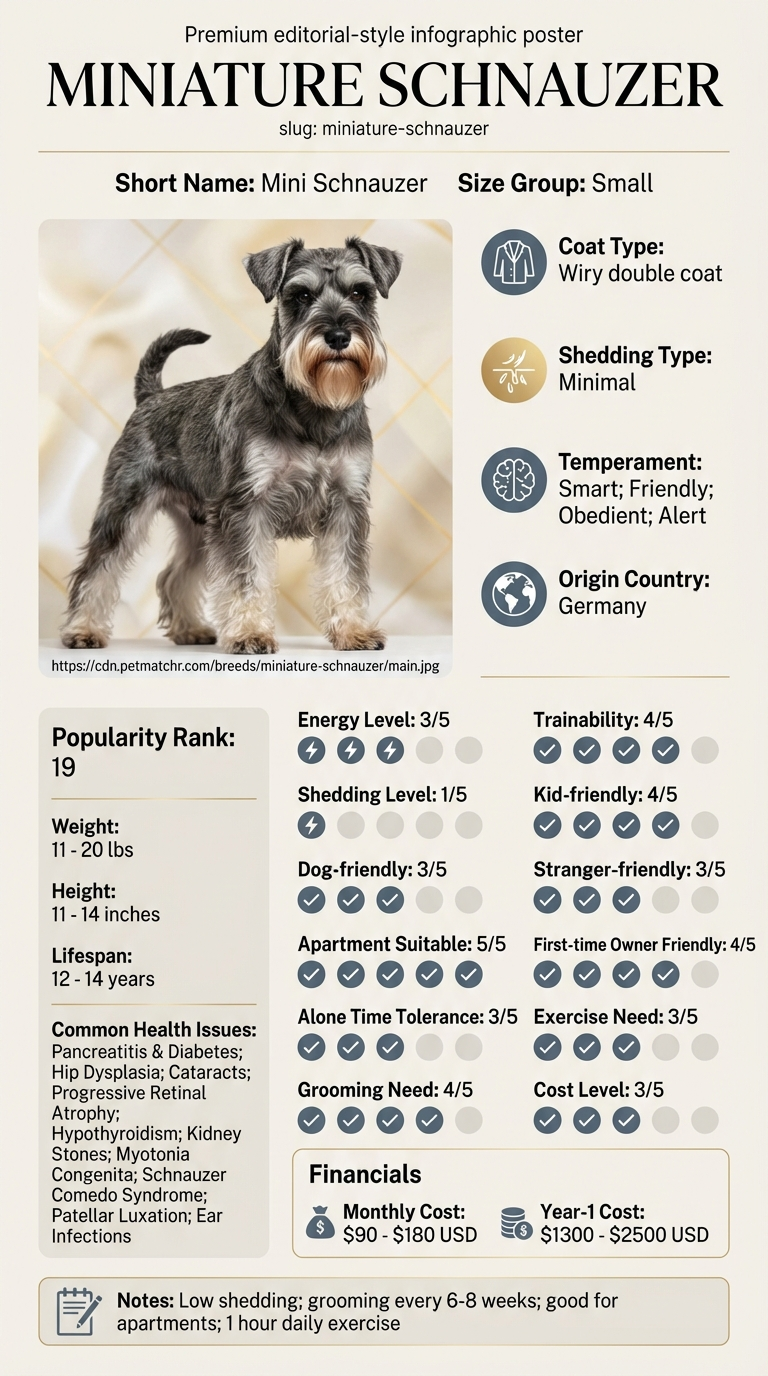
Costs can vary widely depending on the severity of the allergies and treatment options. Expect to spend $90 to $180 monthly for ongoing care and medications.