Behavior
What are some quick tips for Maltese with PRA-rcd3?
Keep your home well-lit and free of obstacles. Use consistent verbal commands to guide your dog, and consider using harnesses for walks to prevent accidents.
Maltese progressive retinal atrophy (pra-rcd3) is a serious condition that leads to vision loss in your furry friend.
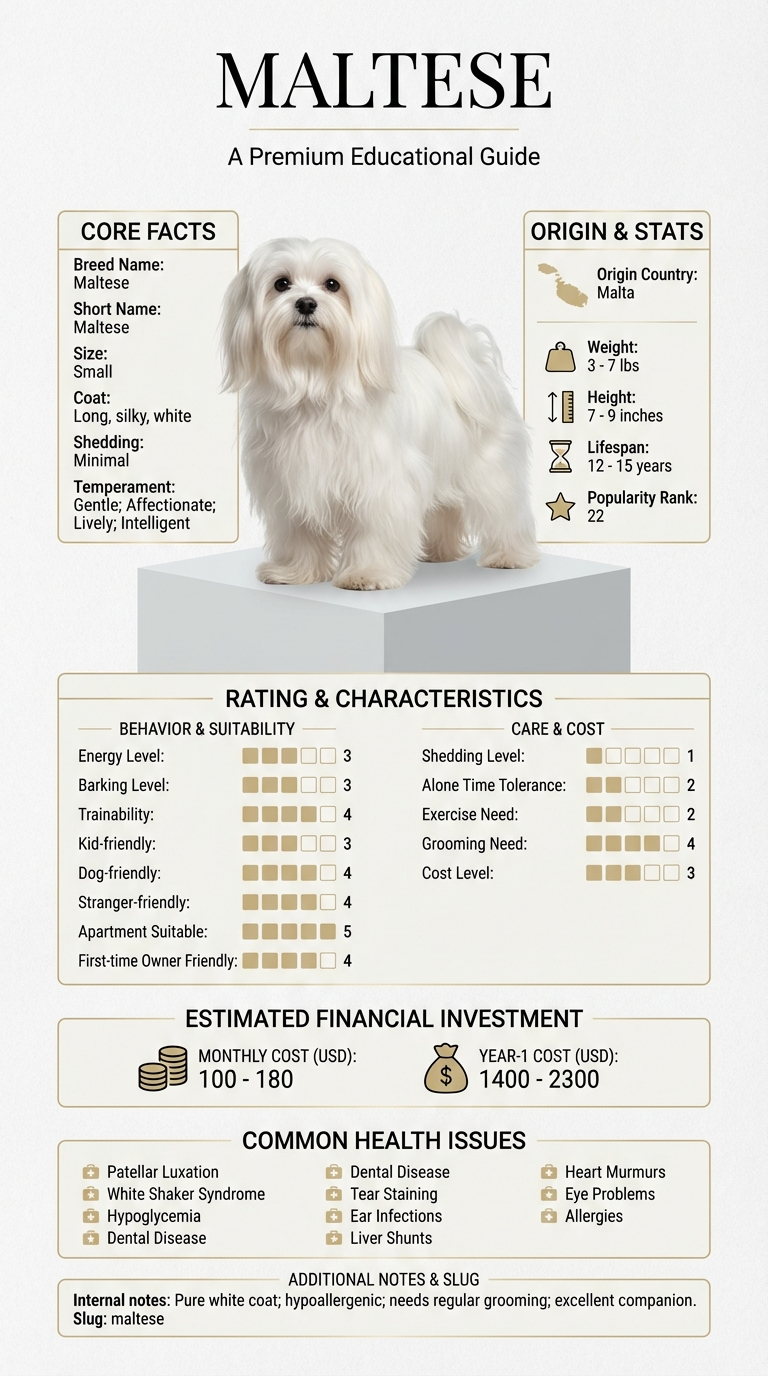
Owners of Maltese dogs often face this issue, especially as their pets age. Those who are new to dog ownership or have busy lifestyles may find it particularly challenging to manage the effects of vision loss.
This guide is not medical advice. If your dog shows pain, sudden behavior change, or worsening symptoms, consult a licensed veterinarian.
Some links may be affiliate links. We may earn a commission at no extra cost to you. We only suggest products we believe are helpful for dog owners.
Maltese progressive retinal atrophy (pra-rcd3) is a gradual vision loss that affects many Maltese dogs. This condition usually begins with difficulty seeing in dim light and can progress to blindness. Owners may notice their Maltese becoming hesitant in new environments or bumping into furniture as the disease advances.
Maltese progressive retinal atrophy (pra-rcd3) is relatively common within the breed, often identified in middle-aged to older dogs. It is crucial for owners to be aware of the signs and consult a vet for appropriate management.
Maltese progressive retinal atrophy (pra-rcd3) is often linked to genetics. This breed is predisposed to inherited eye conditions, especially as they age. The genetic mutation affects how the retina functions, leading to gradual vision loss over time.
While genetics play a significant role, environmental factors can also contribute to eye health. Poor lighting, exposure to irritants, or lack of proper eye care can exacerbate vision issues. Keeping a Maltese in a safe and clean environment helps minimize risks.
If your Maltese struggles significantly with daily tasks or becomes overly anxious, consider hiring a trainer. Look for someone experienced with vision-impaired dogs. A trainer can provide tailored strategies to help your pet adapt.
It's crucial to consult a vet if you notice signs of vision loss, such as bumping into objects or hesitance in new environments. Your vet can assess the condition and recommend appropriate treatments or lifestyle adjustments. Regular check-ups are important to monitor their eye health.
Improvement may take several weeks to months, depending on the dog's adaptability and your efforts in managing the condition.
Success means your Maltese can navigate their environment with confidence and maintain a good quality of life despite vision loss.
Understanding what not to do can significantly improve your Maltese's situation with progressive retinal atrophy (PRA-rcd3). Here are common mistakes owners make, along with safer alternatives.
Knowing when Maltese progressive retinal atrophy (pra-rcd3) is an emergency is crucial. If your Maltese shows sudden vision loss or displays signs of discomfort, like pawing at their eyes, it's time to call your vet immediately. Other red flags include excessive blinking, swelling around the eyes, or any unusual behavior that suggests pain or distress.

If your Maltese is showing mild symptoms, such as slight difficulty navigating familiar spaces or occasional bumps into furniture, these cases can often be monitored. Create a plan to observe your dog's behavior over a few days, noting any changes or improvements. However, keep in mind that regular vet check-ups are essential to track the condition's progression.

When Sarah adopted Bella, her Maltese, she noticed Bella seemed hesitant to explore. After a vet visit confirmed progressive retinal atrophy (PRA-rcd3), Sarah was worried about how this would affect their life together. Determined to help, she created a safe space with familiar scents and sounds. Over time, Bella learned to navigate their home using cues and tactile markers. Sarah also enrolled in a training course focused on visual impairment, which helped her understand Bella's needs better. Now, Bella confidently finds her way around, and their bond is stronger than ever.
Key takeaway: With patience and the right tools, you can help your Maltese adapt to living with PRA-rcd3 and maintain a happy, active life.
Maltese progressive retinal atrophy (PRA-rcd3) is a genetic disorder that leads to gradual vision loss in Maltese dogs. It affects the retina, causing it to deteriorate over time, which can result in blindness.
This condition is inherited, meaning it is passed down through genetics. If your Maltese has PRA-rcd3, it likely inherited this trait from its parents, who may not show symptoms themselves.
Signs include difficulty seeing in low light, bumping into objects, and general clumsiness. If you notice these behaviors, consult your vet for an eye examination to confirm the diagnosis.
While there is no cure for PRA-rcd3, you can help your dog adjust by keeping their environment consistent and safe. Use verbal cues and maintain a routine to assist them in navigating their space.
Currently, there are no effective treatments to reverse the effects of PRA-rcd3. However, regular vet check-ups can help monitor your dog's eye health and manage any secondary issues that arise.
While the condition leads to blindness, many dogs adapt well with proper care. They can still lead happy, fulfilling lives with the right support from their owners.
Unfortunately, there’s no way to stop PRA-rcd3 since it's genetic. The best approach is to focus on managing your dog's environment and ensuring they receive regular veterinary care.
Early signs of Maltese progressive retinal atrophy (pra-rcd3) may include difficulty seeing in low light, bumping into furniture, or hesitance while navigating familiar areas. If you notice these changes, it's important to consult a vet for a proper diagnosis.
Currently, there is no cure for Maltese progressive retinal atrophy (pra-rcd3). However, you can help your dog adapt by creating a safe, familiar environment and using training techniques to improve their confidence and mobility.
Yes, Maltese progressive retinal atrophy (pra-rcd3) is hereditary and can be passed down from parent dogs. Responsible breeding practices, including genetic testing, can help reduce the risk of this condition in future litters.
To help your Maltese cope with vision loss, maintain a consistent layout at home, avoid moving furniture, and use verbal cues to guide them. Training them to navigate using other senses, like smell and sound, can also be beneficial.
You should seek veterinary advice if you notice any changes in your Maltese's vision or behavior, such as reluctance to explore or difficulty with familiar pathways. Early intervention can help manage their condition more effectively.
Keep your home well-lit and free of obstacles. Use consistent verbal commands to guide your dog, and consider using harnesses for walks to prevent accidents.
Create a safe, familiar environment, and avoid rearranging furniture frequently. This helps your dog navigate easily and reduces anxiety.
Discuss your Maltese's symptoms, any behavioral changes, and the best ways to manage their care. Regular check-ups are essential.