Behavior
What are some quick tips for Maltese heat sensitivity?
Keep your Maltese indoors during peak heat hours and provide plenty of water. Use cooling products like mats or vests to help regulate their body temperature.
Maltese heat sensitivity can be a serious issue for your furry friend. These small dogs often struggle to handle high temperatures, putting them at risk of heat-related health problems.
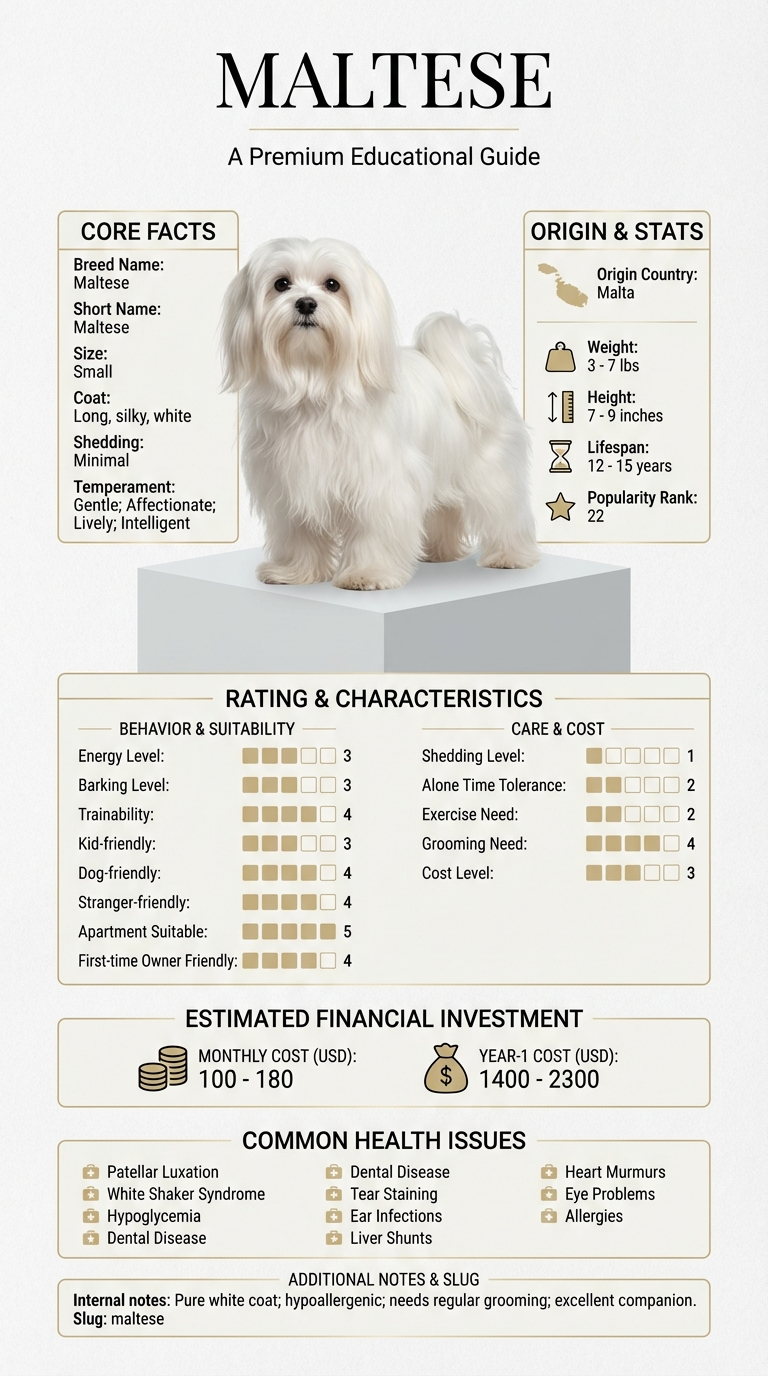
First-time Maltese owners or those living in warmer climates often face challenges with this issue. Busy families or individuals who may not be aware of the signs of overheating might find it especially concerning.
This guide is not medical advice. If your dog shows pain, sudden behavior change, or worsening symptoms, consult a licensed veterinarian.
Some links may be affiliate links. We may earn a commission at no extra cost to you. We only suggest products we believe are helpful for dog owners.
Maltese heat sensitivity is a common issue that can cause your dog distress, especially during hot weather. This breed struggles to regulate body temperature due to its small size and long, silky coat. Owners often notice their Maltese panting excessively, acting lethargic, or seeking shade when temperatures rise.
Heat sensitivity is quite common in Maltese dogs, especially if they are exposed to extreme temperatures. Their small size makes them more vulnerable, so it’s essential for owners to be aware of the signs and take preventive measures.
Maltese dogs are small and have long, silky coats, which can make them more susceptible to heat sensitivity. Their body mass and surface area ratio means they can overheat quickly. Additionally, their energy levels can contribute to stress and heat intolerance in warmer climates.
Heat sensitivity can also stem from environmental factors like high temperatures, humidity, and lack of shade or cool areas. If your Maltese is left outside in hot weather or has limited access to fresh water, their risk of overheating increases significantly.
If your Maltese shows persistent signs of anxiety during heat or refuses to go outside, a professional trainer can help. They can provide strategies to ease your dog's stress and help them feel more comfortable in warmer weather.
If you notice signs of severe heat sensitivity like excessive panting, lethargy, or vomiting, it's crucial to consult your vet. They can assess your dog's health and provide guidance on managing heat sensitivity more effectively.
You can expect to see improvements in your Maltese's heat sensitivity within a few weeks of consistent training and management.
Success means your Maltese can enjoy outdoor activities without excessive panting or distress, and you feel confident in managing their needs during hot weather.
Avoiding these common mistakes can help manage your Maltese's heat sensitivity effectively.
Understanding when Maltese heat sensitivity is an emergency is crucial for your dog's safety. Some signs indicate you need to call your vet immediately, while others can be managed at home. Knowing the difference can help you respond effectively and keep your Maltese comfortable.
Red-flag symptoms that signal an emergency include excessive panting, drooling, weakness, or disorientation. If your Maltese collapses or has a seizure, these are critical signs that require immediate veterinary attention. Additionally, if your dog’s gums appear pale or blue, it’s vital to seek help right away, as these could indicate serious heat-related issues.
On the other hand, mild cases of heat sensitivity may involve light panting or increased thirst. If you notice these symptoms, monitor your Maltese closely. Ensure they have access to cool water and a shaded area to rest. You can also apply cool, damp cloths to help lower their body temperature gradually. If symptoms do not improve or worsen, don’t hesitate to reach out to your vet for advice. Keeping a close eye during hotter months can prevent serious incidents and ensure your Maltese stays safe and happy.
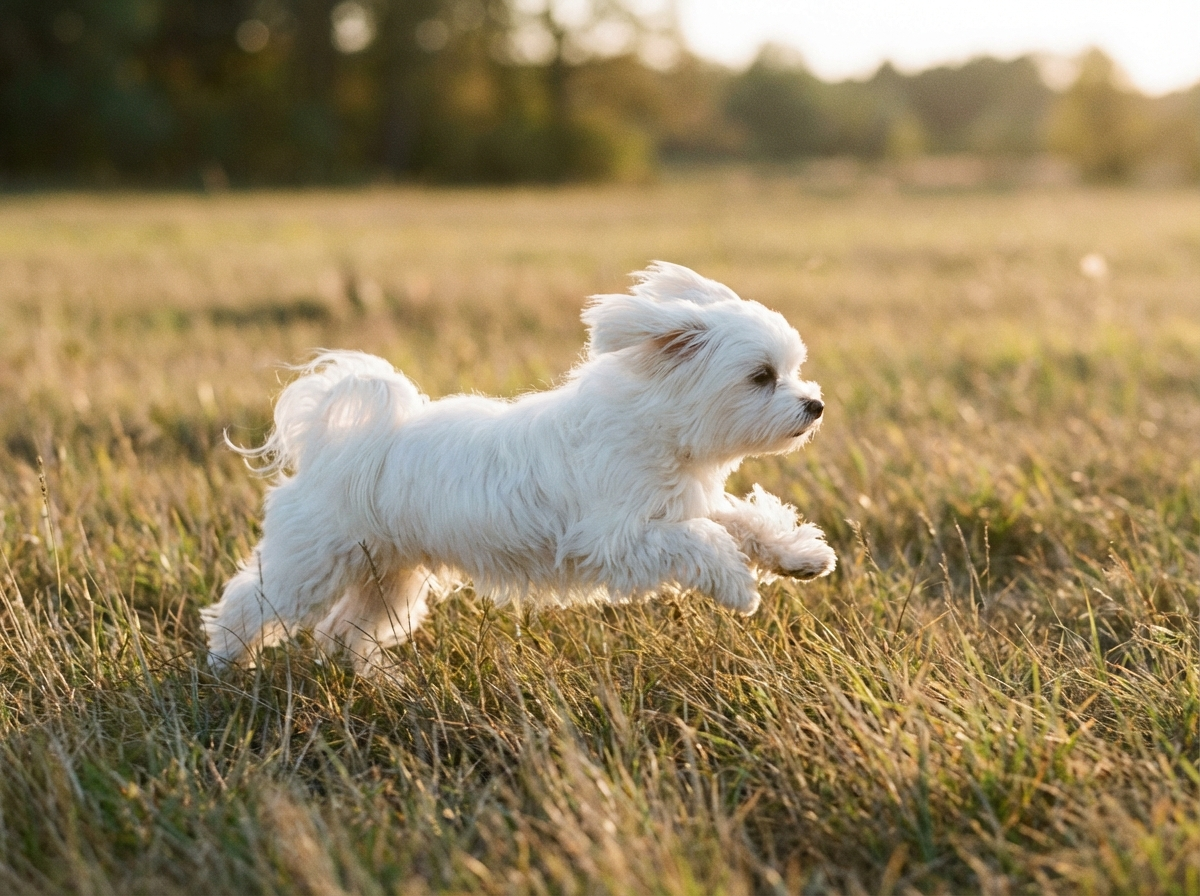
When Sarah, a busy nurse in Florida, adopted Bella, her Maltese, she quickly noticed Bella struggled in the heat. During walks, Bella would pant heavily and seek shade after just a few minutes. Sarah decided to educate herself on how to stop Maltese heat sensitivity. She started taking Bella out during cooler parts of the day and provided plenty of fresh water. Sarah also learned to recognize signs of overheating and invested in a cooling vest for Bella. Over time, Bella became more comfortable outdoors, and their walks became enjoyable.
Key takeaway: With patience and proper management, you can help your Maltese adapt to warmer weather and enjoy outdoor activities safely.
Maltese dogs are small and have a long, silky coat that can make them more susceptible to heat. Their bodies don't cool down as efficiently as larger breeds, putting them at risk for heatstroke in warm weather. It's essential to monitor their temperature and provide a cool environment.
To help prevent overheating, limit outdoor activities during hot weather and ensure your Maltese has access to shade and fresh water. Consider using cooling mats or vests designed for dogs. Always monitor your pet for signs of distress, such as excessive panting or lethargy.
Common signs of heat sensitivity in Maltese include heavy panting, drooling, weakness, and disorientation. If you notice these signs, immediately move your dog to a cooler place and offer water. In severe cases, contact a vet right away.
Yes, training your Maltese to recognize and respond to heat sensitivity can be beneficial. Teach commands that encourage them to seek shade or water when it's hot. Positive reinforcement can help them learn to stay cool.
If you suspect your Maltese is experiencing heatstroke, move them to a cool area immediately and cool them down with water or ice packs. Contact your veterinarian for further guidance. Quick action can be lifesaving.
Signs of heat sensitivity in a Maltese include excessive panting, drooling, lethargy, or difficulty breathing. If you notice these symptoms, it's important to cool your dog down immediately and provide water.
To help your Maltese in hot weather, ensure they have access to shade and fresh water. Limit outdoor activities during peak heat hours and consider using cooling mats or vests to keep them comfortable.
Yes, older Maltese dogs are often more susceptible to heat sensitivity. Their ability to regulate body temperature diminishes with age, so extra care is needed to keep them cool.
If your Maltese shows severe signs of heat sensitivity, like vomiting, confusion, or collapse, you should seek veterinary attention immediately. Heatstroke can develop quickly and needs urgent care.
While training cannot eliminate heat sensitivity, it can help your Maltese learn to stay in cool areas during hot weather. Teaching them commands like 'stay' or 'come' can keep them safe outdoors.
Keep your Maltese indoors during peak heat hours and provide plenty of water. Use cooling products like mats or vests to help regulate their body temperature.
Limit walks to early morning or late evening when temperatures are cooler. Short, frequent walks are better than long outings in the heat.
Avoid leaving your Maltese in a parked car, as temperatures can rise quickly. Also, keep them away from hot asphalt, which can burn their paws.
Regular grooming is essential to keep your Maltese's coat healthy and prevent overheating. A well-groomed coat allows for better air circulation.