Health
What are quick tips for managing Maltese chronic active hepatitis?
Keep your Maltese on a vet-approved diet and schedule regular check-ups to monitor liver health.

Quick answer
What are quick tips for managing Maltese chronic active hepatitis?
Keep your Maltese on a vet-approved diet and schedule regular check-ups to monitor liver health.
Maltese chronic active hepatitis is a serious liver condition that can affect your dog's health and quality of life.
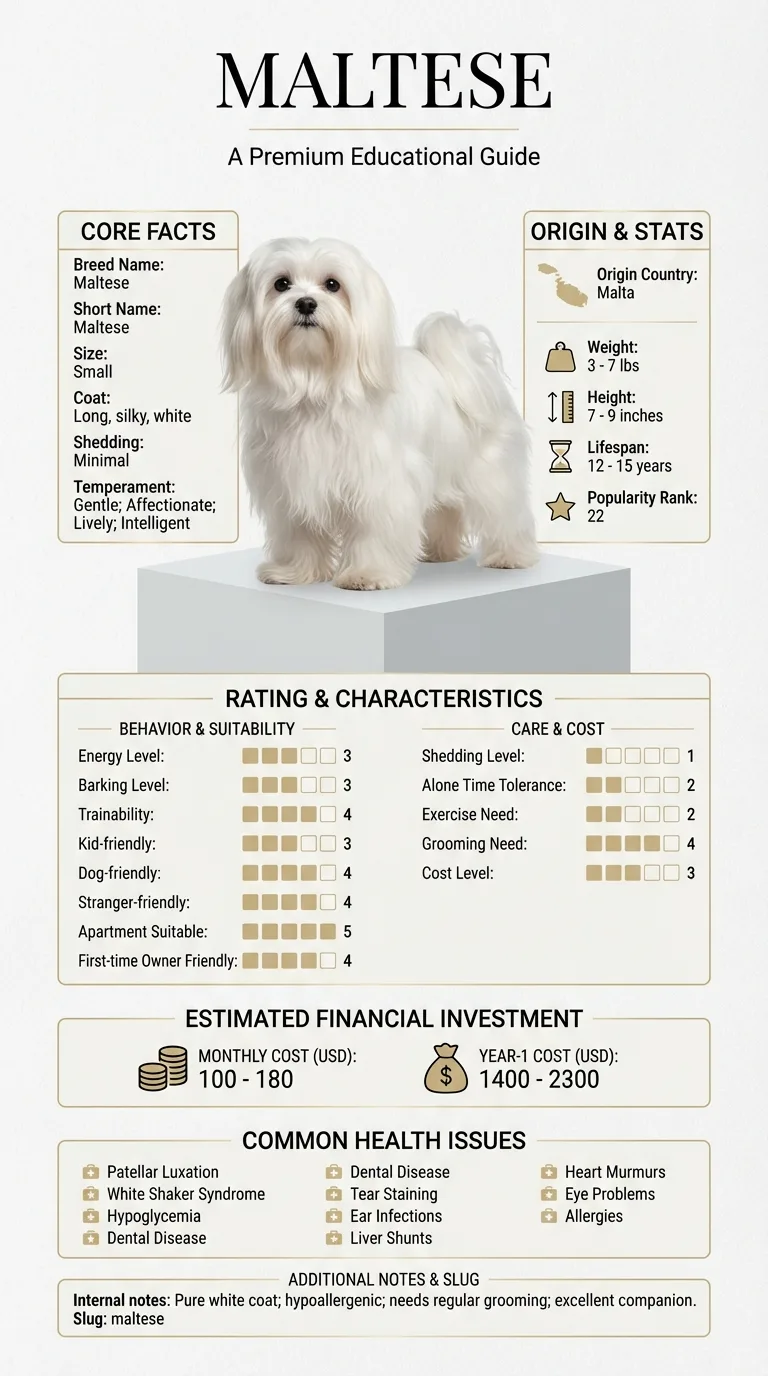
Owners of Maltese dogs often face this issue, especially those who may not be aware of the breed's unique health challenges. First-time Maltese owners or those with busy lifestyles may struggle to recognize symptoms or manage treatment effectively.
This guide is not medical advice. If your dog shows pain, sudden behavior change, or worsening symptoms, consult a licensed veterinarian.
Some links may be affiliate links. We may earn a commission at no extra cost to you. We only suggest products we believe are helpful for dog owners.
We research and check what we publish, but we do not warrant that any figure, date, price, or statement is accurate, complete, or current, and we accept no liability for any loss, cost, injury, or other harm arising from the use of this site. Use it as one reference among several. You remain responsible for your own decisions and for your dog's care - confirm anything that matters with a licensed veterinarian or another qualified professional before you act on it. Full disclaimer.
Check this first
Recognizing when your Maltese may be facing a serious health issue like chronic active hepatitis is critical. If you notice any of the following red-flag signs, you should call your vet immediately. These include severe vomiting, lethargy, loss of appetite, jaundice (yellowing of the skin or eyes), or any signs of abdominal pain. These symptoms can indicate a serious progression of the disease that requires urgent medical attention.
On the other hand, there are mild cases of Maltese chronic active hepatitis that can be monitored at home. If your dog shows minor symptoms such as slight lethargy or occasional vomiting, keep a close watch. You can create a management plan with your vet that includes regular check-ups, dietary changes, and monitoring behavior. Regular vet visits will help catch any worsening conditions early.
In summary, be vigilant. If in doubt, it's always best to err on the side of caution and seek veterinary advice. Your Maltese's health can change rapidly, so staying proactive is key to catching potential problems early.
If any of these apply, call your vet or an emergency clinic now. The rest of this page is for the cases that are not an emergency.
Maltese chronic active hepatitis is a serious liver condition that can significantly affect your dog's health. Daily life with a Maltese suffering from this issue may involve symptoms like vomiting, lethargy, and a lack of appetite. Owners often have to manage frequent vet visits and medication routines to help their furry friends feel better.
Chronic active hepatitis is relatively rare in Maltese dogs, but it is still a concern among small breeds. Early detection is crucial, as untreated cases can lead to severe complications and increased veterinary costs.
Maltese dogs are genetically predisposed to certain liver issues, including chronic active hepatitis. Their small size can sometimes contribute to more significant health challenges. Additionally, their unique metabolism can make them more vulnerable to liver diseases.
Environmental factors like diet, exposure to toxins, and stress play a role in the development of chronic active hepatitis. Poor nutrition or exposure to harmful substances can strain the liver. Stressful situations, such as frequent changes in their routine, can exacerbate their health issues.
If you notice persistent symptoms such as vomiting, diarrhea, or jaundice, it's crucial to contact your vet. Regular check-ups are essential, especially if your Maltese has been diagnosed with chronic active hepatitis. Early intervention can significantly impact treatment outcomes.
Avoiding common mistakes can help manage Maltese chronic active hepatitis more effectively. Here are key missteps to watch out for.
Start here: Maltese Most Common Genetic Disorders: What to Screen For
See all Maltese health problems, which breeds are prone to chronic active hepatitis, or the full Maltese breed guide for temperament, exercise needs and ownership costs.
With proper care and treatment, you can expect to see improvements in your Maltese's condition within 3 to 6 months.
Success means your Maltese shows reduced symptoms, improved energy levels, and stable liver function through regular vet check-ups.
Emily, a first-time dog owner, adopted Bella, a spirited Maltese. After a few months, Bella became lethargic and refused to eat. A vet visit revealed chronic active hepatitis. Determined to help Bella, Emily followed a strict diet plan and medication schedule. She also learned how to manage Bella’s symptoms while keeping her spirits high. After six months of dedication, Bella was back to her playful self, enjoying walks and cuddles.
Key takeaway: With commitment and proper care, managing Maltese chronic active hepatitis is possible, allowing your furry friend to thrive.
Maltese chronic active hepatitis can be caused by various factors, including genetics, infections, or exposure to toxins. Chronic inflammation in the liver can also contribute to this condition. A thorough examination by your vet can help identify the underlying cause.
To help your Maltese, provide a balanced diet with liver-friendly nutrients. Regular vet check-ups and medication as prescribed can also manage the condition effectively.
Yes, a diet low in protein and high in carbohydrates can be beneficial. Consult your vet for specific dietary recommendations tailored to your dog's needs.
Training can help improve behavior by providing structure and mental stimulation. Focus on positive reinforcement techniques to encourage good behavior.
Treatment costs can vary widely, typically ranging from $500 to $2,500 annually. This includes vet visits, medications, and special diets.
To prevent worsening, ensure your Maltese adheres to a vet-recommended diet and medication plan. Regular check-ups are crucial for monitoring liver health.
Early signs of Maltese chronic active hepatitis can include lethargy, loss of appetite, and vomiting. You might also notice changes in your dog's behavior, such as increased thirst or urination. If you see these symptoms, it's vital to consult your vet promptly.
Yes, older Maltese dogs may experience more severe symptoms due to their generally weaker immune systems. They may also take longer to recover from liver issues. Regular vet visits become even more crucial as your dog ages to monitor their liver health.
Diet plays a significant role in managing Maltese chronic active hepatitis. A vet may recommend a low-protein diet to reduce the liver's workload. It's essential to follow your vet's dietary guidelines closely to help manage the condition effectively.
Treatments for Maltese chronic active hepatitis may include medications to reduce inflammation and dietary changes. In some cases, supplemental vitamins and minerals might be recommended. Always consult your vet to create the best treatment plan for your dog's specific needs.
Keep your Maltese on a vet-approved diet and schedule regular check-ups to monitor liver health.
Provide a stress-free environment, maintain a consistent routine, and ensure they get gentle exercise.
Find a vet experienced in treating liver diseases, particularly in small breeds like the Maltese.
Yes, training can provide mental stimulation and help reduce anxiety. Use positive reinforcement methods for best results.
Consider liver support supplements recommended by your vet, along with special diet foods for liver health.
A one-page prep sheet for this condition: the signs, the questions to ask, what to get priced. Unlocks here.
You get: Vet visit prep sheet
No spam. One-click unsubscribe. See our privacy policy.
Preview page 1 before you decide.