Health
How can I help my Maltese with ARVC?
Regular vet check-ups, stress reduction, and a low-salt diet can help manage ARVC in Maltese dogs.

Quick answer
How can I help my Maltese with ARVC?
Regular vet check-ups, stress reduction, and a low-salt diet can help manage ARVC in Maltese dogs.
Maltese arrhythmogenic right ventricular cardiomyopathy (ARVC) is a serious heart condition that can impact your dog's quality of life.
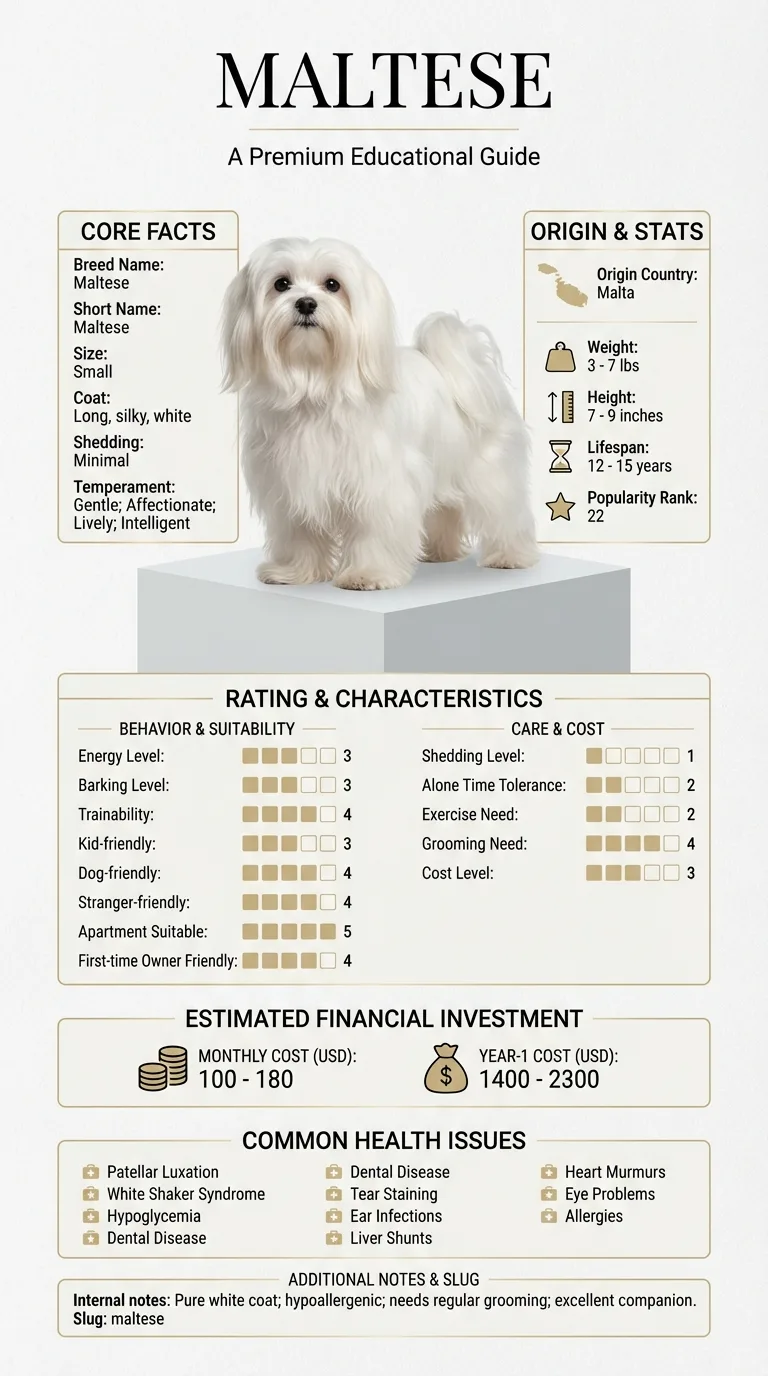
Typically, owners of Maltese dogs may struggle with ARVC, particularly those who are first-time pet parents or those who are unfamiliar with heart conditions in dogs. Recognizing the symptoms and knowing how to respond can make a big difference.
This guide is not medical advice. If your dog shows pain, sudden behavior change, or worsening symptoms, consult a licensed veterinarian.
Some links may be affiliate links. We may earn a commission at no extra cost to you. We only suggest products we believe are helpful for dog owners.
We research and check what we publish, but we do not warrant that any figure, date, price, or statement is accurate, complete, or current, and we accept no liability for any loss, cost, injury, or other harm arising from the use of this site. Use it as one reference among several. You remain responsible for your own decisions and for your dog's care - confirm anything that matters with a licensed veterinarian or another qualified professional before you act on it. Full disclaimer.
Check this first
Recognizing when Maltese arrhythmogenic right ventricular cardiomyopathy (ARVC) is an emergency can be a lifesaver. If your Maltese shows signs of severe distress, such as fainting, rapid breathing, or excessive lethargy, it's crucial to call your vet immediately. These symptoms can indicate a serious issue that requires urgent medical attention.
Milder symptoms like occasional coughing or slight changes in energy may not warrant immediate action. However, keep a close eye on your pup. If these symptoms persist for more than a day or worsen, consult your veterinarian to discuss your concerns and potential next steps.
Monitoring your Maltese's behavior is essential. If you notice signs like irregular heartbeats or unusual swelling in the abdomen, these could indicate a worsening condition. Always err on the side of caution—if you're unsure, it's better to call your vet and get professional advice.
If any of these apply, call your vet or an emergency clinic now. The rest of this page is for the cases that are not an emergency.
Maltese arrhythmogenic right ventricular cardiomyopathy (ARVC) is a heart rhythm disorder that affects the heart's ability to pump blood efficiently. This condition can lead to symptoms such as weakness, fainting, or even heart failure in severe cases. Owners may notice their Maltese becoming lethargic or having difficulty breathing, which can be alarming.
ARVC is relatively uncommon in Maltese dogs, but it can occur. Awareness is crucial, as early detection and management can improve outcomes. Regular veterinary check-ups are essential for monitoring heart health.
Maltese dogs may be more prone to arrhythmogenic right ventricular cardiomyopathy (ARVC) due to genetic factors. Their small size can also contribute to heart issues, making them susceptible to this condition.
Environmental stressors, such as lack of exercise or exposure to extreme temperatures, can exacerbate heart problems in Maltese dogs. Additionally, factors like obesity or improper diet can increase the risk of developing ARVC.
If you notice any unusual symptoms like coughing, lethargy, or difficulty breathing, it's important to consult your veterinarian. Regular check-ups can help catch potential heart issues early, especially in breeds like the Maltese.
Here are some common mistakes that can worsen your Maltese's arrhythmogenic right ventricular cardiomyopathy (ARVC) and safer alternatives to consider.
Start here: Maltese Most Common Genetic Disorders: What to Screen For
See all Maltese health problems, which breeds are prone to arrhythmogenic right ventricular cardiomyopathy arvc, or the full Maltese breed guide for temperament, exercise needs and ownership costs.
Managing Maltese arrhythmogenic right ventricular cardiomyopathy (ARVC) usually takes several weeks to months. You'll begin seeing improvements in your dog's behavior and health with consistent care and follow-up with your vet.
Success means your Maltese shows stable heart rhythms and improved energy levels. You'll notice less anxiety and a more relaxed demeanor during activities.
Maria, a first-time dog owner in California, noticed her Maltese Bella often seemed tired and anxious. After a vet visit, she learned Bella had arrhythmogenic right ventricular cardiomyopathy (ARVC). Maria began a training program focusing on calming techniques and regular vet check-ups. Over time, Bella became more energetic and less anxious, allowing them to enjoy walks and playtime again.
Key takeaway: With patience and professional guidance, you can help your Maltese manage ARVC and improve their quality of life.
Maltese arrhythmogenic right ventricular cardiomyopathy (ARVC) is a heart rhythm disorder that affects the heart's ability to pump blood effectively. This condition can lead to serious complications, including fainting and even sudden cardiac death.
Management of Maltese arrhythmogenic right ventricular cardiomyopathy (ARVC) often involves lifestyle changes, medication, and regular veterinary care. Keeping your Maltese calm and avoiding high-stress situations can also help maintain their heart health.
Common symptoms of ARVC in Maltese include lethargy, fainting, coughing, and exercise intolerance. If you notice these signs, it’s crucial to consult a veterinarian for an accurate diagnosis.
Treatment for Maltese arrhythmogenic right ventricular cardiomyopathy (ARVC) may include medications to regulate heart rhythm and lifestyle modifications. In some cases, surgery might be necessary, depending on the severity of the condition.
While training won't cure ARVC, it can help manage behavior and stress levels. Positive reinforcement training techniques can create a calm environment that benefits your Maltese's overall well-being.
The long-term outlook for Maltese with arrhythmogenic right ventricular cardiomyopathy (ARVC) varies based on the severity of the condition. With proper management and care, many dogs can live comfortably, but regular veterinary visits are essential.
Early signs of Maltese arrhythmogenic right ventricular cardiomyopathy (ARVC) can include lethargy, fainting, or unusual behaviors. If your Maltese seems more tired than usual or collapses during play, it’s crucial to consult a vet. Early detection can help manage the condition effectively.
Yes, medication can help manage Maltese arrhythmogenic right ventricular cardiomyopathy (ARVC). Your vet may prescribe anti-arrhythmic medications to help regulate your dog's heart rhythm. Regular follow-ups are essential to adjust dosages as needed.
While there’s no specific diet for Maltese arrhythmogenic right ventricular cardiomyopathy (ARVC), a balanced diet that supports heart health is recommended. Foods rich in omega-3 fatty acids and antioxidants can be beneficial. Always discuss dietary changes with your vet.
Age can influence the severity of Maltese arrhythmogenic right ventricular cardiomyopathy (ARVC). Older Maltese may experience more pronounced symptoms and complications. Regular vet check-ups are vital to monitor heart health as your dog ages.
If your Maltese shows signs of distress, such as difficulty breathing or severe lethargy, seek immediate veterinary care. Quick action can make a significant difference in managing Maltese arrhythmogenic right ventricular cardiomyopathy (ARVC). Always keep emergency contact information handy.
Regular vet check-ups, stress reduction, and a low-salt diet can help manage ARVC in Maltese dogs.
Avoid strenuous exercise and stressful situations, as these can exacerbate ARVC symptoms in your Maltese.
Consult your vet for dietary recommendations tailored to your Maltese's heart condition, focusing on low-sodium options.
It's best to schedule regular check-ups every 6 months or as recommended by your veterinarian to monitor your Maltese's heart condition.
Yes, ARVC can be hereditary, so it's important to inquire about a puppy's health history if you're considering getting a Maltese.
A one-page prep sheet for this condition: the signs, the questions to ask, what to get priced. Unlocks here.
You get: Vet visit prep sheet
No spam. One-click unsubscribe. See our privacy policy.
Preview page 1 before you decide.