Behavior
How to stop Labradoodle von willebrand's disease (vwd1)?
You can't stop vwd1, but you can manage it with regular vet check-ups and avoiding high-risk activities.
Labradoodle von Willebrand's disease (vwd1) is a genetic bleeding disorder that can cause serious health issues in your dog.
Owners of Labradoodles may face challenges if their dog is diagnosed with vwd1, including managing health risks and ensuring proper care. This is particularly concerning for families who enjoy active lifestyles or those who may not be aware of the genetic predispositions of their pet.
This guide is not medical advice. If your dog shows pain, sudden behavior change, or worsening symptoms, consult a licensed veterinarian.
Some links may be affiliate links. We may earn a commission at no extra cost to you. We only suggest products we believe are helpful for dog owners.
Labradoodle von Willebrand's disease (vWD1) is a genetic bleeding disorder that can greatly affect your dog's health. This condition means your Labradoodle may have trouble with blood clotting, which can lead to excessive bleeding from minor injuries or during surgery. Daily life with a dog affected by vWD1 requires extra care, as even a small cut can become a serious issue.
Von Willebrand's disease (vWD1) is relatively common among Labradoodles, especially if they have a family history of the condition. It’s important to be aware of this risk if you are considering adopting one of these lovable dogs.
Labradoodles can inherit von Willebrand's disease (vWD1) due to their genetics. This condition is common in certain breeds and results from a deficiency in a clotting protein. If your Labradoodle has a family history of this genetic bleeding disorder, they may be more likely to develop it.
While vWD1 is primarily genetic, certain environmental factors can worsen the situation. Stressful situations, injuries, or surgeries can lead to increased bleeding episodes. Additionally, a lack of proper nutrition can weaken your dog's overall health, potentially making symptoms more severe.
If your Labradoodle shows signs of anxiety or stress that you can't manage at home, consider consulting a dog trainer. A trainer can help you develop a structured training plan to address behavioral issues and improve your dog's comfort in various situations.
If you notice unusual bleeding, such as from the nose, gums, or if there's blood in their urine or stool, contact your vet immediately. Regular check-ups are essential for managing vWD1, especially if your Labradoodle shows any signs of lethargy or other health issues.
Managing Labradoodle von Willebrand's disease (vWD1) is a long-term commitment. You can expect to see improvements within a few weeks of starting a treatment plan, but ongoing management is necessary throughout your dog's life.
Success means keeping your Labradoodle healthy and active while minimizing symptoms. This includes regular vet check-ups, a tailored exercise routine, and following a proper diet to help manage the condition.
Avoiding common mistakes can help manage your Labradoodle's von Willebrand's disease (vWD1) effectively. Here are some pitfalls to watch out for.
Recognizing when Labradoodle von Willebrand's disease (vWD1) becomes an emergency is crucial. If your dog shows signs of excessive bleeding, such as prolonged bleeding from minor cuts, nosebleeds, or blood in urine, call your vet immediately. Other red flags include weakness, lethargy, or fainting, which can indicate severe internal bleeding.
In contrast, if your Labradoodle has vWD1 but is otherwise stable, you can monitor them. Mild bleeding that resolves quickly, occasional nosebleeds, or minor bruising can often be watched at home. Make sure to keep a close eye on their behavior and note any significant changes.
Always have a plan in place for emergencies. If your dog has vWD1, regular check-ups with your vet can help manage the condition. Being informed and prepared can make a big difference in your pet's health and safety.
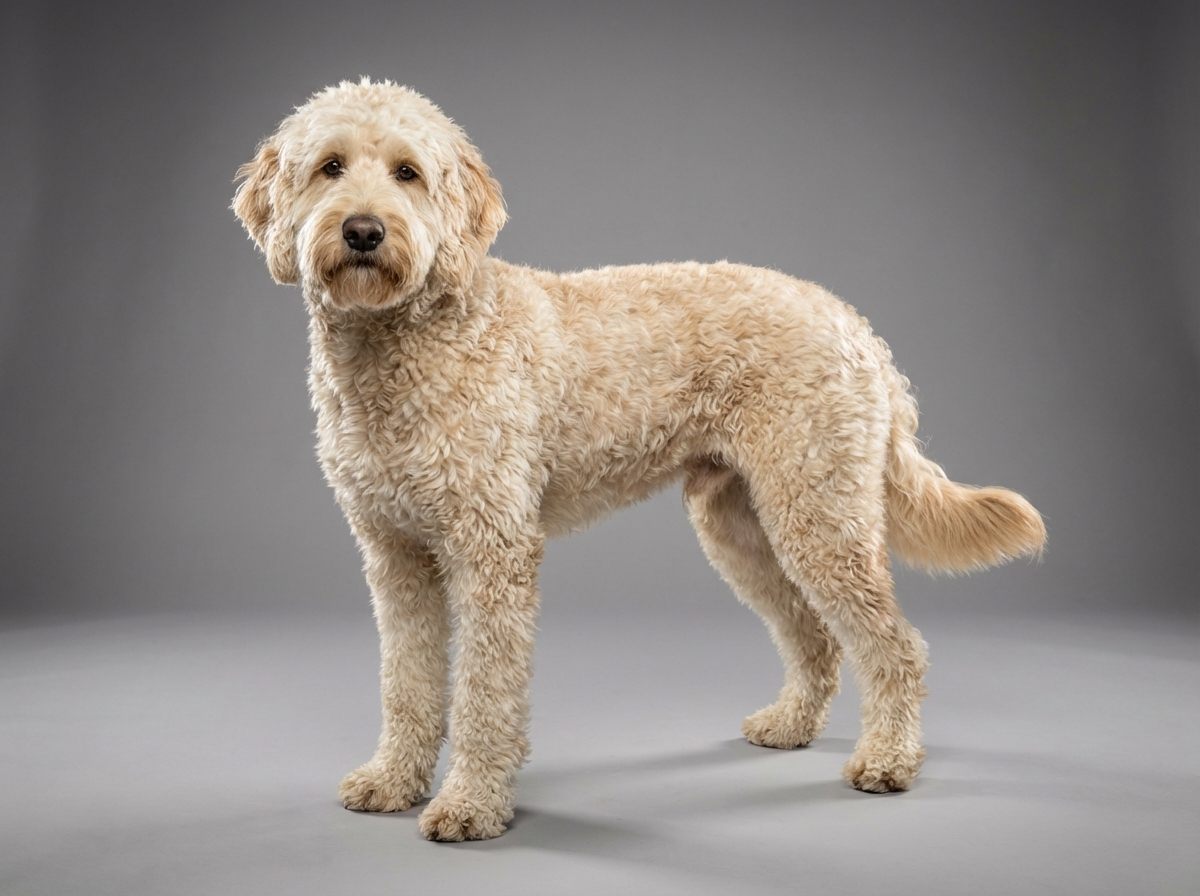
Sarah, a busy nurse in Atlanta, adopted Bella, her spirited Labradoodle. She quickly noticed Bella bruised easily and had prolonged bleeding from minor cuts. After a vet visit, Sarah learned Bella had von Willebrand's disease (vWD1). Determined to help Bella thrive, Sarah followed a strict treatment plan that included regular vet visits and a special diet. Over time, Bella's health improved, and Sarah learned how to adapt their activities to keep Bella safe and happy.
Key takeaway: With the right care and attention, managing your Labradoodle's vWD1 can lead to a fulfilling life. Regular vet check-ups and appropriate lifestyle adjustments are crucial for success.
Labradoodle von willebrand's disease (vwd1) is a genetic bleeding disorder that affects your dog's ability to clot blood. It can lead to excessive bleeding from minor injuries and is caused by a deficiency in a specific clotting factor.
Labradoodles can inherit von willebrand's disease (vwd1) from their parents since it is a genetic condition. If both parents are carriers of the gene, there is a chance their puppies will be affected.
Managing your Labradoodle's vwd1 typically involves regular veterinary check-ups and monitoring for any signs of bleeding. Depending on the severity, your vet may recommend specific treatments or lifestyle changes to minimize risks.
While there is no cure for vwd1, treatment focuses on managing symptoms. This may include avoiding certain medications that affect clotting and keeping your dog away from high-risk activities.
Signs of vwd1 in Labradoodles can include excessive bleeding from the nose, gums, or after surgery. You might also notice unusual bruising, which can indicate a problem with clotting.
Yes, von willebrand's disease (vwd1) is hereditary. It’s important to screen breeding dogs for the condition to prevent passing it on to offspring.
Signs of von Willebrand's disease (vWD1) in Labradoodles can include excessive bleeding from cuts or injuries, bleeding gums, and prolonged bleeding after surgery. If your Labradoodle shows any of these symptoms, it's vital to consult your veterinarian.
Diagnosis of von Willebrand's disease (vWD1) typically involves blood tests to assess clotting ability. Your vet may also consider your Labradoodle's medical history and any symptoms before recommending specific tests.
Yes, Labradoodles with von Willebrand's disease (vWD1) can live normal lives, but they may need special care. It's important to avoid situations that could lead to injury and to keep regular vet check-ups to monitor their health.
If your Labradoodle is diagnosed with von Willebrand's disease (vWD1), follow your vet's recommendations closely. They may suggest avoiding strenuous activities and provide you with tips on managing their condition.
Training a Labradoodle with von Willebrand's disease (vWD1) should focus on gentle techniques and positive reinforcement. Keep training sessions short and avoid high-impact activities that could lead to injuries.
You can't stop vwd1, but you can manage it with regular vet check-ups and avoiding high-risk activities.
If your Labradoodle has a bleeding episode, apply gentle pressure to the area and contact your vet immediately for guidance.
When training a Labradoodle with vwd1, avoid overly strenuous activities that could lead to injury, and focus on gentle obedience training.