Behavior
What are Labradoodle heat sensitivity & hyperthermia quick tips?
Always provide shade and water during outdoor activities. Limit exercise during peak heat hours, and watch for signs of overheating.
Labradoodles are adorable and energetic, but they can struggle with heat sensitivity and hyperthermia. Knowing how to manage this issue is crucial for their health. (Labradoodle heat sensitivity & hyperthermia)
Typical owners are those who live in warmer climates or are active outdoors with their Labradoodles. Busy families or first-time dog owners might find it challenging to recognize when their pet is overheating.
This guide is not medical advice. If your dog shows pain, sudden behavior change, or worsening symptoms, consult a licensed veterinarian.
Some links may be affiliate links. We may earn a commission at no extra cost to you. We only suggest products we believe are helpful for dog owners.
Labradoodle heat sensitivity and hyperthermia can be concerning for owners, especially during hot weather. This problem manifests as excessive panting, drooling, or lethargy in your pet. If not addressed, it can lead to more severe health issues, including heatstroke.
Labradoodles are particularly susceptible to heat sensitivity, with a 533% higher risk of heat-related issues compared to other breeds. This means many Labradoodle owners will likely encounter this problem at some point.
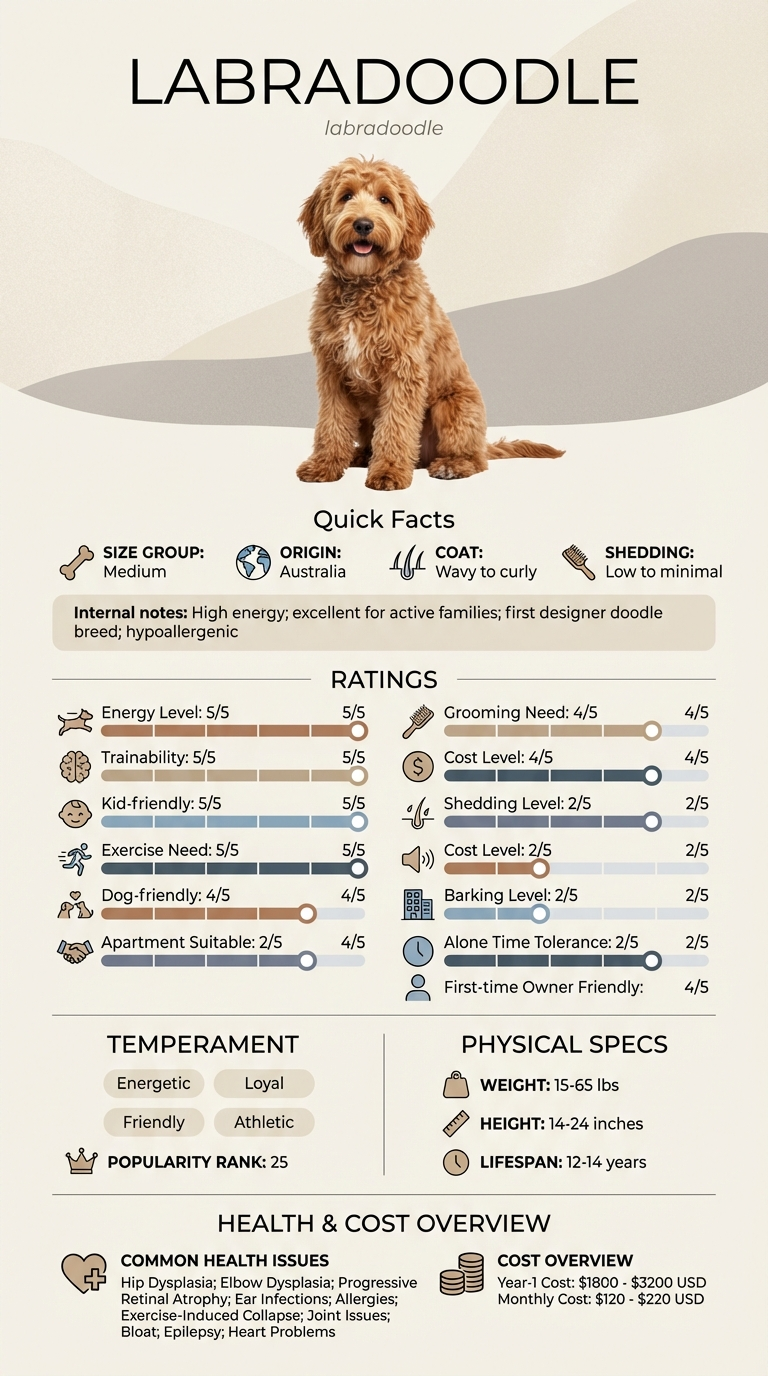
Labradoodles are medium-sized dogs with a wavy to curly coat that can sometimes trap heat. Their energetic nature means they love to run and play, but this can lead to overheating, especially on hot days. Additionally, their body structure may make them more prone to heat sensitivity compared to other breeds.
Environmental factors play a significant role in heat sensitivity. High temperatures, humidity, and lack of shade can increase the risk of hyperthermia. If your Labradoodle is left in a hot car or outside without adequate water and shelter, they can quickly become overheated.
If your Labradoodle shows anxiety or resistance to staying cool, consider working with a trainer. They can help with behavior modification strategies to keep your dog calm and comfortable in heat.
If you suspect your Labradoodle is experiencing heatstroke or shows severe symptoms like vomiting, confusion, or unresponsiveness, contact your vet immediately. Regular check-ups can also help monitor any underlying health issues that may contribute to heat sensitivity.
You can expect to see improvements in your Labradoodle's heat sensitivity within a few weeks of adjusting their routine and environment. Consistent training and monitoring can take several months for lasting changes.
Success means your Labradoodle can enjoy outdoor activities without showing signs of distress or overheating. You'll notice they can play outside comfortably during warmer temperatures and respond well to your cues for breaks and hydration.
Avoiding these common mistakes can help manage your Labradoodle's heat sensitivity and reduce the risk of hyperthermia.
Understanding when Labradoodle heat sensitivity and hyperthermia becomes an emergency is crucial for your dog's safety. There are specific red flags to watch for that require immediate veterinary attention. If your Labradoodle shows signs of extreme panting, rapid heartbeat, excessive drooling, or confusion, you should call your vet right away. These symptoms indicate that your dog may be suffering from heatstroke, which can be life-threatening without prompt treatment.
On the other hand, if your Labradoodle displays mild signs of heat sensitivity, like slight lethargy or reluctance to exercise, you can monitor them closely at home. Ensure they have access to fresh water and a cool place to rest. If symptoms persist or worsen, it's best to consult your veterinarian. Keeping a close eye on your dog during hot weather is essential, but knowing when to act fast can save their life.
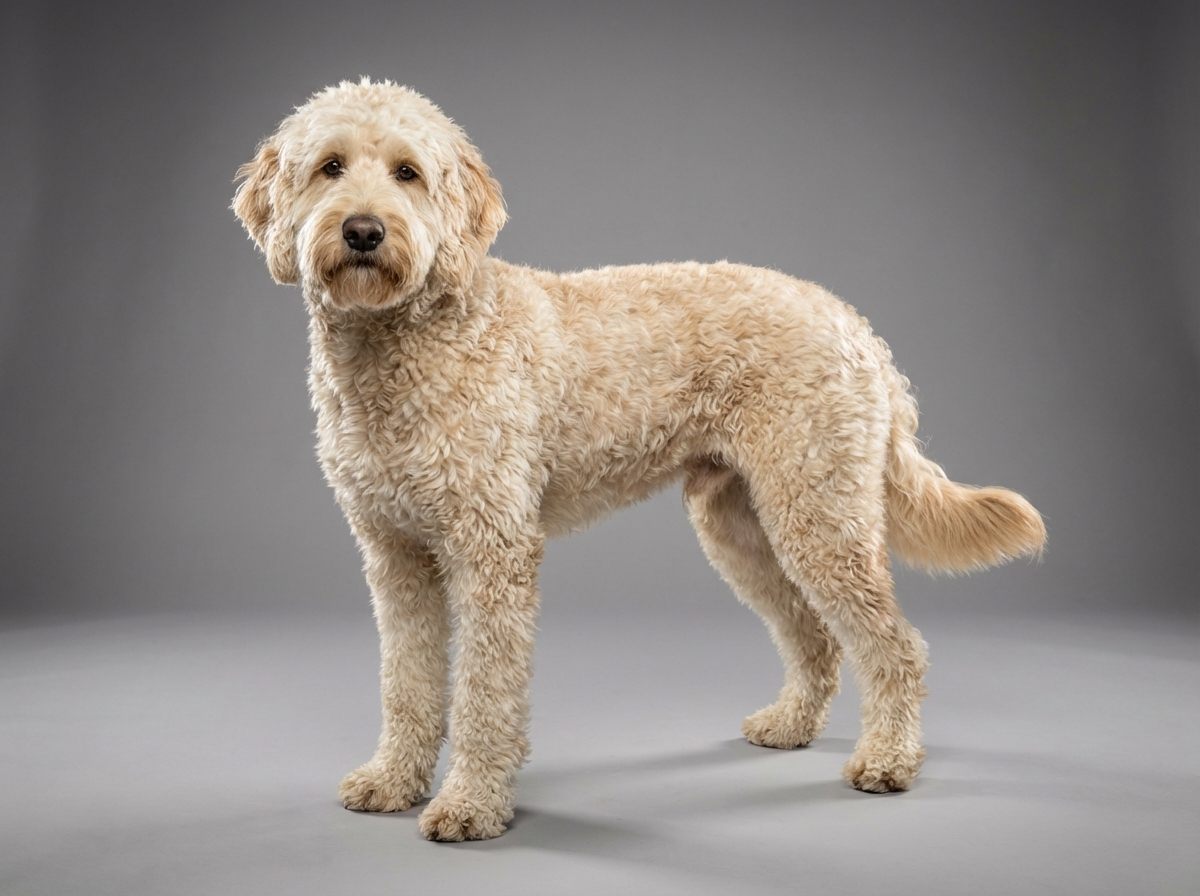
Jessica, a busy nurse living in a hot climate, struggled with her Labradoodle, Max, who had severe heat sensitivity. After a few scary episodes of overheating, she decided to make changes. She created a schedule for walks during cooler times, invested in a cooling vest, and taught Max to take regular breaks in the shade. With patience and consistency, Max learned to enjoy outdoor play without overheating, even during the summer months.
Key takeaway: Understanding and adjusting your dog's routine can significantly reduce heat sensitivity. Small changes can lead to big improvements in their comfort and health.
Labradoodles are particularly vulnerable to heat sensitivity and hyperthermia due to their coat type and energy levels. Their wavy to curly fur can trap heat, making it hard for them to cool down. Additionally, their high activity needs can lead to overheating if not managed properly. This answer relates to Labradoodle heat sensitivity & hyperthermia.
To prevent overheating, always provide plenty of fresh water and shade while exercising your Labradoodle. Limit outdoor activities during the hottest parts of the day, and consider using cooling mats or vests. Regularly check your dog for signs of distress, like excessive panting or lethargy.
Signs of hyperthermia include heavy panting, drooling, weakness, and confusion. If your Labradoodle's gums turn bright red or blue, it’s a medical emergency. Take immediate action to cool them down and contact your vet.
Training can help your Labradoodle learn to recognize when they’re getting too hot. Teach them commands like 'cool down' to encourage resting in the shade. Early socialization can also help them adapt to different environments, reducing stress during hot weather.
Regular grooming helps keep your Labradoodle's coat healthy and can reduce heat sensitivity. Consider professional grooming to maintain a manageable coat length during summer. This allows for better air circulation and helps them regulate their body temperature.
Signs of heat sensitivity and hyperthermia in Labradoodles include excessive panting, drooling, weakness, and confusion. You might also notice a rapid heartbeat and difficulty breathing. If you see these symptoms, it's crucial to cool your dog down immediately and consult a vet.
Older Labradoodles may struggle more with heat sensitivity due to age-related health issues. Providing plenty of shade, fresh water, and avoiding outdoor activities during the hottest parts of the day can help. Additionally, consider consulting your vet for specific advice tailored to your dog's health.
Yes, Labradoodle puppies can experience heat sensitivity. Their bodies are still developing, making them more vulnerable to heat. Always monitor their activity levels in warm weather and ensure they have access to cool, shaded areas.
If your Labradoodle shows signs of overheating, move them to a cool, shaded area immediately. Offer fresh water and use a wet cloth to cool them down. If symptoms persist or worsen, contact your veterinarian without delay.
Yes, some breeds, including Labradoodles, are more prone to heat sensitivity due to their size, coat type, and health conditions. It's important to be aware of your dog's specific needs and risks in hot weather to keep them safe.
Always provide shade and water during outdoor activities. Limit exercise during peak heat hours, and watch for signs of overheating.
You might spend around $120 to $220 monthly on grooming and cooling products to manage heat sensitivity effectively.
Labradoodles can face joint issues and exercise-induced collapse, which may worsen with heat exposure. Always consult your vet for tailored advice.
It's best to avoid walks in extreme heat. Opt for early morning or late evening strolls when temperatures are cooler.