Behavior
What are Havanese von Willebrand's disease (vwd1) quick tips?
Keep your Havanese calm to minimize bleeding risks and avoid rough play. Schedule regular vet check-ups to monitor their health and discuss any concerns.
Havanese von Willebrand's disease (vwd1) is a genetic bleeding disorder that can affect your dog's health and wellbeing. It's crucial for owners to recognize the signs and manage this condition effectively.
First-time dog owners and families with Havanese puppies often find themselves puzzled by vwd1. Those who are unaware of this genetic condition may face unexpected health challenges with their pets.
This guide is not medical advice. If your dog shows pain, sudden behavior change, or worsening symptoms, consult a licensed veterinarian.
Some links may be affiliate links. We may earn a commission at no extra cost to you. We only suggest products we believe are helpful for dog owners.
Havanese von Willebrand's disease (vWD1) is a genetic bleeding disorder that affects blood clotting. Dogs with this condition may experience excessive bleeding from minor cuts, and they might bruise easily. Daily life for an affected Havanese can be challenging, as even routine activities may lead to unexpected bleeding incidents.
Von Willebrand's disease (vWD1) is relatively common among Havanese, particularly due to their genetic predisposition. It's estimated that 30% of Havanese may carry the gene for this condition, making awareness and early diagnosis crucial for managing their health.
Havanese von Willebrand's disease (vWD1) is a genetic bleeding disorder. It results from a deficiency in a specific clotting protein called von Willebrand factor. This condition is hereditary, meaning it can be passed down from parent to puppy.
Environmental factors can also influence the severity of vWD1 symptoms. Stressful situations, such as traumatic injuries or certain medications, may exacerbate the bleeding tendencies. Additionally, a lack of regular veterinary care can lead to undiagnosed issues that worsen the condition.
Consider seeking a trainer if your Havanese displays anxiety or behavioral issues related to their condition. A professional can provide strategies to help them feel more secure, especially if they struggle with separation anxiety.
Talk to your vet if you notice signs of excessive bleeding or bruising. If your Havanese seems lethargic, has swollen joints, or experiences frequent nosebleeds, it's essential to get them evaluated for possible complications related to vWD1.
Managing Havanese von Willebrand's disease (vWD1) can take several weeks to months. Regular vet visits for monitoring and adjustments in care are essential.
Success means your Havanese has stable health, showing fewer bleeding episodes and a good quality of life. You'll feel confident in managing their condition with the right training and support.
Avoid these common mistakes when dealing with Havanese von Willebrand's disease (vWD1) to help your pup lead a healthier life.
Recognizing when your Havanese's von Willebrand's disease (vWD1) is urgent can be crucial for their health. If your dog shows severe symptoms, it’s time to call your vet immediately. This includes signs like excessive bleeding from minor cuts, unexplained bruising, or bleeding from the nose, mouth, or rectum. If your pet collapses or seems lethargic, don’t wait—seek veterinary care right away.
On the other hand, mild cases of vWD1 can often be monitored at home. If your Havanese has slight bleeding that stops quickly or shows no signs of distress, you can observe them closely. Keeping track of their activity and any minor bleeding incidents can help you and your vet determine the best course of action. Regular check-ups and blood tests can also provide valuable insights into their condition.
In summary, act fast if you notice severe bleeding or lethargy. If symptoms are mild, create a watchful plan and consult your vet for guidance. Regular monitoring and open communication with your veterinarian are key to managing your Havanese’s health effectively.
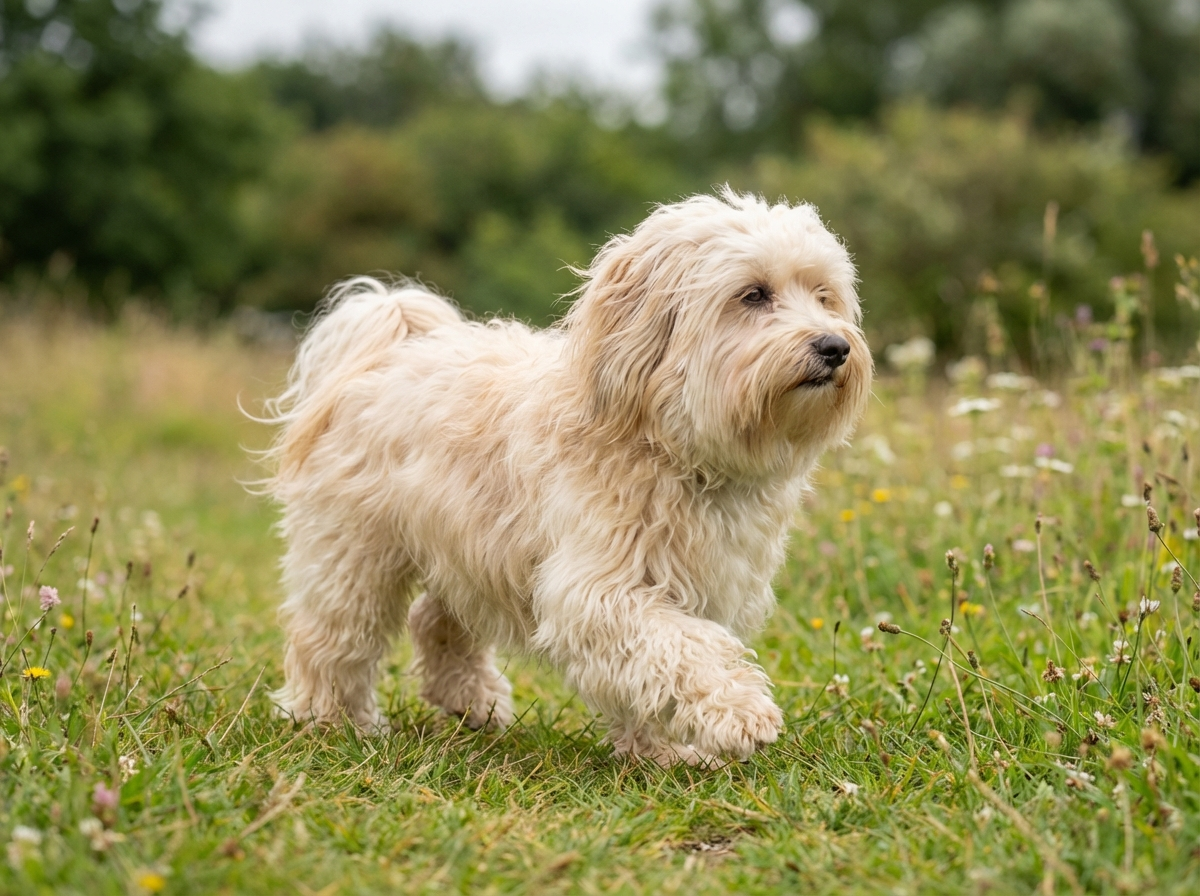
When Sarah adopted Bella, her Havanese puppy, she had no idea about von Willebrand's disease (vWD1). After noticing excessive bleeding from minor scrapes, a vet confirmed Bella's condition. Sarah felt overwhelmed but committed to learning how to help Bella live a happy life. With the vet's guidance, she adjusted Bella's diet, scheduled regular check-ups, and implemented training to minimize risks during playtime. Over time, Bella thrived with minimal issues, and Sarah's confidence grew.
Key takeaway: Understanding and managing Havanese von Willebrand's disease (vWD1) can be challenging, but with the right support and care, your dog can lead a fulfilling life.
Havanese von Willebrand's disease (vwd1) is a genetic bleeding disorder caused by a deficiency in a clotting protein. This condition is inherited and can occur if both parents carry the gene. Regular check-ups with your vet can help you monitor your dog's health.
Managing Havanese von Willebrand's disease (vwd1) involves regular veterinary care and monitoring. Keep your dog calm and avoid activities that may cause injury, as bleeding can be a serious issue. Your vet may recommend specific treatments or precautions based on your dog's condition.
Symptoms of von Willebrand's disease (vwd1) in Havanese may include excessive bleeding from minor injuries, prolonged bleeding after surgery, or spontaneous bleeding. If you notice any unusual bleeding, consult your veterinarian immediately for guidance.
While Havanese von Willebrand's disease (vwd1) cannot be cured, it can be managed with proper care. Your vet may suggest treatments such as clotting factor replacements or medications to help manage the symptoms. Regular vet visits are essential for monitoring.
Yes, von Willebrand's disease (vwd1) is relatively common in Havanese. This breed is genetically predisposed to this bleeding disorder. Responsible breeding practices can help reduce the occurrence of this condition in future generations.
While there is no cure for Havanese von Willebrand's disease (vWD1), treatments can help manage the condition. Your vet may recommend specific medications or lifestyle changes to reduce bleeding risks and improve your dog's quality of life.
Common symptoms include excessive bleeding from minor cuts, nosebleeds, or prolonged bleeding after surgery. If you notice any unusual bleeding, it's essential to consult your veterinarian for an accurate diagnosis.
Yes, Havanese von Willebrand's disease (vWD1) is a genetic disorder passed down from parent dogs. If you're considering breeding, it's crucial to screen for this condition to prevent passing it on to future puppies.
Support your Havanese by providing a low-stress environment and avoiding activities that could cause injury. Regular vet check-ups and a well-balanced diet can also help manage their health effectively.
If you notice any symptoms such as unusual bleeding or if your Havanese has a history of bleeding issues, it's essential to consult your veterinarian. Early intervention can help manage the condition more effectively.
Keep your Havanese calm to minimize bleeding risks and avoid rough play. Schedule regular vet check-ups to monitor their health and discuss any concerns.
To stop bleeding, apply gentle pressure to the wound and keep your dog calm. If bleeding persists, seek immediate veterinary care.
Training your Havanese should focus on calm behaviors and avoiding high-energy activities that could lead to injuries. Positive reinforcement works best.
Havanese with von Willebrand's disease (vwd1) may incur additional veterinary costs for monitoring and treatment. Budget for regular check-ups and possible medications.