Behavior
What are some quick tips for managing Havanese elbow dysplasia?
Focus on maintaining a healthy weight, provide joint supplements, and limit high-impact activities. Regular vet visits are essential to monitor their condition.

Quick answer
What are some quick tips for managing Havanese elbow dysplasia?
Focus on maintaining a healthy weight, provide joint supplements, and limit high-impact activities. Regular vet visits are essential to monitor their condition.
Havanese elbow dysplasia is a serious joint issue that can affect your dog's quality of life.
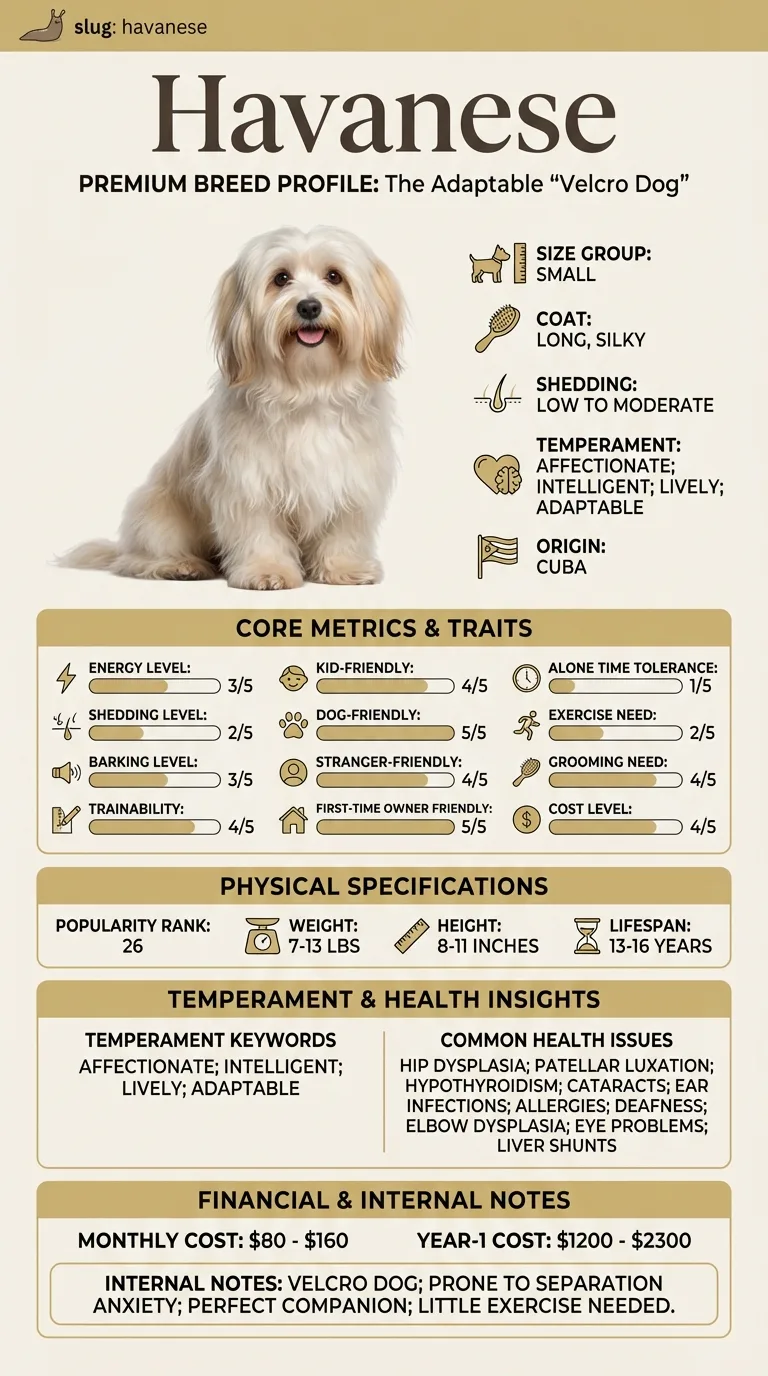
Owners of Havanese dogs, especially those who are first-time pet parents, may find themselves facing this issue. Those living in apartments or with limited exercise options might struggle even more, as mobility issues can make it challenging for their furry friends to get the activity they need.
This guide is not medical advice. If your dog shows pain, sudden behavior change, or worsening symptoms, consult a licensed veterinarian.
Some links may be affiliate links. We may earn a commission at no extra cost to you. We only suggest products we believe are helpful for dog owners.
We research and check what we publish, but we do not warrant that any figure, date, price, or statement is accurate, complete, or current, and we accept no liability for any loss, cost, injury, or other harm arising from the use of this site. Use it as one reference among several. You remain responsible for your own decisions and for your dog's care - confirm anything that matters with a licensed veterinarian or another qualified professional before you act on it. Full disclaimer.
Check this first
Recognizing when your Havanese's elbow dysplasia requires immediate attention can save your dog from further harm. Here are the signs that indicate an emergency and those that can be monitored at home.
Call Your Vet Immediately If: - Your Havanese shows severe pain, such as crying out when moving. - There's noticeable swelling or deformity in the elbow. - Your dog cannot put weight on the affected leg. - You see any signs of a fever, which might indicate infection.
These symptoms can lead to serious complications if not addressed promptly. If your dog is experiencing any of these issues, don't wait—get veterinary help right away.
Monitor and Wait If: - Your Havanese has mild limping that doesn’t seem to worsen. - There’s slight discomfort that doesn’t prevent normal activity. - You notice occasional stiffness but no significant swelling or pain.
In these cases, keep a close eye on your dog and consider adjusting their activity levels. If symptoms persist or worsen, consult your vet for further guidance. Always trust your instincts; if you're unsure, it’s better to err on the side of caution.
If any of these apply, call your vet or an emergency clinic now. The rest of this page is for the cases that are not an emergency.
Havanese elbow dysplasia is a common joint issue that affects the elbow's structure, causing pain and mobility problems. This condition typically manifests as reluctance to play, limping, or difficulty getting up from a resting position. If you notice your Havanese struggling with these activities, it may be a sign of elbow dysplasia.
Elbow dysplasia is relatively common in the Havanese breed compared to other small breeds, affecting an estimated 10-15% of Havanese dogs. This highlights the importance of early detection and proper training to help manage the condition.
Havanese dogs can be prone to elbow dysplasia due to their genetic background. This small breed may inherit joint issues from their ancestors, leading to malformations in the elbow joint. If elbow dysplasia runs in their lineage, the risk of this condition increases significantly.
Environmental factors can also contribute to Havanese elbow dysplasia. Obesity can stress the joints, making them more susceptible to dysplasia. Additionally, improper exercise or rough play during their growth phase can exacerbate joint problems.
If you notice persistent limping, swelling, or signs of pain in your Havanese, it's essential to talk to your vet. They can provide a proper diagnosis and discuss treatment options, which may include medication or physical therapy.
Avoiding certain common mistakes can help manage your Havanese's elbow dysplasia more effectively. Here are some behaviors to steer clear of.
Start here: Havanese Most Common Genetic Disorders: What to Screen For
See all Havanese health problems, which breeds are prone to elbow dysplasia, or the full Havanese breed guide for temperament, exercise needs and ownership costs.
Improvement can typically be seen within 3 to 6 months of consistent care adjustments and follow-up with your vet.
Success looks like your Havanese showing reduced pain and increased mobility, allowing them to engage more freely in activities they enjoy.
Maggie, a first-time dog owner in San Diego, noticed her Havanese, Coco, limping after playtime. Concerned, she visited the vet, who diagnosed Coco with elbow dysplasia. Maggie learned about how to stop Havanese elbow dysplasia through a mix of gentle exercise, weight management, and training techniques. Over the next few months, she adjusted Coco's activities and incorporated specific training routines to strengthen her joints. With patience and commitment, Coco gradually regained her energy and joy for play.
Key takeaway: With the right approach and support, managing Havanese elbow dysplasia is possible, leading to a happier and healthier dog.
Signs of Havanese elbow dysplasia include limping, difficulty in using the affected leg, and reluctance to engage in physical activities. You might also notice swelling around the elbow joint or changes in their gait. If you observe these symptoms, it's best to consult your vet for an accurate diagnosis.
To manage Havanese elbow dysplasia, ensure your dog maintains a healthy weight and receives low-impact exercise. Regular vet check-ups and possibly physical therapy can help prolong mobility.
Treatment for Havanese elbow dysplasia may include pain management medications, joint supplements, and in some cases, surgery. Discuss the best options with your vet based on your dog's specific condition.
Elbow dysplasia can lead to pain and limited mobility, affecting your Havanese's ability to enjoy play and exercise. Being mindful of their activity levels and providing a comfortable resting area can help.
Yes, Havanese elbow dysplasia can be hereditary. Responsible breeding practices can help reduce the risk of passing this condition to future puppies.
Yes, Havanese elbow dysplasia can sometimes be managed without surgery through physical therapy, weight management, and pain relief medications. Your vet may recommend specific exercises or therapies to help improve your dog's condition. However, severe cases may still require surgical intervention.
Elbow dysplasia can have a genetic component, making it more common in certain breeds, including Havanese. Responsible breeding practices can help reduce the incidence of this condition. If you're considering getting a Havanese, choose a breeder who tests for genetic health issues.
If your older Havanese displays signs of elbow dysplasia, schedule a visit with your vet as soon as possible. They can perform diagnostic tests to determine the severity and suggest appropriate treatment options. Early intervention can help manage pain and improve your dog's quality of life.
To help prevent elbow dysplasia in your Havanese puppy, focus on maintaining a healthy weight and avoiding excessive exercise during their growth phase. Providing a balanced diet and regular vet check-ups are also essential for monitoring their joint health. Early socialization and training can help ensure they develop properly and stay active.
Focus on maintaining a healthy weight, provide joint supplements, and limit high-impact activities. Regular vet visits are essential to monitor their condition.
Not always. Many Havanese can manage elbow dysplasia with medication and lifestyle adjustments, but surgery might be needed in severe cases.
Engage in low-impact activities like gentle walks or swimming. Avoid strenuous exercises that might worsen their condition.
Talk about pain management options, dietary adjustments, and whether physical therapy could benefit your dog.
A one-page prep sheet for this condition: the signs, the questions to ask, what to get priced. Unlocks here.
You get: Vet visit prep sheet
No spam. One-click unsubscribe. See our privacy policy.
Preview page 1 before you decide.