DogBreedCompass
← Back to breed profile

Understanding Havanese Dilated Cardiomyopathy (DCM)

Havanese dilated cardiomyopathy (DCM) is a serious heart condition that can affect your dog’s health and longevity. Recognizing this issue early is crucial for effective management.

Understanding Havanese Dilated Cardiomyopathy (DCM) infographic

Owners of Havanese dogs, especially those who may not be familiar with this breed's unique health challenges, often face the stress of managing DCM. First-time dog parents or those with busy lifestyles may find it particularly challenging to recognize the symptoms and provide necessary care.

Important reminder

This guide is not medical advice. If your dog shows pain, sudden behavior change, or worsening symptoms, consult a licensed veterinarian.

Some links may be affiliate links. We may earn a commission at no extra cost to you. We only suggest products we believe are helpful for dog owners.

What this problem looks like

Havanese dilated cardiomyopathy (DCM) is a serious heart condition that affects many Havanese dogs. It can cause fatigue, coughing, and difficulty breathing. Unfortunately, DCM can lead to sudden cardiac death, making it a critical issue for owners to be aware of.

Common triggers

  • Genetics, as DCM is often inherited in Havanese dogs.
  • Obesity, which can strain the heart and exacerbate symptoms.
  • Lack of regular exercise, leading to overall health decline.

Dilated cardiomyopathy is one of the most common cardiac diseases in the Havanese breed. While not every Havanese will develop DCM, it is important for owners to monitor their dog's health closely.

Why this happens

Breed factors

Havanese are prone to dilated cardiomyopathy (DCM) due to genetic factors. This breed has a history of heart issues, making them more vulnerable to this condition. If your Havanese is diagnosed with DCM, it's essential to monitor their health closely.

Environment factors

Environmental factors can also play a role in DCM. Stress, poor diet, and lack of exercise may exacerbate heart problems. A stable and healthy environment can help mitigate some risks associated with this condition.

What you can try

At-home strategies

  • Maintain a balanced diet: Feed your Havanese high-quality dog food. Look for options that are rich in omega-3 fatty acids and low in fillers.
  • Regular exercise: Ensure your dog gets moderate exercise daily. Short walks or play sessions can keep their heart healthy without overexerting them.
  • Monitor weight: Keep an eye on your Havanese's weight. Obesity can worsen heart problems, so adjust their diet and activity levels as needed.
  • Stress reduction: Create a calm environment for your Havanese. Use calming music or toys to help reduce anxiety and stress.

When to consider a trainer

If your Havanese shows signs of anxiety or behavioral issues related to DCM, consider hiring a trainer. A professional can help implement training strategies to manage stress and promote a healthy lifestyle.

When to talk to your vet

Consult your vet if you notice symptoms like coughing, fatigue, or difficulty breathing. Regular check-ups are crucial for monitoring heart health, especially for breeds prone to DCM.

Realistic expectations

Managing Havanese dilated cardiomyopathy (DCM) typically takes several weeks to months of consistent care and veterinary oversight. Regular vet visits and monitoring will be essential.

Success means stable heart health for your Havanese, improved quality of life, and a proactive approach to managing symptoms and any stressors.

Mistakes that make this worse

Avoiding common pitfalls can help improve your Havanese's condition. Here are some mistakes to watch out for, along with safer alternatives.

  • Ignoring symptoms: Not recognizing early signs of DCM can lead to serious health risks. Stay alert for lethargy, coughing, or difficulty breathing.
  • Neglecting vet visits: Skipping regular check-ups can delay diagnosis and treatment. Schedule routine vet appointments to monitor your Havanese's heart health.
  • Inconsistent medication: Missing doses or stopping medication without consulting a vet can worsen the condition. Always follow your vet's dosing schedule strictly.
  • Overexerting your dog: Pushing your Havanese too hard during exercise can strain their heart. Opt for shorter, gentle walks instead of intense play sessions.
  • Feeding low-quality food: Cheap dog food may lack nutrients that support heart health. Choose high-quality, vet-recommended food for better overall wellbeing.
  • Avoiding training: Failing to train your Havanese can lead to anxiety, worsening their condition. Utilize positive reinforcement training techniques to build confidence.
  • Neglecting stress management: High-stress environments can aggravate DCM. Create a calm home atmosphere and consider calming aids if needed.

When Havanese Dilated Cardiomyopathy (DCM) is an Emergency

Recognizing when Havanese dilated cardiomyopathy (DCM) is an emergency can save your dog's life. Certain signs indicate that immediate veterinary attention is necessary. If your Havanese exhibits severe symptoms like difficulty breathing, fainting, or a rapid heart rate, you should call your vet immediately. These symptoms can signify a critical stage of DCM, where prompt action is crucial.

On the other hand, if your Havanese shows mild symptoms such as occasional coughing or lethargy, it may be safe to monitor the situation. Keep track of your dog's behavior and schedule a vet appointment for a thorough check-up. A plan to manage their condition can often help prevent worsening symptoms.

Keep in mind that even mild symptoms should not be ignored. Regular vet visits and open communication can provide peace of mind and ensure your Havanese receives the best care possible.

Understanding Havanese Dilated Cardiomyopathy (DCM) - When Havanese Dilated Cardiomyopathy (DCM) is an Emergency

Patty's Journey with Max's DCM

Patty, a first-time dog owner, adopted Max, a lively Havanese, who was later diagnosed with dilated cardiomyopathy (DCM). Initially overwhelmed, she learned how to manage his condition by following her vet's advice, adjusting his diet, and incorporating gentle exercise into their routine. With patience and care, Max became more stable and enjoyed his playful nature again, while Patty felt empowered with her knowledge about DCM.

Key takeaway: Understanding your dog's health condition and working closely with a vet can lead to better management and a happier life for both you and your pet.

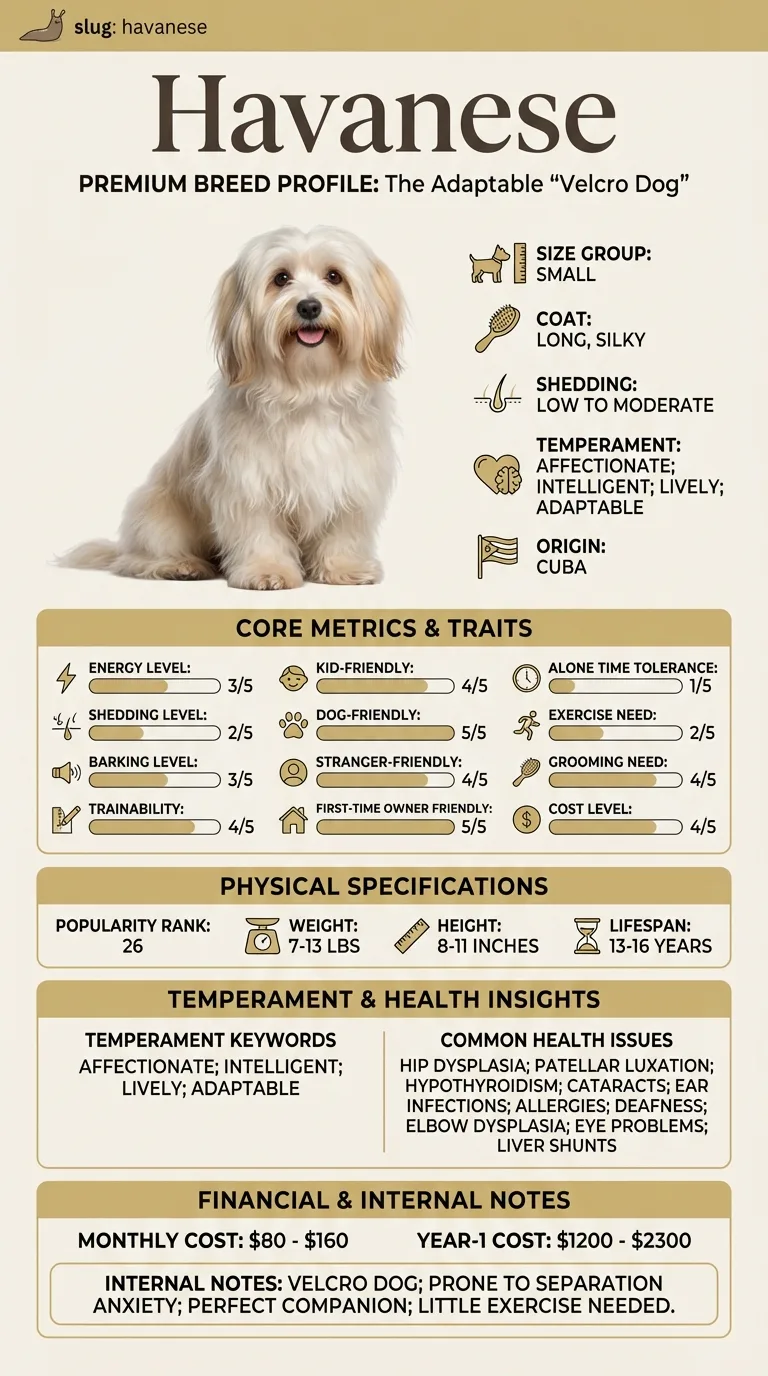
Frequently asked questions

What is Havanese dilated cardiomyopathy (DCM)?

Havanese dilated cardiomyopathy (DCM) is a serious heart condition affecting the breed. It leads to a weakened heart muscle, which can result in heart failure or sudden cardiac death. Early detection is crucial to manage the condition effectively.

Why does my Havanese have dilated cardiomyopathy (DCM)?

Havanese are genetically predisposed to dilated cardiomyopathy (DCM), which means it can occur without any clear external triggers. Factors like age and genetics play a significant role in its development, so regular veterinary check-ups are essential.

How can I stop Havanese dilated cardiomyopathy (DCM) from worsening?

To manage Havanese dilated cardiomyopathy (DCM), regular veterinary visits are essential for monitoring heart health. Maintaining a healthy diet, managing stress, and providing appropriate exercise can also help. Medications may be necessary, so always consult your vet for the best plan.

How is Havanese dilated cardiomyopathy (DCM) diagnosed?

Diagnosis of Havanese dilated cardiomyopathy (DCM) typically involves a physical exam, blood tests, and imaging tests like echocardiograms. A vet will look for signs of heart enlargement and reduced heart function. Early diagnosis can improve outcomes.

What treatments are available for Havanese dilated cardiomyopathy (DCM)?

Treatment for Havanese dilated cardiomyopathy (DCM) may include medications to strengthen the heart and manage symptoms. Lifestyle changes, such as reduced stress and a balanced diet, can also help. Always follow your veterinarian's advice for medication and care.

Can Havanese with DCM live a normal life?

Havanese with dilated cardiomyopathy (DCM) can live a fulfilling life with proper management. Regular vet check-ups, a healthy lifestyle, and appropriate medications can help them remain comfortable. It's essential to monitor their condition closely.

What are the early signs of Havanese dilated cardiomyopathy (DCM)?

Early signs of Havanese dilated cardiomyopathy (DCM) can include lethargy, decreased exercise tolerance, and a persistent cough. If you notice these symptoms, it's important to consult a vet for an evaluation.

Can Havanese with DCM live a normal life?

Yes, many Havanese with DCM can live a normal life with proper management. Regular vet check-ups, medication, and a healthy diet can help maintain their quality of life.

How can I help my Havanese with DCM feel more comfortable?

To help your Havanese with DCM feel more comfortable, create a calm environment and limit stress. Gentle exercise and a consistent routine can also be beneficial for their well-being.

Is DCM hereditary in Havanese dogs?

Yes, Havanese dilated cardiomyopathy (DCM) is often hereditary. Responsible breeding practices can help reduce the risk of this condition in future generations.

When should I see a vet for my Havanese suspected of DCM?

If your Havanese shows signs of lethargy, coughing, or difficulty breathing, it's crucial to see a vet promptly. Early diagnosis can significantly improve management and outcomes for DCM.

Quick answers

View more answers
Health

What are quick tips for managing Havanese dilated cardiomyopathy (DCM)?

For managing Havanese dilated cardiomyopathy (DCM), keep regular vet appointments, maintain a balanced diet, and limit strenuous exercise. Monitor your dog's behavior for any signs of distress and adjust their routine as needed.

Health

What should I watch for in my Havanese with DCM?

Watch for symptoms like coughing, lethargy, or difficulty breathing in your Havanese. These could indicate that their condition is worsening. If you notice any of these signs, consult your vet immediately.

Health

How often should my Havanese with DCM see the vet?

Havanese with dilated cardiomyopathy (DCM) should see the vet at least every six months, or as recommended by your vet. Regular check-ups help manage the condition and adjust treatments as necessary.

Related DogBreedCompass guides

  • Why does my Havanese have dilated cardiomyopathy (dcm)Understanding the root cause of DCM can help in managing your dog's health.
  • Havanese dilated cardiomyopathy (dcm) trainingLearn effective training techniques tailored for Havanese to help with anxiety and other issues.
  • Havanese behavior problemsAddressing behavior issues can alleviate stress and improve your dog's quality of life.
  • Common health issues in HavaneseExplore common health concerns that Havanese might face, including DCM.
  • Havanese cost breakdownUnderstanding costs associated with Havanese ownership, including potential medical expenses.

Related guides