Behavior
What are some quick tips for Great Dane diabetes?
Monitor your dog's weight, provide regular exercise, and maintain a consistent diet to help manage Great Dane diabetes.

Quick answer
What are some quick tips for Great Dane diabetes?
Monitor your dog's weight, provide regular exercise, and maintain a consistent diet to help manage Great Dane diabetes.
Great Dane diabetes is a serious condition that affects these gentle giants, particularly as they age. Understanding the signs and management strategies is crucial for their health.
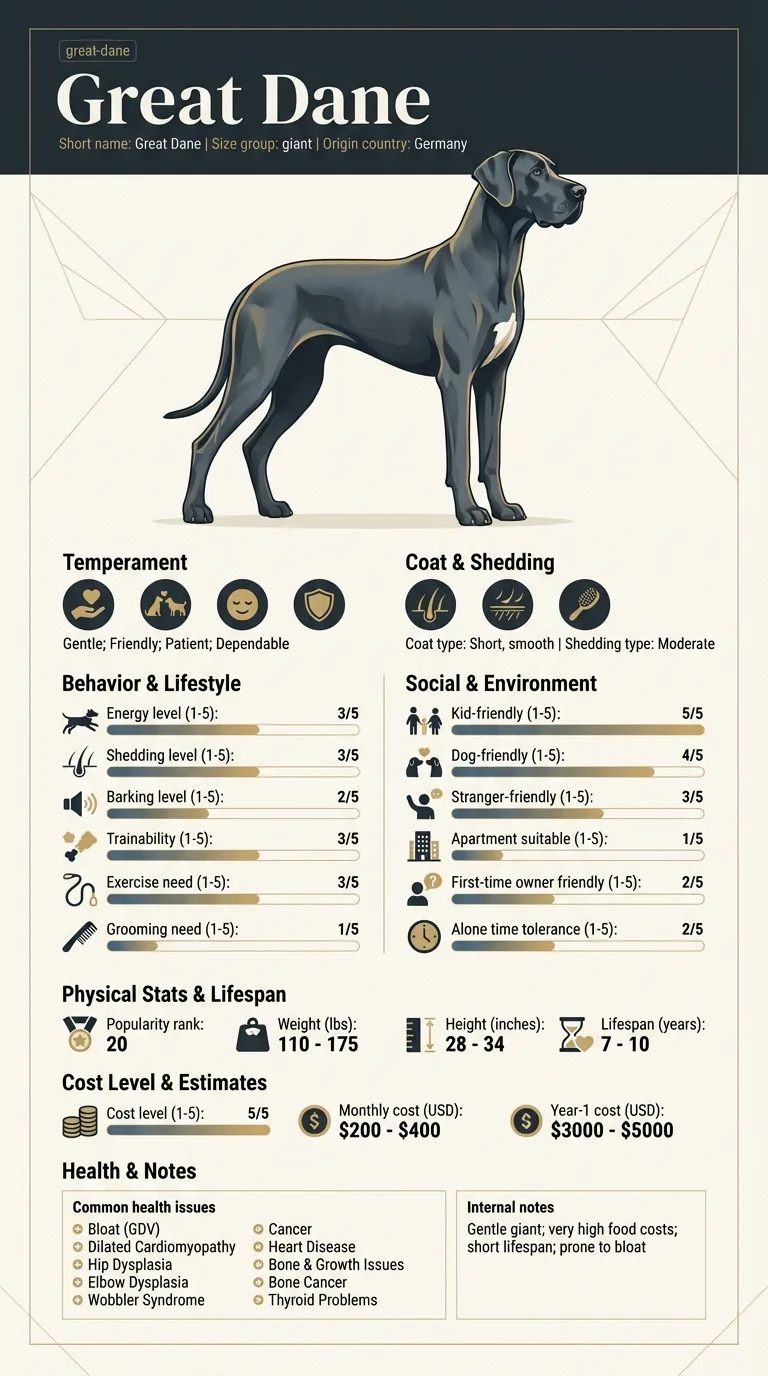
Typically, owners of older Great Danes or those with a family history of diabetes face this issue. It can be especially challenging for first-time dog owners who may not recognize the symptoms early on.
This guide is not medical advice. If your dog shows pain, sudden behavior change, or worsening symptoms, consult a licensed veterinarian.
Some links may be affiliate links. We may earn a commission at no extra cost to you. We only suggest products we believe are helpful for dog owners.
We research and check what we publish, but we do not warrant that any figure, date, price, or statement is accurate, complete, or current, and we accept no liability for any loss, cost, injury, or other harm arising from the use of this site. Use it as one reference among several. You remain responsible for your own decisions and for your dog's care - confirm anything that matters with a licensed veterinarian or another qualified professional before you act on it. Full disclaimer.
Check this first
It's crucial to recognize when Great Dane diabetes becomes an emergency. Look for signs that require immediate veterinary attention. These include excessive thirst and urination, sudden weight loss, lethargy, vomiting, or a sweet-smelling breath. If your Great Dane exhibits any of these symptoms, don't hesitate to call your vet right away.
On the other hand, there are milder symptoms that you can monitor at home. If your dog is showing increased hunger, slight weight gain, or occasional lethargy, it might not be an emergency. However, it's essential to have a plan in place for managing these symptoms. Regular vet check-ups, a balanced diet, and a consistent exercise routine can help keep your Great Dane healthy.
Always trust your instincts as a pet owner. If something seems off, it's better to err on the side of caution. Keeping a close eye on your dog's behavior and health can make all the difference in managing Great Dane diabetes effectively.
If any of these apply, call your vet or an emergency clinic now. The rest of this page is for the cases that are not an emergency.
Great Dane diabetes is a serious health issue that can affect your dog's quality of life. This condition often manifests as excessive thirst, frequent urination, and increased appetite. Owners may notice their Great Dane becoming lethargic or experiencing unexplained weight loss, which can be alarming.
Diabetes is relatively common in Great Danes, particularly as they age. Many Great Danes develop this condition after their senior years, making it essential for owners to monitor their health closely.
Great Danes are prone to certain genetic conditions, including diabetes, which can be influenced by their size and metabolism. Their large bodies may lead to insulin resistance, especially if they are overweight. This breed's lifespan also contributes to the likelihood of developing diabetes as they age.
Diet and lifestyle play significant roles in a Great Dane's health. If a Great Dane is fed a high-calorie diet without adequate exercise, it can gain weight quickly, increasing the risk of diabetes. Stressful environments or lack of regular vet check-ups can also impact their overall health and contribute to this condition.
If you notice excessive thirst, frequent urination, weight loss, or lethargy, consult your vet. They can provide a proper diagnosis and discuss treatment options for managing Great Dane diabetes.
Managing Great Dane diabetes can be challenging. Here are some common mistakes owners make that can worsen the condition, along with safer alternatives.
Start here: Great Dane Most Common Genetic Disorders: What to Screen For
See all Great Dane health problems, which breeds are prone to diabetes, or the full Great Dane breed guide for temperament, exercise needs and ownership costs.
Managing Great Dane diabetes usually takes several weeks to months. A consistent routine will help, and regular vet visits are essential.
Success means stabilizing your Great Dane's blood sugar levels, improving their overall health, and maintaining a happy lifestyle. You'll see improved energy and fewer health issues.
When Sarah adopted Jake, her Great Dane, she was thrilled to have a gentle giant to share her home. However, after a few months, she noticed Jake was drinking a lot of water and losing weight. A vet visit confirmed her fears: Jake had diabetes. Sarah felt overwhelmed but knew she had to act. She adjusted his diet to include low-sugar foods and started a regular exercise routine. With the vet's guidance, she monitored his blood sugar levels daily. After a few months of dedication, Jake began to thrive again. He had more energy and his weight stabilized, allowing him to enjoy life more fully.
Key takeaway: With proper management, you can help your Great Dane live a happy, healthy life even with diabetes. Consistency in diet and regular vet check-ups are key.
Great Danes can develop diabetes due to a combination of factors, including genetics, obesity, and age. As they grow older, their bodies may struggle to produce enough insulin, leading to diabetes. Regular vet check-ups and a healthy diet can help manage these risks.
Common symptoms of diabetes in Great Danes include excessive thirst, frequent urination, weight loss despite a good appetite, and lethargy. If you notice any of these signs, a vet visit is essential for diagnosis and treatment.
Managing Great Dane diabetes involves a consistent diet, regular exercise, and insulin injections as prescribed by your vet. It's important to monitor their blood sugar levels and adjust their routine as needed to keep them healthy.
While not all cases of diabetes can be prevented, maintaining a healthy weight and diet can significantly reduce the risk. Regular vet visits can help catch early signs and implement preventive measures.
With proper management, many Great Danes can live happy lives despite diabetes. Regular vet visits and following a treatment plan are crucial for maintaining their quality of life.
A diabetic diet for Great Danes typically includes high-fiber, low-fat foods that help regulate blood sugar levels. Consult your vet for specific recommendations based on your dog's needs.
To help prevent diabetes in Great Danes, focus on maintaining a healthy weight, providing a balanced diet, and ensuring regular exercise. Routine vet check-ups can also aid in early detection and management.
Early signs of Great Dane diabetes include increased thirst, frequent urination, and weight loss despite a good appetite. If you notice these symptoms, it's essential to consult your vet for proper diagnosis and management.
While diet plays a crucial role in managing Great Dane diabetes, it often needs to be combined with insulin therapy for effective control. Always work with your vet to create a tailored diet plan that meets your dog's specific needs.
Yes, diabetes is more common in older Great Danes, particularly those over the age of five. Regular check-ups and monitoring can help catch the condition early, allowing for better management.
Preventing diabetes in Great Danes involves maintaining a healthy weight through proper diet and regular exercise. It's also important to monitor their overall health and work with your vet for routine check-ups.
If your Great Dane is diagnosed with diabetes, follow your vet's recommendations for diet, insulin, and monitoring. Educating yourself about the condition and its management is key to providing the best care for your furry friend.
Monitor your dog's weight, provide regular exercise, and maintain a consistent diet to help manage Great Dane diabetes.
It's best to schedule vet visits every 3-6 months for diabetic Great Danes to monitor their health and adjust treatment as needed.
Yes, but opt for healthy, low-calorie treats that fit within their dietary plan to avoid blood sugar spikes.
Look for increased thirst, frequent urination, and lethargy, as these may indicate worsening diabetes that needs immediate vet attention.
Focus on positive reinforcement training to help your Great Dane adapt to their diabetes management routine, including insulin injections and dietary changes.
A one-page prep sheet for this condition: the signs, the questions to ask, what to get priced. Unlocks here.
You get: Vet visit prep sheet
No spam. One-click unsubscribe. See our privacy policy.
Preview page 1 before you decide.