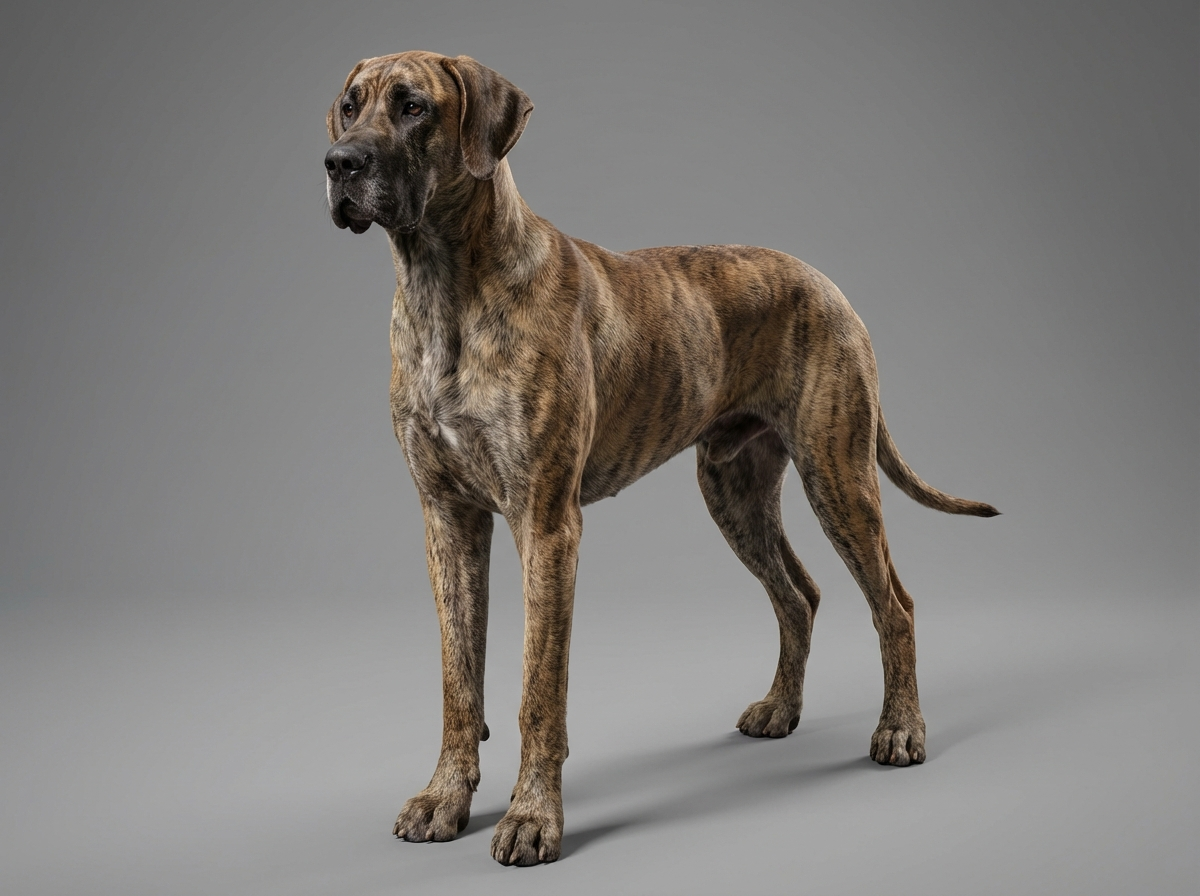
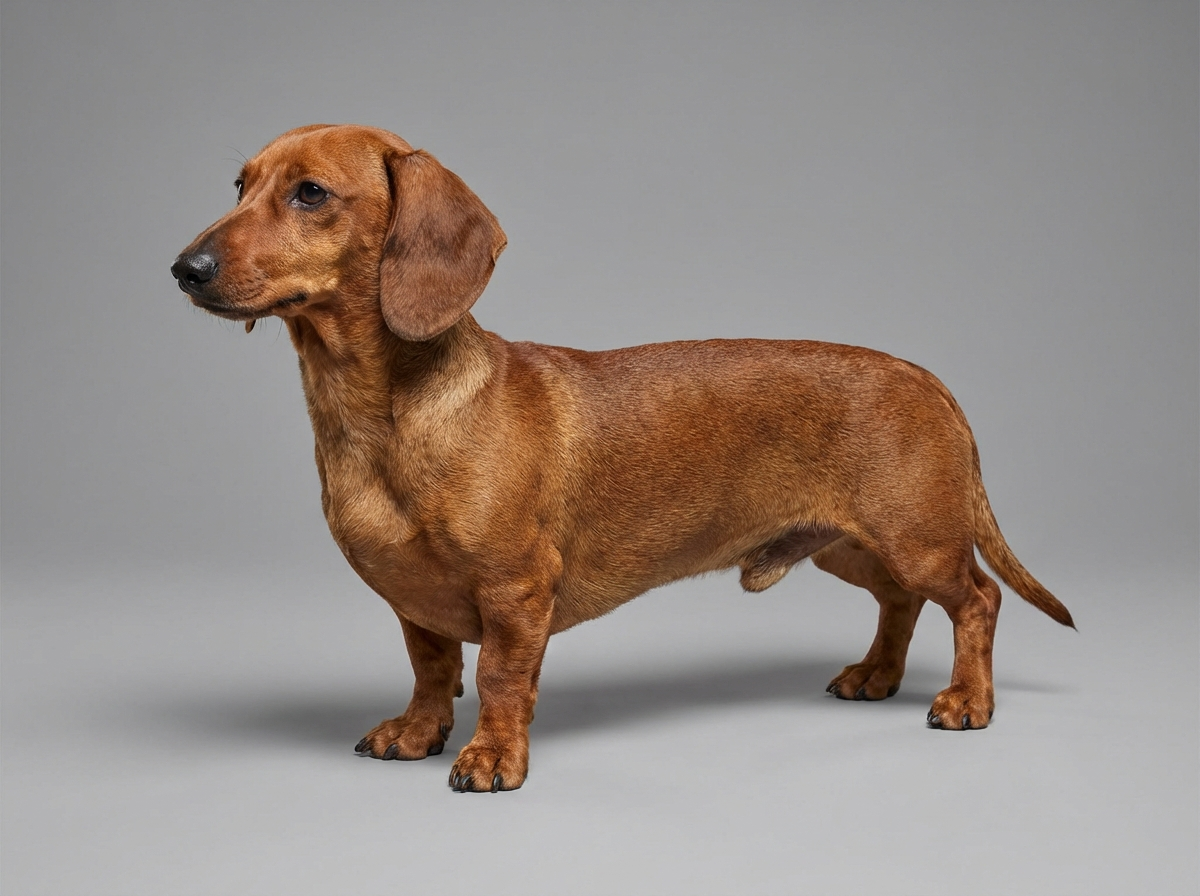
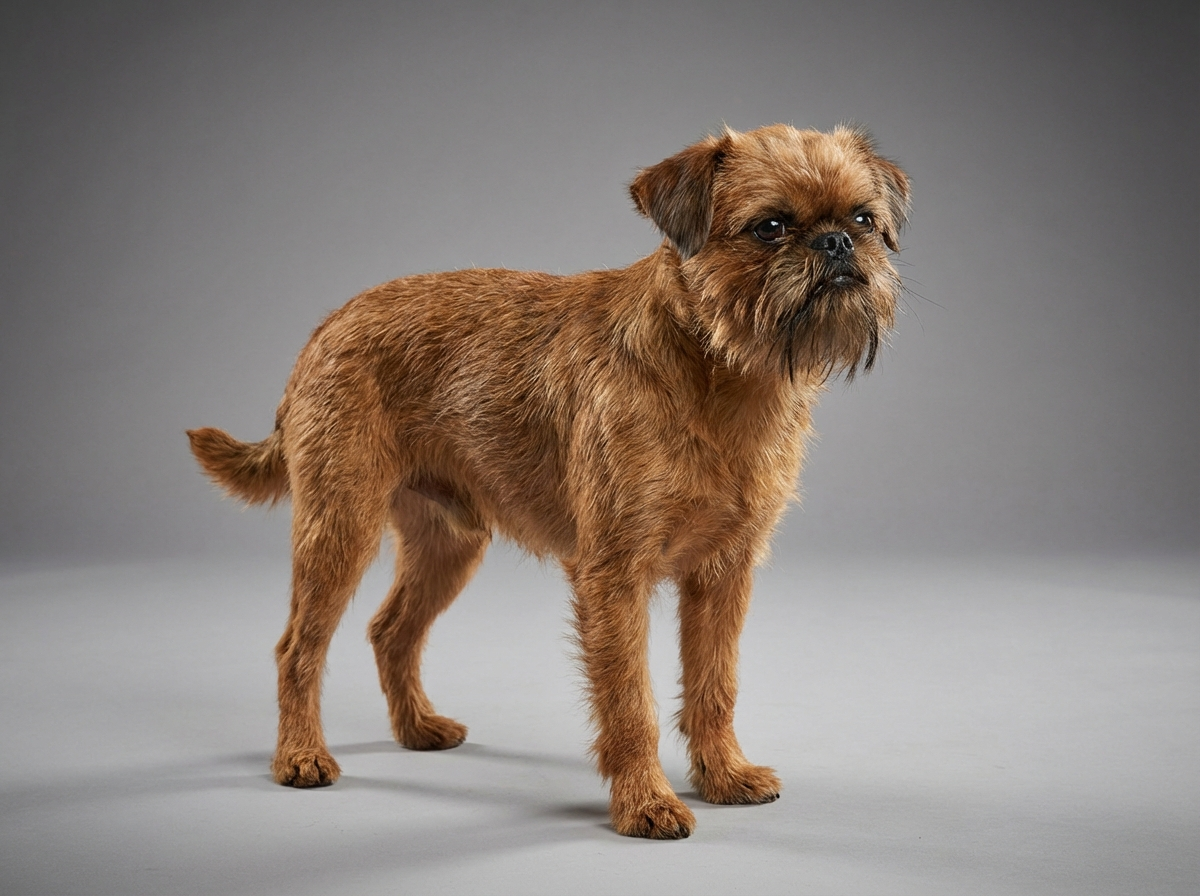
What are quick tips for managing Great Dane brachycephalic features?
Keep your Great Dane at a healthy weight and provide a cool environment to ease breathing. Monitor their activity level, especially in heat, and consult a vet if issues arise.
Great Dane brachycephalic features can cause breathing difficulties, impacting your dog's health and comfort.

Owners of Great Danes often face challenges related to their dog's breathing, especially in hot weather or during exercise. New dog owners may find it particularly concerning as they navigate training and care.
This guide is not medical advice. If your dog shows pain, sudden behavior change, or worsening symptoms, consult a licensed veterinarian.
Some links may be affiliate links. We may earn a commission at no extra cost to you. We only suggest products we believe are helpful for dog owners.
Great Dane brachycephalic features can lead to noticeable breathing difficulties. This often manifests as snoring, wheezing, or labored breathing, especially during exercise or in hot weather. Owners may find their Great Danes struggling to catch their breath or overheating more easily than other breeds.
Brachycephalic features are relatively common in Great Danes due to their unique head structure. Many owners experience varying degrees of breathing issues, making it an important consideration for potential Great Dane owners.
Great Danes are not typically classified as brachycephalic breeds, but they can exhibit some brachycephalic features due to their large size and unique facial structure. This can lead to breathing difficulties, especially in certain individuals. Genetic factors can also play a role, as some Great Danes may inherit traits that contribute to these features.
Environmental factors can exacerbate breathing issues in Great Danes. For example, hot weather or high humidity can make it harder for them to breathe comfortably. Stressful situations, such as loud noises or crowded spaces, can also trigger anxiety, leading to further breathing difficulties.
If your Great Dane shows persistent anxiety or difficulty breathing despite your efforts, consider consulting a professional trainer. A trainer experienced with large breeds can provide tailored strategies to help your dog feel more secure and confident.
It's essential to discuss any significant or worsening breathing issues with your vet. If your Great Dane experiences excessive panting, coughing, or lethargy, seek veterinary advice promptly. They can assess if any underlying health issues need to be addressed.
You can expect to see improvements in your Great Dane's breathing and behavior within 4 to 6 weeks of consistent training and care.
Success means your Great Dane can breathe more easily during exercise and doesn’t show signs of distress. You'll notice a calmer temperament and improved exercise tolerance.
Addressing Great Dane brachycephalic features can be tricky. Here are some common mistakes that owners make that can worsen the situation, along with safer alternatives.
Understanding when your Great Dane's brachycephalic features require immediate attention is vital. There are clear signs that indicate a need for urgent veterinary care, while other symptoms might be managed at home with careful observation. Red flags include severe difficulty breathing, excessive panting, or a blue-tinged tongue. If your Great Dane is struggling to breathe or collapses, call your vet right away.
Mild cases can sometimes be monitored. If your dog is snoring more than usual or has slight wheezing but is otherwise active and eating well, you may not need to rush to the vet. Keep track of their behavior and note any changes in eating, drinking, or energy levels. It’s always good to have a plan in place for gradual observation, but don’t hesitate to seek help if their condition worsens.
In summary, look for these emergency signs: - Severe difficulty breathing or gasping. - Blue or pale gums. - Loss of consciousness or extreme lethargy.
If your Great Dane shows only mild symptoms like occasional snoring or light wheezing, monitor them closely. Always consult your vet if you're unsure.

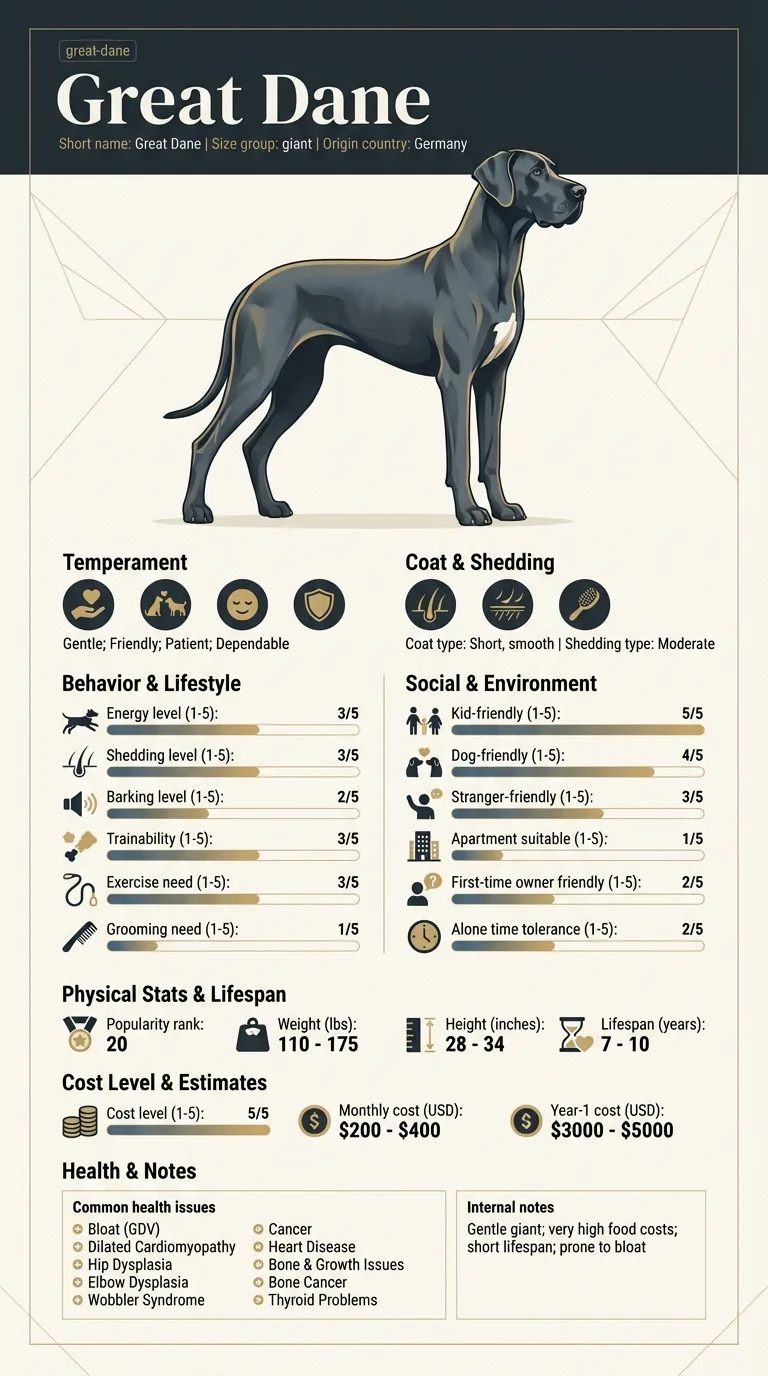
When Sarah adopted Max, her Great Dane, she quickly noticed he struggled to breathe during walks. Concerned, she learned about Great Dane brachycephalic features and realized that his short snout contributed to his issues. Sarah worked with a local trainer to modify their walks, focusing on shorter, more frequent outings. They also practiced calming techniques at home to reduce Max’s anxiety. Over time, Max became more relaxed, and his breathing improved during their walks. While he will always need care, Sarah felt more confident managing his needs.
Key takeaway: Understanding and addressing your Great Dane's brachycephalic features can lead to a happier, healthier life for both you and your dog.
Great Danes may develop brachycephalic features due to selective breeding practices. These features can lead to breathing difficulties because their short snouts can restrict airflow. It's important to monitor your dog's breathing and consult a vet if you notice any issues. This answer relates to Great Dane brachycephalic features.
To help manage your Great Dane's breathing difficulties, ensure they maintain a healthy weight and avoid strenuous activities in hot weather. Regular vet check-ups are essential to address any concerns early. Training can also help them adjust to their breathing limitations.
Signs of brachycephalic issues include noisy breathing, excessive panting, and difficulty exercising. If your Great Dane seems lethargic or has trouble breathing, it’s crucial to speak with your veterinarian. Early intervention can prevent more serious health problems.
Yes, training can help your Great Dane adapt to their breathing challenges. Focus on positive reinforcement techniques and teach them calm behaviors during walks or playtime. Avoid overly vigorous exercise and opt for shorter, more frequent sessions.
To benefit your Great Dane, provide a cool, comfortable environment and avoid long walks during hot weather. Regular vet visits can help monitor their health, and maintaining a healthy diet will support their overall well-being. Consider using a harness instead of a collar to reduce strain on their neck.
Signs of brachycephalic features in a Great Dane include snoring, labored breathing, and excessive panting. You may also notice your dog having difficulty exercising or getting too hot. If these symptoms are present, it's essential to consult with a vet.
Yes, older Great Danes can develop brachycephalic features as they age. This can be due to weight gain, which can exacerbate breathing issues. Regular vet check-ups are crucial to monitor any changes in their health.
To help your Great Dane with breathing difficulties, ensure they maintain a healthy weight and avoid strenuous activities in hot weather. Providing a cool, comfortable environment can also help. Always consult your vet for tailored advice and possible treatments.
Training methods for Great Danes with brachycephalic features should focus on positive reinforcement and gentle exercises. Avoid demanding too much physical activity, and instead, incorporate short, manageable training sessions. Consistency and patience are key to success.
Your Great Dane may have brachycephalic features due to genetics, as the breed can have a variety of head shapes. This trait can lead to breathing issues, so it's essential to monitor their health closely. Regular vet visits can help manage any potential problems.
Keep your Great Dane at a healthy weight and provide a cool environment to ease breathing. Monitor their activity level, especially in heat, and consult a vet if issues arise.
Use positive reinforcement to encourage calm behaviors. Focus on short, gentle training sessions to avoid overexertion and stress on their breathing.
If your Great Dane has noisy breathing, excessive panting, or lethargy, consult your vet. These may signal serious brachycephalic issues that need attention.