Behavior
What are quick tips for handling Great Dane bloat (gastric dilatation-volvulus/gdv)?
Feed smaller meals more frequently and use slow feeders to prevent rapid eating. Avoid exercising your dog right after meals.
Great Dane bloat is a serious, life-threatening condition that requires immediate attention. (Great Dane bloat (gastric dilatation-volvulus/gdv))
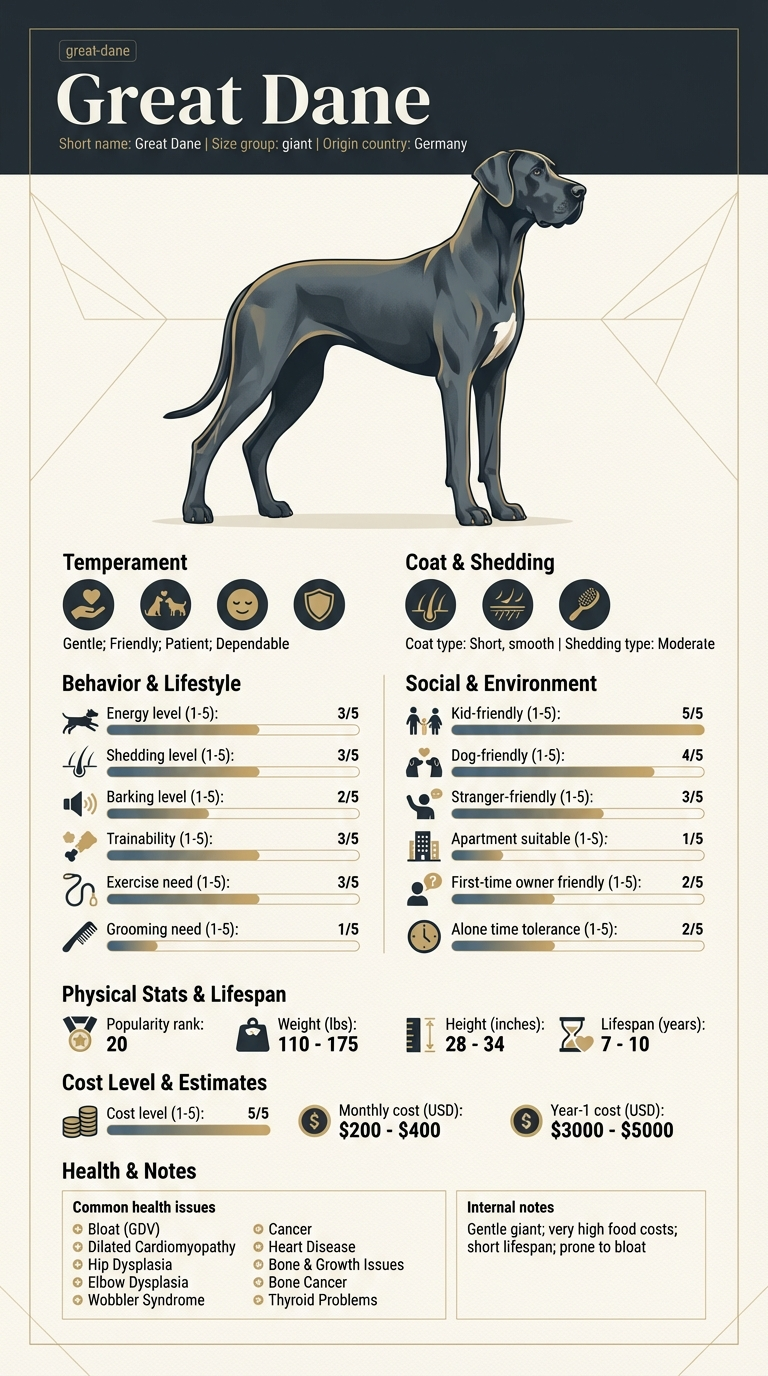
Owners of Great Danes, especially new ones, often worry about bloat due to the breed's size and anatomy. Busy families or individuals who may not be fully aware of their dog's unique health risks can find this problem particularly challenging.
This guide is not medical advice. If your dog shows pain, sudden behavior change, or worsening symptoms, consult a licensed veterinarian.
Some links may be affiliate links. We may earn a commission at no extra cost to you. We only suggest products we believe are helpful for dog owners.
Great Dane bloat, also known as gastric dilatation-volvulus (GDV), is a serious condition that can quickly become life-threatening. It typically occurs when the stomach fills with gas, twists, and traps food and air inside, causing immense pressure. This condition is particularly common in deep-chested breeds like the Great Dane and can escalate rapidly within hours, making it crucial for owners to recognize the signs early.
Bloat is a prevalent concern among Great Danes, with studies indicating that it affects around 30% of these dogs at some point in their lives. This condition can arise without warning, and its rapid progression is why being informed and vigilant is essential for owners.
Great Danes are prone to bloat because of their large size and deep chest. These physical traits can cause the stomach to fill with air and twist, leading to gastric dilatation-volvulus (GDV). This condition is more common in breeds like Great Danes due to their anatomy.
Bloat can also be influenced by factors such as rapid eating, excessive exercise right after meals, or stress. Feeding your Great Dane too quickly or offering large meals can increase the risk of bloat. Environmental stressors, like changes in routine or loud noises, may also trigger this serious condition.
If your Great Dane shows signs of food aggression or stress while eating, consider consulting a professional trainer. They can help address these behaviors and teach your dog to eat calmly.
If your Great Dane exhibits symptoms like a swollen abdomen, retching without vomiting, or signs of distress, contact your vet immediately. These can indicate bloat, which is a medical emergency that needs urgent attention.
Improving your Great Dane's risk for bloat can take several months of consistent training and management.
Success means your Great Dane shows fewer signs of distress after eating, has a stable weight, and you feel confident in managing their feeding routine.
Understanding what not to do can significantly help in managing Great Dane bloat (gastric dilatation-volvulus/GDV). Here are some common mistakes owners make, along with safer alternatives.
Great Dane bloat can become life-threatening very quickly. It's essential to recognize the signs of an emergency. If your Great Dane shows any of the following symptoms, call your vet immediately:
- **Abdominal swelling**: A visibly swollen belly is a major red flag. - **Unproductive retching**: If your dog is trying to vomit but nothing comes up, that's a serious sign. - **Rapid breathing or panting**: This could indicate distress or pain. - **Weakness or lethargy**: If your dog seems unusually tired or weak, it’s time to act. - **Restlessness**: If your Great Dane can’t settle down or appears agitated, don’t wait.
In contrast, if your dog has mild symptoms, such as a slightly upset stomach or minor discomfort, you can monitor the situation at home. Look for less severe signs like:
- **Occasional burping**: Some gas is normal in dogs, especially after eating. - **Mild drooling**: Slight drooling can occur, but excessive drooling could indicate a problem. - **Temporary loss of appetite**: If your dog skips one meal but is otherwise active, keep an eye on them.
While these mild cases can often be managed with observation, if symptoms worsen or persist for more than a few hours, don't hesitate to reach out to your vet. Keeping an eye on your Great Dane's behavior can make all the difference in preventing serious health issues. Always err on the side of caution when it comes to potential bloat symptoms.
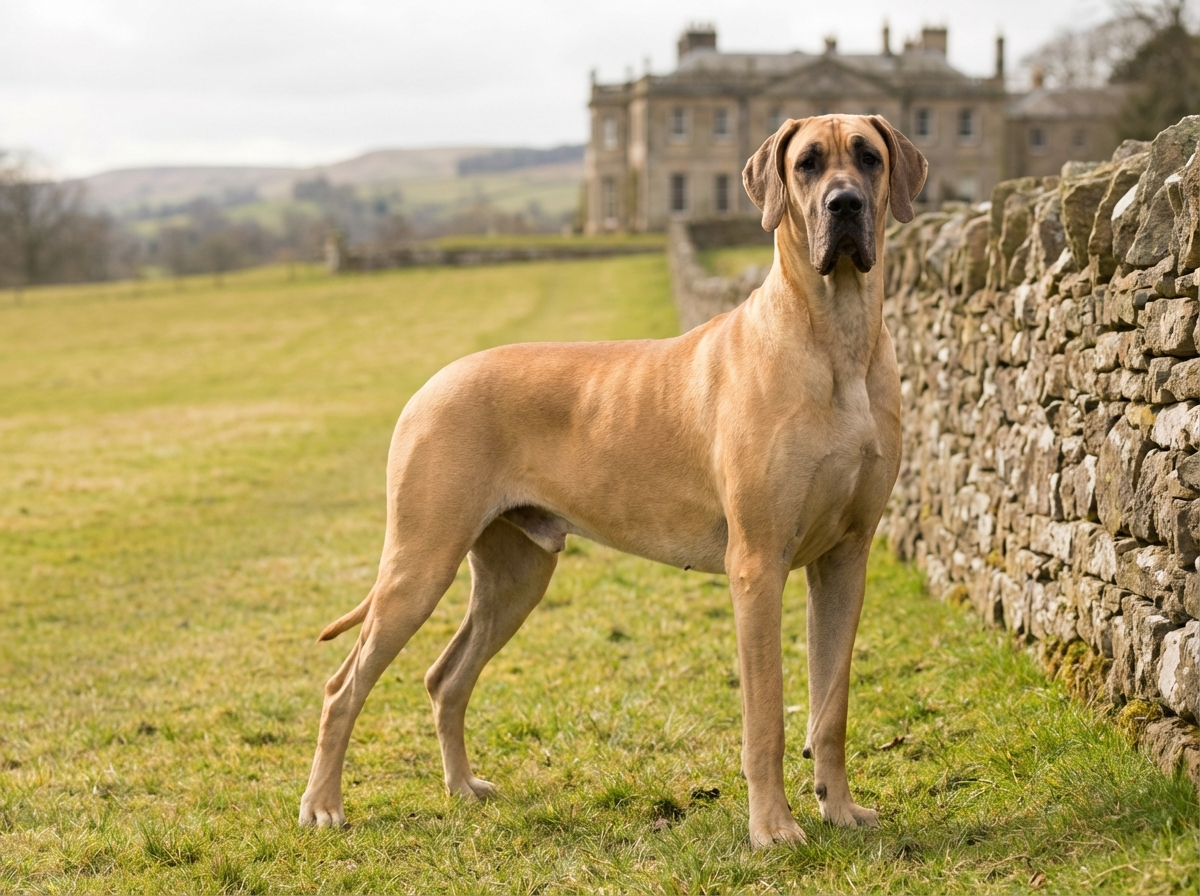
Sarah, a first-time Great Dane owner, was alarmed when her dog, Max, experienced signs of bloat after meals. After a trip to the vet, she learned that bloat is common in Great Danes and can be life-threatening. Determined to help Max, Sarah implemented a slow-feeding bowl, divided Max's meals into smaller portions throughout the day, and avoided vigorous exercise right after eating. Over the next few months, she noticed a significant reduction in Max's discomfort, and he became more relaxed during meal times.
Key takeaway: With the right feeding habits and management strategies, you can significantly reduce the risk of bloat in your Great Dane.
Great Dane bloat is often caused by a combination of factors, including genetic predisposition, rapid eating, and exercise after meals. It's important to feed your dog slowly and avoid vigorous activity right after they eat.
To help prevent bloat, feed smaller meals throughout the day rather than one large meal. Consider using a slow feeder bowl to reduce the speed at which your Great Dane eats.
Signs of bloat include a swollen abdomen, excessive drooling, restlessness, and unsuccessful attempts to vomit. If you notice these symptoms, seek immediate veterinary attention.
Treatment often involves emergency surgery to relieve pressure and prevent further complications. The cost can range from $1,500 to $7,500, depending on the severity and necessary care.
While training cannot prevent bloat, it can help establish a routine around feeding and exercise. Teaching your dog to eat calmly and follow commands can be beneficial.
Bloat can occur due to various factors such as rapid eating, stress, or certain physical activities after meals. Understanding your dog's habits can help reduce risks.
If your Great Dane shows any signs of distress or a swollen belly, it's crucial to contact your veterinarian immediately. Bloat is a medical emergency.
Early signs of Great Dane bloat can include restlessness, pacing, and a swollen abdomen. Your dog may also try to vomit without success and show signs of distress. If you notice these symptoms, it's crucial to seek veterinary help immediately.
Yes, older Great Danes are at a higher risk for bloat due to age-related changes in their stomach structure and motility. However, younger dogs can also experience this condition. Regular vet check-ups can help monitor your dog's health.
Yes, making dietary adjustments can help reduce the risk of bloat. Feeding smaller, more frequent meals and avoiding vigorous exercise right after eating are recommended. Talk to your vet for specific dietary tips tailored to your Great Dane.
If your Great Dane shows signs of bloat, take them to the vet immediately. This condition is life-threatening and requires urgent medical treatment. Delaying can lead to severe complications.
While Great Danes are particularly prone to bloat, other large and giant breeds like Boxers and Saint Bernards can also be at risk. It's essential to be aware of the signs and preventive measures for all large breeds.
Feed smaller meals more frequently and use slow feeders to prevent rapid eating. Avoid exercising your dog right after meals.
Treatment costs can vary widely, ranging from $1,500 to $7,500 depending on the severity and required care.
If you notice a swollen abdomen or signs of distress, seek veterinary help immediately, as this condition can be life-threatening.
Yes, Great Danes are particularly prone to bloat due to their size and shape. Awareness and preventive measures are essential.