Behavior
What are quick tips for preventing Golden Retriever gastric dilatation-volvulus (gdv/bloat)?
Feed smaller, more frequent meals, avoid vigorous exercise before and after eating, and consider using a slow feeder bowl.
Golden Retriever gastric dilatation-volvulus (GDV/bloat) is a serious, life-threatening condition that can affect your dog unexpectedly.
Owners of Golden Retrievers, especially those who are new to dog ownership, may struggle to identify GDV/bloat symptoms quickly. Busy families or individuals may not know what to monitor, putting their pets at risk.
This guide is not medical advice. If your dog shows pain, sudden behavior change, or worsening symptoms, consult a licensed veterinarian.
Some links may be affiliate links. We may earn a commission at no extra cost to you. We only suggest products we believe are helpful for dog owners.
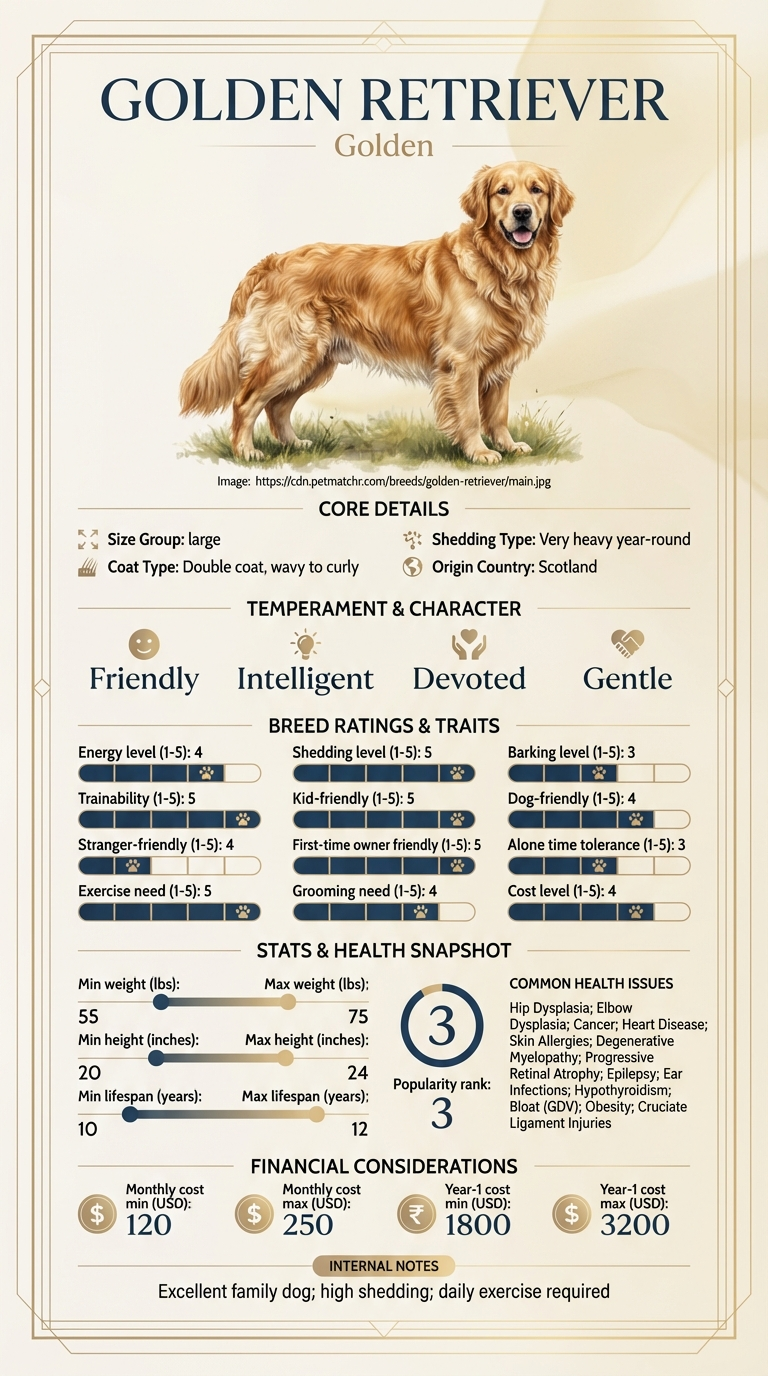
Golden Retriever gastric dilatation-volvulus (gdv/bloat) is a serious and potentially fatal condition. It occurs when the stomach fills with gas and twists on itself, leading to severe pain and distress. This problem is especially common in large breeds like Golden Retrievers, who are prone to bloat due to their size and shape.
Gastric dilatation-volvulus affects around 20-30% of Golden Retrievers, making it a significant health concern for the breed. Owners should be aware of the risks and signs to ensure timely intervention.
Golden Retrievers can be prone to gastric dilatation-volvulus (GDV) due to their large size and deep chests. This anatomical structure can lead to the stomach twisting, especially if they eat quickly or are highly active after meals. Additionally, genetics may play a role in making some Goldens more susceptible to this serious condition.
Environmental factors can also contribute to GDV. Stressful situations, such as loud noises or changes in routine, can lead to anxiety in your Golden Retriever, increasing their risk. Feeding habits, like giving large meals or allowing vigorous exercise right after eating, can trigger bloat as well.
If your Golden Retriever shows signs of anxiety around feeding times or during stressful situations, consider working with a dog trainer. They can provide strategies to help your dog feel more secure and relaxed.
If your Golden Retriever exhibits symptoms like restlessness, a swollen stomach, or attempts to vomit without success, contact your vet immediately. GDV is a medical emergency, and timely intervention is crucial.
It can take several weeks to months to effectively manage Golden Retriever gastric dilatation-volvulus (GDV/bloat) through training and behavior modifications. Regular vet check-ups are essential during this period.
Success means your Golden Retriever shows fewer signs of anxiety or discomfort related to eating and drinking. They can eat without stress, and you feel confident in managing their routine to prevent GDV.
Avoiding these common mistakes can help you manage your Golden Retriever's risk of gastric dilatation-volvulus (GDV/bloat) more effectively.
Recognizing when Golden Retriever gastric dilatation-volvulus (GDV/bloat) becomes an emergency is crucial. If your Golden is showing signs of severe distress, like a swollen abdomen or attempts to vomit without success, it’s time to call your vet immediately. These symptoms can indicate that the stomach is twisted and filled with gas, which is life-threatening and requires urgent medical attention.
In contrast, if your Golden Retriever has mild discomfort, such as a slightly bloated stomach without extreme signs of distress, you can monitor the situation for a short period. Look for mild symptoms like restlessness, a decrease in appetite, or mild drooling. Keep a close eye on your dog, but don't hesitate to reach out to your vet if symptoms worsen or don’t improve within a few hours.

When Emily adopted her Golden Retriever, Max, she was excited to have a playful companion. However, she quickly noticed he would gulp his food and drink water too fast, leading to frequent bloating. After a scary emergency vet visit due to suspected GDV, Emily learned the importance of feeding Max smaller meals and using a slow feeder bowl. She also adjusted his exercise routine to ensure he was calm before eating. Over time, Max became more relaxed at mealtime, reducing his bloating incidents significantly.
Key takeaway: Managing Golden Retriever gastric dilatation-volvulus (GDV/bloat) requires proactive feeding practices and attention to your dog's eating habits. Small changes can make a big difference in preventing this serious condition.
Golden Retrievers can develop gastric dilatation-volvulus (gdv/bloat) due to several factors, including rapid eating, stress, or genetics. This life-threatening condition causes the stomach to fill with gas and potentially twist. If your dog shows signs like a swollen abdomen, restlessness, or attempts to vomit, seek veterinary help immediately. This answer relates to Golden Retriever gastric dilatation-volvulus (gdv/bloat).
To help prevent gastric dilatation-volvulus (gdv/bloat) in your Golden Retriever, feed smaller meals more frequently and use a slow feeder bowl. Avoid exercising your dog right before and after meals. Additionally, managing stress and providing a calm eating environment can also reduce the risk.
Signs of gdv/bloat include a bloated or swollen belly, excessive drooling, restlessness, and attempts to vomit without producing anything. If your dog exhibits these symptoms, it’s vital to get them to a veterinarian right away as this condition can escalate quickly.
While training alone won't prevent gastric dilatation-volvulus (gdv/bloat), it can help create a calmer environment during feeding time. Teaching your dog commands like 'slow' or 'wait' can encourage them to eat more mindfully. Consistent training can also reduce anxiety, which is a contributing factor.
Yes, gastric dilatation-volvulus (gdv/bloat) is relatively common in large breed dogs like Golden Retrievers. Their deep chests and fast eating habits increase the risk. Regular vet check-ups and awareness of the signs can help manage this risk.
If you suspect your Golden Retriever has gastric dilatation-volvulus (gdv/bloat), act quickly. Take them to a veterinarian immediately. Time is critical, as this condition can be fatal if not treated promptly.
The early signs of GDV in Golden Retrievers can include restlessness, pacing, and an unusual posture. You may also notice your dog trying to vomit without success, along with a swollen abdomen. If you see these symptoms, it’s crucial to contact a vet immediately.
Yes, older Golden Retrievers can develop GDV/bloat. As dogs age, their digestive systems can become less efficient, increasing the risk of this condition. Regular vet check-ups and monitoring for any signs of discomfort can help catch issues early.
To prevent GDV in your Golden Retriever, feed smaller, more frequent meals instead of one large meal. Avoid vigorous exercise right after eating, and consider using a slow feeder bowl to reduce gulping. These steps can help lower the risk of bloat.
If you suspect your Golden Retriever has GDV/bloat, take them to the vet immediately. This condition can worsen rapidly and is life-threatening. Quick action can make a critical difference in your dog's outcome.
Yes, several large breeds are more prone to GDV, including Great Danes, Boxers, and Doberman Pinschers. If you own a breed that’s at higher risk, it’s essential to be aware of the symptoms and preventive measures to help protect your dog.
Feed smaller, more frequent meals, avoid vigorous exercise before and after eating, and consider using a slow feeder bowl.
Watch for a swollen abdomen, excessive drooling, restlessness, and unsuccessful attempts to vomit. Seek veterinary help immediately.
Stress can contribute to gastric dilatation-volvulus (gdv/bloat) by causing rapid eating or anxiety. Creating a calm feeding environment can help.