Behavior
What are quick tips for managing Golden Retriever degenerative myelopathy (dm)?
Use a supportive harness, provide a soft bed, and keep your home safe from hazards. Regular vet visits are essential for monitoring the condition.

Quick answer
What are quick tips for managing Golden Retriever degenerative myelopathy (dm)?
Use a supportive harness, provide a soft bed, and keep your home safe from hazards. Regular vet visits are essential for monitoring the condition.
Golden Retriever degenerative myelopathy (DM) is a serious condition that affects the spinal cord, leading to mobility challenges.
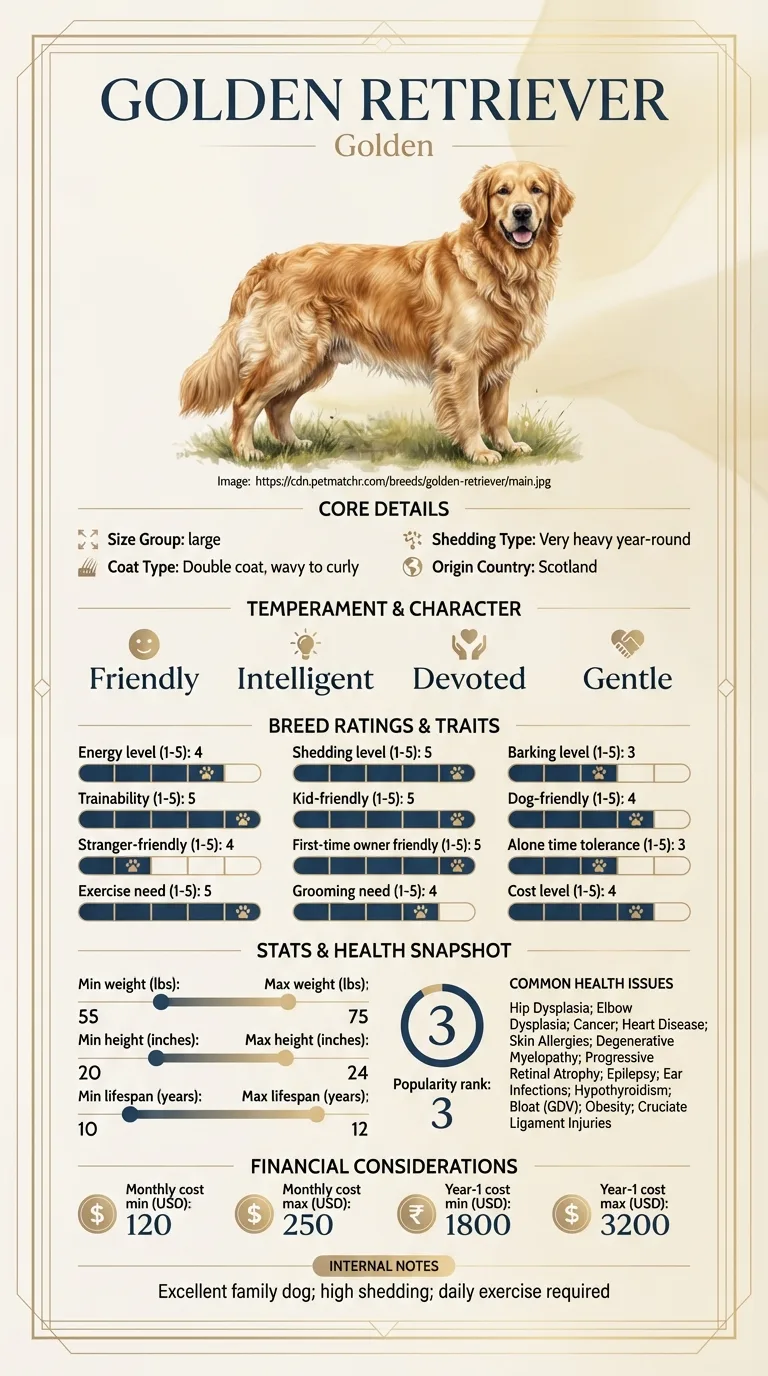
Owners of Golden Retrievers, especially older dogs, often face the emotional and practical challenges of managing DM. Many first-time dog owners may feel overwhelmed by the sudden changes in their dog's mobility and behavior.
This guide is not medical advice. If your dog shows pain, sudden behavior change, or worsening symptoms, consult a licensed veterinarian.
Some links may be affiliate links. We may earn a commission at no extra cost to you. We only suggest products we believe are helpful for dog owners.
We research and check what we publish, but we do not warrant that any figure, date, price, or statement is accurate, complete, or current, and we accept no liability for any loss, cost, injury, or other harm arising from the use of this site. Use it as one reference among several. You remain responsible for your own decisions and for your dog's care - confirm anything that matters with a licensed veterinarian or another qualified professional before you act on it. Full disclaimer.
Check this first
Recognizing when Golden Retriever degenerative myelopathy (DM) becomes an emergency is crucial for your dog's health. While this condition is progressive and can be managed, certain signs indicate that immediate veterinary attention is needed. If your Golden shows severe weakness in the hind legs, difficulty standing or walking, or sudden loss of control over bladder or bowels, these are red flags.
Call your vet right away in these cases.
On the other hand, if your Golden is experiencing mild symptoms like slight wobbliness or occasional difficulty getting up, you may monitor them with a plan. Keep a close eye on their mobility and overall behavior. Regular vet visits can help track the progression of DM and adjust care as needed.
Providing a supportive environment can help your dog maintain comfort over time.
If any of these apply, call your vet or an emergency clinic now. The rest of this page is for the cases that are not an emergency.
Golden Retriever degenerative myelopathy (DM) is a progressive spinal cord disease that affects mobility. Day-to-day, you may notice your Golden struggling to maintain balance, dragging their hind legs, or having difficulty walking. This condition can be distressing both for the dog and the owner, as it gradually impairs their ability to move freely.
Degenerative myelopathy is relatively common in Golden Retrievers, especially as they age. It's estimated that around 10-15% of Goldens may develop this condition during their lifetime, making it an important health consideration for owners.
Golden Retrievers are prone to degenerative myelopathy (DM) due to genetic factors. This breed tends to inherit mutations that affect nerve tissue, making them more susceptible to this progressive spinal cord disease. DM typically shows up in middle to older age, around 8 to 14 years.
While genetic factors play a significant role, environmental influences can also contribute. Factors like obesity, lack of exercise, and inadequate nutrition can exacerbate symptoms. An active lifestyle is crucial for maintaining overall health and mobility in Golden Retrievers.
Discuss your dog's symptoms with a vet if you notice significant mobility issues, such as dragging their back legs. A vet can provide a proper diagnosis, rule out other conditions, and help you formulate a management plan tailored to your dog's needs.
Managing Golden Retriever degenerative myelopathy (DM) can be challenging. Here are some common mistakes owners make that can worsen the condition or delay improvement. Avoid these pitfalls to provide better care for your furry friend.
Start here: Golden Retriever Most Common Genetic Disorders: Screening
See all Golden Retriever health problems, which breeds are prone to degenerative myelopathy dm, or the full Golden Retriever breed guide for temperament, exercise needs and ownership costs.
Managing Golden Retriever degenerative myelopathy (DM) is a long-term commitment that may span several months to years. Early intervention and consistent care can help slow the progression of symptoms.
Success looks like maintaining your dog's quality of life for as long as possible. This includes managing mobility issues, providing comfort, and adapting your home to support their needs.
Emily, a busy nurse in Denver, noticed that her Golden Retriever, Max, was having trouble getting up and seemed to stumble occasionally. After a vet diagnosis of degenerative myelopathy, she felt overwhelmed. However, she committed to learning about the condition and began a routine of gentle exercises, using a harness to help Max with mobility. She also made her home more accessible by removing rugs and using ramps. Over time, Emily saw improvements in Max's confidence and mobility, which made both of them happier.
Key takeaway: Understanding and adapting to your dog's needs can significantly improve their quality of life, even with a progressive condition like DM.
Golden Retriever degenerative myelopathy (dm) is primarily caused by a genetic mutation that affects the spinal cord. This condition leads to gradual loss of mobility and strength in the back legs. It's important to consult a vet for proper diagnosis and management.
To manage Golden Retriever degenerative myelopathy (dm), focus on providing a supportive environment. Use harnesses for assistance, maintain a healthy weight, and consider physical therapy. Regular vet check-ups can help monitor the condition.
Currently, there is no cure for Golden Retriever degenerative myelopathy (dm). Treatment focuses on managing symptoms and improving quality of life. Your vet can guide you on effective strategies.
Signs of Golden Retriever degenerative myelopathy (dm) include difficulty walking, dragging of the back legs, and loss of coordination. Observe your dog for these symptoms and consult a vet if you notice any changes.
While you can't prevent Golden Retriever degenerative myelopathy (dm), you can reduce the risk by ensuring your dog receives proper nutrition and exercise. Genetic testing may also help identify at-risk breeds.
Degenerative myelopathy (dm) typically progresses slowly, leading to increasing weakness in the hind legs over months to years. Monitoring your dog's mobility and adjusting care as needed is crucial.
Early signs of Golden Retriever degenerative myelopathy (dm) can include difficulty getting up, dragging back legs, and a wobbly gait. You may notice your dog having trouble climbing stairs or getting into the car. If you see these signs, it's a good idea to consult your vet.
Yes, older Golden Retrievers may exhibit more severe symptoms of degenerative myelopathy (dm) due to their overall health. Age can exacerbate the condition, making it harder for them to cope with mobility issues. Regular vet check-ups can help manage their health as they age.
To help your Golden Retriever with degenerative myelopathy (dm), consider physical therapy and mobility aids like harnesses or carts. Keeping your dog’s weight in check is crucial, as excess weight can worsen their condition. Always consult your vet for tailored strategies.
While there's no specific diet for degenerative myelopathy (dm), a balanced diet rich in omega fatty acids can support overall health. Consult your vet for dietary recommendations that fit your dog's needs, especially if they are losing mobility.
You should see a vet if you notice any signs of degenerative myelopathy (dm), like difficulty moving or changes in behavior. Early intervention can help manage the condition and maintain your dog's quality of life. Regular check-ups are also important as the disease progresses.
Use a supportive harness, provide a soft bed, and keep your home safe from hazards. Regular vet visits are essential for monitoring the condition.
Gentle, low-impact exercises like swimming or short walks can help maintain muscle strength. Avoid over-exertion to prevent fatigue.
Monitor for signs of pain, changes in appetite, or worsening mobility. Early detection of issues can help you adjust care effectively.
Consult your vet for diet adjustments that support joint health and weight management. A balanced diet can improve overall well-being.
Provide a warm, soft bed, and consider using ramps or slings for easier movement. Comfort is key to improving their quality of life.
A one-page prep sheet for this condition: the signs, the questions to ask, what to get priced. Unlocks here.
You get: Vet visit prep sheet
No spam. One-click unsubscribe. See our privacy policy.
Preview page 1 before you decide.