Behavior
What should I do if my Golden Retriever has an allergic reaction?
If your Golden Retriever has an allergic reaction, remove any potential allergens and consult your vet. Monitor symptoms closely, especially if they worsen.
Quick answer
What should I do if my Golden Retriever has an allergic reaction?
If your Golden Retriever has an allergic reaction, remove any potential allergens and consult your vet. Monitor symptoms closely, especially if they worsen.
Golden Retriever allergic reactions can affect your dog's health and happiness. These reactions often lead to discomfort or serious health issues.
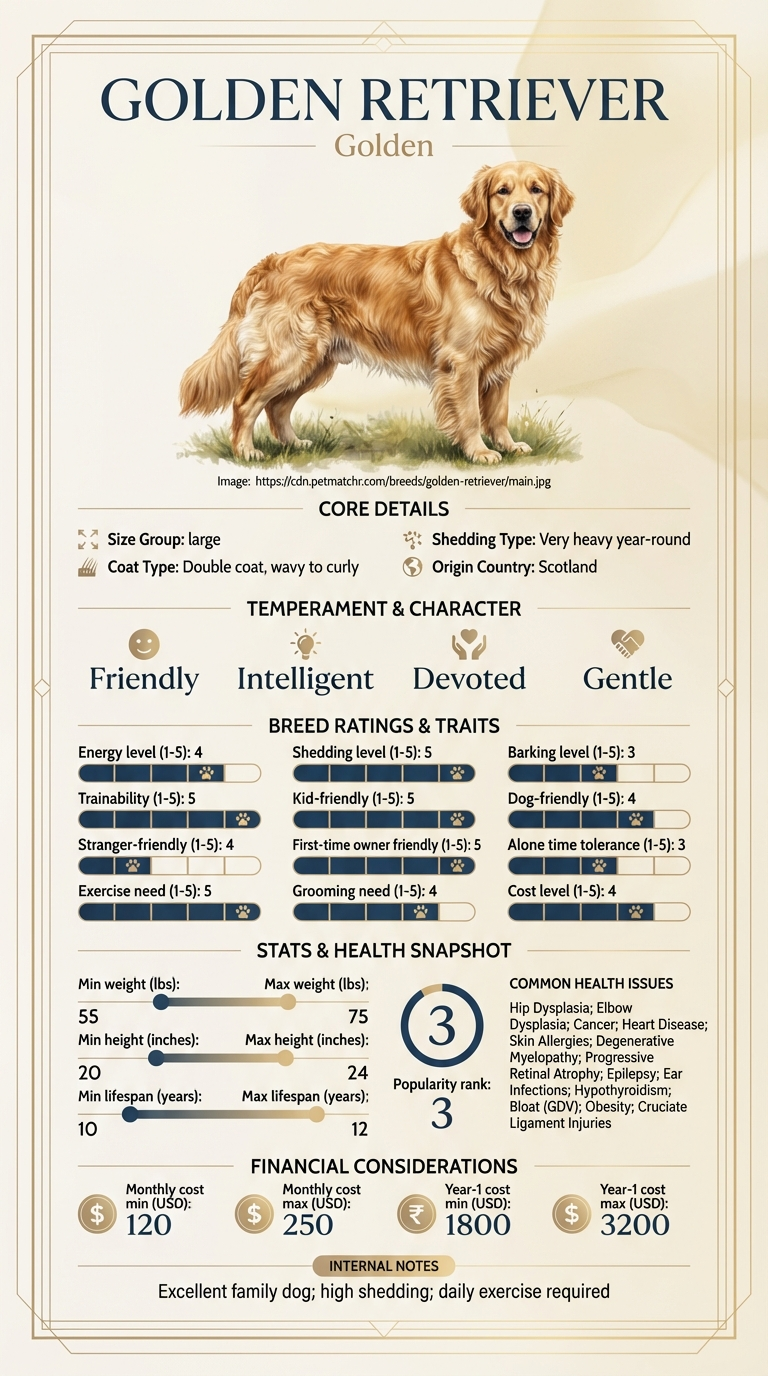
Many owners, especially first-time Golden Retriever parents, face the challenge of allergic reactions. Busy families or individuals may find it challenging to spot the signs early and manage their dog's allergies effectively.
This guide is not medical advice. If your dog shows pain, sudden behavior change, or worsening symptoms, consult a licensed veterinarian.
Some links may be affiliate links. We may earn a commission at no extra cost to you. We only suggest products we believe are helpful for dog owners.
Golden Retriever allergic reactions can be a daily challenge for many owners. Symptoms may include itching, redness, and gastrointestinal issues, making life uncomfortable for both you and your dog. These reactions can be triggered by various allergens like pollen, dust, food, or even certain grooming products.
Allergic reactions are fairly common in Golden Retrievers, with some estimates suggesting they are affected at a rate 276% higher than other breeds. This breed's genetic predisposition to skin issues means that many owners may face allergic reactions at some point during their dog's life.
Golden Retrievers are prone to skin allergies due to their double coat and high shedding levels. Their sensitivity can also be linked to genetics, making them more susceptible to allergens.
Environmental factors like pollen, dust mites, and certain foods can trigger allergic reactions in Golden Retrievers. Additionally, exposure to harsh chemicals or grooming products may irritate their skin.
If your Golden Retriever exhibits persistent scratching or biting at their skin despite home care, consider a professional trainer. They can help you identify triggers and improve behavior related to discomfort.
Consult your vet if allergic reactions worsen or if you notice severe symptoms like swelling, difficulty breathing, or excessive redness. A vet can provide allergy testing and recommend appropriate treatments.
See all Golden Retriever health problems, which breeds are prone to allergic reactions, or the full Golden Retriever breed guide for temperament, exercise needs and ownership costs.
Within 4 to 8 weeks of implementing changes and training, you should see noticeable improvements in your Golden Retriever's allergic reactions.
Success means your Golden Retriever experiences fewer allergic reactions and shows improved comfort and energy levels. You'll notice less scratching, fewer skin irritations, and a happier, healthier pet.
Avoiding these common mistakes can help reduce allergic reactions in your Golden Retriever. Here are some behaviors to watch out for.
Recognizing when a Golden Retriever's allergic reactions are serious is vital for their health. Some signs indicate an emergency and require immediate veterinary attention. Others may be mild and can be monitored at home with a plan.
Red flags that mean you should call your vet right away include severe swelling, especially around the face or throat, difficulty breathing, or excessive vomiting and diarrhea. If your Golden shows signs of shock, like weakness or unresponsiveness, seek help immediately. These symptoms can indicate a life-threatening reaction and should never be ignored.
On the other hand, some allergic reactions may be mild and manageable at home. If your Golden Retriever has a localized rash or itchiness but is otherwise behaving normally, you can monitor the situation. Keep an eye on their symptoms and try to identify potential allergens.
Monitoring can help determine if a vet visit is needed in the future. However, if the mild symptoms persist or worsen, it’s time to consult your vet for a more thorough evaluation.

Sarah, a busy nurse in Seattle, adopted Max, a Golden Retriever, thinking he’d be the perfect companion. However, she soon noticed Max frequently scratching and chewing at his paws. After a vet visit, she learned that Max had allergies likely caused by certain foods and environmental factors. Determined to help her furry friend, Sarah worked with a vet to create a new diet plan and started a consistent cleaning routine to minimize allergens in their home. After a few weeks of dedication, Max’s condition improved significantly. He was much more playful, and his skin started to heal. Sarah felt relieved and grateful that she took action before Max's allergies worsened.
Key takeaway: With the right support and a proactive approach, you can manage your Golden Retriever's allergic reactions effectively, leading to a happier life for both you and your dog.
Golden Retrievers can have allergic reactions due to environmental factors, food, or even grooming products. Common allergens include certain proteins in food, pollen, dust mites, and mold. If your dog is experiencing symptoms like itching, swelling, or digestive issues, it's essential to consult a vet for proper diagnosis.
To help stop allergic reactions in your Golden Retriever, first identify and eliminate the allergen if possible. Switching to a hypoallergenic diet or using special shampoos can also help. Additionally, regular veterinary check-ups can provide guidance on managing allergies effectively.
Symptoms of allergic reactions in Golden Retrievers may include excessive itching, redness of the skin, sneezing, vomiting, or diarrhea. Some dogs may also develop ear infections or hot spots. Monitoring your dog's symptoms closely will help you communicate effectively with your vet.
While training itself won’t cure allergic reactions, it can help manage your dog's behavior during flare-ups. Teaching commands like 'leave it' or 'stay' can prevent your dog from scratching excessively or getting into harmful substances. Positive reinforcement is key.
Yes, treatments for Golden Retriever allergic reactions can include antihistamines, corticosteroids, or allergy shots prescribed by your vet. It's important to discuss these options with a veterinarian to determine the best course of action based on your dog's specific needs.
You should see a vet if your Golden Retriever shows persistent signs of allergic reactions, such as severe itching, swelling, or gastrointestinal issues. If your dog’s symptoms worsen or don’t improve with basic care, a vet visit is necessary.
If your Golden Retriever shows signs of a severe allergic reaction, like difficulty breathing, swelling, or vomiting, seek immediate veterinary help. These symptoms can indicate anaphylaxis, which is a medical emergency and requires prompt treatment.
Yes, Golden Retrievers can develop allergies at any age, even if they haven't had issues before. Changes in their environment, diet, or exposure to new allergens can trigger reactions later in life.
Identifying allergens can be challenging. A vet may recommend allergy testing, which can help pinpoint specific triggers, whether they are environmental, food-related, or something else entirely.
While some home remedies may help soothe mild allergic reactions, it's best to consult your vet first. They can recommend safe treatments and dietary changes tailored to your dog's needs.
Seasonal allergies in Golden Retrievers often result from pollen, mold, or other environmental factors present during specific times of the year. Keeping your dog indoors during peak pollen times can help reduce exposure.
If your Golden Retriever has an allergic reaction, remove any potential allergens and consult your vet. Monitor symptoms closely, especially if they worsen.
To reduce exposure to allergens, keep your home clean, use air purifiers, and bathe your dog regularly with hypoallergenic shampoos.
Common food allergens include beef, dairy, wheat, and chicken. Consider trying a limited ingredient diet if you suspect food allergies.
Yes, Golden Retrievers are known to be prone to allergies, especially skin allergies. Regular vet check-ups can help manage their health.
Some over-the-counter medications may help, but always consult your vet before giving your dog any medication to ensure it's safe.