DogBreedCompass
← Back to breed profile

Understanding German Wirehaired Pointer Eye Problems

German Wirehaired Pointer eye problems can lead to serious health issues if not addressed promptly. Recognizing the signs early is crucial for their well-being.

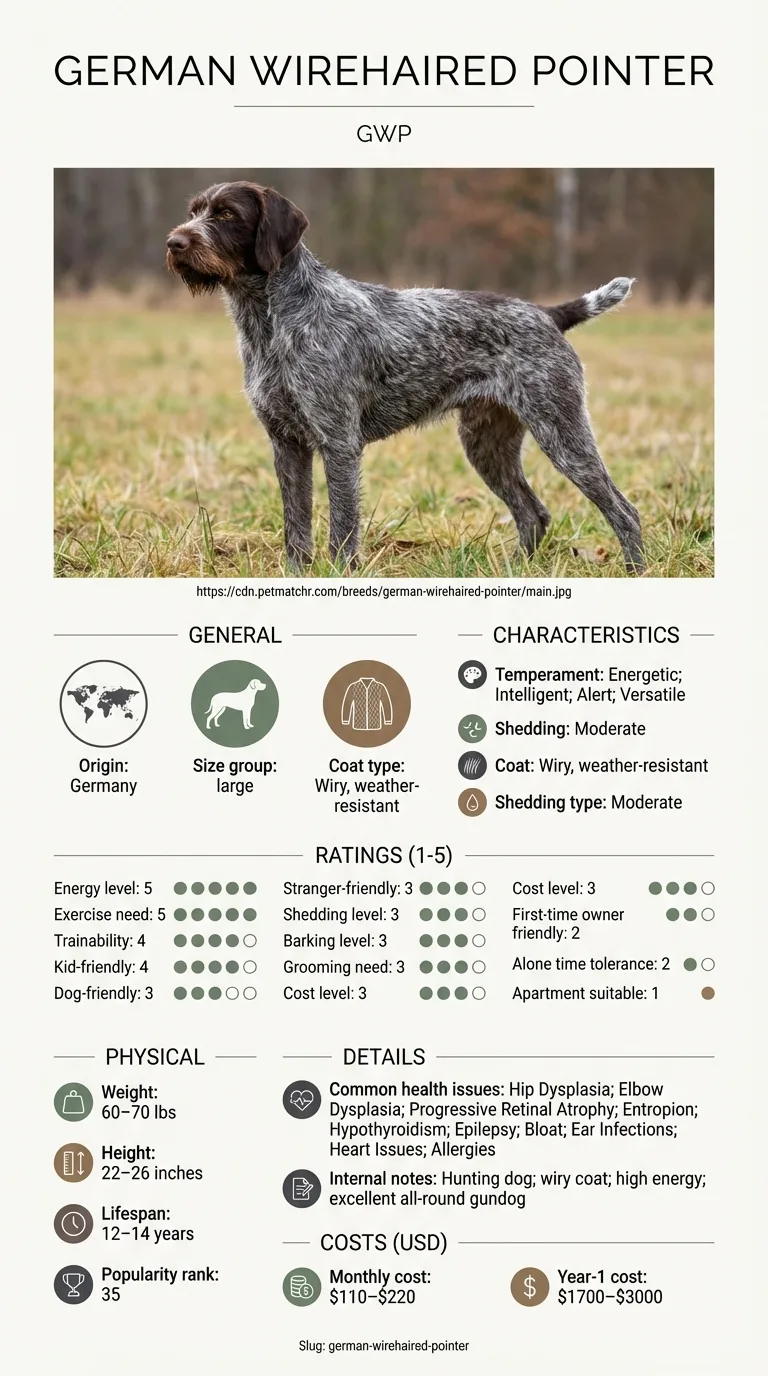
Understanding German Wirehaired Pointer Eye Problems infographic

Typically, owners of German Wirehaired Pointers may face these eye issues, especially those who are first-time dog parents. Busy families or individuals may overlook subtle signs, making it vital to stay informed about potential problems.

Important reminder

This guide is not medical advice. If your dog shows pain, sudden behavior change, or worsening symptoms, consult a licensed veterinarian.

Some links may be affiliate links. We may earn a commission at no extra cost to you. We only suggest products we believe are helpful for dog owners.

What this problem looks like

German Wirehaired Pointer eye problems can significantly affect their quality of life. These issues often manifest as redness, excessive tearing, or squinting. Common triggers include exposure to allergens, injuries while hunting, or genetic conditions like Progressive Retinal Atrophy.

Common triggers

  • Allergies to pollen or dust
  • Injuries from brush or thorns while outdoors
  • Genetic predispositions like Progressive Retinal Atrophy
  • Dust or debris in the eyes during vigorous activities

Eye problems are relatively common among German Wirehaired Pointers, with many owners reporting issues at some point in their dog's life. Regular check-ups can help catch these problems early, especially for those who are active outdoors.

Why this happens

Breed factors

German Wirehaired Pointers are active, energetic dogs that often face eye problems due to their hunting background. Their adventurous nature can lead to injuries from rough terrains or branches. Additionally, certain breed-specific health issues, like Progressive Retinal Atrophy and Entropion, may increase the likelihood of eye problems.

Environment factors

Environmental factors can also contribute to eye issues. Dust, pollen, and other irritants in the air can cause discomfort and lead to inflammation. Moreover, improper grooming or lack of regular eye cleaning can exacerbate these problems, making it essential to maintain their eye health.

What you can try

At-home strategies

  • Regularly clean your dog's eyes with a damp cloth to remove dust and debris.
  • Ensure your GWP has a safe play area, free from sharp objects that could injure their eyes.
  • Monitor for any signs of irritation, such as excessive tearing or squinting, and address them promptly.

When to consider a trainer

If your German Wirehaired Pointer shows signs of anxiety or distress during grooming or eye cleaning, it may be helpful to consult a trainer. They can provide techniques to help your dog feel more comfortable during these procedures.

When to talk to your vet

If you notice persistent redness, swelling, or discharge from your dog's eyes, it’s crucial to consult a vet. They can diagnose any underlying issues, including potential genetic conditions that may require specialized care.

Realistic expectations

You can expect to see improvements in your German Wirehaired Pointer's eye problems within 4 to 8 weeks, depending on the severity of the issue and the consistency of your training efforts.

Success means your dog shows fewer signs of discomfort, improved vision, and a reduction in any eye-related behaviors that may affect their quality of life. Regular vet check-ups and following advice will be crucial.

Mistakes that make this worse

These common mistakes can exacerbate German Wirehaired Pointer eye problems. Avoiding these behaviors can lead to a quicker recovery and better eye health.

  • Ignoring symptoms: Many owners overlook signs of eye problems, thinking they will resolve on their own. Regular vet check-ups can help catch issues early.
  • Using harsh cleaning products: Cleaning your dog's eyes with strong chemicals can cause irritation. Instead, opt for vet-approved eye wipes or saline solution.
  • Neglecting regular grooming: A dirty coat can lead to eye infections. Regular grooming helps keep your dog's fur clean and reduces the risk of eye issues.
  • Skipping vet visits: Some owners wait too long to see a vet when they notice eye problems. Timely veterinary intervention is crucial for effective treatment.
  • Overexposing to sunlight: Allowing your German Wirehaired Pointer to spend too much time in direct sunlight can worsen eye issues. Provide shade and limit sun exposure during peak hours.
  • Failing to manage allergies: Allergies can contribute to eye problems in dogs. Identifying and managing potential allergens can greatly improve your dog's eye health.
  • Neglecting hydration: Dehydration can lead to dry eyes. Ensure your dog has constant access to fresh water to keep their eyes lubricated.

When German Wirehaired Pointer Eye Problems Are an Emergency

Red flags that mean you should contact your vet immediately include sudden squinting, excessive tearing, or a noticeable change in eye color. If your dog is showing signs of pain, like pawing at their eyes or avoiding bright light, don't wait. Additionally, if you see any discharge that is yellow or green, treat this as an urgent matter.

On the other hand, mild cases can often be observed at home. If your German Wirehaired Pointer is simply experiencing some minor irritation, you might notice mild redness or slight tearing without other symptoms. In these cases, monitor your dog for changes and keep an eye on their behavior. If they seem comfortable and the symptoms do not worsen over the next day or two, you may not need to rush to the vet.

It's always better to err on the side of caution. If you're unsure, it's perfectly fine to call your vet for advice. They can help you determine if your dog's eye problems need immediate attention or if they can be treated with some simple home care.

Understanding German Wirehaired Pointer Eye Problems - When German Wirehaired Pointer Eye Problems Are an Emergency

Finding Clarity: Sarah and Max's Eye Journey

Sarah, a busy nurse from Denver, adopted Max, her German Wirehaired Pointer, who soon developed eye problems. At first, she was overwhelmed and unsure how to help him. After consulting a vet, she learned that Max had entropion, where his eyelids were turned inward. With a treatment plan and daily exercises, Sarah diligently followed the vet's advice and learned how to manage Max's discomfort. Within a couple of months, Max's condition improved significantly, and he was back to his playful self.

Key takeaway: The key takeaway from Sarah's experience is that early intervention and consistent training can make a big difference in managing German Wirehaired Pointer eye problems.

Frequently asked questions

Why does my German Wirehaired Pointer have eye problems?

German Wirehaired Pointer eye problems can be caused by various factors, including genetic issues, injuries, or environmental factors. Common conditions include Progressive Retinal Atrophy and Entropion, which can lead to serious vision issues. Regular vet check-ups can help catch these problems early.

How can I stop German Wirehaired Pointer eye problems?

To prevent eye problems in your German Wirehaired Pointer, ensure they have regular veterinary check-ups and keep their environment safe from hazards. Additionally, proper nutrition and hydration can support overall eye health. If you notice any unusual signs, like excessive tearing or squinting, consult your vet immediately.

What are the common eye issues in German Wirehaired Pointers?

Common eye issues in German Wirehaired Pointers include Progressive Retinal Atrophy, Entropion, and allergies that can cause irritation. Symptoms may include redness, swelling, or changes in vision. Monitoring your dog's eye health and addressing any concerns promptly can help manage these issues.

How can I train my German Wirehaired Pointer to avoid eye injuries?

Training your German Wirehaired Pointer to be cautious in their environment can help prevent eye injuries. Use commands like 'leave it' to keep them away from dangerous objects. Regular exercise in a safe area will also reduce the likelihood of accidents.

Are German Wirehaired Pointers prone to hereditary eye conditions?

Yes, German Wirehaired Pointers can be prone to hereditary eye conditions like Progressive Retinal Atrophy. It's essential to choose a reputable breeder who tests for genetic issues. Keeping your dog healthy with a balanced diet and regular vet visits is also vital.

What are common signs of eye problems in German Wirehaired Pointers?

Common signs of eye problems include excessive tearing, redness, cloudiness, or squinting. If you notice your GWP is frequently rubbing their eyes or seems to have difficulty seeing, it’s time to consult a vet.

Are certain age groups more prone to eye problems?

Yes, older German Wirehaired Pointers can be more prone to eye problems such as cataracts or progressive retinal atrophy. Regular vet check-ups are crucial as your dog ages to catch any potential issues early.

How can I prevent eye problems in my German Wirehaired Pointer?

To prevent eye problems, keep your dog's eyes clean and avoid exposing them to harmful substances or environments. Regular grooming and protecting their eyes from injury during outdoor activities can also help.

What should I do if my German Wirehaired Pointer is diagnosed with an eye condition?

If your GWP is diagnosed with an eye condition, follow your vet’s treatment plan closely. This may include medication, special diets, or even surgery depending on the severity of the issue.

Can training help with eye problems in German Wirehaired Pointers?

While training itself won't cure eye problems, it can help your dog adjust to any visual impairments. Teaching commands and cues can enhance their confidence and safety when navigating their environment.

Quick answers

View more answers
Behavior

What are quick tips for German Wirehaired Pointer eye problems?

Ensure regular vet check-ups and monitor for symptoms like excessive tearing or redness. Keeping their environment safe can prevent injuries and using protective gear when necessary can help.

Health

How often should I check my German Wirehaired Pointer's eyes?

You should check your German Wirehaired Pointer's eyes regularly for any signs of redness, swelling, or discharge. If you notice any changes, consult your vet promptly.

Health

What should I do if my German Wirehaired Pointer has an eye injury?

If your German Wirehaired Pointer has an eye injury, keep them calm and avoid letting them scratch or rub their eyes. Seek veterinary help immediately for proper treatment.

Related DogBreedCompass guides

  • German Wirehaired Pointer separation anxiety guideLearn how to address anxiety issues that might contribute to eye problems.
  • German Wirehaired Pointer behavior problemsUnderstand common behavior issues that can affect your GWP's health.
  • German Wirehaired Pointer cost breakdownExplore the costs associated with owning a German Wirehaired Pointer.
  • German Wirehaired Pointer eye problems trainingGet insights on training that can help prevent eye problems in your GWP.
  • German Wirehaired Pointer health concernsDiscover more about health issues specific to the German Wirehaired Pointer.

Related guides