Behavior
What are quick tips for German Wirehaired Pointer cruciate ligament injuries?
To avoid injuries, maintain a healthy weight and provide controlled exercise. Regular vet check-ups can help monitor your dog's joint health.

Quick answer
What are quick tips for German Wirehaired Pointer cruciate ligament injuries?
To avoid injuries, maintain a healthy weight and provide controlled exercise. Regular vet check-ups can help monitor your dog's joint health.
German Wirehaired Pointer cruciate ligament injuries can be serious and painful for your dog. Understanding this issue is crucial for their well-being.
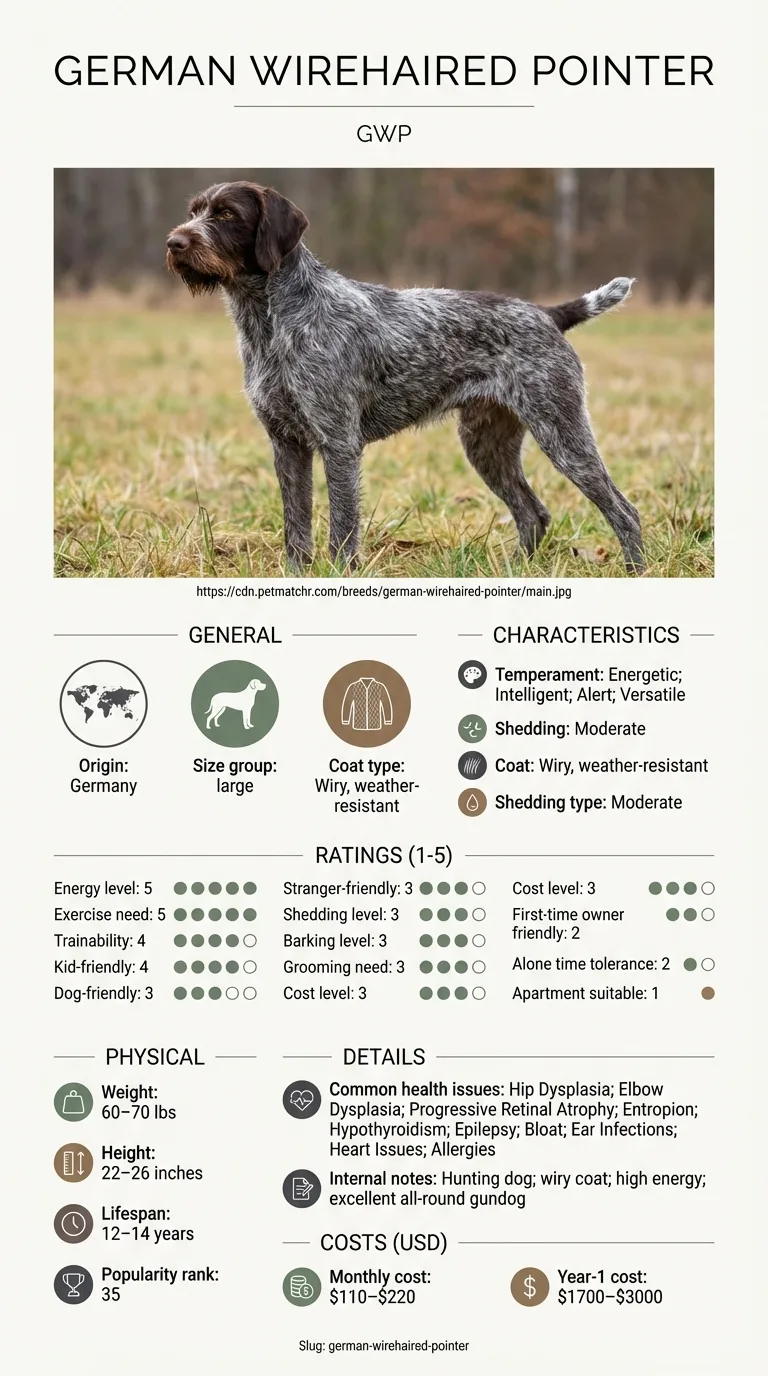
Owners of German Wirehaired Pointers, especially those who lead active lifestyles or have high-energy dogs, often face this challenge. Additionally, first-time owners may be particularly unprepared for the risks associated with such injuries.
This guide is not medical advice. If your dog shows pain, sudden behavior change, or worsening symptoms, consult a licensed veterinarian.
Some links may be affiliate links. We may earn a commission at no extra cost to you. We only suggest products we believe are helpful for dog owners.
We research and check what we publish, but we do not warrant that any figure, date, price, or statement is accurate, complete, or current, and we accept no liability for any loss, cost, injury, or other harm arising from the use of this site. Use it as one reference among several. You remain responsible for your own decisions and for your dog's care - confirm anything that matters with a licensed veterinarian or another qualified professional before you act on it. Full disclaimer.
Check this first
Recognizing the severity of German Wirehaired Pointer cruciate ligament injuries is crucial. Some signs indicate that immediate veterinary care is necessary, while others can be monitored at home. It's important to know the difference to ensure your dog receives the proper care at the right time.
If any of these apply, call your vet or an emergency clinic now. The rest of this page is for the cases that are not an emergency.
German Wirehaired Pointer cruciate ligament injuries are common issues that can cause significant pain and mobility problems. These injuries often result from sudden twists, jumps, or excessive strain on the knee. Owners may notice their dog limping, avoiding weight on the affected leg, or showing signs of discomfort during regular activities.
Cruciate ligament injuries are relatively common in German Wirehaired Pointers, especially given their active nature. Many dogs in this breed face these injuries, particularly as they age or if they are not maintained at a healthy weight.
German Wirehaired Pointers (GWPs) are large, energetic dogs that often engage in high-impact activities. Their strong drive for physical activity can lead to wear and tear on their joints, especially in their knees. Additionally, certain anatomical traits, like their size and muscle distribution, can increase the risk of cruciate ligament injuries.
The environment plays a significant role as well. If a GWP is frequently on hard surfaces or engages in sudden movements without proper warm-up, the risk of injury rises. Inadequate exercise or sudden changes in activity levels can also increase susceptibility to these injuries.
If you suspect a cruciate ligament injury due to sudden limping or if your dog is in pain, contact your veterinarian. They can perform the necessary examinations and recommend appropriate treatment or further action, such as surgery.
Avoiding these common mistakes can help your German Wirehaired Pointer recover from cruciate ligament injuries and prevent future issues.
Start here: German Wirehaired Pointer Most Common Genetic Disorders: Guide
See all German Wirehaired Pointer health problems, which breeds are prone to cruciate ligament injuries, or the full German Wirehaired Pointer breed guide for temperament, exercise needs and ownership costs.
Recovery from cruciate ligament injuries can take several months, often requiring 4 to 6 months for complete healing. Consistent follow-up with your vet will be crucial during this time.
Success means your German Wirehaired Pointer regains full mobility without pain and can return to their normal activity level. They should be able to enjoy walks and playtime without any signs of discomfort.
If your dog shows any of the following symptoms, consider it an emergency and contact your veterinarian immediately: - Severe limping or inability to bear weight on the affected leg. - Swelling around the knee that appears suddenly. - Signs of intense pain when the area is touched or moved. - A popping sound during an injury followed by immediate limping. - Excessive whining or vocalizations indicating distress. These symptoms may suggest a complete tear or other serious complications that require urgent medical attention.

In less severe situations, you can monitor your German Wirehaired Pointer at home. Look for mild limping or occasional stiffness, especially after exercise. If your dog can still move around and shows no signs of severe pain, you might not need immediate vet intervention. However, keep a close watch for any changes.

If you decide to monitor your dog, follow this simple action plan: - Limit exercise to prevent further injury. - Apply ice packs to reduce swelling. - Keep a log of symptoms to discuss with your vet later. - If symptoms worsen or persist beyond a few days, seek veterinary advice. This proactive approach can help you manage your dog's condition while ensuring you know when to escalate care.
When Sarah, a busy nurse, noticed her German Wirehaired Pointer, Max, limping after a play session, she immediately took him to the vet. After an examination, she learned that Max had a cruciate ligament injury. Following the vet's advice, Sarah committed to a strict rehabilitation plan that included rest, controlled exercise, and physical therapy. It was challenging, especially during his energetic phases, but after months of dedication, Max was back to chasing after his favorite tennis ball, proving that perseverance pays off.
Key takeaway: With proper care and patience, recovery from cruciate ligament injuries can lead to a happy and active life for your German Wirehaired Pointer.
German Wirehaired Pointer cruciate ligament injuries can occur due to a combination of factors including genetics, age, and activity level. These injuries are common in large, active breeds. If your dog is overweight or engages in high-impact activities, it increases their risk.
To prevent German Wirehaired Pointer cruciate ligament injuries, keep your dog at a healthy weight and avoid excessive jumping or rough play. Regular, controlled exercise can strengthen muscles around the joints. Consider consulting a vet for an appropriate exercise plan.
Treatment options for German Wirehaired Pointer cruciate ligament injuries may include rest, anti-inflammatory medications, and in some cases, surgery. Your vet can recommend the best treatment based on the severity of the injury and your dog's overall health.
Yes, physical therapy can be very effective for German Wirehaired Pointer cruciate ligament injuries. It can help improve mobility, strengthen muscles, and enhance recovery. Work with a certified canine rehabilitation specialist for the best results.
Recovery time for a German Wirehaired Pointer with a cruciate ligament injury can vary, but it generally takes 4 to 6 months. Factors such as the injury's severity and the treatment approach will influence recovery time.
Yes, if not treated properly, German Wirehaired Pointer cruciate ligament injuries can lead to chronic pain and arthritis. Early intervention and proper management are crucial to prevent further complications.
Common signs include limping, reluctance to walk or run, and difficulty rising after rest. If your German Wirehaired Pointer is showing these symptoms, it's crucial to see a vet for a proper diagnosis.
For older dogs, maintaining a healthy weight is essential to reduce stress on their joints. Gentle exercises and physical therapy can also help, but consult your vet for tailored advice.
Yes, high-impact activities like jumping or sudden stops can increase the risk of these injuries. It's best to engage your German Wirehaired Pointer in low-impact activities to keep them safe.
Surgery may be necessary if conservative treatments, like rest and medication, are ineffective. Consult your vet to discuss the best options based on your dog's specific condition.
Yes, training that focuses on building strength and flexibility can help prevent injuries. Incorporate low-impact exercises and gradually increase activity levels to keep your dog safe.
To avoid injuries, maintain a healthy weight and provide controlled exercise. Regular vet check-ups can help monitor your dog's joint health.
Focus on low-impact activities and gradually increase intensity. Training should include joint-friendly exercises to build strength safely.
If you suspect an injury, limit your dog's activity and consult your vet immediately. Early diagnosis can lead to better treatment outcomes.
Yes, gentle range-of-motion exercises and swimming are excellent options. Always consult your vet or a canine physical therapist for tailored exercises.
Treatment costs can range from a few hundred to several thousand dollars, depending on the severity and treatment type. Always discuss costs with your vet ahead of time.
A one-page prep sheet for this condition: the signs, the questions to ask, what to get priced. Unlocks here.
You get: Vet visit prep sheet
No spam. One-click unsubscribe. See our privacy policy.
See a sample page before you decide.
Early access list
The free prep sheet covers the same-day warning signs, a symptom log and the questions to ask. We are considering a fuller kit that adds a cost worksheet for the usual tests and treatments (US price ranges with their sources) and a plain-English guide to ways of covering the bill. It is not built yet; this list tells us whether it is worth building.
One email, no spam, unsubscribe anytime. Information only, not veterinary advice.