Health
What are some quick tips for German Wirehaired Pointer cancer?
Regular vet check-ups are key to early detection. Maintain a balanced diet and ensure your dog gets plenty of exercise.

Quick answer
What are some quick tips for German Wirehaired Pointer cancer?
Regular vet check-ups are key to early detection. Maintain a balanced diet and ensure your dog gets plenty of exercise.
Cancer is a serious concern for German Wirehaired Pointers, impacting their health and quality of life.
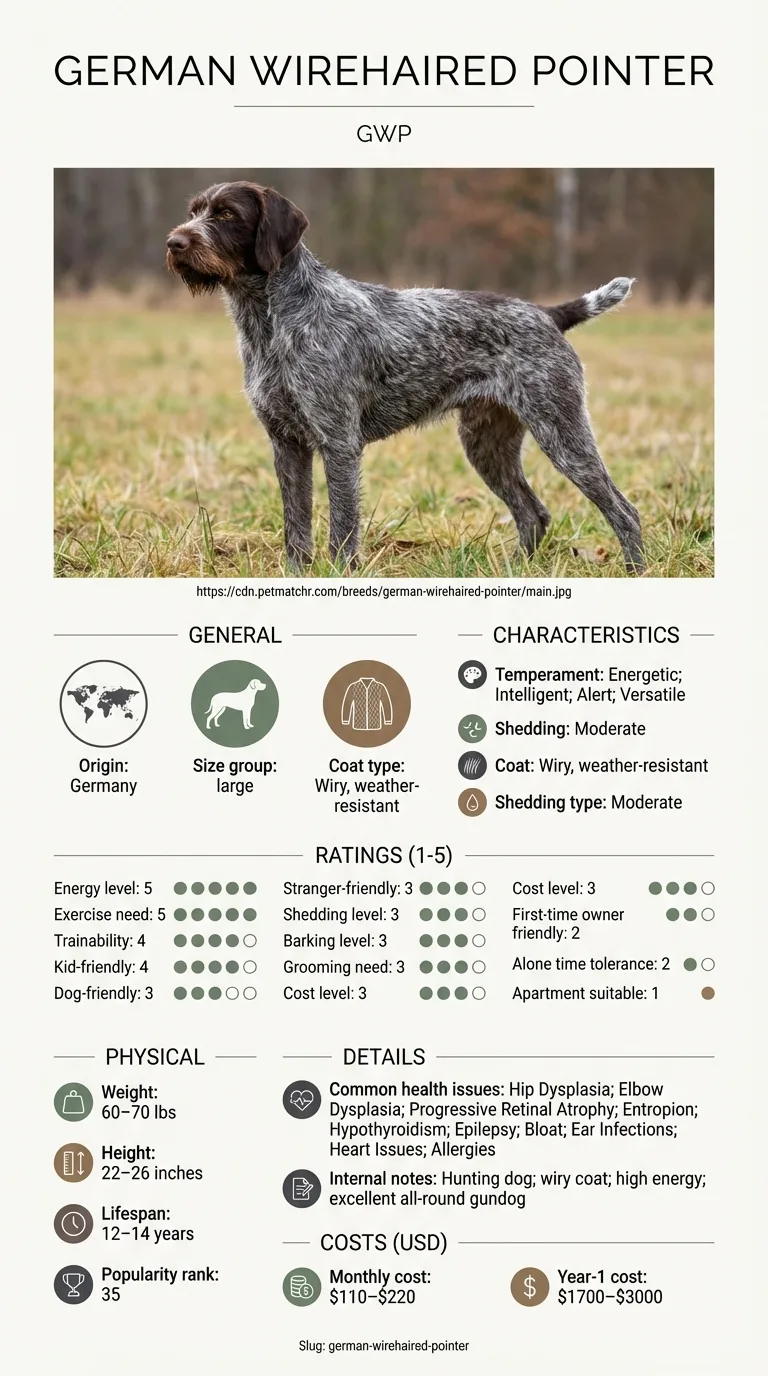
Owners of German Wirehaired Pointers, especially those who are first-time pet parents or live in areas with limited veterinary resources, may struggle with the emotional and practical challenges of dealing with cancer. This issue is particularly tough for families who have a strong bond with their dogs and want to ensure they lead a happy, healthy life.
This guide is not medical advice. If your dog shows pain, sudden behavior change, or worsening symptoms, consult a licensed veterinarian.
Some links may be affiliate links. We may earn a commission at no extra cost to you. We only suggest products we believe are helpful for dog owners.
We research and check what we publish, but we do not warrant that any figure, date, price, or statement is accurate, complete, or current, and we accept no liability for any loss, cost, injury, or other harm arising from the use of this site. Use it as one reference among several. You remain responsible for your own decisions and for your dog's care - confirm anything that matters with a licensed veterinarian or another qualified professional before you act on it. Full disclaimer.
Check this first
Knowing when to act quickly is crucial for your German Wirehaired Pointer's health. If you notice any severe symptoms, such as sudden weight loss, persistent vomiting, or unusual lumps, it's time to call your vet immediately. These red-flag signs could indicate a serious health issue that requires urgent attention.
In less severe cases, you might see symptoms like mild lethargy or occasional loss of appetite. While these should still be monitored, they don't necessarily require an emergency visit. Instead, develop a watch-and-wait plan with your vet to keep track of any changes. Regular check-ups can also help catch issues early.
Always trust your instincts. If something feels off with your dog, don’t hesitate to seek veterinary advice. Early detection can make a significant difference in treatment outcomes for conditions like cancer.
If any of these apply, call your vet or an emergency clinic now. The rest of this page is for the cases that are not an emergency.
German Wirehaired Pointer cancer is a serious concern for many owners. This breed is known to have higher rates of cancer, which can be distressing for both dogs and their families. Everyday signs may include unusual lethargy, loss of appetite, or swelling in certain areas, making it crucial for owners to stay vigilant.
Cancer is increasingly common in German Wirehaired Pointers, with studies showing they are more prone to various forms of the disease compared to some other breeds. Regular vet visits and screenings can help catch issues early.
German Wirehaired Pointers may be prone to certain genetic conditions, including cancer. Their hunting background gives them a robust constitution, but this doesn't make them immune to diseases. Also, their size can contribute to higher risks for certain types of tumors.
Environmental factors such as exposure to toxins, poor diet, and lack of exercise can also contribute to cancer in dogs. If your GWP is in a stressful environment or is not getting regular vet check-ups, these factors can increase their risk. Additionally, obesity can lead to more health issues, including cancer.
If you notice unusual lumps, weight loss, or changes in appetite, consult your vet immediately. Regular check-ups are crucial, particularly as your dog ages, to catch any potential issues early, including cancer.
Understanding the mistakes that can worsen cancer symptoms in your German Wirehaired Pointer is crucial. Here are some common pitfalls and safer alternatives.
Start here: German Wirehaired Pointer Most Common Genetic Disorders: Guide
See all German Wirehaired Pointer health problems, which breeds are prone to cancer, or the full German Wirehaired Pointer breed guide for temperament, exercise needs and ownership costs.
Managing German Wirehaired Pointer cancer can take several months to years, depending on the type and stage. Regular vet check-ups and treatment plans can lead to gradual improvements.
Success looks like a stable, comfortable life for your dog, with effective management of symptoms and a supportive care routine. It’s about quality of life rather than a definitive cure.
When Sarah, a busy nurse in Seattle, discovered that her German Wirehaired Pointer, Max, had cancer, she felt overwhelmed. At first, she struggled with treatment decisions and felt helpless. After consulting with a veterinary oncologist, Sarah learned about options including surgery and chemotherapy. She created a care routine that involved regular vet visits, a special diet, and plenty of love. Gradually, Max's energy returned, and he even resumed his favorite hikes. While the journey wasn't easy, Sarah found a supportive community online and learned the importance of being proactive about Max's health.
Key takeaway: With the right support and medical care, you can manage your German Wirehaired Pointer's cancer and improve their quality of life.
Cancer in German Wirehaired Pointers can be caused by a mix of genetics and environmental factors. Some breeds are more prone to certain types of cancer due to inherited traits. Regular vet check-ups can help catch any issues early. This answer relates to German Wirehaired Pointer cancer.
Preventing cancer isn't foolproof, but you can lower risks by providing a healthy diet, regular exercise, and avoiding harmful chemicals in their environment. Keeping up with vaccinations and routine vet visits is also essential.
Look for signs like unexplained weight loss, lumps, difficulty breathing, or changes in appetite. If you notice any of these symptoms, consult your vet for a thorough examination.
Treatment options for cancer may include surgery, chemotherapy, or radiation, depending on the type and stage. Your vet will help determine the best approach based on your dog's specific situation.
Cancer treatment can be expensive, ranging from a few hundred to several thousand dollars depending on the treatment type and duration. Be prepared for ongoing costs if your dog requires long-term care.
Support your German Wirehaired Pointer during cancer treatment by ensuring they have a comfortable environment, maintaining a healthy diet, and keeping their routine as normal as possible. Regular check-ins with your vet will also help manage their health effectively.
Yes, cancer is generally more common in older dogs, including German Wirehaired Pointers. Regular veterinary check-ups can help catch any issues early, which is crucial for effective treatment.
While no diet can guarantee cancer prevention, feeding your German Wirehaired Pointer a balanced diet rich in antioxidants and healthy fats may support their overall health. Consult your vet for tailored dietary advice.
Regular vet check-ups are key to early detection. Maintain a balanced diet and ensure your dog gets plenty of exercise.
Provide a calm environment and monitor their eating habits. Offer pain relief as prescribed by your vet.
Some studies suggest that diets rich in omega-3 fatty acids may support dogs with cancer. Always consult your vet before making dietary changes.
Spend quality time with them and engage in gentle activities they enjoy. Comfort and reassurance can help relieve anxiety.
A one-page prep sheet for this condition: the signs, the questions to ask, what to get priced. Unlocks here.
You get: Vet visit prep sheet
No spam. One-click unsubscribe. See our privacy policy.
Preview page 1 before you decide.