Training
What are quick tips for managing German Shepherd wobbler syndrome?
Consult your vet for a tailored exercise plan, maintain a healthy diet, and consider physical therapy options to support your dog's mobility.

Quick answer
What are quick tips for managing German Shepherd wobbler syndrome?
Consult your vet for a tailored exercise plan, maintain a healthy diet, and consider physical therapy options to support your dog's mobility.
German Shepherd wobbler syndrome is a serious condition that affects your dog's mobility and quality of life. Understanding it is crucial for any GSD owner.
Owners of German Shepherds, particularly those who are first-time dog parents or those unfamiliar with canine health issues, often find themselves puzzled and worried when their dog shows signs of wobbler syndrome.
This guide is not medical advice. If your dog shows pain, sudden behavior change, or worsening symptoms, consult a licensed veterinarian.
Some links may be affiliate links. We may earn a commission at no extra cost to you. We only suggest products we believe are helpful for dog owners.
We research and check what we publish, but we do not warrant that any figure, date, price, or statement is accurate, complete, or current, and we accept no liability for any loss, cost, injury, or other harm arising from the use of this site. Use it as one reference among several. You remain responsible for your own decisions and for your dog's care - confirm anything that matters with a licensed veterinarian or another qualified professional before you act on it. Full disclaimer.
Check this first
Recognizing when German Shepherd wobbler syndrome becomes an emergency is crucial for your dog's health. There are specific signs that indicate immediate veterinary care is needed. If your dog is experiencing severe neck pain, inability to walk or stand, or sudden changes in behavior, these are red flags that should prompt a vet visit right away.
Additionally, if your German Shepherd has difficulty breathing, shows signs of paralysis, or has a significant loss of coordination, do not wait. These symptoms may indicate a serious progression of the disease or other underlying issues.
On the other hand, if your dog has mild wobbly movements, occasional stiffness, or minor coordination issues, you can monitor the situation at home. Keeping a close eye on your dog’s activity levels and behavior can help. Regular check-ins with your vet for assessments can also be beneficial. Make sure to have a plan in place, such as specific exercises or lifestyle adjustments, to help manage their condition.
If any of these apply, call your vet or an emergency clinic now. The rest of this page is for the cases that are not an emergency.
German Shepherd wobbler syndrome is a serious health issue that affects the neck and spinal cord, causing instability and coordination problems. Daily life for a dog with this condition may include wobbling or swaying while walking, difficulty standing up, or even stumbling. These symptoms can lead to frustration for both the dog and owner, making it challenging to enjoy normal activities.
Wobbler syndrome is relatively common in German Shepherds, especially those between 3 to 7 years old. Though not every German Shepherd will develop this condition, it occurs frequently enough that owners should be aware of its signs.
German Shepherds are prone to genetic conditions, including Wobbler Syndrome. This condition results from malformations in the cervical spine, which can cause instability and nerve compression. Larger breeds, especially those like the GSD, are often more susceptible due to their body structure.
Environmental factors can also contribute to the development of Wobbler Syndrome. Excessive jumping or rough play can strain the neck and spine. Additionally, an improper diet leading to obesity can worsen the condition by putting extra pressure on the spine.
Consult your vet if your dog displays severe symptoms, such as wobbling, dragging their feet, or significant pain. Early intervention can help manage the condition effectively and improve your dog's quality of life.
Avoiding these common mistakes can help you manage your German Shepherd's wobbler syndrome more effectively.
Start here: German Shepherd Most Common Genetic Disorders: Screening
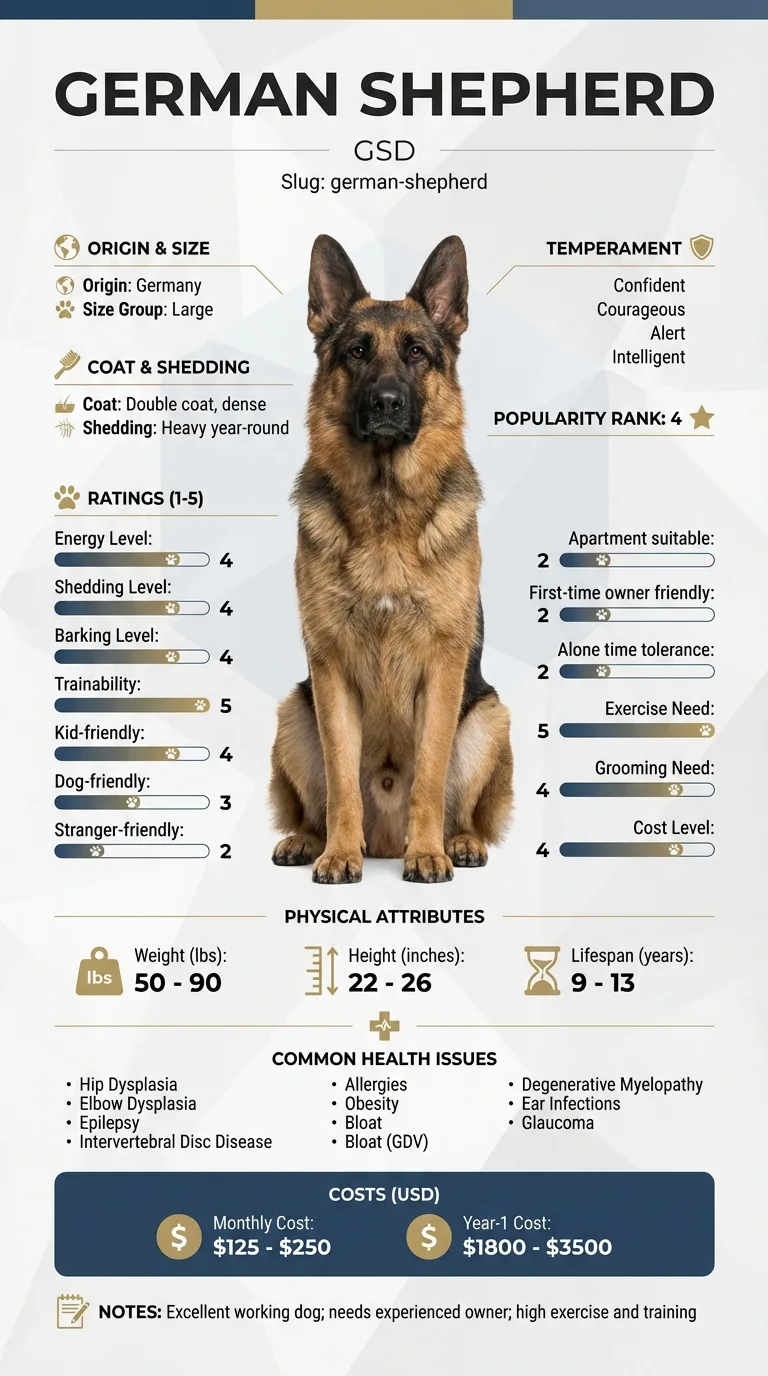
See all German Shepherd health problems, which breeds are prone to wobbler syndrome, or the full German Shepherd breed guide for temperament, exercise needs and ownership costs.
Typically, it takes 3 to 6 months of consistent care and follow-up with your vet to see noticeable improvement in a German Shepherd with wobbler syndrome.
Success means your dog shows improved mobility, reduced wobbling, and increased comfort. Regular vet check-ups and a tailored exercise plan are key.
Emily, a dedicated German Shepherd owner, noticed her dog Max wobbling when he walked. Concerned, she consulted a vet who diagnosed him with wobbler syndrome. Emily learned how to modify Max's exercise routine and started a gentle training program focused on strengthening his neck and back muscles. After months of patience, she saw Max regain his confidence and mobility, allowing him to enjoy longer walks again.
Key takeaway: Managing German Shepherd wobbler syndrome requires commitment and a tailored approach, but with the right care, improvement is possible.
Wobbler syndrome often occurs due to genetic factors or developmental issues in large breeds like German Shepherds. It can result from malformation of the vertebrae or ligaments in the neck, leading to pressure on the spinal cord.
Treatment for German Shepherd wobbler syndrome usually involves a mix of medication, physical therapy, and sometimes surgery. Consult your vet for a tailored treatment plan based on your dog's condition.
While training can improve your dog's overall behavior and confidence, it won't cure wobbler syndrome. However, gentle exercises recommended by your vet can help maintain mobility and strength.
The costs can range from $500 to $7,000 depending on treatment options, such as medications, therapies, or surgery. It's crucial to prepare for these expenses when considering ownership.
Watch for increased wobbling, difficulty standing, or signs of pain like whining or reluctance to move. If you notice these symptoms, contact your veterinarian promptly.
Yes, wobbler syndrome can be hereditary. It's essential to choose a reputable breeder who screens for this condition to reduce the risk in your dog.
Wobbler syndrome in German Shepherds is often caused by cervical vertebral instability. This condition can be due to genetic factors, injury, or degenerative changes in the cervical spine. It’s important to consult a vet if you notice signs of wobbling or difficulty walking.
Older German Shepherds with wobbler syndrome may show signs like unsteady gait, dragging their paws, or difficulty in getting up. They might also exhibit muscle atrophy in the neck and back. If you observe these symptoms, it's vital to seek veterinary advice.
Yes, some dogs with wobbler syndrome can be managed without surgery through physical therapy, medications, and weight management. Training can also help strengthen muscles around the spine. However, each case is unique, so it's essential to discuss options with your vet.
To help your German Shepherd with wobbler syndrome, ensure they get regular, low-impact exercise. Providing a comfortable and supportive bed can also help alleviate discomfort. Regular vet check-ups are crucial for monitoring their condition and adjusting treatment as needed.
The cost of treating wobbler syndrome can vary significantly, ranging from $500 to $7,000 depending on the severity and treatment options. This may include veterinary consultations, medications, or surgical procedures. It's wise to budget for potential ongoing care as well.
Consult your vet for a tailored exercise plan, maintain a healthy diet, and consider physical therapy options to support your dog's mobility.
Create a safe environment with non-slip surfaces and avoid stairs to prevent falls. Gentle, controlled exercise is beneficial.
If your dog appears to be in pain or shows increased wobbling, contact your veterinarian immediately for advice.
Regular check-ups every 6 to 12 months are recommended to monitor your dog's condition and adjust treatments as needed.
Expect to spend between $500 and $7,000 depending on the treatment options chosen, so budgeting is essential.
A one-page prep sheet for this condition: the signs, the questions to ask, what to get priced. Unlocks here.
You get: Vet visit prep sheet
No spam. One-click unsubscribe. See our privacy policy.
Preview page 1 before you decide.