Health
What are quick tips for managing German Shepherd von Willebrand's disease?
Regular vet visits, avoiding unnecessary surgeries, and monitoring for bleeding are crucial for managing this condition.

Quick answer
What are quick tips for managing German Shepherd von Willebrand's disease?
Regular vet visits, avoiding unnecessary surgeries, and monitoring for bleeding are crucial for managing this condition.
German Shepherd von Willebrand's disease is a bleeding disorder that can affect your dog's health and well-being.
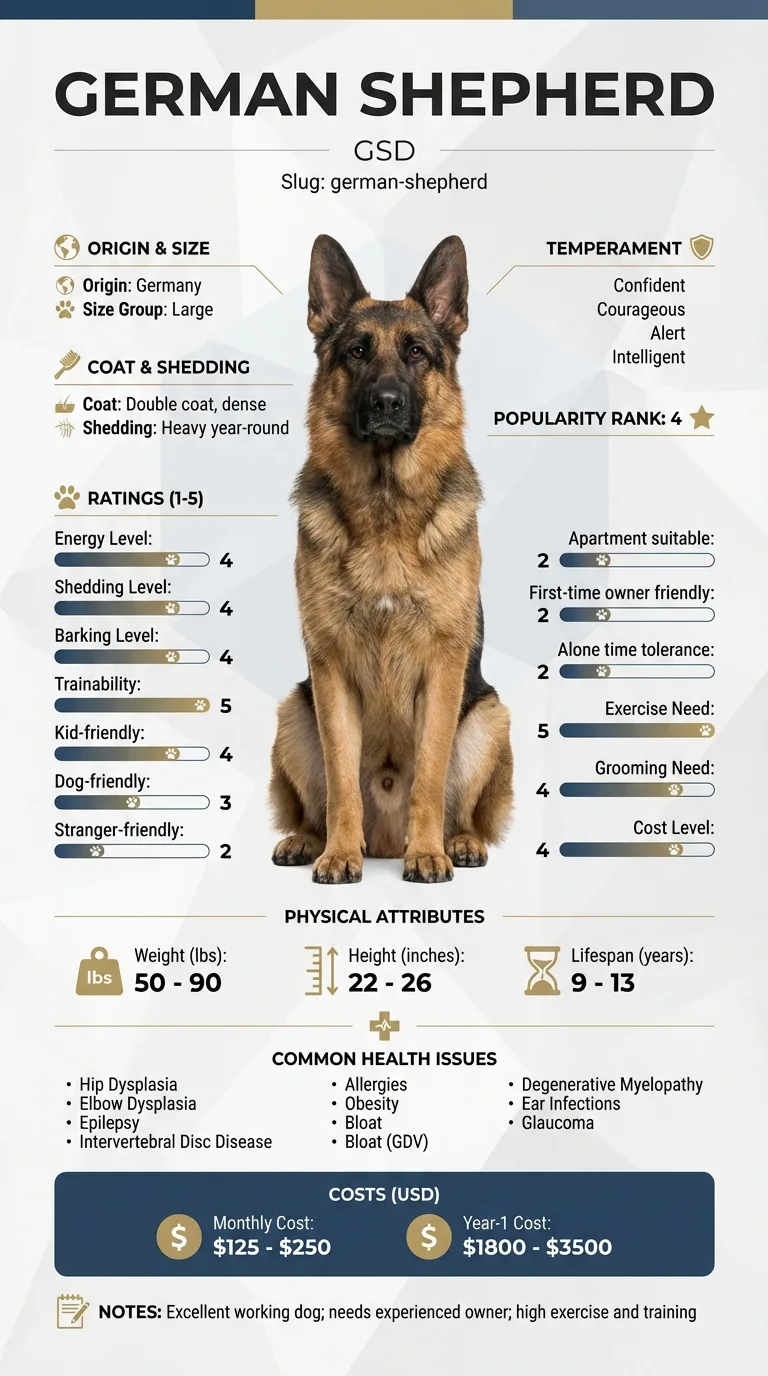
Owners of German Shepherds often face this issue, especially those who are new to the breed or are unaware of hereditary health problems. This can be particularly concerning for families with children or other pets, as they may not know how to handle potential bleeding incidents.
This guide is not medical advice. If your dog shows pain, sudden behavior change, or worsening symptoms, consult a licensed veterinarian.
Some links may be affiliate links. We may earn a commission at no extra cost to you. We only suggest products we believe are helpful for dog owners.
We research and check what we publish, but we do not warrant that any figure, date, price, or statement is accurate, complete, or current, and we accept no liability for any loss, cost, injury, or other harm arising from the use of this site. Use it as one reference among several. You remain responsible for your own decisions and for your dog's care - confirm anything that matters with a licensed veterinarian or another qualified professional before you act on it. Full disclaimer.
Check this first
Recognizing when German Shepherd von Willebrand's disease becomes an emergency is crucial for your dog's health. Red-flag signs indicate that immediate veterinary attention is necessary. Look out for symptoms like excessive bleeding from minor cuts, prolonged bleeding after surgery, or bleeding gums. If your dog shows any of these signs, don’t hesitate—call your vet right away.
On the other hand, there are mild cases of von Willebrand's disease that can be monitored at home. If your German Shepherd has a minor nosebleed or small cuts that stop bleeding on their own, it's usually safe to keep an eye on the situation. You can manage these symptoms with a plan that includes regular vet check-ups and monitoring your dog's behavior.
In summary, act quickly if your dog is bleeding heavily or showing severe symptoms. For milder cases, keep a close watch and consult your vet for guidance. Understanding these differences can help you navigate the challenges of managing your German Shepherd's health effectively.
If any of these apply, call your vet or an emergency clinic now. The rest of this page is for the cases that are not an emergency.
German Shepherd von Willebrand's Disease is a bleeding disorder that affects how blood clots. This condition can lead to excessive bleeding from minor injuries or during surgery. Owners may notice their dogs bleeding more than usual or experiencing unexplained bruising.
Von Willebrand's Disease is relatively common in German Shepherds, affecting around 1 in 50 dogs in this breed. It's essential for owners to be aware of this condition, especially since it can be hereditary.
German Shepherds are prone to genetic conditions, including von Willebrand's disease, which is a bleeding disorder. This illness affects their ability to clot blood properly, making them more susceptible to bleeding. It's inherited, meaning if your dog has it, it likely came from their lineage.
Environmental factors like stress or trauma can exacerbate symptoms of von Willebrand's disease. If a German Shepherd experiences frequent injuries or high-stress situations, it may lead to more noticeable bleeding problems. Additionally, poor nutrition can affect overall health and potentially complicate existing conditions.
If you notice excessive bleeding, lethargy, or any sudden changes in behavior, consult your vet immediately. Regular check-ups are essential to monitor the condition and adjust care as needed.
Avoiding certain behaviors can help manage your German Shepherd's von Willebrand's disease more effectively. Here are common mistakes to watch out for.
Start here: German Shepherd Most Common Genetic Disorders: Screening
See all German Shepherd health problems, which breeds are prone to von willebrands disease, or the full German Shepherd breed guide for temperament, exercise needs and ownership costs.
Managing German Shepherd von Willebrand's disease typically takes several months of consistent care and follow-up with your vet. Expect to see gradual improvements in your dog's condition as you work with your vet and adjust their routine.
Success means your German Shepherd will have fewer bleeding episodes and a better quality of life. You’ll also feel more confident in handling their care and recognizing signs that need attention.
When Jake adopted Bella, his energetic German Shepherd, he was excited to spend time with her. However, he quickly learned about her diagnosis of von Willebrand's disease after a minor injury led to excessive bleeding. Worried and confused, Jake worked closely with his vet to develop a treatment plan that included regular check-ups and a careful diet. He also learned to manage Bella's activities to minimize injury risk. After a few months, Jake noticed Bella was more stable and had fewer health scares, which helped ease his anxiety about her condition.
Key takeaway: With dedication and the right support, managing German Shepherd von Willebrand's disease can lead to a happy, healthy life for your dog.
German Shepherd von Willebrand's disease is a bleeding disorder caused by a deficiency of a specific clotting protein. This condition can lead to excessive bleeding, especially after surgery or injury. It's essential to have regular check-ups with your vet to monitor your dog's health.
Managing this condition involves regular veterinary check-ups and possibly avoiding surgeries unless absolutely necessary. You should also monitor your dog for signs of excessive bleeding, like prolonged bleeding from small cuts or unusual bruising.
While there is no cure for von Willebrand's disease, treatments can include desmopressin, which helps increase clotting factors in the blood. Consult your vet for an appropriate treatment plan tailored to your dog's needs.
Training can help your German Shepherd learn commands and improve their behavior, reducing stress and potential injuries. Focus on gentle and positive reinforcement techniques to ensure your dog feels comfortable and secure.
Yes, older German Shepherds can develop von Willebrand's disease, especially if they have a genetic predisposition. It's important to monitor any bleeding or unusual bruising and consult a vet for advice.
If your German Shepherd experiences a bleeding episode, remain calm and apply gentle pressure to the area. Seek immediate veterinary care to assess the situation and provide necessary treatment.
Von Willebrand's disease is diagnosed through blood tests that measure the levels of von Willebrand factor. Your vet will evaluate your dog’s history and symptoms to determine the right tests.
While you can't prevent von Willebrand's disease, regular veterinary check-ups can help catch any issues early. Being aware of your dog's health and avoiding risky activities can also reduce complications.
A balanced diet can support your German Shepherd's overall health, but it won't cure von Willebrand's disease. Consult your vet for specific dietary recommendations that can help manage the condition.
Regular vet visits, avoiding unnecessary surgeries, and monitoring for bleeding are crucial for managing this condition.
Signs include prolonged bleeding from cuts, unusual bruising, or blood in urine or stool. If you notice any of these, contact your vet immediately.
Yes, von Willebrand's disease is relatively common in German Shepherds due to genetic predisposition. Being aware of this can help in early detection.
A one-page prep sheet for this condition: the signs, the questions to ask, what to get priced. Unlocks here.
You get: Vet visit prep sheet
No spam. One-click unsubscribe. See our privacy policy.
Preview page 1 before you decide.