Behavior
What are quick tips for managing German Shepherd heat sensitivity?
Ensure your German Shepherd has access to shade, water, and cool areas. Limit exercise during hot days and consider using cooling products like vests or mats.
German Shepherd heat sensitivity can put your dog at risk during hot weather. It's crucial to understand this issue to keep your pup safe.
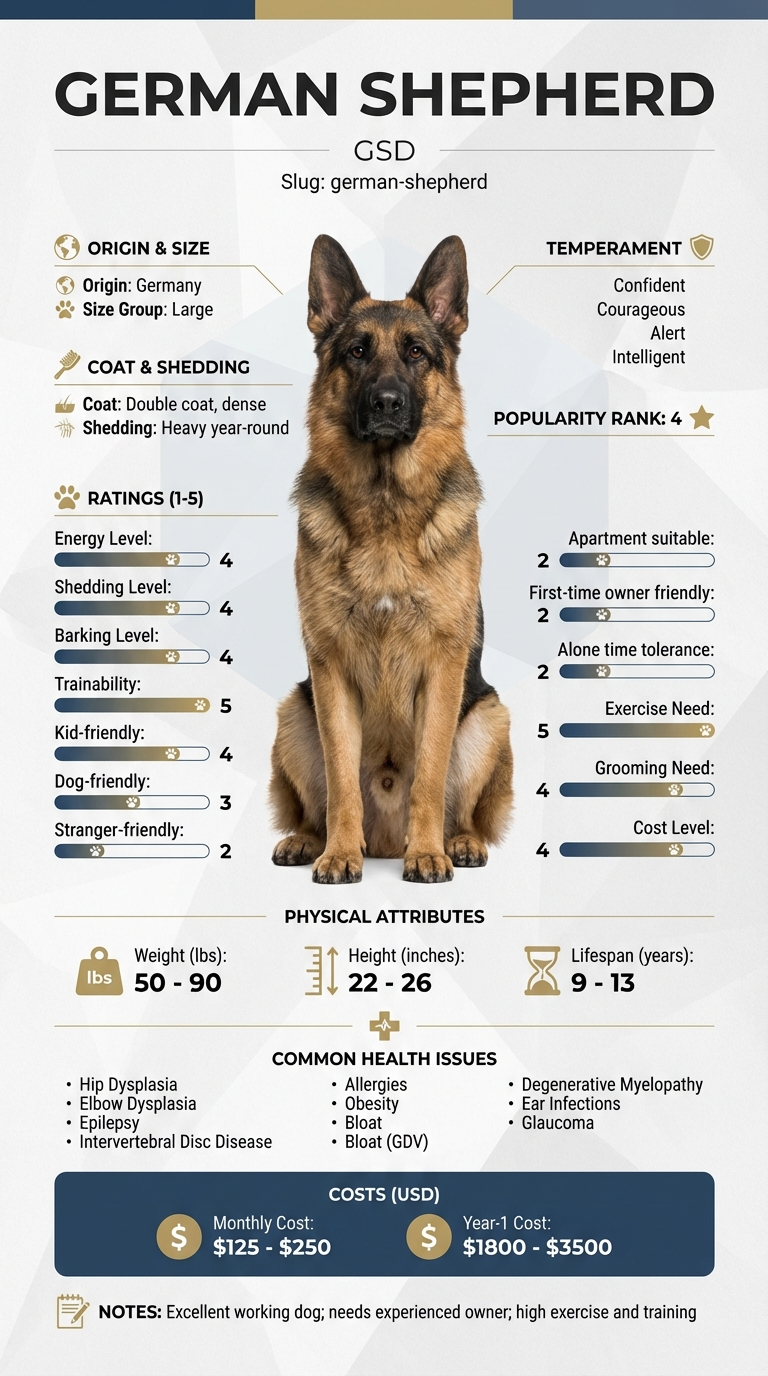
Owners of German Shepherds, especially those living in warmer climates, often struggle with heat sensitivity. First-time dog owners may find it challenging to recognize the signs of overheating and how to prevent it effectively.
This guide is not medical advice. If your dog shows pain, sudden behavior change, or worsening symptoms, consult a licensed veterinarian.
Some links may be affiliate links. We may earn a commission at no extra cost to you. We only suggest products we believe are helpful for dog owners.
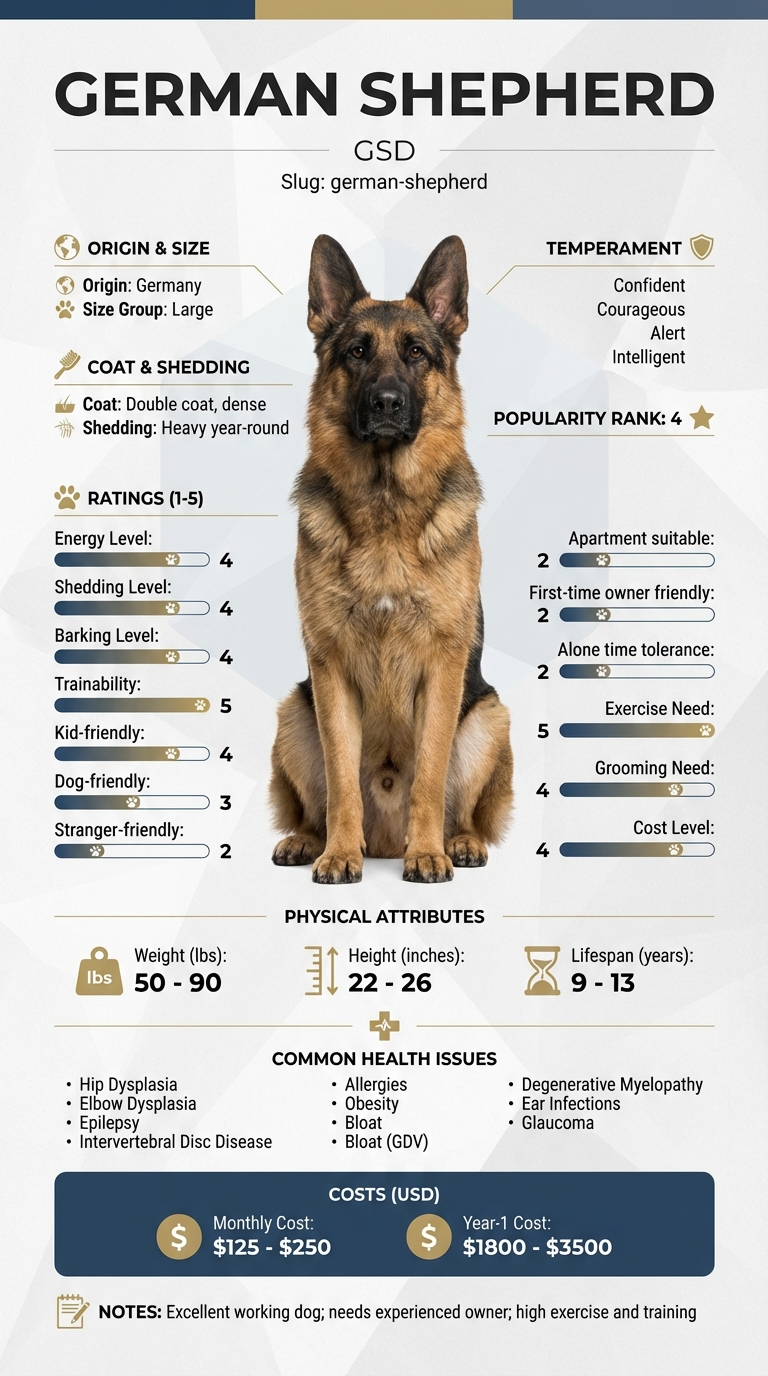
German Shepherd heat sensitivity is a common issue that many owners face. This condition can manifest as excessive panting, lethargy, or even disorientation when the temperatures rise. Because of their dense double coat, GSDs are particularly vulnerable to overheating, especially during the summer months or in hot indoor environments.
Heat sensitivity is quite common among German Shepherds, with many owners reporting incidents during warmer weather. It's important to monitor their behavior closely, as some dogs may not show obvious signs until they are significantly overheated.
German Shepherds, or GSDs, have a double coat that keeps them warm in cold weather but can make it hard for them to cool down in heat. Their size and muscle mass also contribute to higher internal temperatures during hot days. This breed is prone to heat sensitivity, which can lead to overheating and heatstroke if not managed properly.
Environmental factors play a major role in heat sensitivity. High temperatures, high humidity, and lack of shade can all exacerbate your GSD's discomfort. If your dog is also confined indoors without proper ventilation or access to cool areas, it can lead to increased stress and health risks.
If your German Shepherd shows extreme anxiety or stress when exposed to heat, it may be time to consult a professional trainer. They can help develop a gradual desensitization program. This is especially important if your dog has developed negative associations with hot weather or outdoor activities.
If your dog displays signs of heat exhaustion, such as excessive panting, drooling, or lethargy, contact your veterinarian immediately. Regular check-ups are essential, especially if your GSD has underlying health issues like obesity or respiratory conditions that could worsen heat sensitivity.
You can expect to see improvements in your German Shepherd's heat sensitivity within 2 to 4 weeks of consistent training and management techniques.
Success means your German Shepherd can enjoy outdoor activities without excessive panting or discomfort. They should be able to rest comfortably in cooler areas, and you will feel confident managing their heat sensitivity.
Avoiding these common mistakes can help your German Shepherd cope better with heat sensitivity. Here are some behaviors to watch out for:
Understanding when German Shepherd heat sensitivity becomes an emergency is crucial for your dog's health. If your dog shows severe signs of distress, it’s time to call the vet immediately. Watch for symptoms like excessive panting, rapid heartbeat, vomiting, or lethargy.
These can indicate heatstroke, which can be life-threatening.
You should also be concerned if your dog collapses, has a seizure, or is excessively drooling. These red flags signal that immediate medical attention is essential. On the other hand, if your German Shepherd is simply panting moderately or seems a bit uncomfortable in warm weather, there are ways to monitor and manage the situation.
You can help them cool down with shade, water, or a fan.
If your dog is mildly affected, observe them closely for changes in behavior. Ensure they stay hydrated and avoid strenuous activities during peak heat. Create a cooling plan, such as early morning or late evening walks, to help them cope.
However, never ignore escalating symptoms. When in doubt, it’s best to err on the side of caution and consult your vet.
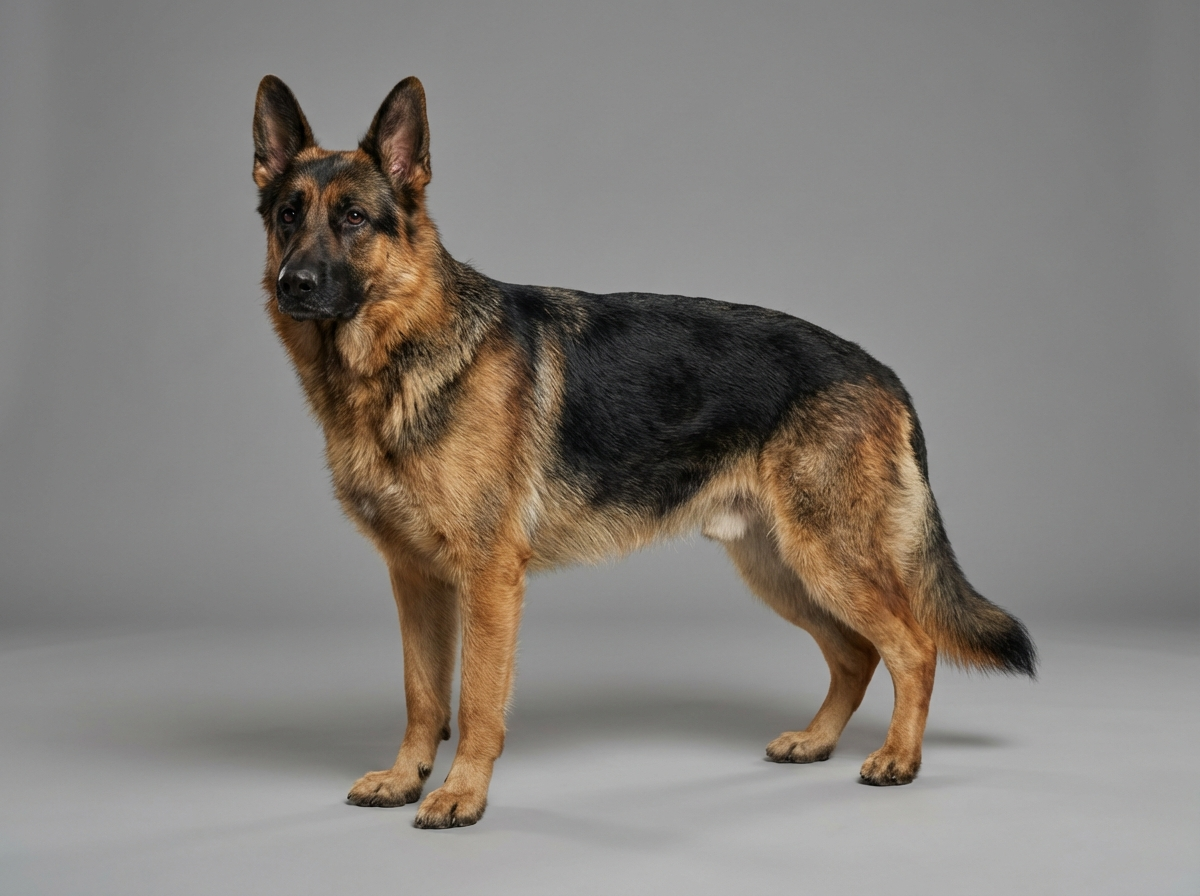
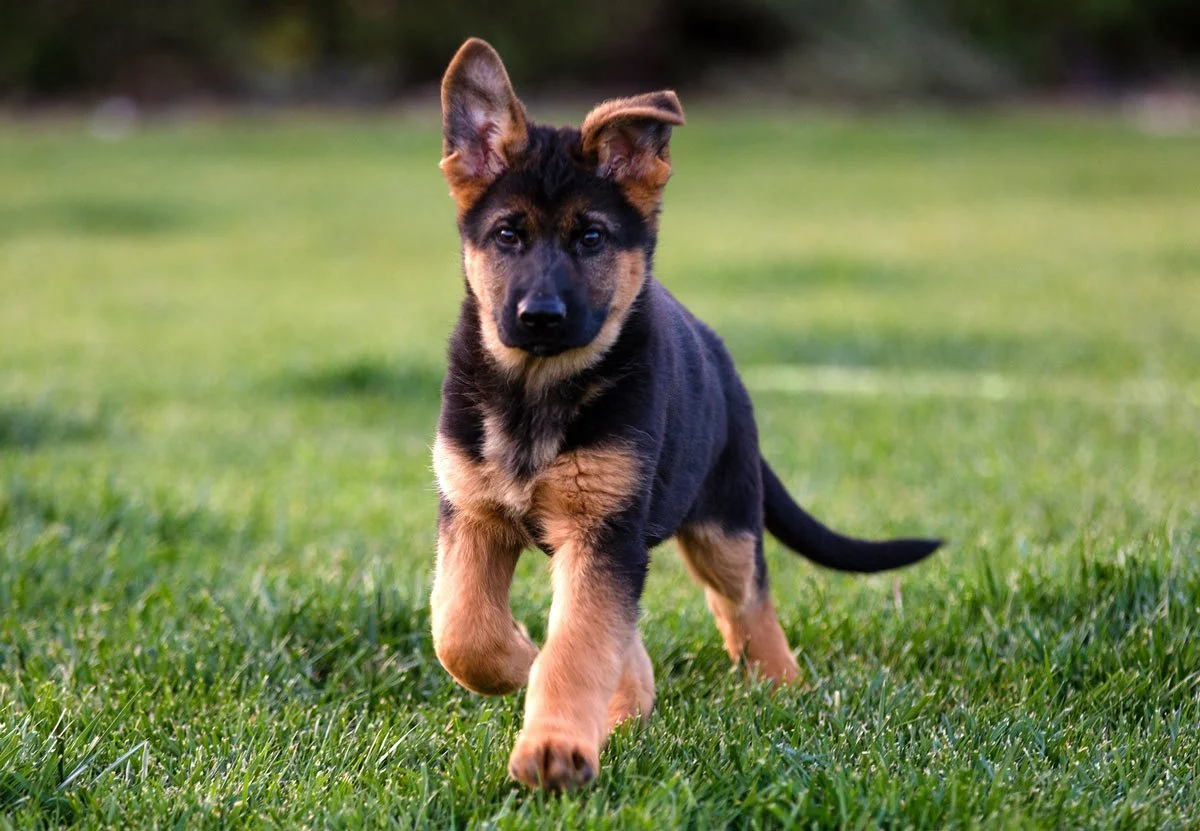
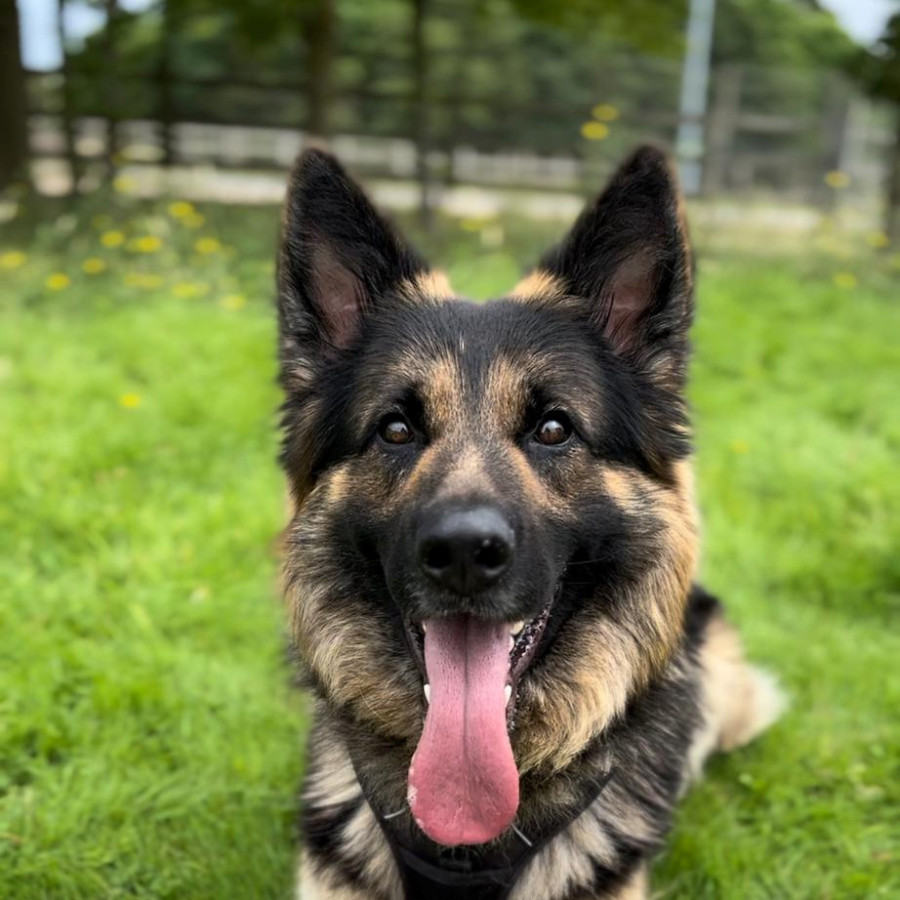
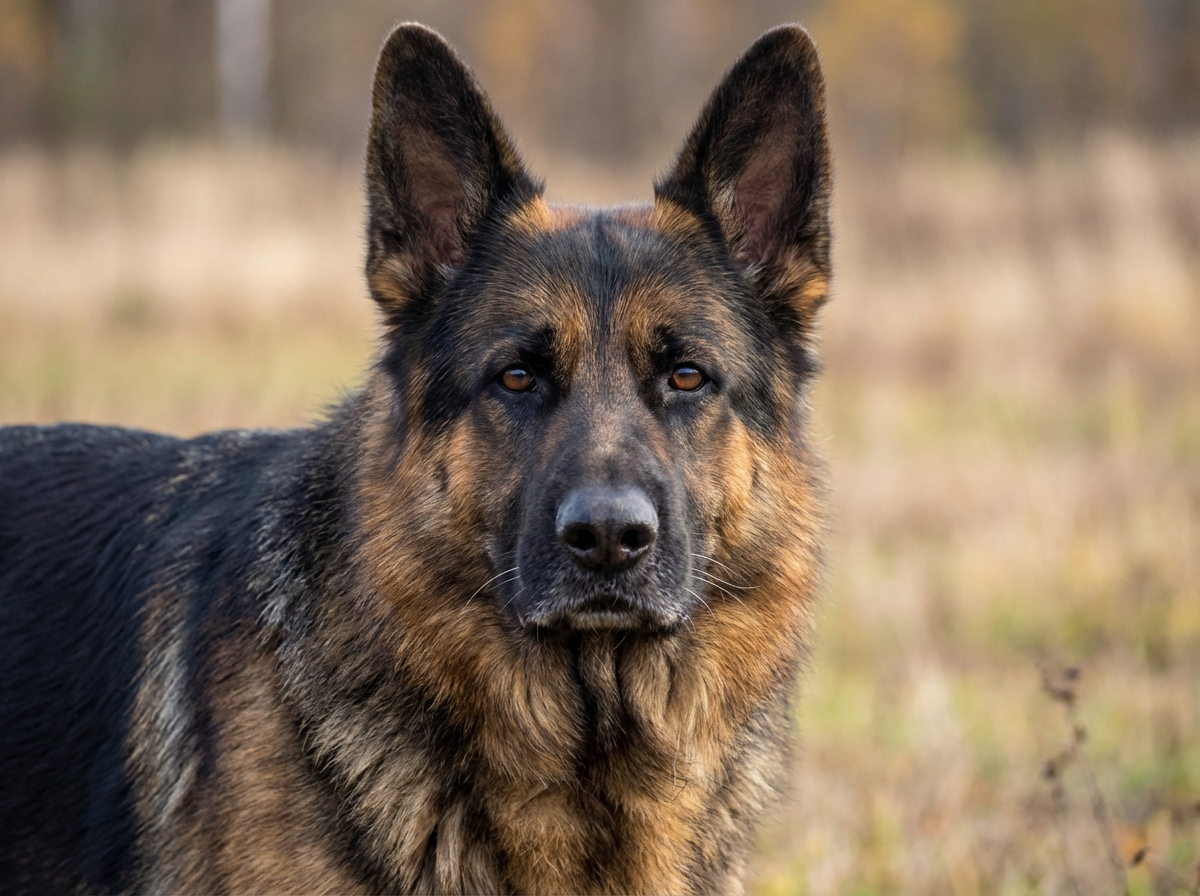
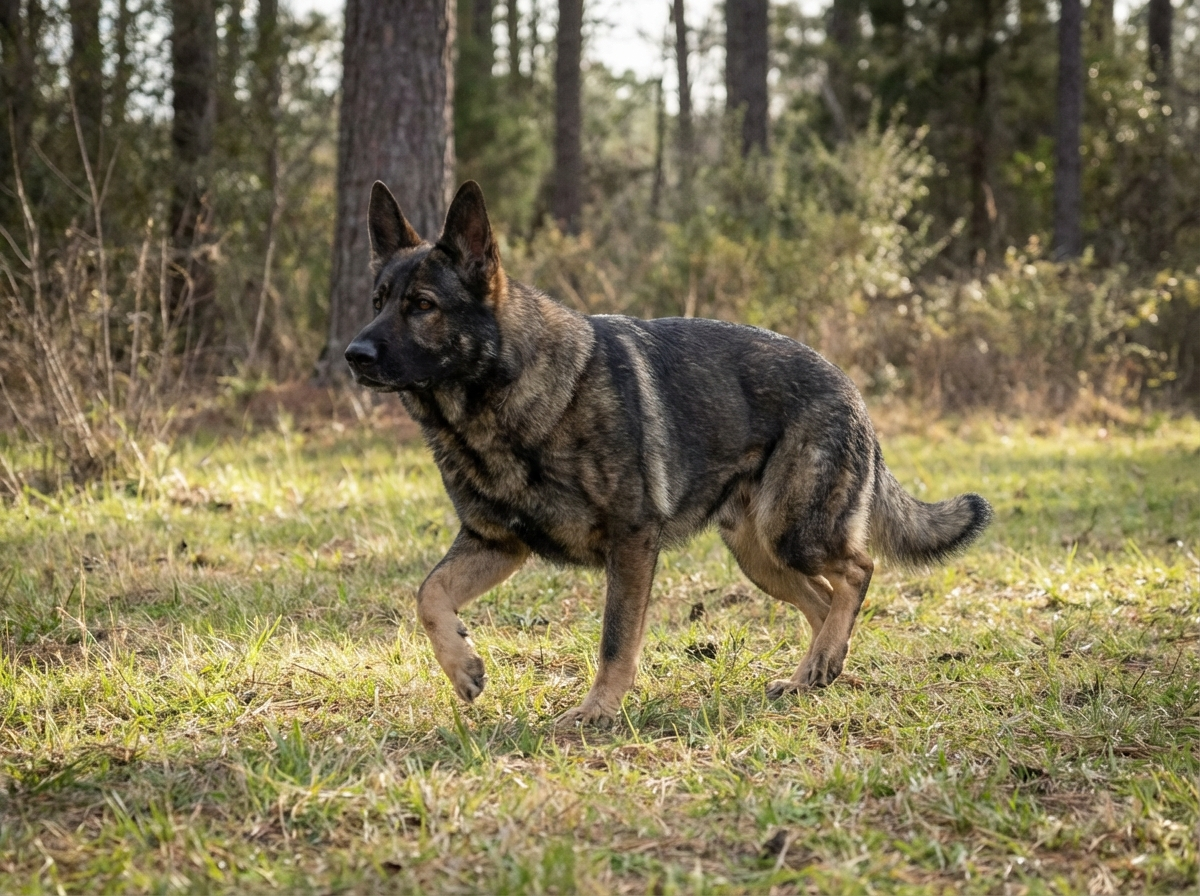
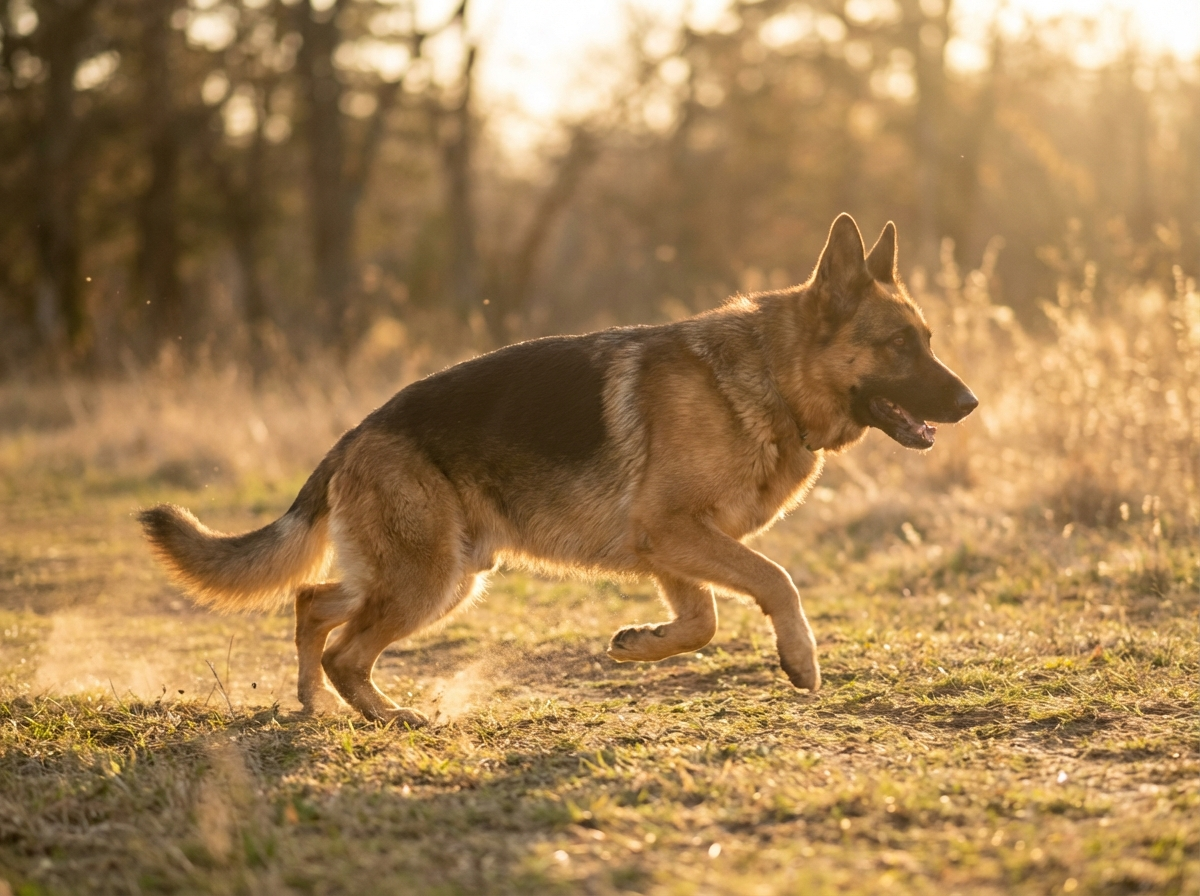
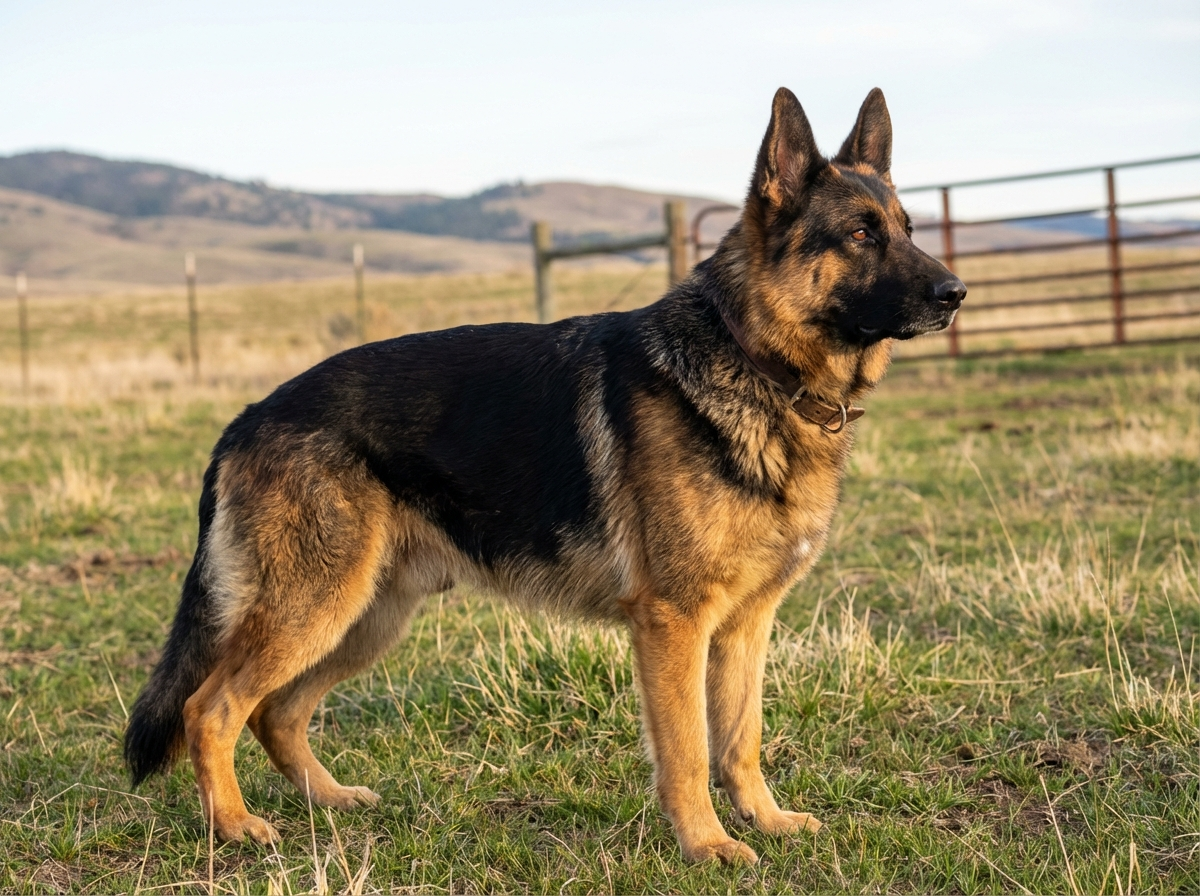
Jenny, a nurse living in Phoenix, struggled with Max, her German Shepherd, who showed signs of heat sensitivity. During the hot summer months, he would pant heavily and refuse to walk in the sun. After doing some research, Jenny decided to implement a training plan focused on gradual exposure to heat and providing plenty of cool water and shaded areas. With patience and consistency, Max began to handle the heat much better, enjoying short outdoor play sessions and relaxing in the shade during the hottest parts of the day.
Key takeaway: With the right management and training, you can help your German Shepherd adapt to warmer temperatures while keeping them safe and comfortable.
German Shepherds have a dense double coat that can trap heat, making them more vulnerable to overheating. Their large size and energy levels also contribute to their heat sensitivity. It's important to monitor their behavior in warm weather to prevent heat-related health issues.
To help your German Shepherd cope with heat sensitivity, provide plenty of shade and fresh water. Limit exercise to cooler parts of the day, like early morning or late evening. You can also consider cooling vests or mats to regulate their body temperature.
Signs of heatstroke in German Shepherds include excessive panting, drooling, weakness, and confusion. If you notice any of these symptoms, move your dog to a cooler area and provide water. Seek veterinary help immediately if symptoms worsen.
Training can help your German Shepherd understand when to rest and stay cool. Teaching commands like 'stay' or 'place' can encourage them to find shade or cool areas. Positive reinforcement for resting can also help.
While all dogs can suffer from heat sensitivity, breeds with thick coats, like German Shepherds, are particularly at risk. Brachycephalic breeds, such as Bulldogs, also struggle due to their shortened airways. Understanding your dog's breed helps in managing their heat exposure.
Signs of heat sensitivity in a German Shepherd include excessive panting, drooling, lethargy, and a reluctance to move. If your GSD seems unusually tired or struggles to cool down, it’s important to take action to prevent heatstroke.
Older German Shepherds may struggle more with heat sensitivity. Ensure they have a cool, shaded area to rest, and limit outdoor activities during peak heat. Consider using cooling mats or vests designed for dogs to help keep them comfortable.
Yes, heat sensitivity can be common in German Shepherds due to their dense double coat. It's essential for owners to be proactive in managing their GSD's exposure to heat, particularly during summer months.
If your German Shepherd shows severe signs of heat distress, such as vomiting, confusion, or collapse, you should seek veterinary care immediately. Early intervention can be crucial in preventing serious health problems.
While training can’t eliminate heat sensitivity, it can help your German Shepherd learn to respond to cues for rest and hydration. Incorporating training sessions indoors or during cooler parts of the day can also be beneficial.
Ensure your German Shepherd has access to shade, water, and cool areas. Limit exercise during hot days and consider using cooling products like vests or mats.
Check your German Shepherd regularly during hot weather, especially after play or exercise. Watch for excessive panting or lethargy.
If your German Shepherd shows signs of heatstroke, move them to a cooler area immediately and offer water. Contact your vet for further instructions.