Health
What are some quick tips for managing German Shepherd genetic load?
Regular vet check-ups are crucial. Consider a balanced diet and engage in daily exercise to keep your dog healthy.

Quick answer
What are some quick tips for managing German Shepherd genetic load?
Regular vet check-ups are crucial. Consider a balanced diet and engage in daily exercise to keep your dog healthy.
German Shepherd genetic load is a critical issue that affects many dogs. This condition involves a high concentration of harmful genetic variants that can lead to serious health problems.
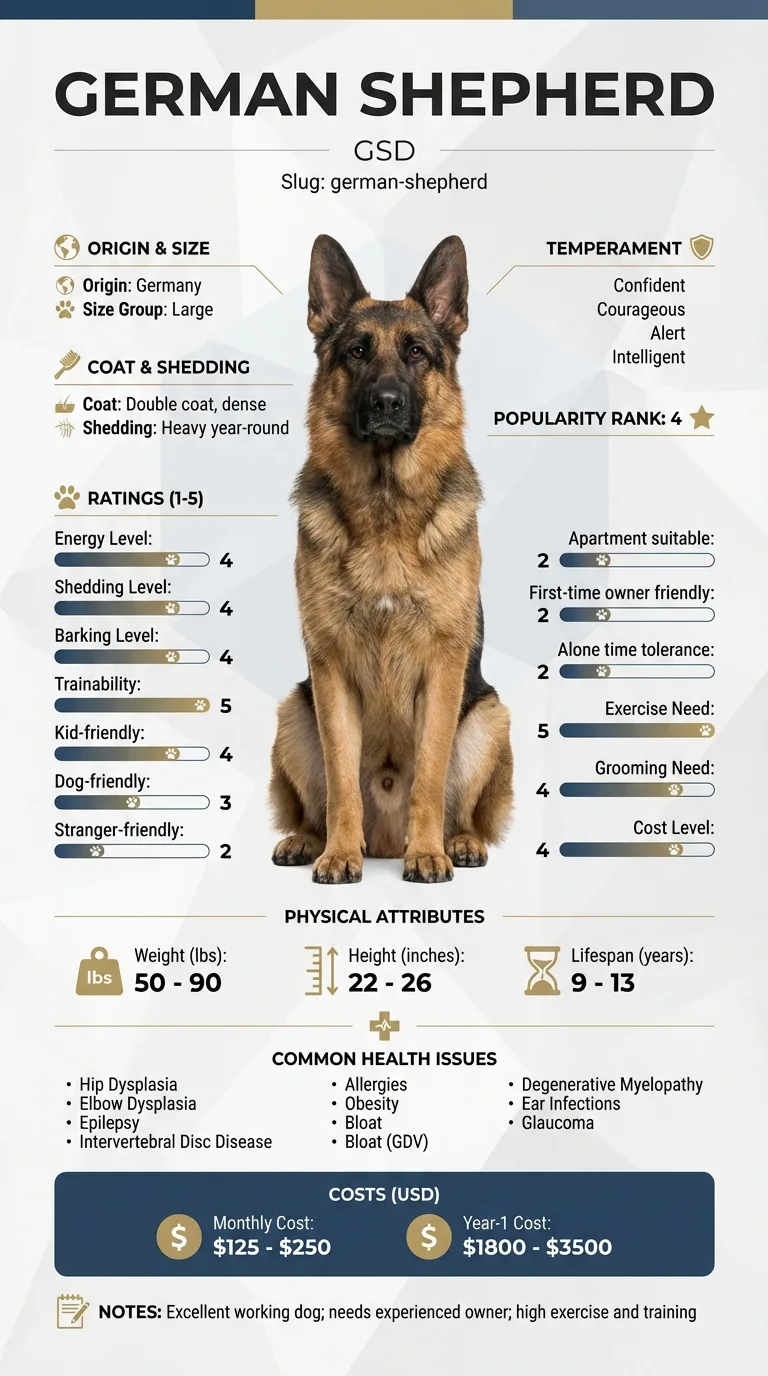
Typically, owners of German Shepherds may struggle with this problem, especially those who are first-time dog parents. If you're not prepared for the potential challenges that come with genetic load, it can be overwhelming.
This guide is not medical advice. If your dog shows pain, sudden behavior change, or worsening symptoms, consult a licensed veterinarian.
Some links may be affiliate links. We may earn a commission at no extra cost to you. We only suggest products we believe are helpful for dog owners.
We research and check what we publish, but we do not warrant that any figure, date, price, or statement is accurate, complete, or current, and we accept no liability for any loss, cost, injury, or other harm arising from the use of this site. Use it as one reference among several. You remain responsible for your own decisions and for your dog's care - confirm anything that matters with a licensed veterinarian or another qualified professional before you act on it. Full disclaimer.
Check this first
Red-flag signs that warrant an immediate call to your vet include: sudden weight loss, persistent vomiting, severe lethargy, or difficulty breathing. If your dog displays any of these symptoms, do not wait to see if they improve. These could signal serious underlying health issues associated with genetic load.
On the other hand, mild cases can often be watched and managed. If your GSD has slight behavioral changes, such as being less active than usual or showing a slight increase in anxiety, these can sometimes be monitored. Make a plan to observe their behavior closely and consider adjustments in training or routine to alleviate symptoms.
Always remember, if you’re ever in doubt about your dog’s health, it’s best to consult with your veterinarian. They can provide guidance tailored to your dog's specific genetic background and health needs. Keeping a close eye on your German Shepherd and knowing when to act can help you manage genetic load effectively.
If any of these apply, call your vet or an emergency clinic now. The rest of this page is for the cases that are not an emergency.
The German Shepherd genetic load refers to the accumulation of harmful genetic variants that can lead to health issues. Day-to-day, this may manifest as a higher risk of certain conditions like hip dysplasia or epilepsy. Owners might notice their dogs facing frequent health challenges, which can be worrying and costly.
It's relatively common among German Shepherds, given their popularity and the prevalence of certain genetic issues. Many owners may not realize the extent of these genetic loads until health problems arise.
German Shepherds, like many breeds, can inherit certain genetic health issues from their lineage. This breed is known for a higher likelihood of conditions like hip dysplasia and degenerative myelopathy, which can contribute to their overall genetic load. The concentration of these harmful genetic variants can be influenced by breeding practices and the health history of their ancestors.
Environmental factors also play a role in the genetic load. Stressful living conditions, poor nutrition, or lack of exercise can exacerbate genetic predispositions. Additionally, if a German Shepherd is not properly trained or socialized, it can lead to behavioral issues that may worsen their genetic health problems.
If you notice signs of health issues, such as limping, lethargy, or unusual behaviors, consult your veterinarian. They can help assess your dog's condition and recommend appropriate treatments or lifestyle adjustments.
Avoiding these common mistakes can help you manage your German Shepherd's genetic load more effectively.
Start here: German Shepherd Most Common Genetic Disorders: Screening
See all German Shepherd health problems, which breeds are prone to genetic load, or the full German Shepherd breed guide for temperament, exercise needs and ownership costs.
Addressing German Shepherd genetic load issues can take several months. You'll likely see improvements in behavior and health within 4 to 6 months with consistent care and follow-up with your vet.
Success means your German Shepherd shows improved health, reduced anxiety, and better behavior. You'll feel more connected and confident in handling any challenges that arise.
Sarah, a busy nurse in Seattle, adopted Max, her German Shepherd, hoping for a loyal companion. However, she quickly noticed Max had anxiety and was prone to health issues, typical signs of genetic load. After researching, she found a local trainer specializing in genetic load training. With patience and commitment, Sarah worked with the trainer for several months. They focused on building Max's confidence through structured exercises and establishing a consistent routine. Gradually, Max became more relaxed and responsive, allowing Sarah to enjoy their time together without constant worry.
Key takeaway: With the right training and support, tackling German Shepherd genetic load can lead to a happier, healthier dog. Patience and consistency are key.
Signs of genetic load in a German Shepherd can include frequent health issues like hip dysplasia, allergies, or obesity. If your dog seems to have multiple health problems or shows unusual behavior, it may be linked to genetic load. It's essential to consult with a vet for proper diagnosis.
Managing your German Shepherd's genetic load involves regular health check-ups, responsible breeding practices, and ensuring a balanced diet. Consult with a vet to create a health plan tailored to your dog's needs.
Common health issues include hip and elbow dysplasia, epilepsy, and degenerative myelopathy. Being aware of these conditions can help you monitor your dog's health more effectively.
To reduce genetic load, consider adopting from reputable breeders who prioritize health testing. Also, avoid breeding dogs with known genetic issues and focus on regular vet visits.
Genetic load can impact training by making certain dogs more prone to anxiety and behavioral issues. Early socialization and consistent training can help mitigate these challenges.
While you can't completely reverse genetic load, responsible breeding and careful selection can help reduce its impact over generations. Focus on health and behavior in breeding choices.
While you can't eliminate genetic load entirely, responsible breeding and selecting a healthy puppy can help. Look for breeders who test for genetic conditions and prioritize health in their breeding programs. Educating yourself on potential health risks can also guide better care for your dog.
As German Shepherds age, they may start showing more signs related to genetic load, like joint issues or degenerative diseases. Regular check-ups become increasingly important to manage these health risks as they grow older. Early intervention can often mitigate severe health issues.
If your German Shepherd is exhibiting behavior issues, such as anxiety or aggression, related to genetic load, consider working with a professional trainer. Training can help address these behaviors and improve your dog's quality of life. Consistency and patience are key in effectively managing these challenges.
You should see a vet if your German Shepherd displays persistent symptoms like limping, excessive shedding, or changes in appetite. Early assessment can lead to better outcomes, especially if genetic load is a concern. Regular vet visits are vital for overall health management.
Regular vet check-ups are crucial. Consider a balanced diet and engage in daily exercise to keep your dog healthy.
Use positive reinforcement training and ensure plenty of socialization. A calm environment can also help reduce anxiety.
Choose breeders who conduct health testing and provide health clearances for their dogs. Ask about the genetic history of the puppies.
Costs can vary but expect to spend between $125 and $250 monthly on vet care, nutrition, and training. Consider setting aside funds for potential health issues.
Not all breeds are equally affected, but many purebreds can have genetic loads due to closed gene pools. Research breed-specific health concerns before acquiring a dog.
A one-page prep sheet for this condition: the signs, the questions to ask, what to get priced. Unlocks here.
You get: Vet visit prep sheet
No spam. One-click unsubscribe. See our privacy policy.
See a sample page before you decide.
Early access list
The free prep sheet covers the same-day warning signs, a symptom log and the questions to ask. We are considering a fuller kit that adds a cost worksheet for the usual tests and treatments (US price ranges with their sources) and a plain-English guide to ways of covering the bill. It is not built yet; this list tells us whether it is worth building.
One email, no spam, unsubscribe anytime. Information only, not veterinary advice.