Health
What are quick tips for managing German Shepherd chronic active hepatitis?
Ensure regular vet check-ups and follow prescribed treatments. Maintain a balanced diet and avoid toxins that can harm the liver.

Quick answer
What are quick tips for managing German Shepherd chronic active hepatitis?
Ensure regular vet check-ups and follow prescribed treatments. Maintain a balanced diet and avoid toxins that can harm the liver.
German Shepherd chronic active hepatitis is a serious liver condition that can significantly affect your dog's health. Managing this disease is crucial for your dog's well-being.
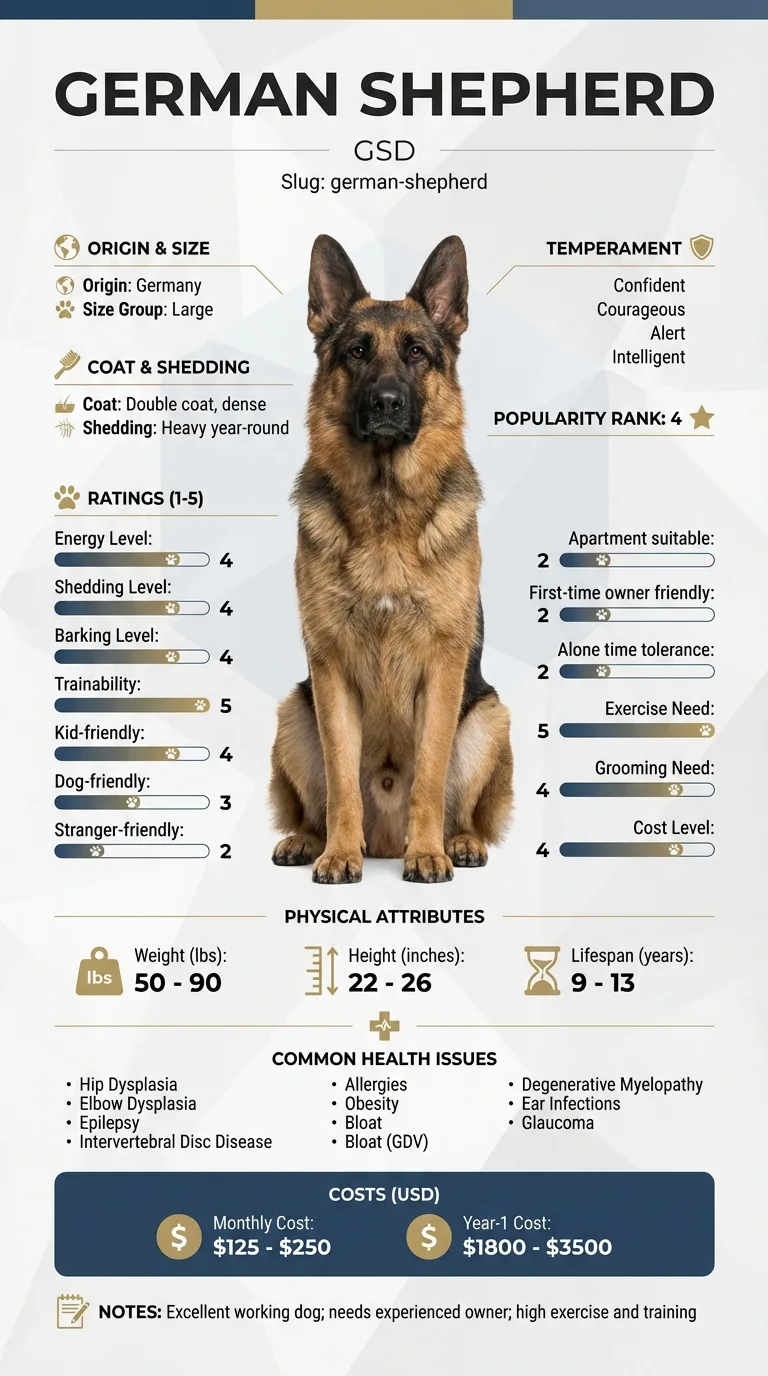
Owners of German Shepherds, especially those with older dogs or those showing signs of illness, may face challenges related to this condition. It's important for these owners to understand the implications of chronic active hepatitis and how to support their pets.
This guide is not medical advice. If your dog shows pain, sudden behavior change, or worsening symptoms, consult a licensed veterinarian.
Some links may be affiliate links. We may earn a commission at no extra cost to you. We only suggest products we believe are helpful for dog owners.
We research and check what we publish, but we do not warrant that any figure, date, price, or statement is accurate, complete, or current, and we accept no liability for any loss, cost, injury, or other harm arising from the use of this site. Use it as one reference among several. You remain responsible for your own decisions and for your dog's care - confirm anything that matters with a licensed veterinarian or another qualified professional before you act on it. Full disclaimer.
Check this first
German Shepherd chronic active hepatitis can be serious, and knowing when to act is crucial. Red flags include symptoms like severe lethargy, persistent vomiting, or blood in the stool. If your GSD shows any of these signs, it's time to call your vet immediately.
Mild cases may present with decreased appetite or occasional vomiting. In these situations, you can monitor your dog's condition at home. Keep track of any changes, and create a plan to consult your vet if symptoms persist or worsen.
Be aware that symptoms can escalate quickly. If your dog is also experiencing jaundice (yellowing of the skin or eyes), this is another sign that you need to seek veterinary care right away. Early intervention can help manage the condition effectively and may save your dog's life.
If any of these apply, call your vet or an emergency clinic now. The rest of this page is for the cases that are not an emergency.
German Shepherd chronic active hepatitis is a serious liver disease that can affect your dog's overall health. Symptoms often include lethargy, loss of appetite, vomiting, and jaundice. This condition can be particularly challenging for owners as it requires careful management and ongoing veterinary care.
Chronic active hepatitis is relatively rare in German Shepherds, but it can occur, especially in those with a family history of liver problems. Regular check-ups can help catch issues early.
German Shepherds may be predisposed to chronic active hepatitis due to their genetic makeup. This breed can have underlying health issues, including immune system disorders that impact liver function. Additionally, their large size means that any health issue can have more pronounced effects.
Environmental factors such as poor diet, exposure to toxins, or infectious diseases can also contribute to chronic active hepatitis. Stress and lack of proper exercise can weaken a dog's immune system, making them more vulnerable to liver problems. A stressful home environment may exacerbate existing health issues.
Talk to your vet if you notice symptoms like lethargy, loss of appetite, or jaundice. Regular check-ups are crucial for monitoring liver health, especially if your dog has a history of health issues. If your dog's condition worsens or does not improve with home strategies, immediate veterinary attention is necessary.
Certain common mistakes can unintentionally worsen your German Shepherd's chronic active hepatitis. Here are key behaviors to avoid, along with safer alternatives.
Start here: German Shepherd Most Common Genetic Disorders: Screening
See all German Shepherd health problems, which breeds are prone to chronic active hepatitis, or the full German Shepherd breed guide for temperament, exercise needs and ownership costs.
Managing German Shepherd chronic active hepatitis typically takes several months to see noticeable improvement. Regular vet check-ups and adherence to dietary changes are essential.
Success means stabilizing your dog's liver function, improving their energy levels, and reducing symptoms like vomiting or lethargy. Consistent monitoring will help ensure your dog leads a healthier life.
Emma, a busy nurse in Dallas, noticed her German Shepherd, Max, was unusually tired and sometimes refused to eat. After a vet visit, she learned that Max had chronic active hepatitis. Determined to help him, Emma adjusted his diet to include liver-friendly foods and set a strict routine for his medications. She also found a local dog training class that focused on low-impact exercises to keep Max active without overexerting him. Over the next few months, Max's energy returned, and Emma felt relieved seeing him happy again.
Key takeaway: With the right diet and consistent care, you can effectively manage German Shepherd chronic active hepatitis, leading to a better quality of life for your dog.
The exact cause of chronic active hepatitis in German Shepherds isn't always clear, but it may be linked to genetic factors or autoimmune disorders. Environmental factors and infections can also play a role. Regular vet check-ups can help identify underlying issues.
While you can't prevent chronic active hepatitis entirely, you can manage your dog's health with a balanced diet and regular vet visits. Avoiding toxins and providing a stress-free environment can also help support liver health. Medications prescribed by a vet can be crucial in managing the disease.
Signs may include lethargy, loss of appetite, weight loss, vomiting, or jaundice. If you notice these symptoms, it's essential to consult your vet promptly. Early intervention can improve quality of life.
Treatment typically involves medications to suppress the immune system and support liver function. Your vet may also recommend dietary changes and regular monitoring of liver enzymes. Always follow your vet's guidance for the best outcomes.
Training can help manage stress levels in your dog, which is beneficial for overall health. Gentle training and mental stimulation can keep your German Shepherd engaged without overexertion, especially if they're feeling unwell.
The long-term outlook can vary depending on the severity of the disease and how well it is managed. With proper treatment and care, many dogs can live comfortably for years. Regular check-ups are vital to monitor their condition.
Early signs of German Shepherd chronic active hepatitis can include lethargy, decreased appetite, and unusual behaviors. You might also notice excessive thirst or frequent urination. If you see these symptoms, it's important to consult your vet.
Older German Shepherds may experience more severe symptoms of chronic active hepatitis due to their age and overall health. Their bodies may not tolerate the disease as well, leading to quicker deterioration. Regular check-ups become crucial for older dogs to monitor liver health.
Yes, diet changes can play a significant role in managing German Shepherd chronic active hepatitis. A vet-recommended diet that is low in copper and high in antioxidants can support liver function. Always consult your vet before making dietary changes.
The long-term prognosis for a German Shepherd with chronic active hepatitis varies based on the severity of the disease and treatment options. With proper management and care, some dogs can live a good quality of life for years. However, regular veterinary care is essential for monitoring.
You can support your German Shepherd's liver health by providing a balanced diet, ensuring they stay hydrated, and maintaining a healthy weight. Regular exercise and avoiding exposure to toxins are also important. Always consult your vet for specific recommendations based on your dog's condition.
Ensure regular vet check-ups and follow prescribed treatments. Maintain a balanced diet and avoid toxins that can harm the liver.
Treatment costs can range from $500 to $2,500 annually, depending on the severity and required medications.
There is no cure, but with proper management and care, symptoms can be controlled, allowing for a good quality of life.
A liver-friendly diet low in fat and rich in essential nutrients is recommended. Consult your vet for specific dietary recommendations.
While training is not a direct treatment, it can help reduce stress and provide mental stimulation, which is beneficial for overall health.
A one-page prep sheet for this condition: the signs, the questions to ask, what to get priced. Unlocks here.
You get: Vet visit prep sheet
No spam. One-click unsubscribe. See our privacy policy.
Preview page 1 before you decide.