DogBreedCompass
← Back to breed profile

French Spaniel Genetic Load: Understanding and Addressing the Issue

French Spaniel genetic load is a serious concern that affects many dogs. It refers to the concentration of harmful genetic traits that can lead to health problems.

French Spaniel Genetic Load: Understanding and Addressing the Issue infographic

Typically, owners of French Spaniels may struggle with genetic load issues, especially those who are first-time dog parents. They might notice unusual health problems or behavior changes and seek guidance on how to manage them effectively.

Important reminder

This guide is not medical advice. If your dog shows pain, sudden behavior change, or worsening symptoms, consult a licensed veterinarian.

Some links may be affiliate links. We may earn a commission at no extra cost to you. We only suggest products we believe are helpful for dog owners.

What this problem looks like

The French Spaniel genetic load refers to the presence of harmful genetic variants that can affect the dog's health and behavior. Day-to-day, this may manifest as increased susceptibility to health issues, such as hip dysplasia and allergies, which can lead to discomfort and vet visits. Owners may notice their French Spaniel has more frequent ear infections or exhibits behavior linked to underlying health problems.

Common triggers

  • Inbreeding practices that focus on specific traits
  • Environmental stressors like changes in routine or living conditions
  • Lack of proper socialization or training during critical developmental periods

Genetic load is a concern among many breeds, including the French Spaniel. Studies suggest that a significant percentage of French Spaniels may carry these harmful variants, making awareness and proactive care essential for owners.

Why this happens

Breed factors

French Spaniels can have a higher genetic load due to their breeding history. This may include inherited conditions like hip dysplasia or allergies. These genetic factors can affect their overall health and behavior.

Environment factors

Environmental factors also play a role in how a French Spaniel's genetic load affects them. Poor nutrition, lack of exercise, or high-stress situations can exacerbate genetic predispositions. Additionally, improper training and socialization can lead to behavioral issues.

What you can try

At-home strategies

  • Provide a balanced diet rich in essential nutrients to support overall health. Consult your vet for specific recommendations based on your dog's needs.
  • Establish a daily exercise routine. Aim for at least 30 minutes of moderate activity to keep your French Spaniel physically and mentally stimulated.
  • Create a calm environment. Minimize stressors at home by providing a safe space for your dog to retreat when feeling overwhelmed.
  • Use positive reinforcement training techniques. Reward good behavior with treats or praise to encourage desirable actions and reduce anxiety.
  • Socialize your French Spaniel regularly. Introduce them to new people and environments gradually to build confidence and ease anxiety.

When to consider a trainer

If your French Spaniel exhibits persistent behavioral issues, consider hiring a professional dog trainer. A trainer can provide tailored strategies to address specific concerns and improve your dog's behavior.

When to talk to your vet

If you notice health problems or significant changes in behavior, it’s time to consult your vet. They can assess potential genetic conditions and recommend appropriate treatments or interventions.

Realistic expectations

Addressing French Spaniel genetic load can take several months of consistent training and management. Expect to see gradual improvements over 3 to 6 months with ongoing support.

Success means your French Spaniel exhibits reduced anxiety or behavioral issues linked to genetic load. They should respond well to training and show improved social interactions.

Mistakes that make this worse

Avoiding common mistakes can help improve your French Spaniel's genetic load issues. Here are some behaviors to steer clear of.

  • Ignoring symptoms: Not addressing health issues can worsen genetic load. Regular vet check-ups are essential for early detection.
  • Over-exercising: Pushing your dog too hard can lead to stress and fatigue. Instead, provide balanced exercise tailored to their energy level.
  • Inconsistent training: Mixed signals can confuse your French Spaniel, reinforcing bad behavior. Stick to a consistent training routine.
  • Neglecting socialization: Lack of interaction can worsen anxiety and behavior problems. Ensure your dog has opportunities to socialize with people and other dogs.
  • Failing to provide mental stimulation: Boredom can exacerbate anxiety. Engage your dog with puzzle toys or training exercises to keep their mind active.
  • Using harsh corrections: Punishment can increase stress and worsen behavior. Focus on positive reinforcement techniques instead.
  • Forgetting about genetics: Assuming all behavior issues are due to training can overlook genetic factors. Be aware of your dog's lineage and seek advice from breed specialists.

When French Spaniel Genetic Load is an Emergency

Recognizing when your French Spaniel's genetic load becomes an emergency is crucial for their health. If you notice severe symptoms like sudden lethargy, difficulty breathing, or unresponsive behavior, these are clear red flags. Call your vet immediately if your dog shows signs of distress or pain.

Milder symptoms, such as minor skin irritations or occasional digestive issues, can often be managed at home. Keep an eye on your dog, document any changes, and consult your vet if symptoms persist or worsen over a few days. A watch-and-wait approach is suitable for less severe cases, especially if your dog remains active and alert.

Overall, it's about balancing vigilance with calmness. When in doubt, trust your instincts. It’s better to be safe and get professional guidance when your French Spaniel's health is at stake.

French Spaniel Genetic Load: Understanding and Addressing the Issue - When French Spaniel Genetic Load is an Emergency

Caring for Max: A Journey with Genetic Load

Lisa, a busy nurse in Atlanta, adopted Max, a French Spaniel, who often displayed anxiety and frequent barking. After learning about the genetic load affecting his behavior, Lisa committed to a structured training plan. With the help of a local trainer and consistent daily exercises, Lisa created a calming routine. Over time, Max became more relaxed and responsive, allowing them to enjoy their walks and playtime together without excessive barking or anxiety.

Key takeaway: Consistent training and a supportive environment can significantly improve a French Spaniel's behavioral issues linked to genetic load.

Frequently asked questions

Why does my French Spaniel have genetic load?

Genetic load in French Spaniels can be attributed to inherited harmful genetic variants. These variants can lead to various health issues and are more prevalent due to selective breeding practices. It's essential to understand that genetics can significantly impact your dog's health and behavior.

How can I manage my French Spaniel's genetic load?

Managing your French Spaniel's genetic load involves regular health check-ups and genetic screenings. Consult your vet about potential hereditary health issues and develop a tailored care plan. Early detection and preventive care can help mitigate some of the risks associated with genetic load.

What are the common health issues related to French Spaniel genetic load?

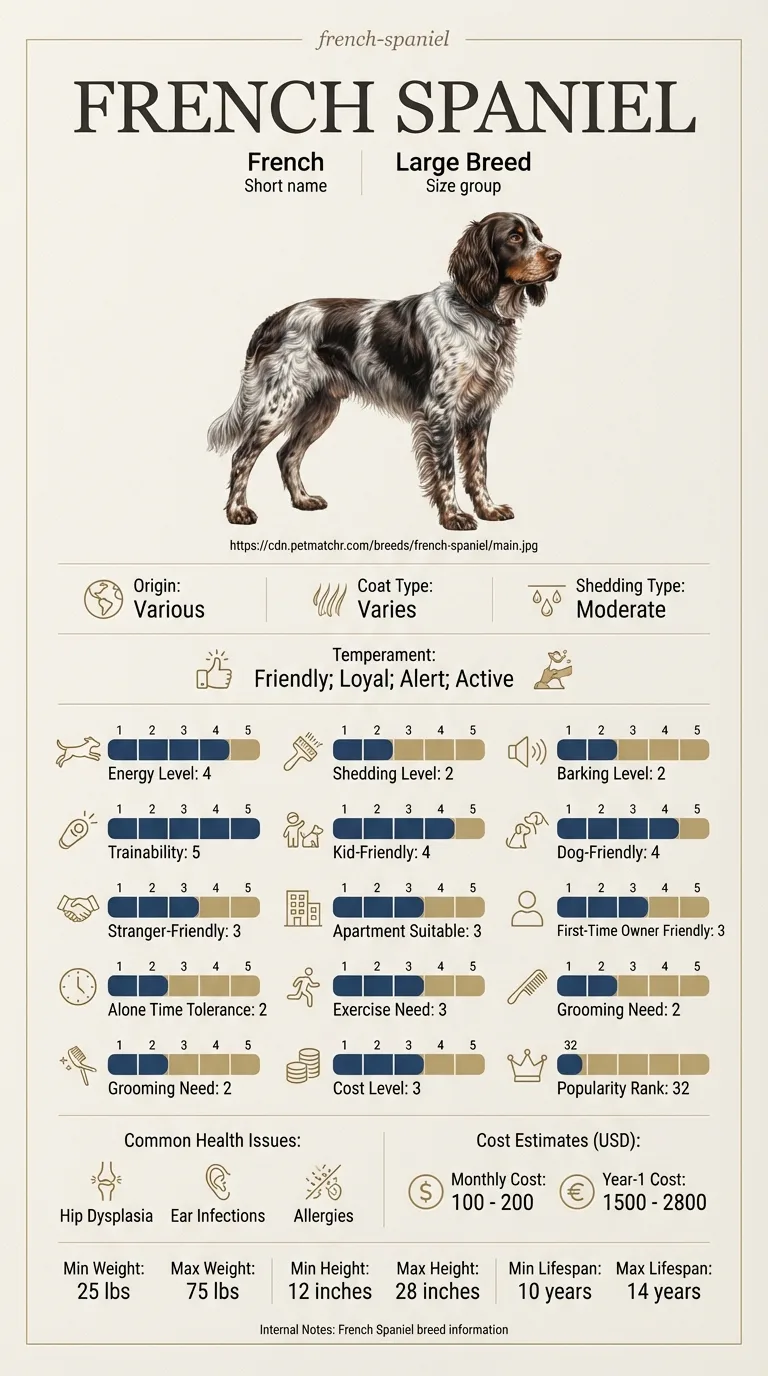
Common health issues associated with genetic load in French Spaniels include hip dysplasia, ear infections, and allergies. Being aware of these potential problems can help you monitor your dog's health closely. Regular vet visits can assist in early diagnosis and treatment.

Can training help with behavioral issues related to genetic load?

Yes, training can significantly help manage behavioral issues that may arise due to genetic load. Positive reinforcement methods are effective for addressing anxiety and aggression. Consistent training can lead to better behavior and improved quality of life for your French Spaniel.

What preventive measures can I take for my French Spaniel?

Preventive measures for your French Spaniel include maintaining a healthy diet, regular exercise, and routine vet visits. Additionally, consider genetic testing to understand potential health risks. Keeping a close eye on your dog's behavior and health will also help in early intervention.

What are the signs that my French Spaniel has a high genetic load?

Signs of a high genetic load in your French Spaniel may include frequent health issues, unusual behavior, or chronic conditions. If your dog seems to have ongoing problems, it’s best to consult a veterinarian who can provide a thorough evaluation.

Can older French Spaniels with genetic load improve with training?

Yes, older French Spaniels can still benefit from training, even if they have a genetic load. Focus on positive reinforcement techniques and tailor your approach to their individual needs to help them learn effectively.

How does a French Spaniel's genetic load affect their lifespan?

A higher genetic load can potentially shorten a French Spaniel's lifespan due to increased susceptibility to health issues. Regular veterinary check-ups and a healthy lifestyle can help mitigate some risks associated with genetic load.

When should I consider genetic testing for my French Spaniel?

Consider genetic testing if your French Spaniel shows persistent health problems or if you want to be proactive about their health. This information can guide your training and care strategies to better support your dog.

Are there specific health problems linked to the genetic load in French Spaniels?

Yes, French Spaniels with a genetic load may be predisposed to health issues like hip dysplasia, ear infections, and allergies. Staying informed about these risks can help you provide better care and monitor your dog’s health.

Quick answers

View more answers
Health

What are quick tips for managing French Spaniel genetic load?

To manage genetic load in your French Spaniel, provide regular vet check-ups, maintain a healthy diet, and engage in consistent training. Early detection of health issues can improve outcomes.

Costs

How much does it cost to care for a French Spaniel?

Caring for a French Spaniel typically costs between $100 to $200 per month. This includes food, vet visits, and other essentials.

Living

Are French Spaniels good for first-time dog owners?

French Spaniels can be suitable for first-time dog owners with some prior research and commitment to training. They are friendly and loyal, which helps in building a strong bond.

Health

What is the lifespan of a French Spaniel?

The lifespan of a French Spaniel ranges from 10 to 14 years. Regular vet care can help ensure they live a healthy life.

Training

Can I train my French Spaniel to reduce anxiety?

Yes, training can help reduce anxiety in your French Spaniel. Techniques like positive reinforcement and gradual desensitization can be effective.

Related DogBreedCompass guides

  • French Spaniel separation anxiety guideLearn about common causes and solutions for separation anxiety in French Spaniels.
  • French Spaniel genetic load trainingExplore effective training methods for managing genetic load in French Spaniels.
  • French Spaniel behavior problemsUnderstand the general behavior problems that can arise in French Spaniels due to genetic load.
  • French Spaniel cost breakdownGet insights on the costs associated with owning a French Spaniel, including potential health issues.
  • French Spaniel breed guideReview the traits and characteristics of the French Spaniel to better understand its needs.

Related guides