Behavior
What are quick tips to prevent French Spaniel bloat (gastric dilatation-volvulus/gdv)?
Feed smaller, more frequent meals, avoid vigorous exercise after eating, and consider using slow-feed bowls.
French Spaniel bloat, also known as gastric dilatation-volvulus (GDV), is a serious condition that can be life-threatening. It occurs when the stomach fills with gas and twists, leading to severe complications. (French Spaniel bloat (gastric dilatation-volvulus/gdv))
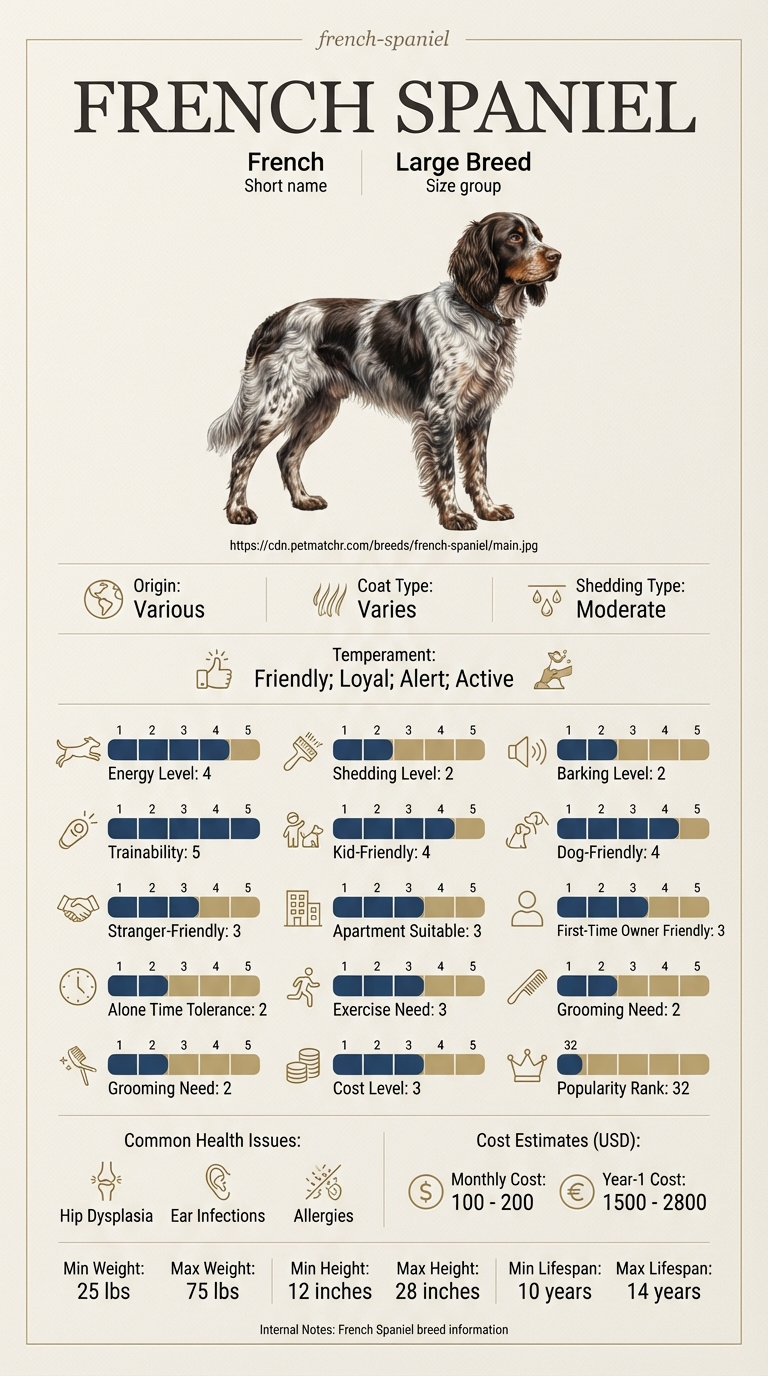
Owners of French Spaniels, especially those with busy lifestyles or first-time dog parents, often face challenges in recognizing and managing this risk. If your dog has a history of bloat or if you feed them large meals, you're particularly at risk.
This guide is not medical advice. If your dog shows pain, sudden behavior change, or worsening symptoms, consult a licensed veterinarian.
Some links may be affiliate links. We may earn a commission at no extra cost to you. We only suggest products we believe are helpful for dog owners.
French Spaniel bloat, also known as gastric dilatation-volvulus (GDV), is a serious condition that can occur suddenly. This life-threatening problem causes the stomach to fill with gas and potentially twist, leading to severe pain and shock. Owners may notice their French Spaniel pacing, drooling, or trying to vomit without success, indicating distress.
While bloat is relatively rare, it can occur in large breeds like the French Spaniel. It's essential for owners to be aware of the signs and triggers, as prompt treatment is crucial for survival.
French Spaniels, being a larger breed, are more prone to bloat (gastric dilatation-volvulus/GDV). Their physical structure makes them susceptible to the stomach twisting, especially after eating or drinking. Additionally, rapid eating can increase the risk of this serious condition.
Environmental factors can also contribute to bloat. Stress, high-energy activities shortly after meals, and a lack of routine can exacerbate the risk. If your French Spaniel is anxious or experiences sudden changes in their environment, this could heighten the likelihood of developing bloat.
If your French Spaniel displays signs of anxiety or stress during feeding, consider working with a dog trainer. A trainer can help address underlying behavioral issues that may contribute to bloat risk.
If you notice symptoms like a swollen abdomen, excessive drooling, or restlessness, contact your vet immediately. Bloat is a medical emergency and requires prompt attention. Regular check-ups can also help monitor your dog's health and prevent potential issues.
With consistent training and monitoring, you can expect to see improvements in your French Spaniel's bloat issues within 4 to 12 weeks.
Success means your dog experiences fewer episodes of bloat, has a healthier appetite, and shows less anxiety around meal times.
Avoiding certain behaviors can help manage French Spaniel bloat (gastric dilatation-volvulus/GDV). Here are common mistakes owners make, along with safer alternatives.
Recognizing when French Spaniel bloat is an emergency can save your dog's life. Signs indicating an urgent situation include rapid swelling of the abdomen, excessive drooling, restlessness, or attempts to vomit without success. If you notice these symptoms, it's crucial to call your vet immediately.

In less severe cases, you might notice your French Spaniel showing signs of discomfort without drastic symptoms. Mild bloating, decreased appetite, and occasional lethargy can sometimes be monitored. However, it’s essential to keep a close eye on your dog and consult a vet if symptoms persist or worsen.

The Johnsons, a family of four living in a suburban home, noticed their French Spaniel, Max, frequently bloated after meals. Concerned for his health, they learned that his habit of gobbling down food too quickly was the culprit. They implemented slow-feeding bowls and divided his meals into smaller portions. Over the next few months, Max's bloat episodes decreased significantly, and he appeared much more comfortable during meal times.
Key takeaway: By adjusting feeding habits and being proactive, you can help manage your French Spaniel's bloat issues effectively.
Bloat in French Spaniels can occur due to rapid eating, drinking too much water too quickly, or stress. It can cause the stomach to fill with gas and twist, which is a medical emergency. If your dog shows signs like a swollen abdomen or restlessness, seek veterinary help immediately.
To prevent bloat, feed your French Spaniel smaller meals throughout the day rather than one large meal. Additionally, use elevated bowls to slow down their eating and ensure they have calm environments during meals. Regular exercise and avoiding strenuous activities after eating can also help.
Symptoms of bloat include a distended abdomen, excessive drooling, restlessness, and rapid breathing. If your dog tries to vomit but nothing comes up, this is a critical sign. If you notice these symptoms, contact a veterinarian right away.
Treatment for bloat often involves emergency surgery to untwist the stomach and possibly remove any damaged tissue. The cost can range from $1,500 to $7,500, depending on the severity. Early intervention is crucial for the best outcome.
To train your French Spaniel to eat slowly, consider using puzzle feeders or slow-feeding bowls. These tools make mealtime more engaging and require your dog to work for their food, which can help reduce the risk of bloat. Consistency is key, so stick with it!
If your French Spaniel is eating significantly faster than usual, or if they show signs of discomfort after eating, it’s time to consult your veterinarian. Changes in appetite or eating behavior can indicate underlying health issues, including bloat.
Early signs of bloat in your French Spaniel include restlessness, pacing, and an unusually swollen abdomen. You might also notice your dog trying to vomit but producing little or nothing. If you see these symptoms, contact your vet immediately.
Yes, older French Spaniels may be at a higher risk for bloat due to age-related factors, such as slowed digestion and decreased activity levels. It's crucial to monitor their eating habits and be aware of any changes in behavior. Regular check-ups with your vet can help catch issues early.
To help prevent bloat, feed your French Spaniel smaller, more frequent meals rather than one large meal. Avoid vigorous exercise right after eating, and consider using a slow feeder to reduce gulping. Keeping an eye on their eating habits can also be beneficial.
You should take your French Spaniel to the vet immediately if you suspect bloat. This condition can progress quickly and is life-threatening, requiring urgent medical attention. Don't wait for symptoms to worsen; early intervention is key.
Stress can increase your French Spaniel's risk of bloat, especially if it leads to rapid eating or drinking. High-stress situations, like travel or loud noises, can also trigger gastrointestinal issues. Providing a calm environment and proper training can help manage their stress levels.
Feed smaller, more frequent meals, avoid vigorous exercise after eating, and consider using slow-feed bowls.
Look for a swollen abdomen, signs of distress, and attempts to vomit without success.
Contact your vet immediately; bloat is a medical emergency that requires prompt attention.


