Health
What are some quick tips for managing French Bulldog cancer?
Ensure regular veterinary visits and monitor your dog's health closely. A nutritious diet and maintaining a healthy weight can also support their overall well-being.

Quick answer
What are some quick tips for managing French Bulldog cancer?
Ensure regular veterinary visits and monitor your dog's health closely. A nutritious diet and maintaining a healthy weight can also support their overall well-being.
French Bulldog cancer is a serious concern for many owners, as these lovable dogs face higher cancer rates than some other breeds.
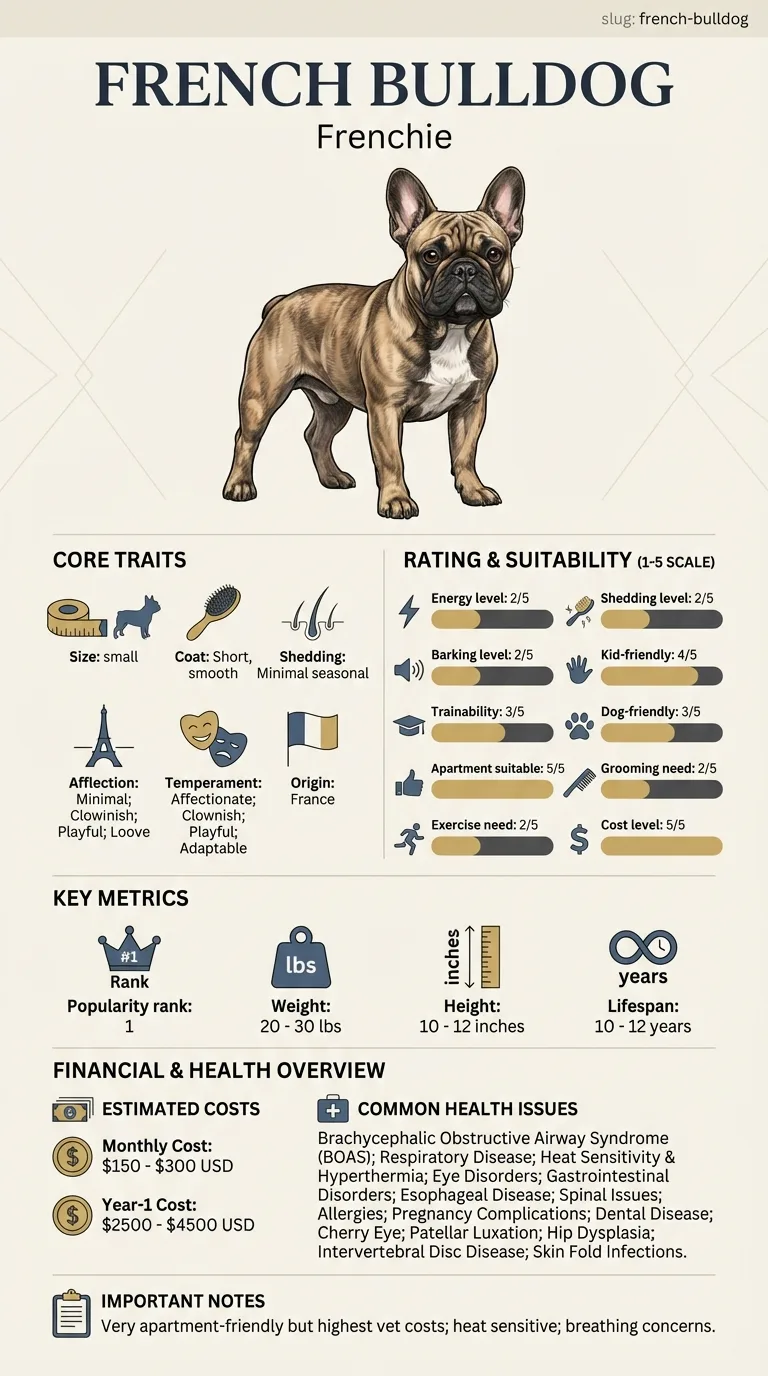
This issue typically affects French Bulldog owners, particularly first-time pet parents, families with kids, and those living in apartments. Many of these owners feel overwhelmed by the potential health issues their Frenchies may face.
This guide is not medical advice. If your dog shows pain, sudden behavior change, or worsening symptoms, consult a licensed veterinarian.
Some links may be affiliate links. We may earn a commission at no extra cost to you. We only suggest products we believe are helpful for dog owners.
We research and check what we publish, but we do not warrant that any figure, date, price, or statement is accurate, complete, or current, and we accept no liability for any loss, cost, injury, or other harm arising from the use of this site. Use it as one reference among several. You remain responsible for your own decisions and for your dog's care - confirm anything that matters with a licensed veterinarian or another qualified professional before you act on it. Full disclaimer.
Check this first
Recognizing when to call your vet about French Bulldog cancer can be critical. If you see any sudden changes in your Frenchie's behavior, like extreme lethargy or difficulty breathing, it’s time to seek help immediately. Other red flags include unexplained weight loss, persistent vomiting, or any bleeding that doesn't stop. These signs often indicate that the situation is serious and requires urgent attention.
On the other hand, if your Frenchie is diagnosed with cancer but isn’t showing severe symptoms, you may have time to monitor their condition. Keep an eye out for mild changes, such as occasional coughing or a slight decrease in appetite. In these cases, it’s important to create a watch-and-wait plan with your vet. Regular check-ups can help assess the situation and adjust treatment as necessary, allowing for proactive management of their health.
Always err on the side of caution. If you’re unsure whether a symptom is serious, a quick call to your veterinarian can clarify whether it’s an emergency or something that can be monitored.
If any of these apply, call your vet or an emergency clinic now. The rest of this page is for the cases that are not an emergency.
French Bulldog cancer is a significant concern for many owners. These small, affectionate dogs are unfortunately predisposed to several types of cancer due to their genetics and unique physiology. Day-to-day, this problem might manifest as lethargy, unusual lumps, or changes in appetite, which can be alarming for any pet parent.
Cancer is relatively common among French Bulldogs, with studies showing that they are at a higher risk compared to many other breeds. It's crucial for owners to be vigilant and consult with a vet regularly to catch any signs early.
French Bulldogs are prone to certain genetic conditions that can increase the risk of cancer. Their brachycephalic structure also makes them susceptible to respiratory issues and other health problems, which can complicate cancer recovery.
Environmental factors such as exposure to toxins, poor diet, and a lack of exercise can contribute to cancer development in French Bulldogs. Stressful living conditions or inadequate veterinary care may also play a role in their overall health.
Consult your vet if you notice any unusual symptoms, such as weight loss, lethargy, or changes in appetite. Early detection is vital for effective treatment of any potential health issues.
Here are common mistakes owners make that can worsen the situation for their French Bulldogs dealing with cancer. Avoiding these can help improve their quality of life.
See all French Bulldog health problems, which breeds are prone to cancer, or the full French Bulldog breed guide for temperament, exercise needs and ownership costs.
Addressing French Bulldog cancer can take several months, with regular vet visits and possible treatments lasting from a few weeks to over a year, depending on the diagnosis.
Success means managing symptoms effectively, improving your dog's quality of life, and possibly extending their lifespan through proactive care and treatment.
Emily, a busy nurse in San Diego, adored her French Bulldog, Bella. When Bella was diagnosed with cancer, Emily felt overwhelmed and scared. After consulting with her vet, she learned about treatment options and how to care for Bella at home. Emily dedicated time each day to monitor Bella's symptoms and administer medications. With support from a local dog cancer group, she connected with other owners facing similar challenges. Over time, Bella's condition stabilized, and Emily found joy in their daily walks, even if they were shorter than before.
Key takeaway: Staying informed and seeking support can make a big difference when navigating a French Bulldog's cancer diagnosis.
French Bulldogs can be predisposed to certain types of cancer due to their genetic makeup. Factors such as age, environmental influences, and overall health can also play a significant role. Regular vet check-ups and being aware of any unusual symptoms can help catch issues early.
To reduce your French Bulldog's cancer risk, provide a healthy diet rich in antioxidants and omega fatty acids. Regular exercise and maintaining a healthy weight are also crucial. Additionally, avoid exposure to harmful chemicals and ensure regular veterinary visits for screenings.
Treatment for cancer in French Bulldogs can vary depending on the type and stage of cancer. Options may include surgery, chemotherapy, and radiation therapy. Your veterinarian can help create a tailored treatment plan that considers your dog's overall health and preferences.
While not all cases of cancer can be prevented, certain measures can lower the risk. Focus on a balanced diet, regular exercise, and routine health check-ups. Genetic testing may also help identify predispositions, allowing for proactive health management.
Early signs of cancer in French Bulldogs can include unexplained weight loss, changes in appetite, or unusual lumps. If you notice any persistent changes in your dog’s behavior or health, it’s important to consult your vet.
Supporting a French Bulldog with cancer involves providing a calm environment and ensuring they have a balanced diet. Regular vet visits for monitoring and possible treatments are essential for managing their health.
Yes, cancer is more common in older French Bulldogs due to their longer lifespan. Regular health check-ups can help catch any issues early, so it’s important to stay proactive as your dog ages.
Cancer can occur in French Bulldogs due to genetic factors, not just lifestyle choices. Even dogs with a healthy diet and regular exercise can develop cancer, so ongoing veterinary care is vital.
Yes, training can help your French Bulldog adjust to cancer treatments, such as medication routines or vet visits. Positive reinforcement techniques can make these experiences less stressful for them.
Ensure regular veterinary visits and monitor your dog's health closely. A nutritious diet and maintaining a healthy weight can also support their overall well-being.
Provide comfort and a stress-free environment at home. Offer gentle exercise and maintain a consistent routine to help them feel secure.
Treatment costs can vary widely, typically ranging from a few thousand to tens of thousands of dollars depending on the type and length of treatment. It's essential to discuss financial options with your vet.
A one-page prep sheet for this condition: the signs, the questions to ask, what to get priced. Unlocks here.
You get: Vet visit prep sheet
No spam. One-click unsubscribe. See our privacy policy.
Preview page 1 before you decide.
