Behavior
What are quick tips for managing English Springer Spaniel von Willebrand's disease (vwd1)?
Keep your dog safe from injuries, monitor for bleeding, and ensure regular vet visits. Understanding the condition helps in managing it effectively.
English Springer Spaniel von Willebrand's disease (vWD1) is a genetic bleeding disorder that can pose serious health risks for your pup.
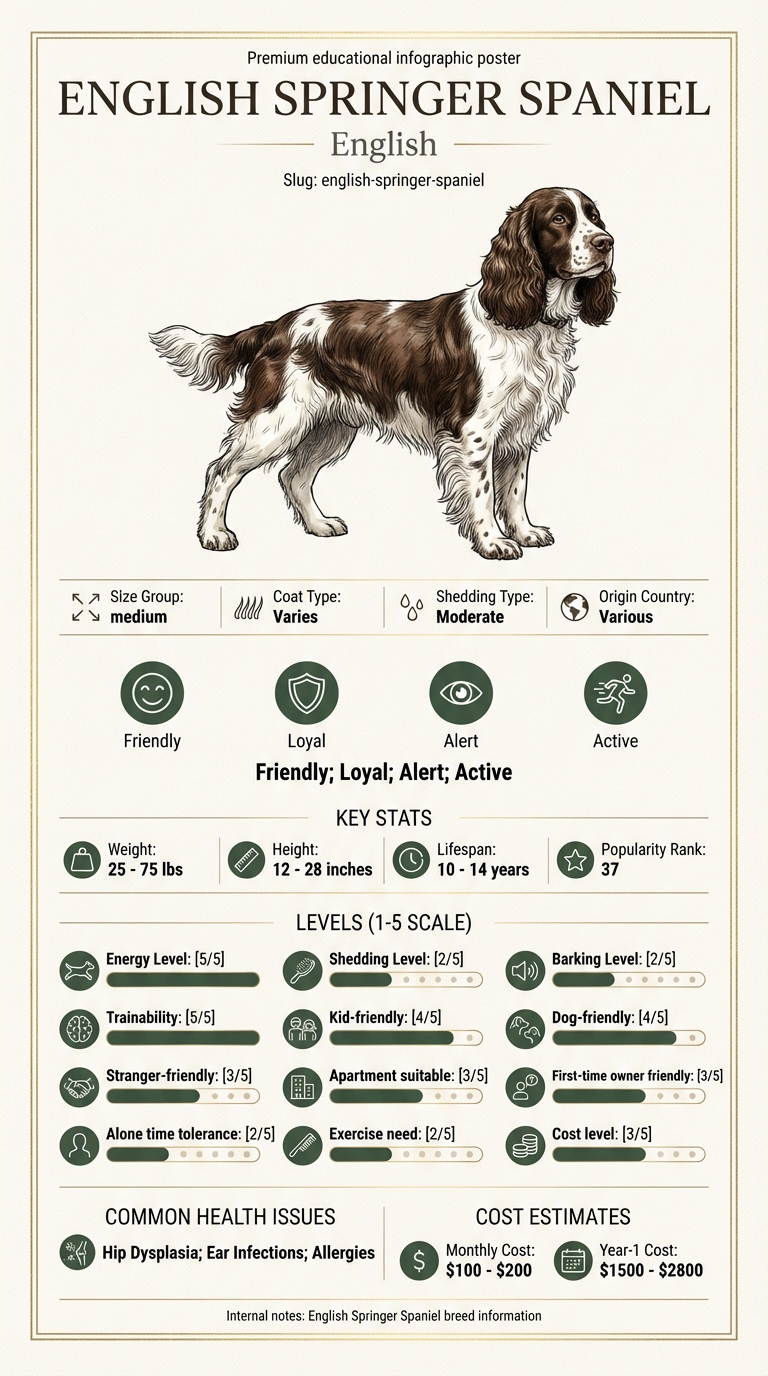
Owners of English Springer Spaniels, especially those who are first-time dog parents or those unfamiliar with genetic health issues, may struggle with recognizing the signs and managing this disease.
This guide is not medical advice. If your dog shows pain, sudden behavior change, or worsening symptoms, consult a licensed veterinarian.
Some links may be affiliate links. We may earn a commission at no extra cost to you. We only suggest products we believe are helpful for dog owners.
English Springer Spaniel von Willebrand's disease (vWD1) is a genetic bleeding disorder that affects the dog's ability to clot blood properly. This condition can lead to excessive bleeding from cuts or injuries, making day-to-day life concerning for dog owners. Symptoms may include prolonged bleeding after surgery or even spontaneous bleeding from the nose or gums.
Von Willebrand's disease is relatively common in English Springer Spaniels, with a significant number of the breed carrying the gene associated with this disorder. While not every affected dog will show symptoms, it's important for owners to be aware of this risk.
Von Willebrand's Disease (vWD1) is a genetic bleeding disorder that is common in English Springer Spaniels. This condition is inherited, meaning it can be passed down from the parent dogs. If either or both parents are carriers of the gene, their puppies may also be affected.
Environmental factors typically do not influence the onset of vWD1, as it is primarily a genetic disorder. However, stress or injury can exacerbate bleeding episodes in affected dogs. Proper care and a stable environment can help manage symptoms.
If your English Springer Spaniel shows signs of anxiety or stress related to their condition, consider hiring a professional trainer. They can help with calming techniques and positive reinforcement strategies to reduce anxiety.
Consult your vet if you notice excessive bleeding or if injuries occur. A vet can provide a proper diagnosis and recommend treatment options. Regular check-ups are essential to manage vWD1 effectively.
Managing English Springer Spaniel von Willebrand's disease (vWD1) is a long-term commitment. Expect to see some improvements within 3 to 6 months of consistent care and training, but ongoing management will be necessary throughout your dog's life.
Success means you can effectively manage your dog's bleeding disorder with a combination of a tailored care plan, regular vet check-ups, and training. Your dog should lead a happy life with minimal complications.
Avoiding these common mistakes can help your English Springer Spaniel with von Willebrand's Disease (vWD1) thrive.
Here are the red-flag signs that indicate you should seek veterinary help right away: - Excessive bleeding from wounds or minor injuries. - Prolonged bleeding after surgery or dental work. - Unexplained bruising or bleeding in the gums.
These symptoms can indicate a severe episode requiring immediate intervention. On the other hand, you can monitor your pup closely if you notice mild symptoms such as occasional nosebleeds or minor cuts that stop bleeding quickly. In these cases, keep a watchful eye and keep your vet informed, but you may not need an immediate visit.
If your English Springer Spaniel is diagnosed with vWD1, work with your vet on a management plan. Regular check-ups and maintaining a calm environment can help prevent stress-related bleeding episodes. Knowing the signs of distress can guide you on when to act. Always trust your instincts—if something feels off, it’s never wrong to call your vet.

When Sarah adopted Max, her English Springer Spaniel, she noticed he was more prone to bruising and bleeding than other dogs. After a vet visit, she learned that Max had von Willebrand's disease (vWD1). At first, Sarah felt overwhelmed, unsure of how to manage his condition. She began by educating herself about vWD1 and established a routine with regular vet check-ups. Sarah also worked on training Max to avoid rough play that could lead to injuries. Over time, they found a comfortable balance, and Max thrived with Sarah's attentive care, enjoying his life with fewer incidents.
Key takeaway: With knowledge and proactive care, you can successfully manage a dog's health issues like vWD1, allowing them to live a full and active life.
English Springer Spaniel von Willebrand's disease (vwd1) is a genetic bleeding disorder. It affects the dog's ability to clot blood properly, leading to excessive bleeding from injuries or during surgery. Early detection is crucial for managing this condition.
This disease is inherited, meaning it is passed down from parents to puppies. If both parents are carriers of the gene, their puppies have a higher risk of developing vwd1. Genetic testing before breeding is recommended to prevent this issue.
Management involves regular veterinary check-ups and monitoring for signs of bleeding. Avoid activities that could lead to injury, and ensure your dog is in a safe environment. In severe cases, your vet may recommend specific treatments or procedures.
While training won't cure vwd1, it can help establish routines that minimize stress and potential injuries. Teaching commands like 'leave it' or 'gentle' can prevent accidents. Always consult your vet for tailored training advice.
Look for signs such as excessive bleeding from small cuts, nosebleeds, or blood in urine. Bruising or lethargy can also indicate issues. If you notice any of these symptoms, contact your veterinarian immediately.
There is no cure for vwd1, but it can be managed effectively. Treatment options may include medications to help with clotting and lifestyle adjustments. Regular check-ups with your vet are essential for ongoing care.
Signs of von Willebrand's disease (vWD1) in your English Springer Spaniel can include excessive bleeding from cuts, frequent nosebleeds, or prolonged bleeding after surgery. You may also notice unusual bruising or blood in the urine. If you observe these symptoms, consult your veterinarian quickly.
Yes, von Willebrand's disease (vWD1) can become more pronounced as your English Springer Spaniel ages. Older dogs may experience more frequent bleeding episodes or complications. It's essential to monitor your dog closely and have regular check-ups with your vet.
Managing von Willebrand's disease (vWD1) at home involves minimizing risks of injury and being cautious during activities. Provide a safe environment, avoid rough play, and ensure your dog has regular veterinary check-ups. Discuss with your vet about any specific home care strategies.
While there is no specific diet for von Willebrand's disease (vWD1), a balanced, nutritious diet can support overall health. Foods rich in vitamins and minerals may help strengthen your dog's immune system. Always consult your vet for tailored dietary recommendations.
You should take your English Springer Spaniel to the vet if you notice symptoms like excessive bleeding, unusual bruising, or any signs of distress. Regular vet visits are also crucial for monitoring the condition and discussing treatment options. Don't hesitate to contact your vet with any concerns.
Keep your dog safe from injuries, monitor for bleeding, and ensure regular vet visits. Understanding the condition helps in managing it effectively.
It's best to schedule regular check-ups at least twice a year, or more often if your dog shows symptoms. Your vet can help monitor the condition.
Supervised play is okay, but avoid rough play that could lead to injury. It's important to keep their environment safe.
Apply pressure to the wound and contact your vet immediately. Quick action is critical in managing bleeding episodes.