Behavior
What are quick tips for managing English Springer Spaniel gastric dilatation-volvulus (gdv/bloat)?
To manage GDV risks, feed smaller, more frequent meals and use slow-feeder bowls. Avoid vigorous exercise immediately after eating.
Gastric dilatation-volvulus (GDV), or bloat, is a serious condition that can affect English Springer Spaniels. (English Springer Spaniel gastric dilatation-volvulus (gdv/bloat))
Owners of English Springer Spaniels, especially those who are first-time pet parents or have dogs with previous health issues, may struggle with recognizing and addressing this dangerous condition.
This guide is not medical advice. If your dog shows pain, sudden behavior change, or worsening symptoms, consult a licensed veterinarian.
Some links may be affiliate links. We may earn a commission at no extra cost to you. We only suggest products we believe are helpful for dog owners.
English Springer Spaniel gastric dilatation-volvulus (gdv/bloat) is a serious, life-threatening condition. It occurs when the stomach fills with gas and twists, which can cut off blood supply and lead to shock. This can happen suddenly and without warning, making it a critical issue for owners to recognize.
While gastric dilatation-volvulus (gdv/bloat) can affect any dog, it's particularly common in breeds like the English Springer Spaniel. Studies suggest that about 20% of this breed may experience bloat at some point in their lives, particularly if they have a family history of the condition.
The English Springer Spaniel can be predisposed to gastric dilatation-volvulus (GDV) due to their deep-chested conformation. This breed's size and shape can lead to a higher risk of the stomach twisting, especially after eating large meals or drinking excessive water. Additionally, their energetic nature may lead them to gulp down food quickly, increasing the risk of bloat.
Environmental factors also play a role in GDV. Stressful situations, such as loud noises or unfamiliar surroundings, can exacerbate the risk. Feeding habits, like offering one large meal instead of smaller, more frequent meals, can contribute to the problem. Moreover, rapid drinking or vigorous exercise right after eating can increase the likelihood of bloat.
If your English Springer Spaniel consistently gulps their food or shows signs of anxiety around meal times, consider consulting a trainer. They can help modify their eating behavior and teach relaxation techniques.
If your dog exhibits signs of GDV, such as a swollen abdomen, excessive drooling, or restlessness, seek immediate veterinary attention. GDV is a serious condition that can be life-threatening without prompt treatment.
Addressing English Springer Spaniel gastric dilatation-volvulus (GDV/bloat) requires immediate veterinary attention. Once treatment begins, you can expect to see improvement in your dog's condition within 24 to 48 hours, but ongoing management and preventative measures may take weeks to establish.
Success means your English Springer Spaniel is no longer showing signs of bloat and has returned to a normal eating and drinking routine. You'll also be able to recognize the warning signs earlier and take preventive steps to avoid future occurrences.
Avoiding these common mistakes can help manage your English Springer Spaniel's gastric dilatation-volvulus (GDV/bloat) risk effectively.
Recognizing when English Springer Spaniel gastric dilatation-volvulus (GDV/bloat) is an emergency can be life-saving. If your dog shows signs like a swollen abdomen, excessive drooling, or attempts to vomit without producing anything, you should call your vet immediately. These are red flags that indicate a critical situation requiring urgent medical attention.
In contrast, if your dog has mild signs such as a slight belly discomfort or occasional nausea without severe symptoms, you can monitor the situation at home. Make sure to keep an eye on their behavior, appetite, and energy levels. If these symptoms don't improve within a few hours, consult your vet for further advice.
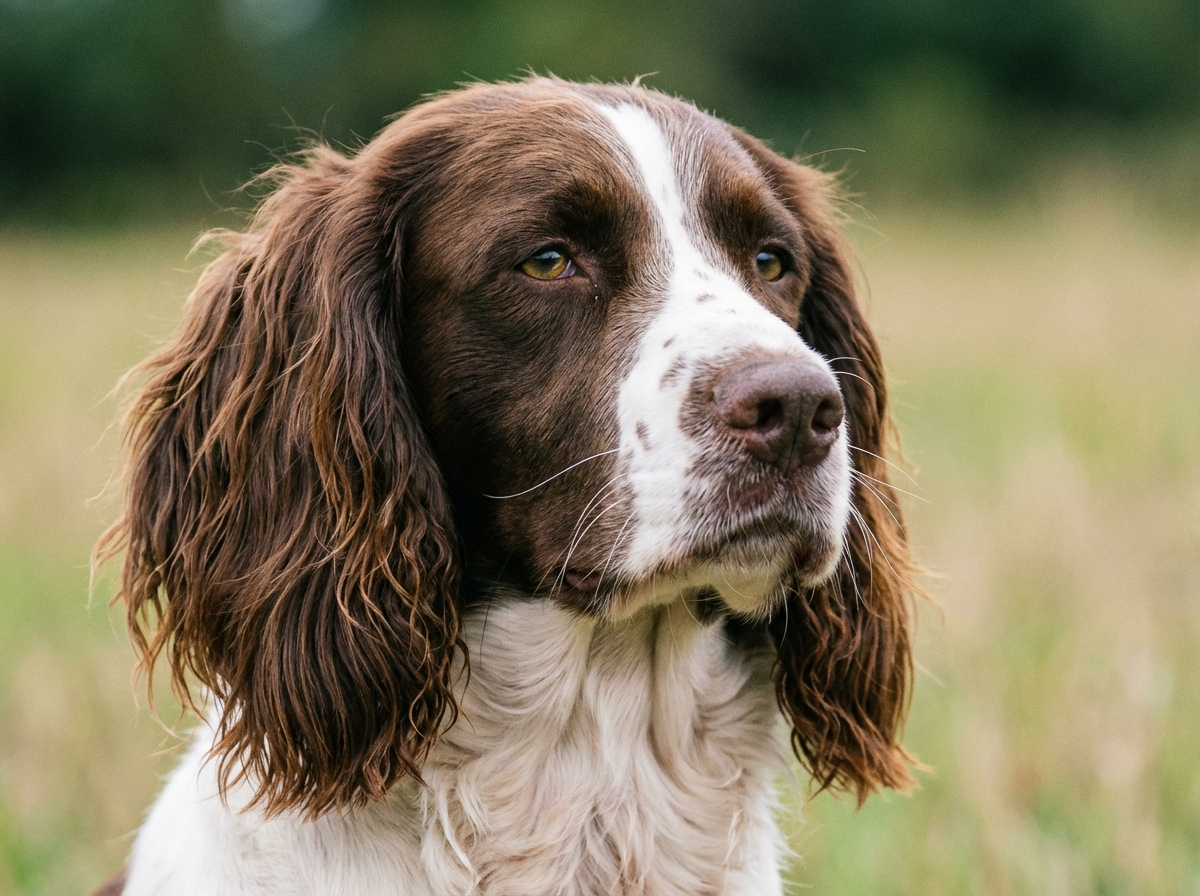
When Sarah adopted Max, her English Springer Spaniel, she didn't know much about gastric dilatation-volvulus (GDV). One evening, after a particularly enthusiastic meal, Max became restless and bloated. Sarah rushed him to the vet, where he received emergency treatment. The experience was frightening, but it taught Sarah the importance of portion control and not letting Max exercise immediately after eating. She also learned to recognize signs of distress in her dog, allowing her to act quickly when needed. Now, with a careful feeding schedule and regular vet check-ups, Max is thriving and happy.
Key takeaway: The key takeaway from Sarah's experience is that early intervention and preventive care are crucial in managing the risk of GDV in English Springer Spaniels. Understanding your dog's behavior can make all the difference.
Gastric dilatation-volvulus (GDV) can occur in English Springer Spaniels due to a combination of genetic factors, rapid eating, and stress. Large meals or eating too quickly can cause the stomach to expand and potentially twist. It's crucial to monitor your dog's eating habits and recognize the signs of GDV, such as restlessness, bloating, or attempts to vomit. This answer relates to English Springer Spaniel gastric dilatation-volvulus (gdv/bloat).
Common symptoms of GDV include a swollen abdomen, unproductive retching, excessive drooling, and signs of distress. If your dog exhibits these symptoms, it's critical to seek emergency veterinary care immediately. GDV is a serious condition that requires prompt treatment.
To reduce the risk of GDV, feed smaller meals multiple times a day instead of one large meal. Additionally, consider using slow-feeder bowls to prevent rapid eating. Keeping your dog calm during and after meals can also help minimize the risk.
While no specific diet guarantees prevention, feeding high-quality, easily digestible food can help. Avoid high-fat diets and ensure a consistent feeding schedule. Always consult your vet for tailored dietary advice for your dog.
If you suspect GDV, act quickly. Take your dog to the nearest veterinary emergency clinic as soon as possible. Time is critical, and early intervention can save your dog’s life.
Early signs of gastric dilatation-volvulus (GDV) in English Springer Spaniels can include restlessness, pacing, and attempts to vomit without success. You may also notice a swollen abdomen and signs of distress, such as whining or panting. If you observe these symptoms, it's crucial to seek veterinary help immediately.
Yes, older English Springer Spaniels can be at risk for gastric dilatation-volvulus (GDV), especially if they have a history of bloat. Age can increase the likelihood of certain health issues, so it's essential to monitor your senior dog's eating habits and behavior closely. Regular vet check-ups can help catch potential problems early.
To help prevent gastric dilatation-volvulus (GDV) in your English Springer Spaniel, avoid feeding large meals and give smaller, more frequent portions instead. Limiting vigorous exercise immediately before and after meals can also reduce the risk. Additionally, consider using a slow feeder bowl to encourage slower eating.
If you suspect your English Springer Spaniel has gastric dilatation-volvulus (GDV), take them to the vet immediately. Time is critical, as GDV can be life-threatening. Do not attempt to treat the condition at home or wait to see if symptoms improve.
Yes, some breeds are more prone to gastric dilatation-volvulus (GDV), including Great Danes, Doberman Pinschers, and Boxers. While English Springer Spaniels can experience GDV, it's essential to be aware of the risks associated with specific breeds. Always consult your vet about the best practices for your breed.
To manage GDV risks, feed smaller, more frequent meals and use slow-feeder bowls. Avoid vigorous exercise immediately after eating.
Signs include a swollen belly, excessive drooling, and attempts to vomit without producing anything. If you notice these, seek emergency care.
Yes, stress can increase the risk of GDV. Keeping your dog calm during meal times is essential to prevent this condition.
Treatment for GDV can be quite expensive, often ranging from $1,500 to $3,000 depending on the severity and required procedures.