Health
What are quick tips for managing English Springer Spaniel cardiomyopathy?
Keep your dog at a healthy weight, provide low-impact exercise, and monitor their diet closely. Regular vet check-ups are vital for early detection and management.

Quick answer
What are quick tips for managing English Springer Spaniel cardiomyopathy?
Keep your dog at a healthy weight, provide low-impact exercise, and monitor their diet closely. Regular vet check-ups are vital for early detection and management.
English Springer Spaniel cardiomyopathy is a serious heart condition that affects the breed's overall health and well-being.
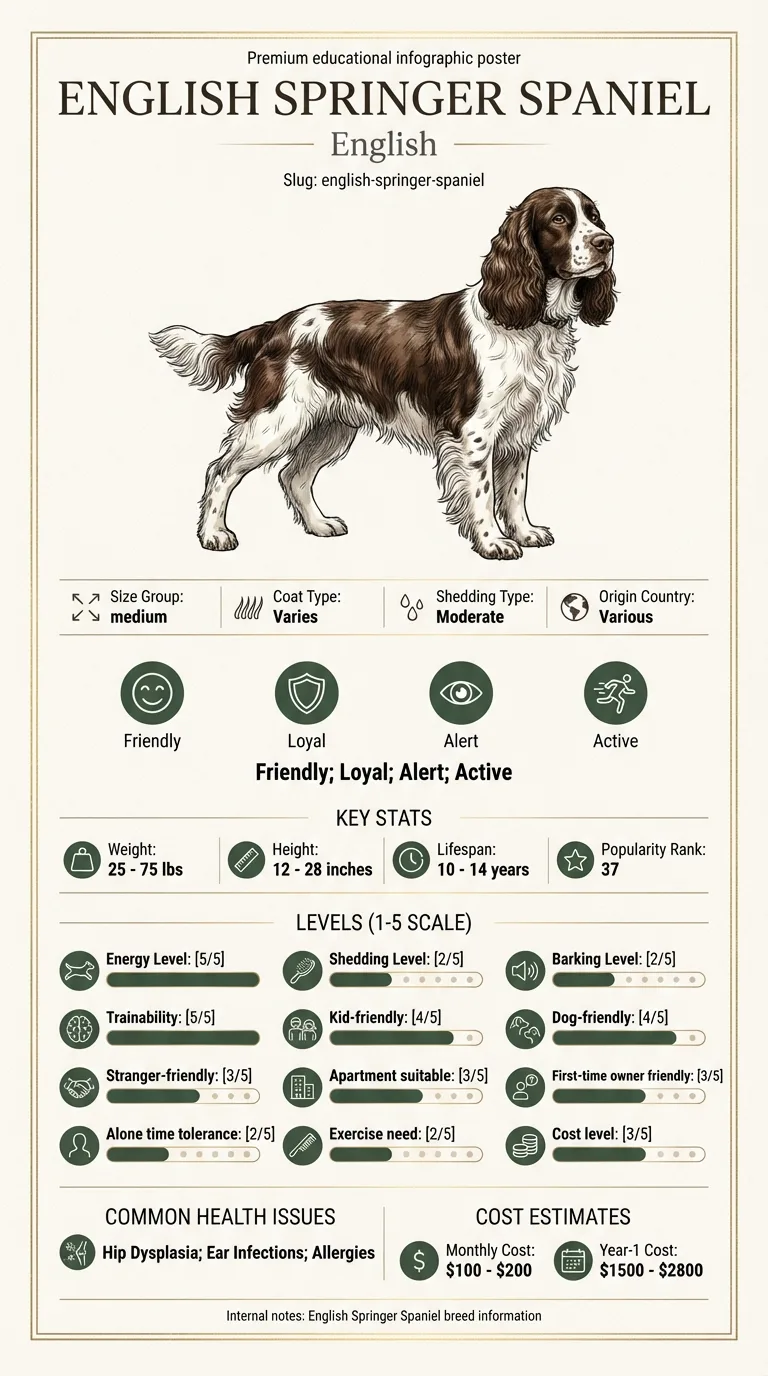
Typically, owners of English Springer Spaniels who are unaware of this condition or its implications may face struggles. New dog parents or those who have recently adopted may find it especially challenging to identify and manage cardiomyopathy.
This guide is not medical advice. If your dog shows pain, sudden behavior change, or worsening symptoms, consult a licensed veterinarian.
Some links may be affiliate links. We may earn a commission at no extra cost to you. We only suggest products we believe are helpful for dog owners.
We research and check what we publish, but we do not warrant that any figure, date, price, or statement is accurate, complete, or current, and we accept no liability for any loss, cost, injury, or other harm arising from the use of this site. Use it as one reference among several. You remain responsible for your own decisions and for your dog's care - confirm anything that matters with a licensed veterinarian or another qualified professional before you act on it. Full disclaimer.
Check this first
Understanding when to seek immediate veterinary help for English Springer Spaniel cardiomyopathy can save your dog's life. Certain signs indicate that this heart condition has escalated to an emergency. Look for symptoms like persistent coughing, difficulty breathing, severe lethargy, or fainting. These red flags require you to call your vet immediately for advice and potential treatment.
On the other hand, some symptoms can be monitored at home. If your dog shows mild signs, such as occasional coughing or reduced energy levels that do not worsen, you can keep an eye on them for a short period. It's essential to have a plan in place, which includes regular vet check-ups and monitoring your dog's condition closely. If you notice any changes or if symptoms worsen, don't hesitate to contact your veterinarian. Keeping track of your dog's overall health can help in managing cardiomyopathy effectively.
If any of these apply, call your vet or an emergency clinic now. The rest of this page is for the cases that are not an emergency.
English Springer Spaniel cardiomyopathy is a serious heart condition that affects the heart muscle, making it harder for the heart to pump blood effectively. This can lead to symptoms such as lethargy, coughing, and difficulty breathing. Daily life for a dog with this condition can be challenging, as they may tire easily and require frequent breaks during exercise.
Cardiomyopathy is relatively common in English Springer Spaniels, especially as they age. While not all English Springer Spaniels will develop this condition, it's important for owners to be aware of the signs and consult a vet for regular check-ups.
English Springer Spaniels can be genetically predisposed to cardiomyopathy. Some lines may have a higher likelihood of developing heart muscle diseases, making it important to know your dog's lineage. Additionally, their active nature can put stress on the heart if not properly managed.
Environmental factors also play a significant role in heart health. An unbalanced diet or lack of exercise can lead to obesity, which increases the risk of cardiomyopathy. Stressful situations, such as frequent changes in the household or inadequate socialization, can also negatively impact your dog's heart health.
If your English Springer Spaniel shows signs of lethargy, coughing, or difficulty breathing, contact your vet immediately. Regular check-ups are crucial, especially if you have concerns about cardiomyopathy or other heart-related issues.
Avoiding common mistakes can help your English Springer Spaniel manage cardiomyopathy better. Here are some behaviors to avoid, along with safer alternatives.
Start here: English Springer Spaniel Most Common Genetic Disorders: Screening
See all English Springer Spaniel health problems, which breeds are prone to cardiomyopathy, or the full English Springer Spaniel breed guide for temperament, exercise needs and ownership costs.
Managing English Springer Spaniel cardiomyopathy typically takes several months. Initial assessments and treatments can begin immediately, but regular vet check-ups and adjustments to care may be needed over time.
Success means your dog shows improved energy levels and maintains a stable heart condition with a proper treatment plan. They should also exhibit fewer symptoms associated with the disease.
Sarah, a busy veterinarian in Seattle, was heartbroken when her English Springer Spaniel, Bella, was diagnosed with cardiomyopathy. At first, Bella showed signs of fatigue and reluctance to play. Sarah quickly learned that a mix of medication, a tailored diet, and regular vet visits were essential for Bella's health. After a few months of dedicated care, Bella regained her playful spirit and was even able to join Sarah on short walks.
Key takeaway: The journey to manage English Springer Spaniel cardiomyopathy requires commitment, but with the right care, dogs can lead fulfilling lives.
English Springer Spaniels can develop cardiomyopathy due to genetic factors or underlying health conditions. Regular vet check-ups and monitoring for symptoms like fatigue or coughing are crucial for early detection.
While you can't completely prevent cardiomyopathy, maintaining a healthy diet and regular exercise can help. Consult with your vet to establish a proper care plan tailored to your dog's needs.
Training can help improve your dog's overall well-being and comfort. Gentle exercise routines and mental stimulation can keep them engaged without overexerting their heart.
Treatments for English Springer Spaniel cardiomyopathy may include medications to help manage heart function and reduce symptoms. Your veterinarian will work with you to create a tailored treatment plan that's right for your dog.
Yes, cardiomyopathy can be hereditary among English Springer Spaniels. Responsible breeding practices can help reduce the risk of passing on this condition.
Early signs of English Springer Spaniel cardiomyopathy can include lethargy, decreased exercise tolerance, and coughing. If you notice these symptoms, it's crucial to consult your veterinarian for a thorough check-up.
Yes, a balanced diet can support heart health in English Springer Spaniels with cardiomyopathy. Discuss with your vet about special diets or supplements that may help improve your dog's condition.
If your English Springer Spaniel has been diagnosed with cardiomyopathy, regular vet visits are essential. Typically, you should schedule check-ups every 6 to 12 months, but your vet may recommend more frequent visits based on your dog's condition.
Yes, cardiomyopathy can have a hereditary component in English Springer Spaniels. Responsible breeding practices can help reduce the risk, so ensure you know your dog's lineage and ask breeders about health screenings.
Keep your dog at a healthy weight, provide low-impact exercise, and monitor their diet closely. Regular vet check-ups are vital for early detection and management.
Treatment costs can vary widely, but you might expect to spend between $100 to $300 monthly depending on medications and vet visits.
A heart-healthy diet low in sodium and rich in omega-3 fatty acids is recommended. Consult your vet for specific dietary suggestions.
Yes, but exercise should be gentle and monitored. Short walks and playtime are beneficial without putting stress on their heart.
Providing a calm environment, engaging in gentle play, and spending quality time can help ease anxiety and improve overall well-being.
A one-page prep sheet for this condition: the signs, the questions to ask, what to get priced. Unlocks here.
You get: Vet visit prep sheet
No spam. One-click unsubscribe. See our privacy policy.
Preview page 1 before you decide.