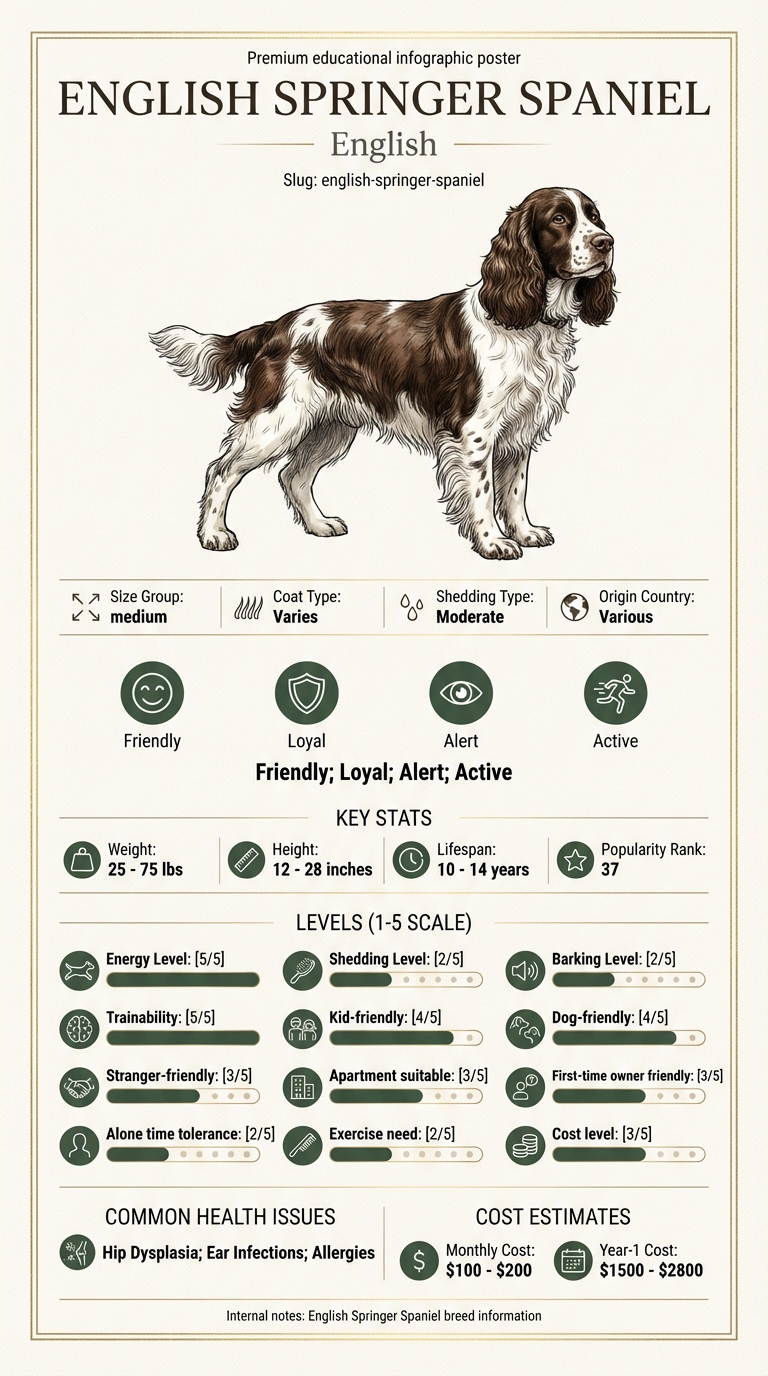
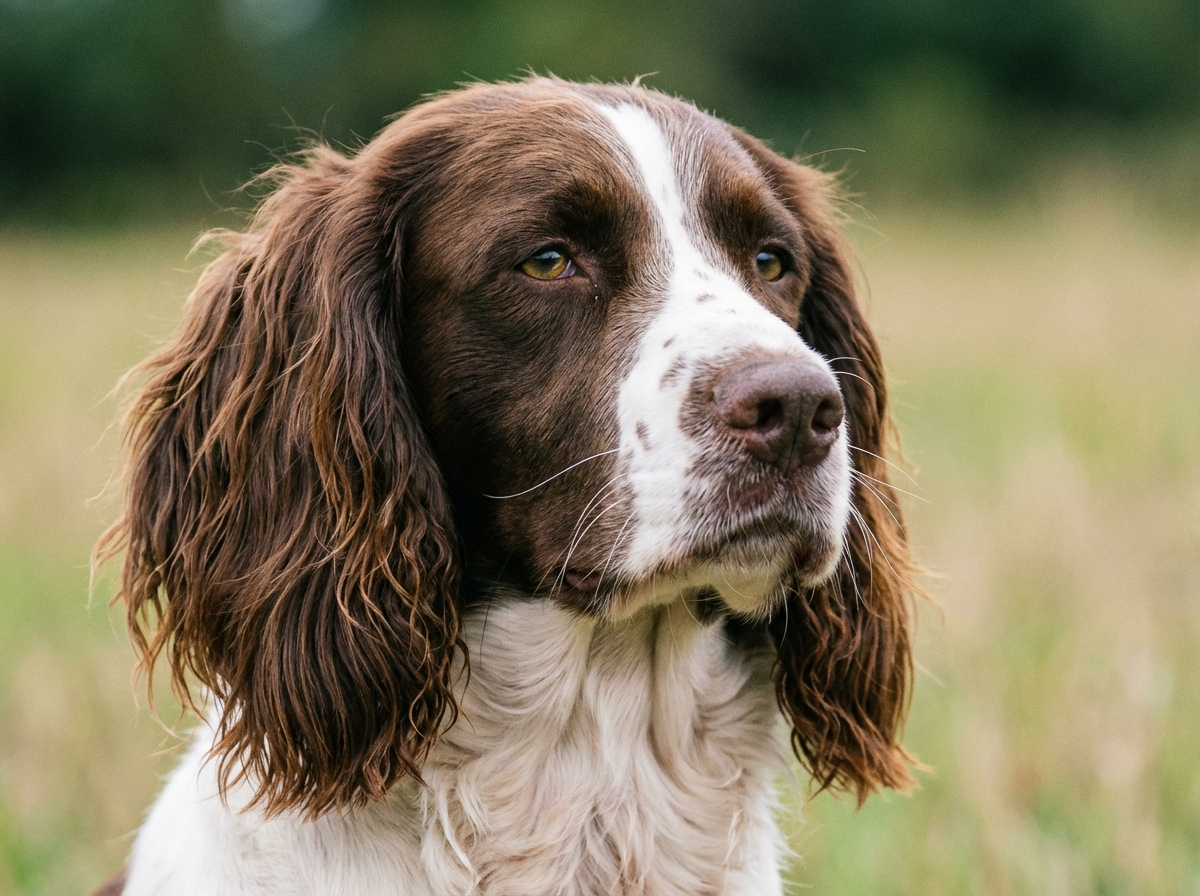
English Springer Spaniel Brachycephalic Obstructive Airway Syndrome (BOAS)
Brachycephalic obstructive airway syndrome (BOAS) can cause serious breathing issues in English Springer Spaniels. (English Springer Spaniel brachycephalic obstructive airway syndrome (boas))
Typically, owners who notice their dog struggling to breathe or experiencing excessive snoring may find themselves dealing with this issue. It can be especially concerning for families in warmer climates or those with active lifestyles.
Important reminder
This guide is not medical advice. If your dog shows pain, sudden behavior change, or worsening symptoms, consult a licensed veterinarian.
Some links may be affiliate links. We may earn a commission at no extra cost to you. We only suggest products we believe are helpful for dog owners.
What this problem looks like
English Springer Spaniel brachycephalic obstructive airway syndrome (BOAS) can lead to breathing difficulties, snoring, and heat sensitivity. This condition typically affects dogs with shorter snouts, making it harder for them to breathe normally. Owners may notice their dog struggling for air, especially during exercise or in hot weather.
Common triggers
High temperatures
Excessive exercise
Obesity
Stress or anxiety
While not all English Springer Spaniels suffer from BOAS, it's essential to be aware of the signs. Many breeds similar to the English Springer Spaniel can experience this condition, making it a noteworthy concern for owners.
Why this happens
Breed factors
English Springer Spaniels are not typically brachycephalic breeds. However, if a dog has a shorter snout or stockier build due to breeding practices, they can develop Brachycephalic Obstructive Airway Syndrome (BOAS). This condition can cause breathing difficulties and snoring because their airways are constricted.
Environment factors
Environmental factors can also contribute to BOAS. If your English Springer Spaniel is exposed to excessive heat or humidity, it can exacerbate breathing issues. Additionally, being overweight can put extra pressure on their airways, making it harder for them to breathe.
What you can try
At-home strategies
Monitor your dog's weight to ensure they stay within a healthy range. A balanced diet and regular exercise can help maintain their weight.
Keep your dog cool, especially during hot weather. Provide plenty of water and a shaded area to rest.
Limit strenuous activities during high temperatures. Opt for early morning or late evening walks when it's cooler.
When to consider a trainer
If your dog shows signs of anxiety or stress during walks, consider working with a trainer. They can help you teach your dog to feel more comfortable outdoors and reduce anxiety triggers.
When to talk to your vet
If you notice persistent coughing, difficulty breathing, or excessive snoring, it’s time to consult your vet. They can assess your dog's condition and recommend treatment options to improve their breathing.
Realistic expectations
You may start noticing improvements in your English Springer Spaniel's breathing within a few weeks of consistent training and management. However, significant changes may take several months, especially if surgery is needed.
Success means your dog breathes easier, has more energy, and enjoys walks without excessive panting or distress. You should also see a reduction in coughing or snoring.
Mistakes that make this worse
Avoiding these common mistakes can help improve your English Springer Spaniel's condition.
Ignoring signs of breathing difficulty: Not recognizing when your dog struggles to breathe can worsen their condition. Always monitor their breathing, especially during exercise or hot weather.
Overexerting during exercise: Pushing your English Springer Spaniel too hard can lead to respiratory distress. Opt for shorter, more frequent walks instead of intense play sessions.
Failing to manage weight: Obesity can exacerbate brachycephalic obstructive airway syndrome (BOAS). Maintain a healthy diet and consult your vet for the best feeding plan.
Neglecting regular vet check-ups: Skipping routine visits can delay necessary treatments or interventions. Schedule regular check-ups to monitor your dog's respiratory health.
Allowing exposure to extreme heat: High temperatures can severely impact your dog’s breathing. Keep them indoors during heat waves and provide plenty of water.
Using harsh training methods: Stressful training can lead to anxiety and worsen breathing issues. Focus on positive reinforcement techniques that build trust and confidence.
Forgetting to create a calm environment: A noisy or chaotic home can increase anxiety. Provide a quiet, safe space for your dog to relax and feel secure.
When English Springer Spaniel Brachycephalic Obstructive Airway Syndrome (BOAS) is an Emergency
Recognizing when your English Springer Spaniel's Brachycephalic Obstructive Airway Syndrome (BOAS) becomes an emergency is crucial. If your dog experiences severe breathing difficulties, such as gasping for air, blue-tinged gums, or extreme lethargy, these are red flags that require immediate veterinary attention. Other emergency signs include excessive panting, coughing, or if your dog collapses due to difficulty in breathing.
On the other hand, if your English Springer Spaniel has mild breathing issues, such as occasional snoring or slight exercise intolerance, you might have time to monitor the situation. In these cases, keep a close watch on your dog's behavior and note any changes. If your dog is still eating, drinking, and playing normally, it may not be an immediate crisis. However, you should still consult your vet to discuss your dog's condition and consider potential training or lifestyle adjustments to help manage the symptoms.
English Springer Spaniel Brachycephalic Obstructive Airway Syndrome (BOAS) - When English Springer Spaniel Brachycephalic Obstructive Airway Syndrome (BOAS) is an Emergency
How Sarah Helped Max Breathe Easier
Sarah, a busy veterinarian in Seattle, adopted Max, her English Springer Spaniel, only to discover he struggled with breathing, especially during play. After researching, she learned about English Springer Spaniel brachycephalic obstructive airway syndrome (BOAS). Determined to help Max, Sarah implemented gradual exercise routines and began training him to calm down during playtime. After a few months, Max was able to enjoy his walks without excessive panting and even became less anxious around other dogs.
Key takeaway: Understanding your dog's specific needs and being patient with training can make a significant difference in their quality of life.
Frequently asked questions
Why does my English Springer Spaniel have brachycephalic obstructive airway syndrome (boas)?
Brachycephalic obstructive airway syndrome (boas) occurs due to the structural issues in the dog’s airways. English Springer Spaniels are not typically brachycephalic, but if they have a flat face or narrow nostrils, they may show symptoms. Common signs include snoring, labored breathing, and heat sensitivity.
How can I tell if my English Springer Spaniel has boas?
Look for signs like excessive snoring, coughing, or difficulty breathing during exercise. If your dog appears to struggle for air or becomes lethargic in warm weather, they may have boas. A vet visit is essential for a proper diagnosis.
What are the treatment options for English Springer Spaniel brachycephalic obstructive airway syndrome (boas)?
Treatment may involve lifestyle changes, such as avoiding extreme heat and managing exercise. In severe cases, surgical options can help widen the airways. Consult your vet to discuss the best course of action for your dog.
How to stop English Springer Spaniel brachycephalic obstructive airway syndrome (boas) symptoms?
To manage symptoms, ensure your dog maintains a healthy weight, as excess weight can worsen breathing problems. Limit strenuous activities, especially in hot weather, and consider training them to breathe more calmly. Regular vet check-ups are crucial.
Can training help my English Springer Spaniel with boas?
Yes, training can improve your dog's overall behavior and reduce anxiety, which may help with breathing issues. Focus on calming exercises and rewarding relaxed behavior. Always consult with a trainer experienced in working with dogs that have health issues.
What are the signs that my English Springer Spaniel has brachycephalic obstructive airway syndrome (BOAS)?
Common signs include loud snoring, labored breathing, and excessive panting. You may also notice your dog struggling during exercise or showing signs of distress in hot weather.
Can brachycephalic obstructive airway syndrome (BOAS) worsen with age?
Yes, as English Springer Spaniels age, their symptoms of BOAS may become more pronounced. Regular vet check-ups can help monitor their breathing and adjust care as needed.
How can I help my English Springer Spaniel with BOAS at home?
Keep your dog cool and avoid strenuous exercise, especially in hot weather. Providing a comfortable resting area and monitoring their weight can also help alleviate symptoms.
When should I see a vet for my dog's breathing issues?
If your English Springer Spaniel shows severe difficulty breathing, collapses, or has episodes of choking, it’s important to see a vet immediately. Early intervention can prevent serious complications.
Are there any specific training techniques for an English Springer Spaniel with BOAS?
Focus on gentle training methods that minimize stress and physical exertion. Positive reinforcement can help your dog learn commands without overexertion, making training sessions more comfortable.
What are English Springer Spaniel brachycephalic obstructive airway syndrome (boas) quick tips?
Keep your dog cool and avoid intense exercise during hot weather. Monitor their weight and maintain a healthy diet to reduce stress on their airways.
Health
How can I help my English Springer Spaniel breathe better?
Ensure your dog is well-hydrated and avoid smoking around them. Regular vet visits will help monitor their respiratory health.
Health
What should I do if my English Springer Spaniel is snoring?
If your dog snores loudly or shows signs of breathing difficulty, consult your vet for advice. They may recommend modifications to your dog's environment.
Health
Is surgery necessary for English Springer Spaniel brachycephalic obstructive airway syndrome (boas)?
Surgery is not always necessary but may be recommended for severe cases. Discuss all options with your veterinarian to find the best solution for your dog.
Training
How can I train my English Springer Spaniel to manage their breathing?
Focus on positive reinforcement for calm behaviors and avoid situations that trigger stress. Consult a professional trainer for tailored strategies.
Related DogBreedCompass guides
English Springer Spaniel separation anxiety guide – Learn more about how to handle separation anxiety in your English Springer Spaniel.
English Springer Spaniel behavior problems – Explore common behavior problems specific to English Springer Spaniels and how to address them.
English Springer Spaniel cost breakdown – Understand the cost associated with owning an English Springer Spaniel, including health considerations.
English Springer Spaniel brachycephalic obstructive airway syndrome (boas) training – Discover effective training methods to manage your English Springer Spaniel's brachycephalic obstructive airway syndrome (BOAS).
Common health issues in English Springer Spaniels – Find out about other health issues that can affect English Springer Spaniels and how to prevent them.