DogBreedCompass
← Back to breed profile

English Springer Spaniel Brachycephalic Features: What You Need to Know

English Springer Spaniels may develop brachycephalic features, which can lead to breathing difficulties. Understanding this issue is crucial for your dog's health and comfort. (English Springer Spaniel brachycephalic features)

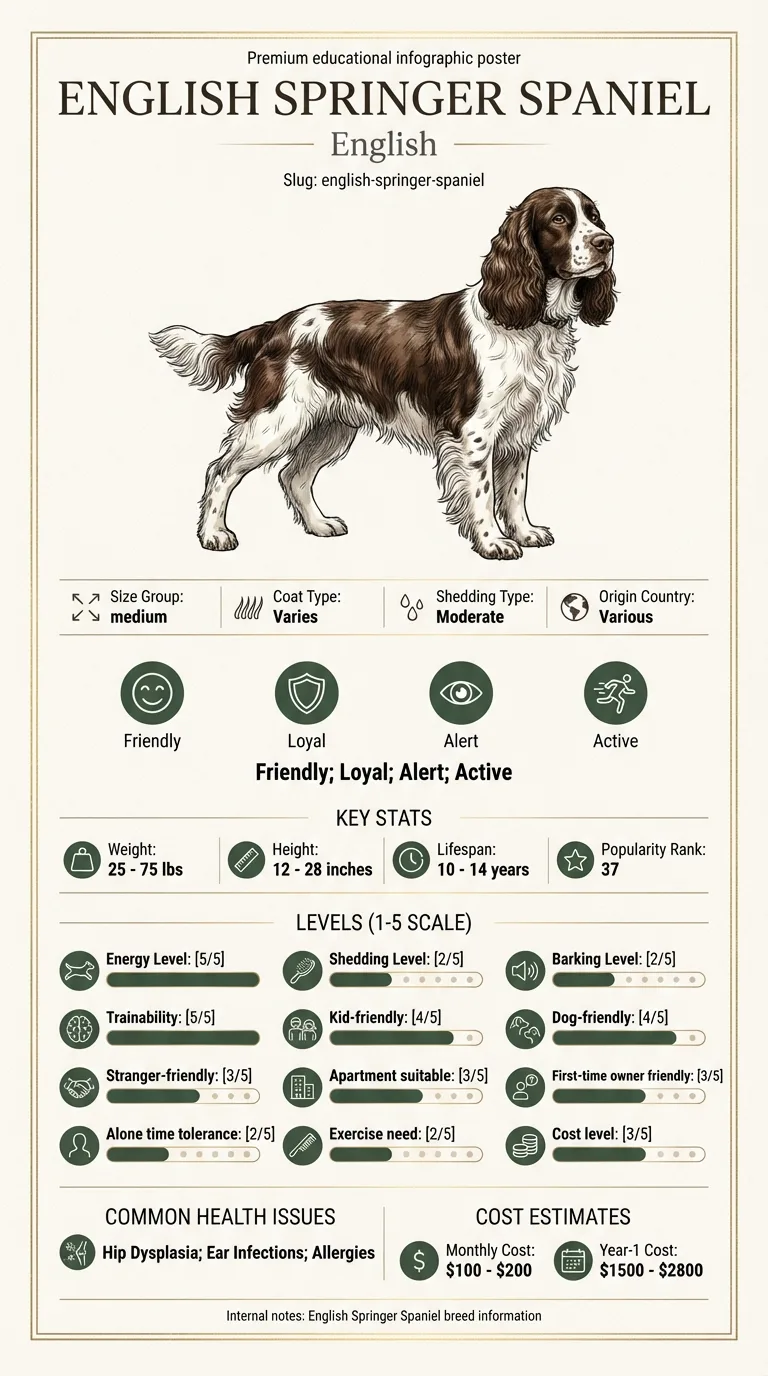
English Springer Spaniel Brachycephalic Features: What You Need to Know infographic

Owners of English Springer Spaniels, especially first-time dog owners, may struggle with recognizing and managing these features. Busy families or those living in warmer climates may find it particularly challenging to ensure their dogs stay comfortable and healthy.

Important reminder

This guide is not medical advice. If your dog shows pain, sudden behavior change, or worsening symptoms, consult a licensed veterinarian.

Some links may be affiliate links. We may earn a commission at no extra cost to you. We only suggest products we believe are helpful for dog owners.

What this problem looks like

English Springer Spaniels are not typically classified as a brachycephalic breed. However, some individuals may exhibit brachycephalic features, leading to breathing difficulties. Day-to-day, this can manifest as snoring, labored breathing during exercise, or excessive panting, especially in hot weather.

Common triggers

  • High temperatures or humidity
  • Intense exercise or excitement
  • Obesity, which can exacerbate breathing issues

The occurrence of brachycephalic features in English Springer Spaniels is relatively uncommon, but it can happen. Owners should be vigilant, as some dogs may develop these characteristics due to genetic factors or environmental influences.

Why this happens

Breed factors

English Springer Spaniels can sometimes exhibit brachycephalic features due to their breeding. While they are not typically classified as a brachycephalic breed, some individuals may inherit traits that lead to a shorter muzzle. This can cause breathing challenges, especially during exercise or hot weather.

Environment factors

Environmental factors also contribute to these issues. For example, high temperatures and humidity can exacerbate breathing difficulties. Additionally, stress and anxiety can lead to panting, which may further complicate their ability to breathe comfortably.

What you can try

At-home strategies

  • Ensure your English Springer Spaniel stays cool during hot weather. Provide plenty of fresh water and a shaded area to rest.
  • Limit exercise during high temperatures. Short, gentle walks are better than intense play sessions.
  • Monitor your dog's breathing. If you notice excessive panting or labored breathing, encourage them to rest and cool down.

When to consider a trainer

If your dog's breathing problems are linked to anxiety or bad behavior, consider hiring a trainer. A professional can help you implement positive reinforcement techniques to reduce stress during triggers.

When to talk to your vet

If you notice persistent breathing difficulties or changes in your dog's behavior, it's time to consult a vet. They can assess your dog's health and determine if any medical intervention is necessary.

Realistic expectations

You should see noticeable improvements in your English Springer Spaniel's breathing within 4 to 6 weeks of consistent training and management.

Success means your dog is more comfortable during activities, breathing more easily, and showing reduced signs of stress or discomfort related to brachycephalic features.

Mistakes that make this worse

Avoiding common pitfalls can significantly improve your English Springer Spaniel's brachycephalic features. Here are some mistakes to watch out for, along with better alternatives.

  • Ignoring weight management: Overweight dogs can experience more severe breathing issues. Ensure you maintain a healthy diet and regular exercise for your English Springer.
  • Not recognizing signs of distress: Failing to notice when your dog struggles to breathe can worsen their condition. Pay attention to their breathing patterns, especially during exercise.
  • Over-exercising in hot weather: High temperatures can exacerbate breathing problems. Opt for early morning or late evening walks when it's cooler outside.
  • Using harsh training methods: Stressful training can lead to anxiety, worsening breathing issues. Use positive reinforcement techniques to encourage good behavior instead.
  • Neglecting regular vet check-ups: Skipping vet appointments can allow health issues to develop. Schedule regular visits to monitor your dog's respiratory health.
  • Not providing enough hydration: Dehydration can make breathing difficulties worse. Always ensure your dog has access to fresh water, especially after physical activity.
  • Failing to create a calm environment: A noisy or chaotic home can increase anxiety levels. Create a serene space where your English Springer can relax and feel safe.

When English Springer Spaniel Brachycephalic Features Are an Emergency

Red-flag signs that indicate you should call your vet immediately include: severe difficulty breathing, persistent coughing, bluish gums, or extreme lethargy. If your dog is struggling to take in air or shows signs of distress, don't wait—seek help right away.

On the other hand, mild cases that can be monitored include occasional snoring or light wheezing during sleep. If your English Springer Spaniel shows slight breathing changes after exercise or excitement, you may not need to panic. Instead, keep a close eye on them and adjust their activity level accordingly.

It's important to have a plan in place for both scenarios. Knowing when to act can prevent complications and ensure your dog stays healthy. If you're unsure, a quick call to your vet for advice can be a lifesaver.

English Springer Spaniel Brachycephalic Features: What You Need to Know - When English Springer Spaniel Brachycephalic Features Are an Emergency

Sarah and Max: Overcoming Breathing Challenges

Sarah, a busy nurse in Seattle, adopted Max, her English Springer Spaniel. She quickly noticed that he struggled to catch his breath during playtime, especially when he got excited. After doing some research, Sarah learned that brachycephalic features could be causing Max's breathing difficulties. She decided to work with a trainer who specialized in managing these issues. They focused on exercises to improve his stamina and gradually increased the duration of their walks. Within weeks, Max was not only breathing better but also enjoying his walks much more.

Key takeaway: With the right training and management, English Springer Spaniels with brachycephalic features can lead happier, more active lives.

Frequently asked questions

Why does my English Springer Spaniel have brachycephalic features?

Some English Springer Spaniels may show brachycephalic features due to selective breeding practices. These traits can cause breathing difficulties and affect their overall health. It's essential to consult with a vet for personalized advice. This answer relates to English Springer Spaniel brachycephalic features.

How can I stop my English Springer Spaniel from having breathing issues?

To help your English Springer Spaniel with breathing difficulties, ensure they maintain a healthy weight and avoid extreme heat. Regular vet check-ups can also catch potential issues early. Always monitor their breathing during exercise and adjust accordingly.

What training methods work best for English Springers with breathing problems?

Positive reinforcement training is effective for English Springer Spaniels with brachycephalic features. Focus on short training sessions to prevent over-exertion. Incorporate calming techniques to reduce their anxiety.

Are there specific exercises for an English Springer Spaniel with breathing difficulties?

Choose low-impact exercises for your English Springer Spaniel, such as gentle walks or swimming. Avoid strenuous activities, especially in hot weather. Always observe their breathing and adjust the exercise intensity.

What should I do if my English Springer Spaniel shows signs of distress while breathing?

If your English Springer Spaniel struggles to breathe, stay calm and remove them from the stressful environment. Encourage them to rest and avoid exertion. If symptoms persist, contact your veterinarian immediately.

What are the signs of brachycephalic features in my English Springer Spaniel?

Signs of brachycephalic features in your English Springer Spaniel can include labored breathing, snoring, and excessive panting. If your dog seems to struggle during exercise or has a tendency to overheat, these may also be indicators. It's important to monitor these symptoms closely.

Can English Springer Spaniels with brachycephalic features live a normal life?

Yes, many English Springer Spaniels with brachycephalic features can live normal, happy lives. However, they may require special care, such as avoiding extreme temperatures and having regular vet check-ups. Keeping their weight in check is also crucial.

How can I help my English Springer Spaniel with breathing issues?

To help your English Springer Spaniel with breathing issues, ensure they have a calm environment and avoid strenuous activities in hot weather. Regular vet visits are key to monitoring their health, and you can also consider training to help them relax in stressful situations.

When should I see a vet for my English Springer Spaniel's breathing problems?

You should see a vet if your English Springer Spaniel shows persistent signs of breathing difficulties, such as wheezing or extreme fatigue. If your dog collapses or has bluish gums, seek immediate veterinary care. Early intervention can prevent serious health issues.

Are there specific training methods for English Springer Spaniels with brachycephalic features?

Training methods for English Springer Spaniels with brachycephalic features should focus on positive reinforcement and low-stress environments. Avoid training that may overexert them, and be patient as they learn. Consistency and gentleness are key to successful training.

Quick answers

View more answers
Behavior

What are quick tips for managing English Springer Spaniel brachycephalic features?

Keep your English Springer Spaniel cool and avoid strenuous activities. Regular vet check-ups are crucial to monitor their health. Training with short sessions helps reduce stress on their breathing.

Training

How can I help my English Springer Spaniel with anxiety related to breathing issues?

Create a calm environment and use positive reinforcement training to help manage anxiety. Gentle walks and relaxation techniques can also be beneficial.

Health

Are there dietary changes that can help my English Springer Spaniel's breathing?

A balanced diet can help maintain a healthy weight, reducing strain on their breathing. Consult your vet for specific dietary recommendations.

Related DogBreedCompass guides

  • English Springer Spaniel breed guideLearn about the specific traits and challenges of the English Springer Spaniel to better understand their brachycephalic features.
  • English Springer Spaniel brachycephalic features trainingExplore effective training techniques that can help address brachycephalic features in your English Springer Spaniel.
  • English Springer Spaniel behavior problemsFind out how to manage behavior problems commonly seen in English Springer Spaniels, including those related to their brachycephalic features.
  • English Springer Spaniel cost breakdownUnderstand the potential health costs associated with owning an English Springer Spaniel, especially if they have brachycephalic features.
  • English Springer Spaniel separation anxiety guideIf your English Springer Spaniel shows signs of anxiety, this guide can provide you with helpful strategies.

Related guides