Behavior
What are quick tips for managing vWD1?
Regular vet check-ups and avoiding risky activities are essential for managing vWD1. Always have a plan in place for emergencies involving bleeding.
English Cocker Spaniel von Willebrand's disease (vWD1) is a genetic bleeding disorder that can seriously affect your dog's health.
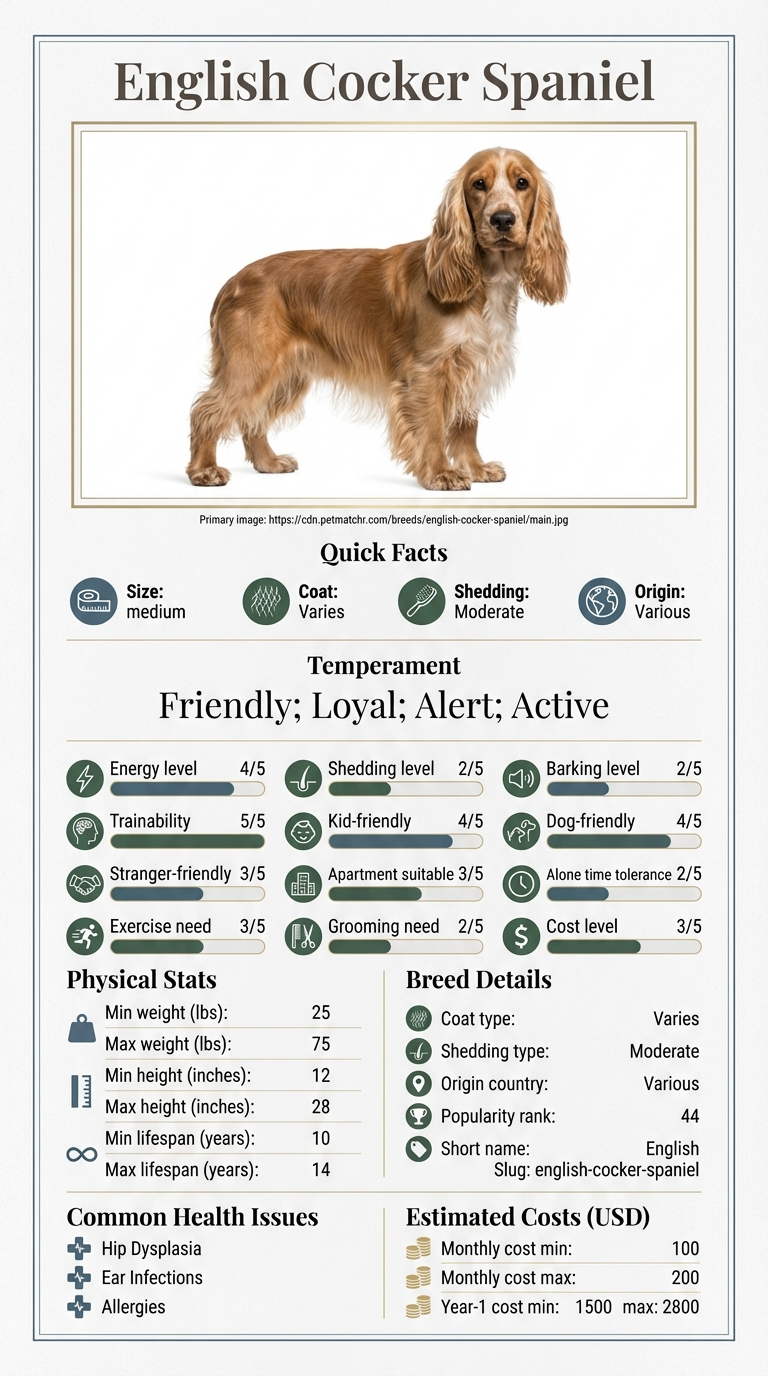
Owners of English Cocker Spaniels, especially those who are unaware of their dog's genetic predisposition, may struggle with this issue. New pet parents or those with limited experience in dog health may find it particularly challenging to navigate.
This guide is not medical advice. If your dog shows pain, sudden behavior change, or worsening symptoms, consult a licensed veterinarian.
Some links may be affiliate links. We may earn a commission at no extra cost to you. We only suggest products we believe are helpful for dog owners.
English Cocker Spaniel von Willebrand's disease (vWD1) is a genetic bleeding disorder that can lead to excessive bleeding and bruising. This condition often shows up during everyday activities, such as playing or after a minor injury. Owners may notice their dog bleeding from the gums, having nosebleeds, or experiencing prolonged bleeding after surgery or injury.
Von Willebrand's disease (vWD1) is relatively common in English Cocker Spaniels, with some estimates suggesting that around 10% of the breed may be affected. Awareness and genetic testing are crucial, as many dogs may not show symptoms until a bleeding episode occurs.
English Cocker Spaniels are prone to Von Willebrand's Disease (vWD1) due to their genetic background. This inherited bleeding disorder affects their blood's ability to clot, making them more susceptible to excessive bleeding. It's important to understand that this condition is a hereditary trait, which means it can be passed down from parent dogs.
While vWD1 is primarily genetic, environmental factors can play a role in how it manifests. Stressful situations, injury, or even certain medications can exacerbate bleeding issues in dogs already affected by this condition. Providing a calm and safe environment can help minimize triggers that may worsen symptoms.
If your English Cocker Spaniel shows signs of anxiety or fear that may lead to injuries, consider working with a professional trainer. They can help you implement positive reinforcement techniques to build your dog's confidence. A trainer can also assist in creating a routine that keeps your dog calm and safe.
Reach out to your vet if you notice any symptoms of bleeding or if your dog has experienced a bleeding episode. It's crucial to have your dog evaluated regularly, as the vet can provide specific advice or treatments to manage vWD1 effectively. If your dog is injured or has ongoing bleeding issues, seek immediate veterinary attention.
It can take several weeks to months to manage symptoms of von Willebrand's disease in an English Cocker Spaniel. Regular vet check-ups and a consistent routine will help you track progress.
Success means your dog shows fewer bleeding episodes and you feel confident managing their condition. You should also have a solid plan for emergencies.
Many owners unknowingly contribute to their English Cocker Spaniel's von Willebrand's disease (vWD1) challenges. Here are some common mistakes to avoid.
It's crucial to understand when English Cocker Spaniel von Willebrand's disease (vWD1) becomes an emergency. Some signs indicate that immediate veterinary attention is necessary, while others may be managed with careful monitoring. Recognizing the difference can save your dog's life and ensure their well-being.

Look out for these urgent signs that mean you should call your vet immediately: - Excessive bleeding from cuts or during grooming. - Spontaneous nosebleeds or bleeding gums. - Blood in urine or stool.
- Weakness, lethargy, or collapse. If you notice any of these symptoms, don't wait. Prompt action can make all the difference.

Not every symptom is an emergency. Here are some mild cases that you can monitor with a plan: - Occasional bruising without other symptoms. - Minor bleeding that stops on its own.
- Mild lethargy without other alarming signs. For these situations, keep a close eye on your dog, but if symptoms worsen, reach out to your vet.
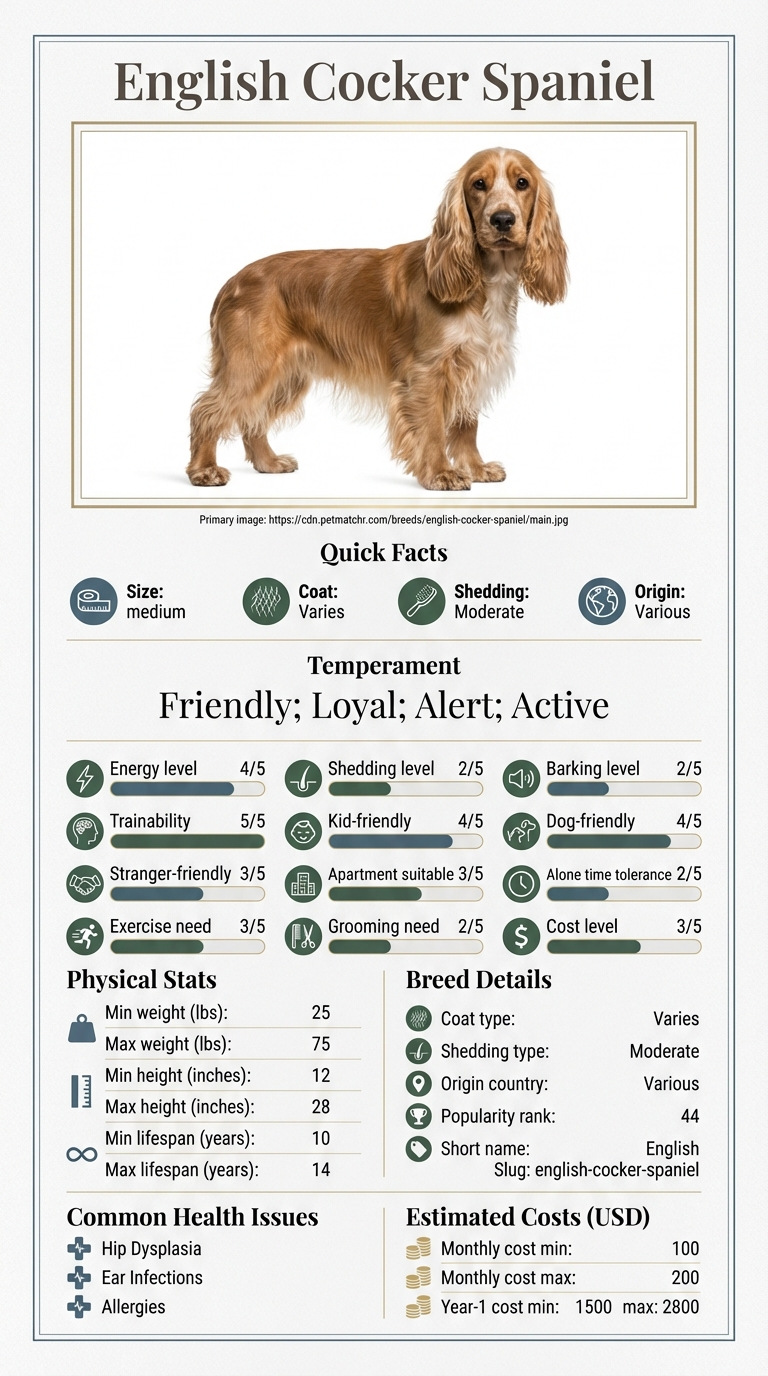
Sarah, a first-time dog owner in Boston, adopted Bella, an English Cocker Spaniel, only to discover she had von Willebrand's disease. At first, Sarah was overwhelmed by Bella's frequent nosebleeds and anxiety during vet visits. After some research, she found a vet who specialized in this condition. Together, they developed a treatment plan that included a special diet and regular check-ups. With patience and care, Bella's symptoms improved, and Sarah learned to manage her health effectively, even feeling confident enough to take her on outings again.
Key takeaway: With the right support and a clear plan, you can successfully manage your English Cocker Spaniel's von Willebrand's disease, improving their quality of life and your peace of mind.
English Cocker Spaniel von Willebrand's disease (vWD1) is a genetic bleeding disorder. It affects the dog's ability to clot blood properly, leading to excessive bleeding from injuries or during surgeries. Early diagnosis is crucial for managing this condition.
Managing vWD1 involves regular veterinary check-ups and monitoring your dog's health. Your vet may recommend avoiding certain medications that can exacerbate bleeding and suggest a tailored exercise routine to keep your dog fit without risking injury.
Von Willebrand's disease (vWD1) is inherited, meaning it can be passed down from parents to puppies. If your English Cocker Spaniel has this condition, both parents likely carried the gene. Genetic testing can help determine if your dog is a carrier.
Common symptoms of vWD1 include excessive bleeding from minor cuts, prolonged bleeding after surgery, and unexplained bruising. If you notice any of these signs, contact your vet for advice on how to proceed.
Yes, you can train your English Cocker Spaniel with vWD1, but adjustments may be necessary. Focus on positive reinforcement techniques that minimize physical stress and avoid high-impact activities that could lead to injury.
Always keep your dog away from dangerous situations that could lead to injury. Inform your vet about vWD1 before any procedures, and ensure your dog wears an ID tag indicating their condition in case of emergencies.
While von Willebrand's disease (vWD1) can complicate health issues, many English Cocker Spaniels live long and happy lives with proper care. Regular vet visits and a good management plan can help maintain their quality of life.
Common signs of von Willebrand's disease in English Cocker Spaniels include excessive bleeding from minor injuries, prolonged bleeding during surgery, and frequent nosebleeds. You might also notice blood in their urine or stools. If you observe any of these symptoms, it’s crucial to consult your vet.
While von Willebrand's disease is a genetic condition, older English Cocker Spaniels may show more pronounced symptoms due to age-related health issues. Their overall health can impact how they cope with bleeding episodes. Always discuss any changes in behavior or health with your vet, especially as they age.
Diagnosis of von Willebrand's disease typically involves a blood test to assess the levels of von Willebrand factor. Your vet may also conduct a thorough examination and review your dog's medical history. This helps to rule out other potential causes of bleeding.
If your English Cocker Spaniel has a bleeding episode, keep them calm and apply gentle pressure to the wound if possible. Contact your vet immediately for guidance. In severe cases, they may need emergency care or treatment depending on the severity of the bleeding.
Training your English Cocker Spaniel with von Willebrand's disease should focus on gentle handling and avoiding high-impact activities that could lead to injuries. It's also beneficial to train them to be calm in stressful situations. Consulting with a trainer experienced in special needs dogs can provide tailored strategies.
Regular vet check-ups and avoiding risky activities are essential for managing vWD1. Always have a plan in place for emergencies involving bleeding.
Use gentle training methods that focus on positive reinforcement and avoid high-impact exercises to reduce injury risk.
Look for excessive bleeding, bruising, or prolonged bleeding after minor injuries or surgeries as signs of vWD1.