Behavior
What are quick tips for managing Doberman Pinscher von Willebrand's disease (vWD1)?
Monitor your dog for bleeding symptoms and schedule regular vet check-ups. Avoid high-risk activities and keep a first aid kit handy.
Doberman Pinscher von Willebrand's disease (vWD1) is a genetic bleeding disorder that can affect your dog's health and well-being. Understanding this condition is crucial for responsible ownership.
Owners of Doberman Pinschers, particularly first-time dog parents, often struggle with vWD1. The condition can be confusing and worrying, especially when it comes to recognizing symptoms and knowing how to respond during emergencies.
This guide is not medical advice. If your dog shows pain, sudden behavior change, or worsening symptoms, consult a licensed veterinarian.
Some links may be affiliate links. We may earn a commission at no extra cost to you. We only suggest products we believe are helpful for dog owners.
Doberman Pinscher von Willebrand's disease (vWD1) is a genetic bleeding disorder that affects blood clotting. This condition can lead to excessive bleeding from minor injuries, which can be alarming for owners. Day-to-day, you might notice your Doberman bleeding more than usual from cuts or even spontaneous nosebleeds.
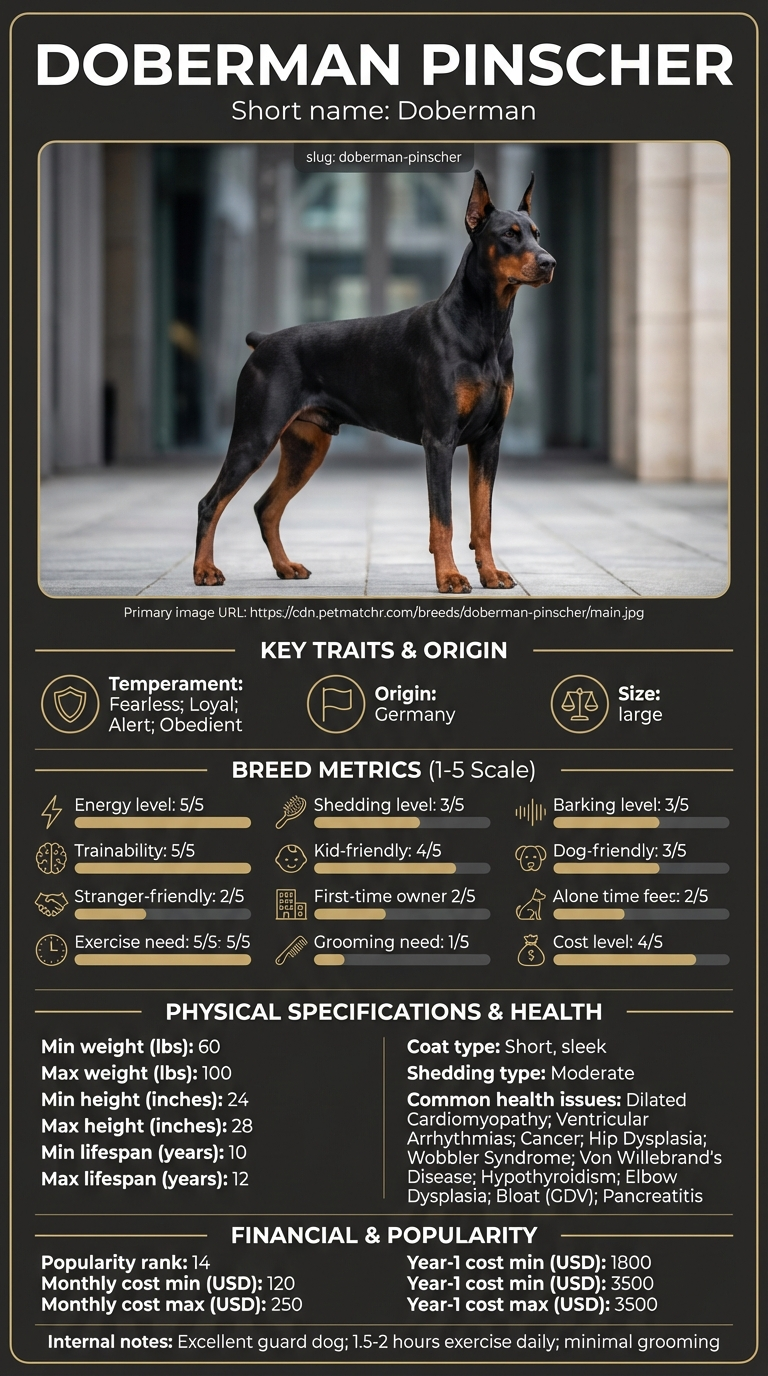
vWD1 is relatively common in Doberman Pinschers, with estimates suggesting that up to 60% of the breed may carry the gene associated with this disease. Because of their genetic predisposition, it's crucial for owners to be aware of the signs and manage their dog's health proactively.
Doberman Pinschers are genetically predisposed to Von Willebrand's Disease (vWD1), a bleeding disorder caused by a deficiency in a clotting protein. This condition is inherited, meaning that if a Doberman's parents were carriers, there's a chance their offspring may have it too. This makes it crucial for owners to understand their dog's lineage and health history.
Environmental factors can also play a role in how vWD1 manifests. Stressful situations or injuries may exacerbate bleeding symptoms. Additionally, poor nutrition or lack of proper medical care can worsen the condition's impact on your Doberman's health.
If you notice your Doberman is anxious or fearful, especially in new situations, consider working with a professional dog trainer. A trainer can help with desensitization techniques and provide strategies for managing stress without risking injury.
If you see signs of excessive bleeding, such as prolonged bleeding from cuts or spontaneous bruising, it's essential to consult your veterinarian immediately. Regular check-ups are also vital, especially if your Doberman has a family history of vWD1.
Managing von Willebrand's disease in your Doberman may take several weeks to establish a routine with your vet. Regular check-ups and adjustments to care can last a lifetime.
Success means keeping your Doberman healthy and active with the right treatment plan. You'll notice fewer bleeding episodes and a happy, energetic pet.
Owners may unintentionally reinforce symptoms of Doberman Pinscher von Willebrand's disease (vWD1). Here are common mistakes to avoid.
Recognizing when Doberman Pinscher von Willebrand's Disease (vWD1) becomes an emergency is crucial. If your Doberman shows any signs of excessive bleeding, such as bleeding gums, nosebleeds, or blood in the urine or stool, call your vet immediately. Other urgent signs include weakness, lethargy, or fainting, as these could indicate severe blood loss or complications.
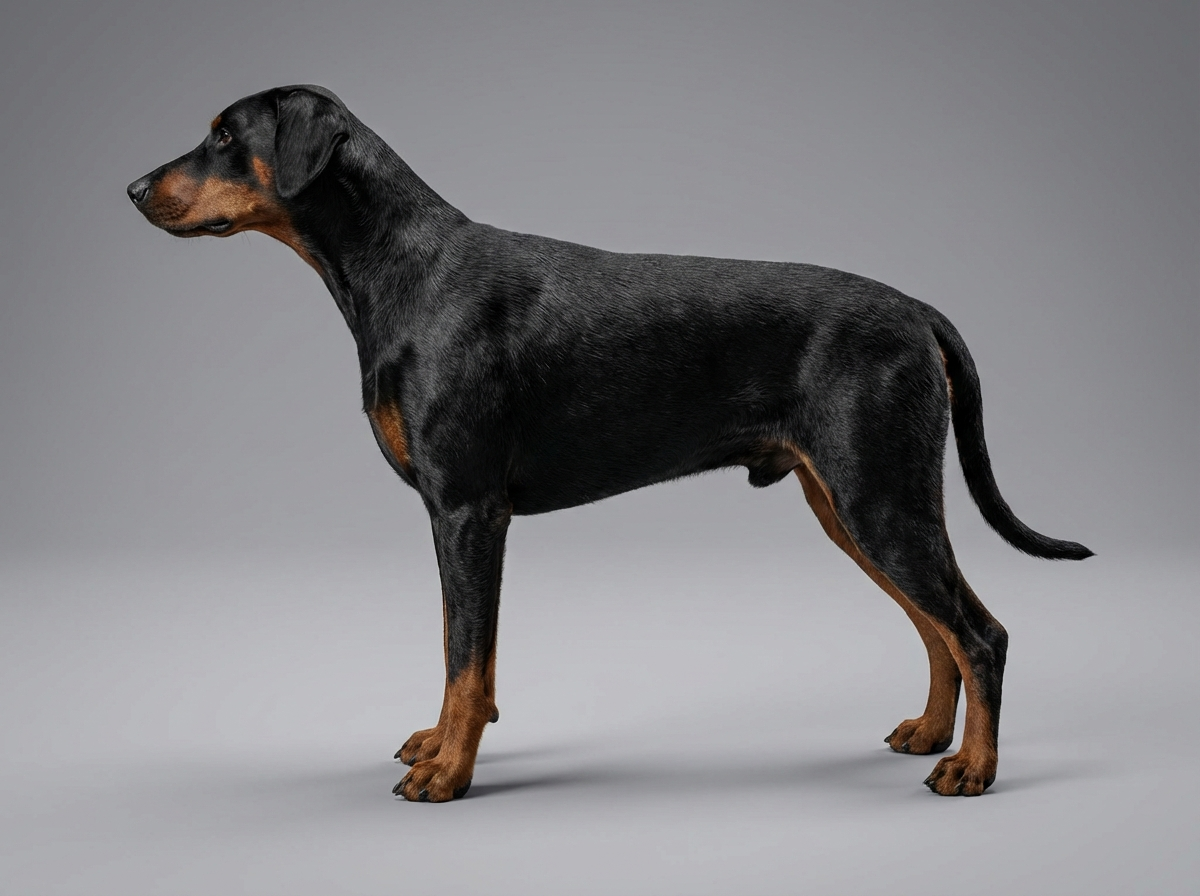
In less severe cases, you may notice mild symptoms like occasional bruising or slight bleeding from minor cuts. These situations can often be monitored at home. However, it's essential to have a plan in place, including regular vet check-ups and knowing when to escalate care if symptoms worsen.
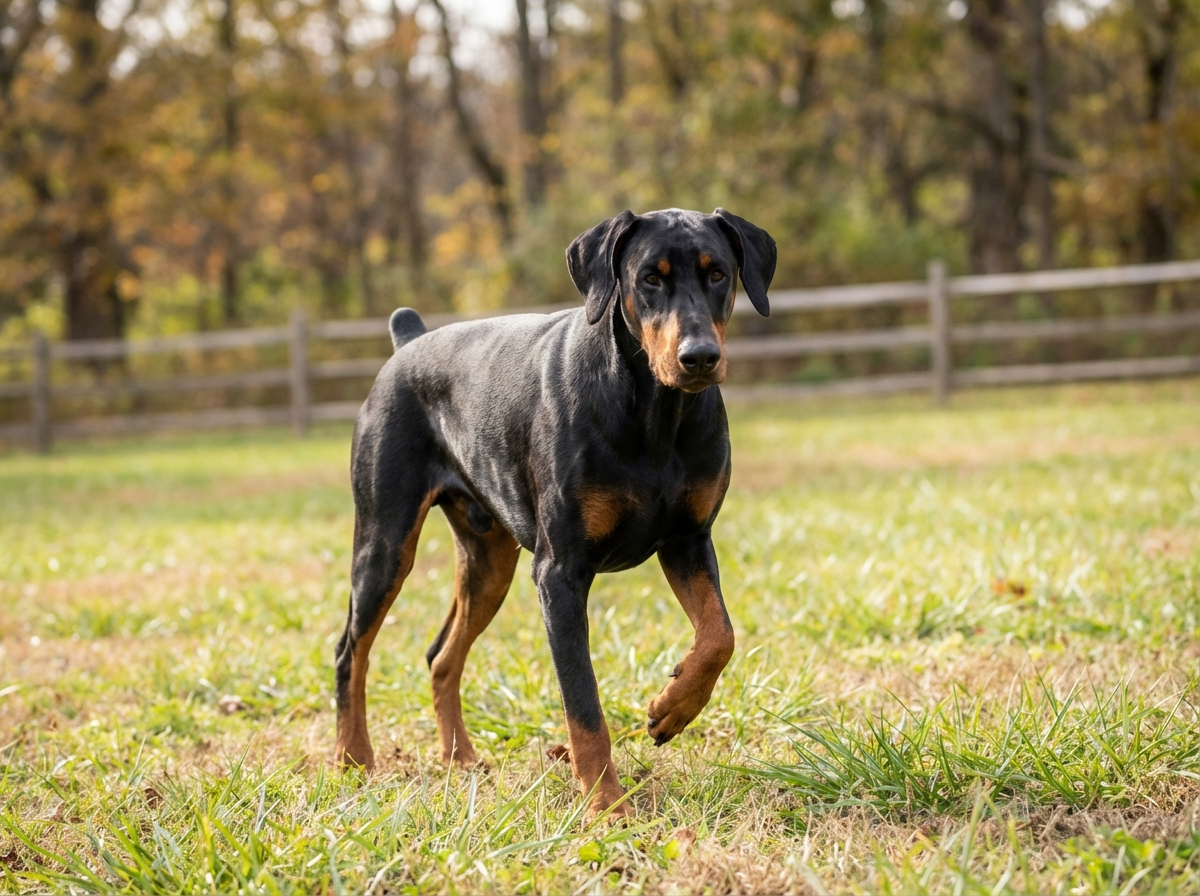
Emily, a first-time dog owner, adopted Max, her Doberman Pinscher, without knowing he had von Willebrand's disease (vWD1). After noticing unexplained bruising and excessive bleeding from minor cuts, she took him to the vet. With her vet's help, they developed a care plan that included regular check-ups, a balanced diet, and avoiding excessive exercise. Over time, Emily learned to recognize Max's signs and manage his condition effectively, allowing him to enjoy life without fear.
Key takeaway: Understanding your dog's health condition is crucial. With the right care and knowledge, you can help your Doberman live a fulfilling life despite challenges like vWD1.
Doberman Pinscher von Willebrand's disease (vWD1) is a genetic bleeding disorder that affects the blood's ability to clot. This condition can lead to excessive bleeding after injury or surgery, making it crucial for owners to be aware of its symptoms and management.
vWD1 is inherited, meaning it can be passed from parent to puppy. If your Doberman has vWD1, it's likely due to genetics, so understanding the family history can help you manage the condition effectively.
Management involves regular vet check-ups and possibly avoiding certain activities that could lead to injury. Your vet may also recommend specific treatments or medications to improve clotting ability.
Symptoms of vWD1 include prolonged bleeding from cuts, nosebleeds, or blood in urine and stool. If you notice these signs, it's essential to consult your veterinarian immediately.
Currently, there's no cure for vWD1, but it can be managed with proper care and regular vet visits. Your vet can guide you on the best practices to minimize risks and ensure your dog's well-being.
Training can help your Doberman follow commands and avoid risky situations that could lead to injury. Positive reinforcement techniques are especially effective for dogs with this condition.
In an emergency, keep calm and contact your veterinarian immediately. Having a first aid kit and knowing basic emergency procedures can also be helpful.
You might notice excessive bleeding from minor cuts, frequent nosebleeds, or prolonged bleeding after surgery. Some Dobermans may also show signs of weakness or lethargy due to low blood platelet levels.
While training itself won't treat vWD1, it’s important for your Doberman to be calm and well-behaved to avoid injuries that could lead to bleeding. Training can help your Doberman learn to avoid rough play that might cause cuts or bruising.
Yes, von Willebrand's disease is a genetic condition. If you're considering a Doberman, it's wise to check if the breeder tests their dogs for vWD1 and offers health clearances for the parents.
If your older Doberman shows symptoms like unusual bleeding, contact your veterinarian immediately. They can perform tests to diagnose the condition and recommend a treatment plan tailored to your dog's needs.
To support your Doberman, create a safe environment that minimizes injury risk. Regular check-ups with your vet and following their advice on managing the condition can also help your dog live a happy, healthy life.
Monitor your dog for bleeding symptoms and schedule regular vet check-ups. Avoid high-risk activities and keep a first aid kit handy.
A high-quality, balanced diet is essential. Always consult your vet for specific dietary recommendations tailored to your dog's needs.
Yes, managing vWD1 can include regular vet visits and potential treatments, which can range from $120 to $250 monthly.
With proper management and care, many dogs with vWD1 can lead active, fulfilling lives. It's crucial to be vigilant and proactive.