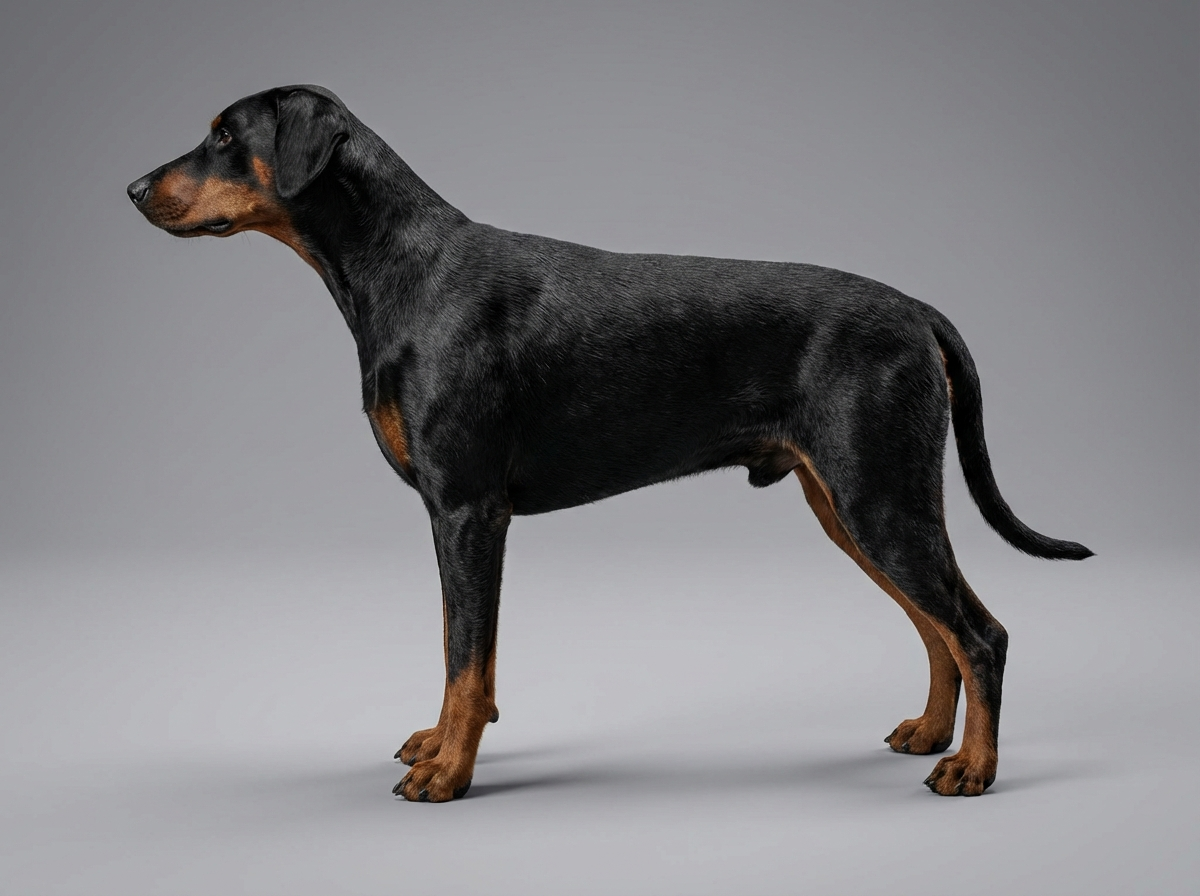
Behavior
What are quick tips for managing a Doberman's behavior?
Use positive reinforcement, establish a routine, and provide ample exercise to manage your Doberman's behavior effectively.

Quick answer
What are quick tips for managing a Doberman's behavior?
Use positive reinforcement, establish a routine, and provide ample exercise to manage your Doberman's behavior effectively.
Choosing between a Doberman Pinscher purebred and a mixed breed can be challenging. It's important to understand the key differences and potential issues.

New dog owners or families looking for a loyal companion often face this dilemma. They may worry about health issues, temperament, and training challenges that can differ between purebreds and mixed breeds.
This guide is not medical advice. If your dog shows pain, sudden behavior change, or worsening symptoms, consult a licensed veterinarian.
Some links may be affiliate links. We may earn a commission at no extra cost to you. We only suggest products we believe are helpful for dog owners.
We research and check what we publish, but we do not warrant that any figure, date, price, or statement is accurate, complete, or current, and we accept no liability for any loss, cost, injury, or other harm arising from the use of this site. Use it as one reference among several. You remain responsible for your own decisions and for your dog's care - confirm anything that matters with a licensed veterinarian or another qualified professional before you act on it. Full disclaimer.
Check this first
Understanding when a behavior problem becomes an emergency is crucial for your Doberman Pinscher. Some signs indicate immediate veterinary attention is necessary, while others can be monitored at home. Recognizing the difference can help you react appropriately and keep your dog safe.
Red-flag signs that mean you should call your vet immediately include: - Sudden aggression or fearfulness that seems out of character. - Persistent vomiting or diarrhea, especially if there are blood traces. - Excessive panting, drooling, or signs of extreme distress. - Inability to stand, walk, or coordinate movements properly.
These symptoms can indicate serious health issues that require prompt diagnosis and treatment. On the other hand, mild cases of anxiety or behavioral issues may not need urgent care. In these instances, you can implement a monitoring plan and observe your dog's behavior.
Signs that can be watched and managed include: - Occasional barking or whining when left alone. - Mild separation anxiety that doesn’t escalate. - Changes in appetite that don't persist for several days. - Slight restlessness or pacing without other concerning symptoms.
For these less severe issues, try to create a calming environment or seek training resources. Establishing routines can also provide your Doberman with comfort and security. If symptoms worsen or change, don’t hesitate to consult your vet. Your dog's well-being should always come first.
If any of these apply, call your vet or an emergency clinic now. The rest of this page is for the cases that are not an emergency.
Understanding the differences between Doberman Pinscher purebreds and mixed breeds is crucial for prospective owners. Doberman Pinschers are known for their loyalty, alertness, and protective nature. However, purebreds may have specific health issues, such as a higher risk of certain cancers, which can affect their quality of life and ownership costs.
The issues related to purebred versus mixed breed Dobermans are quite common. Many Doberman owners report challenges with behavior and health, particularly in purebreds, due to their genetic background. It's essential to weigh these factors when choosing a Doberman.
Doberman Pinschers, being a specific breed, have a genetic predisposition to certain health issues, such as dilated cardiomyopathy or hip dysplasia. These inherited traits can lead to behavior changes or anxiety, especially if they are not properly socialized or trained. Additionally, purebred Dobermans may exhibit more pronounced traits like loyalty and protectiveness, which can influence their interactions with other dogs and people.
The environment plays a crucial role in a Doberman's behavior. Factors like lack of exercise, insufficient mental stimulation, or a chaotic home life can exacerbate anxiety or behavioral problems. If they are left alone for long periods, they may develop separation anxiety, leading to destructive behaviors or excessive barking.
Consider talking to your vet if you notice significant changes in your Doberman’s behavior, such as excessive barking or aggression. They can help rule out any underlying health issues that might be affecting your dog's behavior. Additionally, if your dog shows signs of severe anxiety, your vet may recommend specific treatments or medications.
Here are common mistakes that can worsen the issues related to Doberman Pinscher purebred vs. mixed breeds. Avoiding these can lead to a more positive experience for both you and your dog.
Start here: Doberman Pinscher Most Common Genetic Disorders: Screening
See all Doberman Pinscher health problems, which breeds are prone to purebred vs mixed breeds, or the full Doberman Pinscher breed guide for temperament, exercise needs and ownership costs.
You can expect to see improvements in behavior within 3 to 6 months with consistent care and a steady routine.
Success means your Doberman is well-adjusted, interacts positively with other dogs, and responds to commands reliably.
Mia, a first-time dog owner in Atlanta, adopted a Doberman Pinscher mix named Duke. Initially, Duke struggled with anxiety and was reactive to other dogs. Frustrated, Mia sought help through local training classes and dedicated time each day to practice commands. With patience and persistence, Duke became calmer and more social, allowing Mia to take him to the park without worry.
Key takeaway: Training a Doberman, whether purebred or mixed, requires dedication and time, but the bond created through this process is invaluable.
Doberman Pinschers can show a mix of behaviors influenced by their genetics. Purebred dogs may have more predictable traits, while mixed breeds can show variations. Understanding your dog's background can help you identify specific training needs. This answer relates to Doberman Pinscher purebred vs. mixed breeds.
Start by observing your Doberman's unique behaviors and preferences. Use consistent training techniques that work for their temperament and energy level. Positive reinforcement is crucial for shaping desired behaviors.
Doberman Pinschers, purebred or mixed, can face health issues like dilated cardiomyopathy and hip dysplasia. Regular vet check-ups and a healthy diet can help manage these risks. Be proactive about their health needs.
Purebred Doberman Pinschers may experience more predictable behavior issues due to their genetic makeup. However, mixed breeds can inherit traits from both parents, leading to varied behavior challenges. Proper training can mitigate these issues.
Ensure your Doberman gets plenty of exercise and mental stimulation. Establish a consistent routine and provide a safe space for them. Training programs focused on anxiety can also be beneficial.
If your Doberman shows signs of anxiety, consider consulting a vet or a professional trainer. They can help identify the root cause and recommend appropriate training or behavior modification techniques. Early intervention can make a big difference.
Yes, mixed breed Dobermans may have a different set of health issues compared to purebreds. While purebreds can be prone to specific genetic conditions, mixed breeds might benefit from hybrid vigor, potentially reducing the risk of some hereditary diseases. Regular vet check-ups are essential for all dogs.
To determine if your Doberman is purebred, you can check for registration documents from breed clubs or organizations. Additionally, physical traits such as size, coat type, and behavior can provide clues. A DNA test can also give you a definitive answer.
Doberman Pinschers are not typically recommended for first-time dog owners due to their strong personality and exercise needs. They require consistent training and socialization. If you're a first-time owner, consider working with a trainer to help you understand their unique needs.
Training a purebred Doberman may focus on breed-specific traits and behaviors, while mixed breed Dobermans might require a more varied approach. Regardless of the type, consistent, positive reinforcement techniques work best. Each dog is unique, so tailor your training to their individual needs.
Use positive reinforcement, establish a routine, and provide ample exercise to manage your Doberman's behavior effectively.
Monthly costs for a Doberman can range from $120 to $250, depending on food, vet care, and grooming needs.
Consider online training courses or local classes focused on Doberman training for effective behavior management.
A one-page prep sheet for this condition: the signs, the questions to ask, what to get priced. Unlocks here.
You get: Vet visit prep sheet
No spam. One-click unsubscribe. See our privacy policy.
Preview page 1 before you decide.