What are some quick tips for managing Doberman Pinscher heart conditions?
Focus on a heart-healthy diet, ensure regular veterinary check-ups, and maintain a consistent exercise routine. These steps can help manage their heart health effectively.
Doberman Pinscher heart conditions are serious health issues that can affect your dog's quality of life. Knowing the signs and how to manage them is crucial for any owner.
Typically, owners of Doberman Pinschers may struggle with heart conditions, especially those who are first-time pet parents or those unfamiliar with the breed's specific health needs. It's essential for these owners to be aware of the symptoms and seek appropriate care.
Important reminder
This guide is not medical advice. If your dog shows pain, sudden behavior change, or worsening symptoms, consult a licensed veterinarian.
Some links may be affiliate links. We may earn a commission at no extra cost to you. We only suggest products we believe are helpful for dog owners.
We research and check what we publish, but we do not warrant that any figure, date, price, or statement is accurate, complete, or current, and we accept no liability for any loss, cost, injury, or other harm arising from the use of this site. Use it as one reference among several. You remain responsible for your own decisions and for your dog's care - confirm anything that matters with a licensed veterinarian or another qualified professional before you act on it. Full disclaimer.
Check this first
When Doberman Pinscher Heart Conditions Are an Emergency
Understanding when a heart condition in your Doberman Pinscher becomes an emergency is crucial. If you notice any severe symptoms, you should call your vet immediately. These red-flag signs could include difficulty breathing, excessive coughing, fainting, or lethargy. If your dog seems to be in distress, don't hesitate to seek help.
On the other hand, some mild symptoms can be monitored at home. If your Doberman is experiencing occasional coughing, fatigue after normal exercise, or slight changes in appetite, these may not require immediate vet attention. It's essential to keep an eye on these symptoms and have a plan for when to escalate to your vet.
Always trust your instincts as a pet owner. If you're worried or uncertain about your dog's condition, it's better to be safe and consult with your vet. Regular check-ups can also help catch any potential heart issues early, ensuring your Doberman remains healthy and active.
If any of these apply, call your vet or an emergency clinic now. The rest of this page is for the cases that are not an emergency.
What this problem looks like
Doberman Pinscher heart conditions can impact their everyday life. These issues often manifest as lethargy, coughing, or difficulty breathing. Owners may notice their Doberman seems less energetic or has trouble with physical activities they once enjoyed.
Common triggers
Genetics and breed predisposition
Obesity or poor diet
Lack of regular exercise
Stress or anxiety
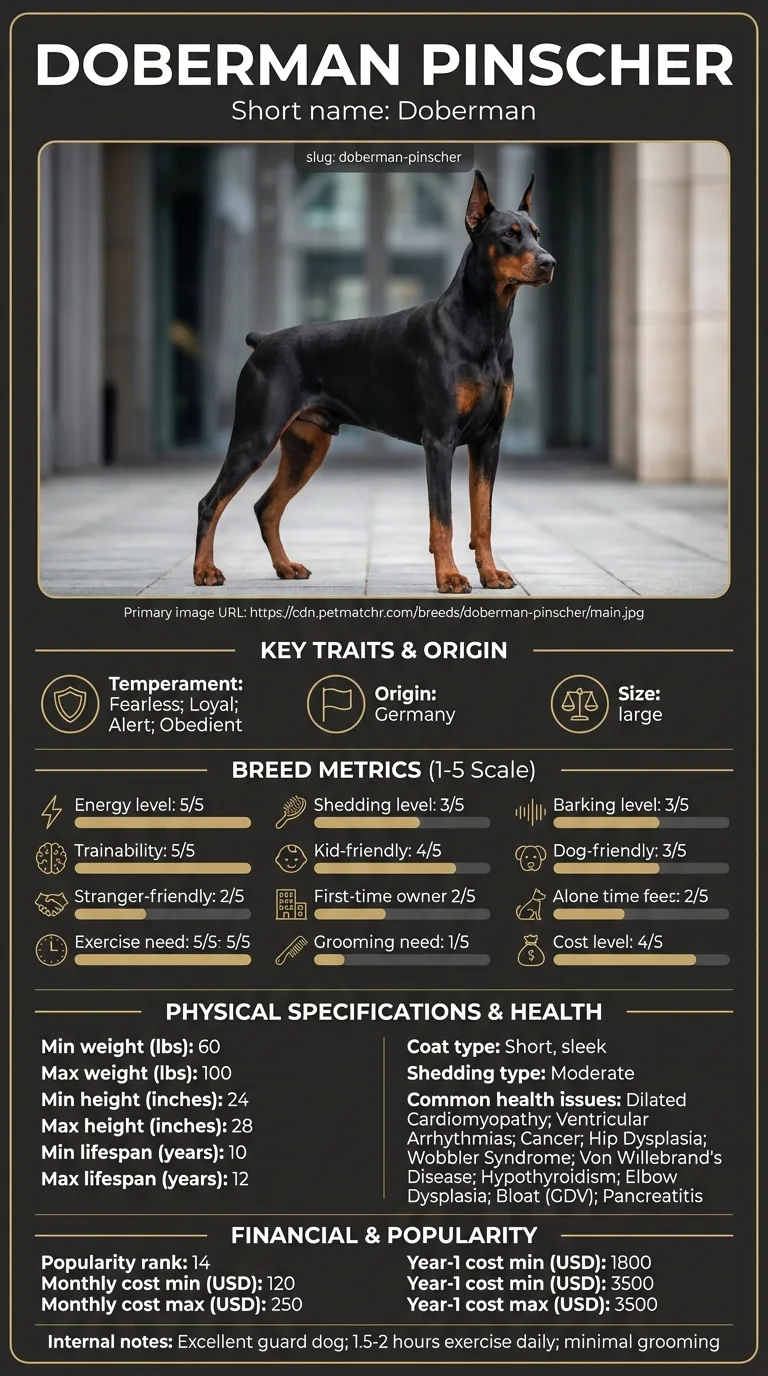
Heart conditions are relatively common in Doberman Pinschers, particularly Dilated Cardiomyopathy, which affects about 30% of the breed. Owners should be vigilant and proactive in monitoring their dog's health.
Why this happens
Breed factors
Doberman Pinschers are prone to genetic heart conditions, particularly Dilated Cardiomyopathy. This breed's unique physiology can make them vulnerable to heart issues as they age. Their large size and active nature also contribute to higher cardiovascular demands.
Environment factors
Environmental factors, such as diet and exercise levels, can impact heart health. Poor nutrition or obesity can lead to strain on their heart. Additionally, inadequate exercise can exacerbate existing conditions or contribute to overall poor health.
What you can do at home (once it is not an emergency)
When to talk to your vet
Talk to your vet if your Doberman exhibits signs like coughing, lethargy, or difficulty breathing. These could indicate heart problems that require medical attention. Regular check-ups are essential for early detection of heart conditions.
At home, alongside your vet's plan
Feed a balanced diet that’s low in fillers and high in quality proteins. Consult your vet for specific recommendations.
Maintain a regular exercise routine to keep your Doberman's heart strong. Aim for at least 1.5 to 2 hours of activity daily.
Monitor your dog's weight to prevent obesity. Use a scale or consult your vet during check-ups to track their weight.
Keep your Doberman mentally stimulated with interactive toys and training exercises to reduce stress.
Limit stressors in their environment, such as loud noises or sudden changes, which can negatively affect their heart health.
Mistakes that make Heart Conditions worse
Understanding how certain actions can worsen Doberman Pinscher heart conditions is crucial for your pet's health. Here are some common mistakes to avoid.
Ignoring Symptoms: Many owners overlook signs like coughing or lethargy. Instead, seek veterinary advice immediately if you notice these symptoms.
Skipping Regular Check-ups: Failing to schedule routine vet visits can lead to undetected issues. Make sure to keep up with your Doberman's health check-ups.
Not Following a Proper Diet: Feeding your Doberman low-quality food can contribute to health problems. Opt for high-quality, vet-recommended diets tailored for heart health.
Neglecting Exercise: Some owners may think their dog needs less exercise due to age or health. However, appropriate exercise is vital for heart health, so consult your vet for a suitable routine.
Overlooking Stress Factors: High-stress environments can negatively affect your Doberman's heart. Create a calm and safe space for them to reduce anxiety.
Delaying Treatment: If your vet recommends medication or a special diet, delaying implementation can worsen heart conditions. Follow the vet's advice promptly for the best outcome.
Managing Doberman Pinscher heart conditions can take several months. Initial diagnosis and treatment may require immediate vet visits, followed by ongoing monitoring and adjustments over time.
Success means your Doberman responds well to treatment, shows improved energy levels, and maintains a stable heart condition. Regular vet check-ups indicate no new complications and a good quality of life.
Emily's Journey with Max's Heart Condition
Emily, a dedicated dog owner in Denver, noticed her Doberman, Max, was becoming less active. After a vet visit, she learned that Max had dilated cardiomyopathy, a common heart condition in Dobermans. With a treatment plan that included medication and a special diet, Emily committed to daily monitoring of Max's health. Though the first few months were challenging, she celebrated small victories like increased playtime and energy. Regular vet visits became a part of their routine, and Emily felt empowered by the knowledge she'd gained about Max's condition.
Key takeaway: With patience and commitment, managing Doberman Pinscher heart conditions can lead to a better quality of life for your dog.
Frequently asked questions
Why does my Doberman Pinscher have heart conditions?
Doberman Pinschers are prone to several heart conditions, especially Dilated Cardiomyopathy. This breed's genetic makeup makes them susceptible to developing cardiac issues. Regular vet check-ups can help catch any problems early.
How can I prevent heart conditions in my Doberman Pinscher?
Preventive care is key for your Doberman. Ensure they get a balanced diet, regular exercise, and routine vet check-ups to monitor their heart health. Keeping their weight in check can also lower the risk of heart issues.
What are the symptoms of heart conditions in Doberman Pinschers?
Common symptoms include coughing, fatigue, difficulty breathing, and fainting. If you notice any of these signs, it's crucial to consult your vet immediately. Early detection can lead to better management of heart conditions.
How to stop Doberman Pinscher heart conditions?
While you can't entirely stop heart conditions, you can manage them. Regular vet visits, a healthy diet, and appropriate exercise can help maintain their heart health. Medication may also be necessary for diagnosed conditions.
What treatments are available for Doberman Pinscher heart conditions?
Treatment varies depending on the specific condition. Options may include medications to manage symptoms, dietary changes, and in some cases, surgery. Work closely with your vet to create the best care plan for your dog.
Can Doberman Pinschers have heart conditions at a young age?
Yes, while heart conditions are more common in older Dobermans, some can develop issues early due to genetic factors. Regular check-ups can help catch any problems early.
What should I feed my Doberman Pinscher to support heart health?
A balanced diet rich in omega-3 fatty acids, antioxidants, and low in sodium can support heart health. Always consult your vet before changing your dog's diet, especially if they have existing heart conditions.
How can I manage my Doberman Pinscher's heart condition at home?
Regular, moderate exercise is crucial, along with monitoring their weight and diet. Ensure they stay calm and stress-free, and follow your vet's recommendations for medications and check-ups.
Is there a specific age when Doberman Pinschers are more prone to heart conditions?
Heart conditions often begin to manifest in Doberman Pinschers as they reach middle age, typically around 5 to 7 years old. Regular veterinary check-ups can help monitor their heart health as they age.
What are some quick tips for managing Doberman Pinscher heart conditions?
Focus on a heart-healthy diet, ensure regular veterinary check-ups, and maintain a consistent exercise routine. These steps can help manage their heart health effectively.
Costs
How much does it cost to treat heart conditions in Doberman Pinschers?
Treatment costs can vary widely, often ranging from $100 to $1,000 monthly depending on the severity of the condition and required medications. It's essential to budget for ongoing veterinary care.
Training
Can training help with my Doberman Pinscher's anxiety related to heart conditions?
Yes, training can help reduce anxiety, which may improve your Doberman's overall well-being. Positive reinforcement techniques can create a calm environment for your dog.
Living
What should I look for in a vet for my Doberman Pinscher's heart issues?
Choose a vet experienced with heart conditions, especially in Doberman Pinschers. Look for someone who can offer a comprehensive care plan and is willing to discuss all treatment options.
A fuller vet-visit kit for Doberman Pinscher Heart Conditions
The free prep sheet covers the same-day warning signs, a symptom log and the questions to ask. We are considering a fuller kit that adds a cost worksheet for the usual tests and treatments (US price ranges with their sources) and a plain-English guide to ways of covering the bill. It is not built yet; this list tells us whether it is worth building.
One email, no spam, unsubscribe anytime. Information only, not veterinary advice.