Behavior
What are quick tips for managing Doberman Pinscher brachycephalic airway syndrome (boas)?
Keep your Doberman cool, avoid strenuous exercise, and monitor their weight. Regular vet visits are key to managing this condition.

Quick answer
What are quick tips for managing Doberman Pinscher brachycephalic airway syndrome (boas)?
Keep your Doberman cool, avoid strenuous exercise, and monitor their weight. Regular vet visits are key to managing this condition.
Doberman Pinscher brachycephalic airway syndrome (BOAS) can cause serious breathing issues for your dog, especially in hot weather.

New and experienced Doberman owners alike may struggle with BOAS. If you live in a warmer climate or have an active lifestyle, this issue can become even more concerning.
This guide is not medical advice. If your dog shows pain, sudden behavior change, or worsening symptoms, consult a licensed veterinarian.
Some links may be affiliate links. We may earn a commission at no extra cost to you. We only suggest products we believe are helpful for dog owners.
We research and check what we publish, but we do not warrant that any figure, date, price, or statement is accurate, complete, or current, and we accept no liability for any loss, cost, injury, or other harm arising from the use of this site. Use it as one reference among several. You remain responsible for your own decisions and for your dog's care - confirm anything that matters with a licensed veterinarian or another qualified professional before you act on it. Full disclaimer.
Check this first
Red-flag signs indicating an emergency include:
- Severe difficulty breathing or gasping for air. - Blue-tinged gums or tongue, which may indicate a lack of oxygen. - Rapid or labored breathing, especially during rest. - Unresponsiveness or lethargy that seems unusual.
If you notice any of these symptoms, call your vet immediately.
On the other hand, mild cases of BOAS can often be monitored at home. Look for signs like occasional snoring, slight coughing, or mild panting. These are common in Doberman Pinschers but can usually be managed with some lifestyle adjustments.
To help your dog, consider: - Keeping them cool during hot weather. - Avoiding strenuous exercise, especially in high temperatures. - Using a harness instead of a collar to prevent pressure on their neck.
As a responsible pet owner, it's essential to be proactive about your Doberman's health. If symptoms worsen or you’re unsure how to proceed, it's always better to err on the side of caution and consult your vet.
If any of these apply, call your vet or an emergency clinic now. The rest of this page is for the cases that are not an emergency.
Doberman Pinschers can suffer from brachycephalic airway syndrome (BOAS), which leads to breathing difficulties, particularly in hot weather. This condition can make daily activities challenging for both the dog and the owner. Symptoms may include loud breathing, snoring, and a struggle during exercise, which can be alarming.
Brachycephalic airway syndrome is relatively common in Doberman Pinschers, especially those with a more pronounced brachycephalic structure. While not all Dobermans will experience severe symptoms, many may show some level of breathing difficulty throughout their lives.
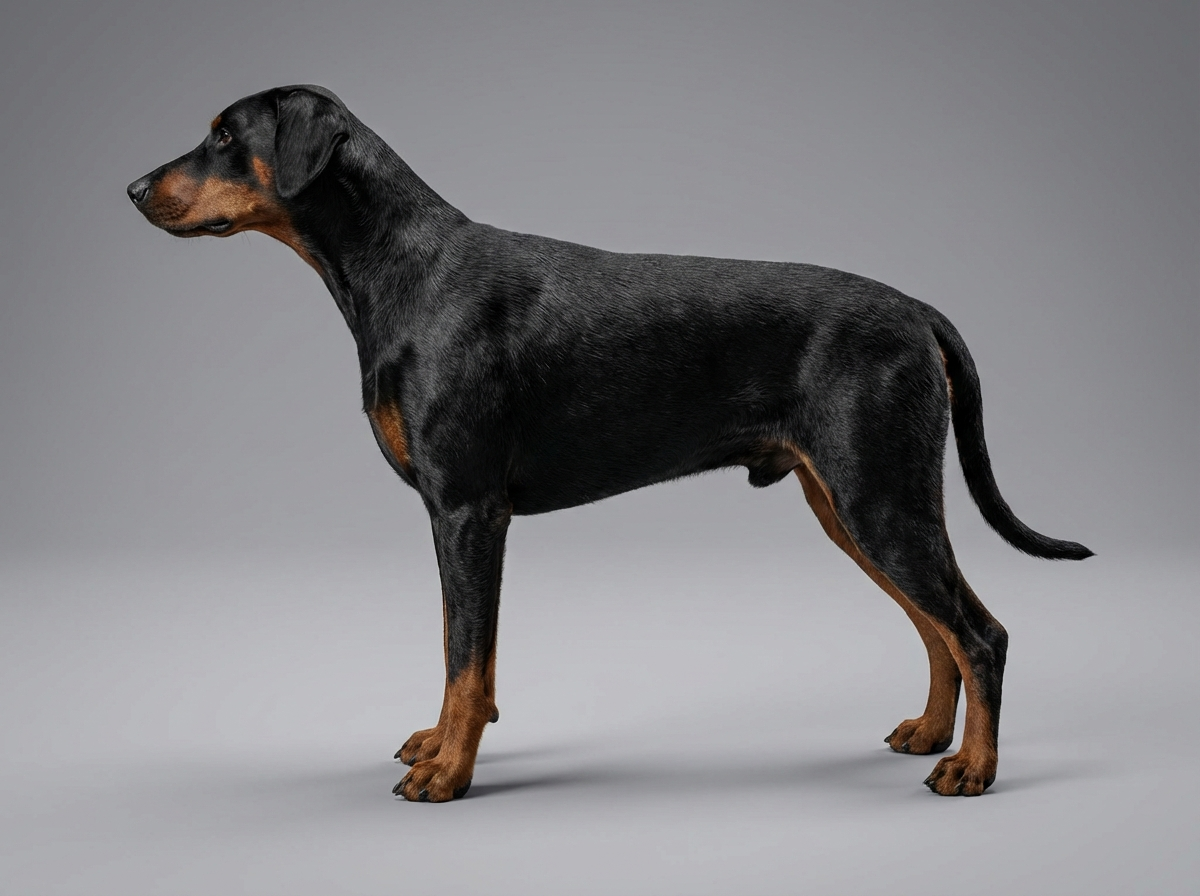
The Doberman Pinscher is not traditionally considered a brachycephalic breed. However, some can experience breathing issues due to genetics. This can be exacerbated if they have a narrow nasal passage or elongated soft palate, leading to Brachycephalic Airway Syndrome (BOAS).
Environmental factors can also play a role in breathing difficulties. Heat and humidity can make it harder for your Doberman to breathe comfortably. Additionally, obesity can worsen these issues, making it crucial to maintain a healthy weight.
If your Doberman shows persistent signs of breathing distress, such as wheezing, excessive panting, or lethargy, it’s essential to consult a vet. They can assess the severity of BOAS and recommend treatments that may include surgery.
Avoiding common mistakes can help you manage your Doberman Pinscher's brachycephalic airway syndrome (BOAS) more effectively. Here are some behaviors to steer clear of:
Start here: Doberman Pinscher Most Common Genetic Disorders: Screening
See all Doberman Pinscher health problems, which breeds are prone to brachycephalic airway syndrome boas, or the full Doberman Pinscher breed guide for temperament, exercise needs and ownership costs.
With consistent care and management, you should start seeing improvements in your Doberman Pinscher's breathing and behavior within 4 to 8 weeks.
Success means your Doberman can comfortably engage in light to moderate exercise without showing signs of distress. You should also notice a reduction in any anxious behaviors associated with their breathing difficulties.
Sarah, a busy nurse in Atlanta, adopted Max, a 2-year-old Doberman Pinscher, who struggled with brachycephalic airway syndrome (BOAS). At first, Max would pant heavily after short walks, making Sarah worry about his health. After consulting a vet, she learned to adjust his exercise routine and focus on training exercises that encouraged calm behavior. Over time, Max became more comfortable, and Sarah was thrilled to see him enjoying walks without excessive panting.
Key takeaway: Managing a Doberman with BOAS requires patience and a tailored routine; small changes can lead to big improvements in their quality of life.
Signs of Doberman Pinscher brachycephalic airway syndrome (boas) include noisy breathing, snoring, gagging, and difficulty exercising. You might also notice your dog panting excessively or struggling to cool down, especially in warm weather.
Look for signs such as labored breathing, excessive panting, or snoring. If your dog struggles to breathe, especially in heat, consult your vet for a professional evaluation.
Management includes maintaining a healthy weight, avoiding heat exposure, and providing a calm environment. In severe cases, surgery may be necessary to correct airway obstructions.
Training can help reduce anxiety and stress, which may exacerbate breathing issues. Focus on calm training techniques and avoid overly strenuous activities.
If you notice persistent breathing difficulties, coughing, or changes in behavior, seek veterinary advice immediately. Early intervention can help manage the condition effectively.
Yes, prioritize a cooler environment, limit strenuous activities, and keep your Doberman calm. Regular vet check-ups are also crucial to monitor their health.
Yes, older Doberman Pinschers can develop brachycephalic airway syndrome (boas) as their airways may become more constricted over time. It's important to monitor older dogs for any breathing changes and consult a vet if you notice issues.
A vet can evaluate your Doberman's airway and suggest treatments ranging from lifestyle changes to surgery in severe cases. They can also provide guidance on managing symptoms and preventing complications.
To help a Doberman with brachycephalic airway syndrome (boas), keep them cool in hot weather, limit strenuous exercise, and avoid stressful situations. Regular vet check-ups and maintaining a healthy weight can also improve their breathing.
Yes, training methods for Doberman Pinschers with brachycephalic airway syndrome (boas) should focus on positive reinforcement and avoiding excessive physical exertion. Gradual training sessions can help them adapt without overexerting their breathing.
Keep your Doberman cool, avoid strenuous exercise, and monitor their weight. Regular vet visits are key to managing this condition.
Yes, training can help reduce anxiety which may worsen breathing issues. Use calm techniques to create a positive environment.
Move them to a cool, quiet space and offer water. If symptoms persist, contact your vet for guidance.
Signs include excessive panting, coughing, or lethargy. If you notice these symptoms, it's time to see a vet.
In severe cases, surgery may be recommended to alleviate airway obstructions. Consult your vet for an evaluation.
A one-page prep sheet for this condition: the signs, the questions to ask, what to get priced. Unlocks here.
You get: Vet visit prep sheet
No spam. One-click unsubscribe. See our privacy policy.
Preview page 1 before you decide.