Behavior
What are quick tips to prevent Doberman Pinscher bloat?
Feed smaller, more frequent meals and avoid vigorous exercise right after eating. Use slow feeder bowls to reduce the risk of gulping air.
Doberman Pinscher bloat, also known as gastric dilatation-volvulus (GDV), is a serious condition that can be life-threatening. (Doberman Pinscher bloat (gastric dilatation-volvulus/gdv))
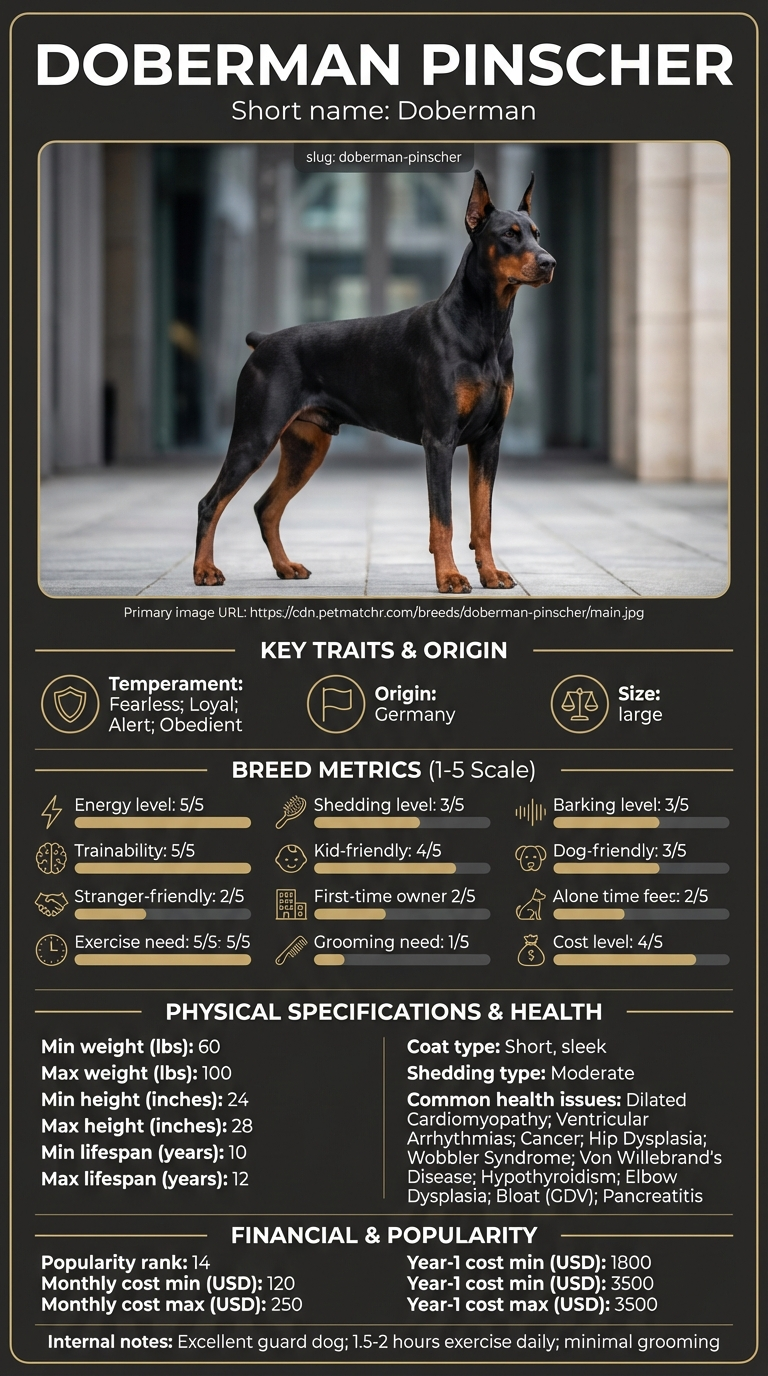
Typically, owners of Doberman Pinschers, especially first-time dog parents, may struggle with this issue. Busy lifestyles, misunderstandings about feeding practices, and lack of awareness can contribute to the risk of GDV.
This guide is not medical advice. If your dog shows pain, sudden behavior change, or worsening symptoms, consult a licensed veterinarian.
Some links may be affiliate links. We may earn a commission at no extra cost to you. We only suggest products we believe are helpful for dog owners.
Doberman Pinscher bloat, or gastric dilatation-volvulus (GDV), is a severe and life-threatening condition. It occurs when the stomach fills with gas and twists, obstructing blood flow and causing extreme pain. Common signs include a distended abdomen, restlessness, and attempts to vomit without success.
Bloat is a serious concern for Doberman Pinschers, particularly in older dogs. While it's not an everyday occurrence, it can happen to any dog, but Dobermans are at higher risk due to their size and shape.
Doberman Pinschers are large dogs with deep chests, which makes them more susceptible to bloat (gastric dilatation-volvulus). This breed can also have a predisposition to anxiety, which may contribute to their risk. Their energetic nature often leads to eating quickly, further increasing the likelihood of bloat.
Stressful environments can trigger bloat in Doberman Pinschers. Factors like sudden changes in routine, loud noises, or aggressive interactions with other pets can create anxiety. Feeding practices, such as providing one large meal a day or allowing vigorous exercise immediately after eating, can also elevate bloat risk.
If your Doberman exhibits anxiety or stress around meal times, consider consulting a trainer. They can provide techniques to help your dog feel more comfortable and relaxed during feeding.
If you notice signs of bloat, such as a distended abdomen, unproductive vomiting, or restlessness, contact your vet immediately. Given that bloat can be life-threatening, prompt action is critical.
It may take several weeks to months to manage and prevent Doberman Pinscher bloat (gastric dilatation-volvulus/GDV) effectively. Consistent monitoring and adjustments will be crucial.
Success will look like a stable and healthy Doberman that doesn't show signs of bloat. You'll also notice improved eating habits and regular vet check-ups.
Avoiding these common mistakes can help you better manage Doberman Pinscher bloat (gastric dilatation-volvulus/GDV) and potentially save your dog's life.
Doberman Pinscher bloat, also known as gastric dilatation-volvulus (GDV), can be a life-threatening condition. Recognizing the signs of an emergency is crucial. If your Doberman shows any of the following symptoms, call your vet immediately: severe abdominal swelling, excessive drooling, restlessness, or attempts to vomit without success. These are red flags that indicate your dog may be in serious trouble.
On the other hand, there are mild cases of bloat that can be monitored. If your Doberman seems slightly uncomfortable, has a little bloating after eating, or shows mild signs of distress, you can create a watch-and-wait plan. Keep an eye on their behavior and appetite. If their condition worsens or persists for more than a few hours, it’s time to seek veterinary help.
In summary, immediate veterinary attention is required for severe symptoms, while mild cases can be monitored closely with a plan. Always err on the side of caution when it comes to your dog's health, especially with conditions like bloat.
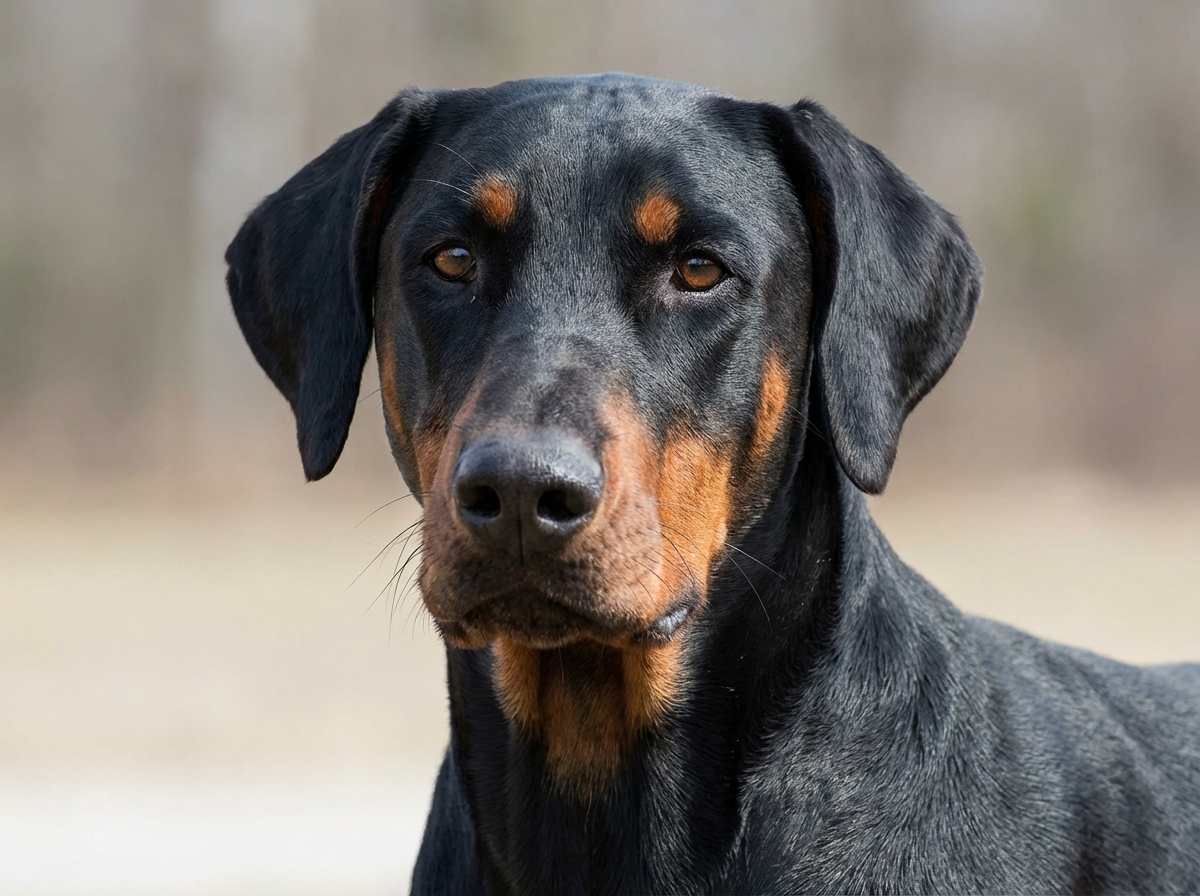
Lindsey, a single mom in Dallas, noticed her Doberman Pinscher, Max, often seemed uncomfortable after meals. After a couple of scary vet visits due to suspected bloat, she learned about the importance of feeding him smaller portions throughout the day and avoiding vigorous exercise right after meals. With patience and adherence to her vet's advice, Max began to thrive. Now, he eats smaller meals more often, and Lindsey feels more at ease knowing she’s taking steps to prevent bloat.
Key takeaway: Managing Doberman Pinscher bloat (gastric dilatation-volvulus/GDV) requires diligence in feeding practices and awareness of your dog's behavior after meals.
Doberman Pinscher bloat can be caused by various factors, including eating too quickly, consuming large meals, or stress. It often occurs in deep-chested breeds like Dobermans, making them more susceptible.
To help prevent bloat in your Doberman, feed smaller meals more frequently and use a slow feeder bowl. Avoid vigorous exercise immediately after eating, and consider elevating the food bowl to reduce air intake.
Signs of bloat include a swollen abdomen, unproductive retching, restlessness, and signs of distress. If you notice these symptoms, seek veterinary help immediately as this condition can be life-threatening.
While training itself won't prevent bloat, establishing a calm feeding routine can help. Teach your Doberman to wait patiently for their meal, which can help reduce excitement and speed during feeding.
If your Doberman shows signs of bloat, take them to a veterinarian immediately. Treatment may involve decompression of the stomach and, in severe cases, surgery may be necessary.
Yes, bloat can have a hereditary component. If your Doberman has a family history of bloat, it's important to be vigilant and proactive in prevention.
Treatment for bloat can range from $1,500 to $7,500, depending on the severity and necessary procedures. It's crucial to have a financial plan for emergency care for your Doberman.
Early signs of Doberman Pinscher bloat can include a distended abdomen, restlessness, drooling, and attempts to vomit without success. If you notice these symptoms, it's crucial to seek veterinary care immediately, as GDV can escalate quickly.
Yes, older Doberman Pinschers are at a higher risk for bloat (gastric dilatation-volvulus/gdv). Their age can contribute to a decrease in gastrointestinal motility, making them more susceptible to this condition.
To help prevent bloat in your Doberman, feed smaller meals throughout the day rather than one large meal. Additionally, avoid vigorous exercise right before and after meals, as this can increase the risk of GDV.
If you suspect your Doberman has bloat, take them to the vet immediately. Time is critical, as untreated GDV can lead to severe complications or even be fatal.
Yes, certain breeds, including the Doberman Pinscher, are more prone to bloat (gastric dilatation-volvulus/gdv). This condition is more common in large, deep-chested breeds due to their anatomy.
Feed smaller, more frequent meals and avoid vigorous exercise right after eating. Use slow feeder bowls to reduce the risk of gulping air.
Look for signs like a swollen belly, restlessness, and unproductive retching. If you see these symptoms, go to the vet right away.
The cost of treatment can range from $1,500 to $7,500, depending on the severity of the condition.