What are quick tips for Dachshund ocular disease?
Regular vet check-ups and a balanced diet can help maintain your Dachshund's eye health. Consider supplements that support vision and always monitor for any changes in their behavior or eyesight.
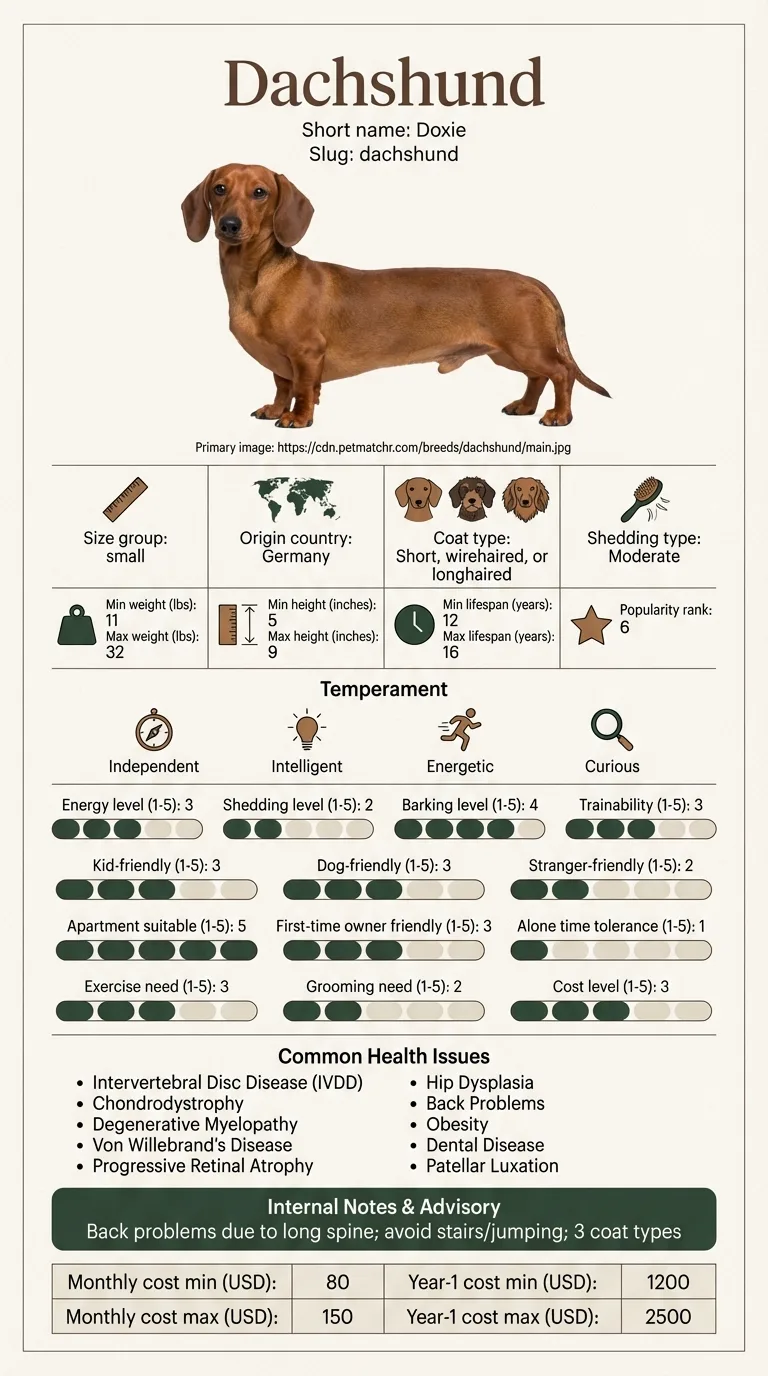
Dachshund ocular disease is a serious concern for many owners. This condition can lead to vision problems and discomfort for your furry friend.

Many Dachshund owners, especially first-time pet parents, may struggle with recognizing the signs of ocular disease. If your Doxie seems to squint or has difficulty seeing, it’s important to act quickly to address these issues.
This guide is not medical advice. If your dog shows pain, sudden behavior change, or worsening symptoms, consult a licensed veterinarian.
Some links may be affiliate links. We may earn a commission at no extra cost to you. We only suggest products we believe are helpful for dog owners.
Dachshund ocular disease can manifest through symptoms like redness, excessive tearing, or squinting. This discomfort may lead to behavioral changes, such as increased irritability or reluctance to engage in play. Owners often notice these signs when their Doxies are exposed to bright light or during stress.
Ocular disease is relatively common in Dachshunds, especially those with a family history of eye issues. Studies show that Doxies are at a significantly higher risk for ocular conditions compared to other breeds. This means regular check-ups are crucial for early detection.
Dachshunds are prone to certain ocular diseases due to their unique genetic makeup. Breeding practices have emphasized their long bodies and short legs, which can lead to structural issues in the eyes. Additionally, conditions like Progressive Retinal Atrophy are more common in this breed, making them susceptible to vision problems.
Environmental factors also play a significant role in ocular diseases. Exposure to harsh elements, such as bright sunlight or allergens, can irritate a Dachshund's eyes. Moreover, lack of regular eye care, such as cleaning and monitoring for signs of issues, can contribute to the development of ocular diseases.
If your Dachshund shows signs of anxiety around eye treatments or handling, a professional trainer can help desensitize them to these experiences. Training can also help if they exhibit problematic behaviors due to vision issues.
If you notice persistent symptoms like excessive tearing, cloudiness, or any behavioral changes that suggest vision loss, consult your vet. Early intervention can be crucial for managing ocular diseases and preventing further complications.
You can expect to see improvements in your Dachshund's ocular health within 2 to 3 months of consistent care and training.
Success means your Dachshund will experience fewer signs of discomfort, improved vision quality, and a more active lifestyle.
When dealing with Dachshund ocular disease, it's important to avoid certain behaviors that can worsen the issue. Here are common mistakes that many owners make, along with safer alternatives.
Dachshund ocular disease can escalate quickly, so knowing when to call your vet is crucial. If your Doxie shows any signs of severe eye pain, such as excessive squinting, pawing at the eye, or sudden behavioral changes, it’s vital to seek immediate veterinary care. Other red flags include sudden vision loss, bleeding from the eye, or signs of swelling around the eye. These symptoms could indicate serious conditions that may worsen without prompt treatment.
In contrast, if your Dachshund has minor symptoms—like mild redness, occasional tearing, or slight squinting—it may be safe to monitor the situation for a short time. Keep an eye on their behavior and seek veterinary advice if symptoms persist for more than a day or worsen. Regular check-ups are also essential, especially since Dachshunds are at higher risk for ocular diseases. Being proactive can help catch issues early and improve your pet's quality of life.

Meet Sarah, a first-time dog owner in Seattle. Her Dachshund, Bella, was diagnosed with ocular disease shortly after she adopted her. Initially, Sarah felt overwhelmed by the vet's advice and the prospect of managing Bella's health. After doing some research, she learned how to adjust Bella's diet and scheduled regular vet check-ups. Sarah also began gentle eye exercises recommended by a dog trainer. Over time, Bella's eye condition improved, and she became more lively and playful.
Key takeaway: With patience and the right resources, you can successfully manage your Dachshund's ocular disease and enhance their quality of life.

Dachshunds are predisposed to ocular diseases due to their unique anatomy and genetics. Conditions like Progressive Retinal Atrophy can be common in this breed. Regular vet check-ups can help catch any issues early.
While some ocular diseases are genetic, you can help minimize risks with a healthy diet and regular veterinary visits. Early detection and treatment can prevent serious issues. Consult your vet for specific strategies tailored to your Doxie.
Signs to watch for include squinting, redness, excessive tearing, or cloudiness in the eyes. If your Dachshund shows any of these symptoms, it’s crucial to see a vet promptly. Early intervention can make a significant difference.
Yes, many ocular diseases in Dachshunds are hereditary. Breeding practices can contribute to the prevalence of these conditions. Always consider health screenings when acquiring a Dachshund from a breeder.
Treatment options vary based on the specific condition. Some may require medication, while others might need surgical interventions. A veterinary ophthalmologist can provide the best course of action.
Training can help Dachshunds adapt to vision changes, but it won't prevent ocular diseases. Focus on creating a safe environment and using consistent commands. This can help your dog navigate better if they experience vision loss.
Signs of ocular disease in Dachshunds include excessive tearing, redness in the eyes, and difficulty seeing. You might also notice your dog squinting or rubbing its eyes. If you see any of these symptoms, it's best to consult your vet.
Yes, older Dachshunds may experience ocular disease with more pronounced symptoms. Their recovery may also take longer due to age-related factors. Regular vet check-ups are crucial for early detection and management.
You can help your Dachshund by keeping their environment clean and reducing exposure to irritants like dust. Ensure they have a balanced diet and maintain a healthy weight, as obesity can worsen health issues. Always follow your vet's recommendations for home care.
Yes, some ocular diseases in Dachshunds are hereditary, particularly Progressive Retinal Atrophy. If your dog has a family history of eye issues, it's essential to monitor them closely and discuss genetic testing with your vet.
If you notice any worsening of your Dachshund's ocular disease, such as increased redness or discharge, contact your vet immediately. Timely intervention can prevent more severe complications and help manage your dog's health effectively.
Regular vet check-ups and a balanced diet can help maintain your Dachshund's eye health. Consider supplements that support vision and always monitor for any changes in their behavior or eyesight.
Costs can vary widely, typically ranging from $100 to $1,500 depending on the condition and treatment required. Always consult with your vet for a more precise estimate.
Yes, use verbal cues and maintain a consistent environment to help your Dachshund adjust. Avoid sudden changes in their surroundings to reduce anxiety.


![Ultimate Guides: "Complete Guide to Choosing a Dog for [X] | Ultimate Guides: Complete Guide to Choosing a Dog for You thumbnail](/images/breeds/golden-retriever/golden%20retriever1.jpg)