Behavior
What are Dachshund allergic reactions quick tips?
Keep your Dachshund's environment clean and free from allergens. Regular baths using hypoallergenic shampoos can also help. Lastly, always check food labels for potential allergens.
Dachshund allergic reactions can be frustrating and concerning for owners.
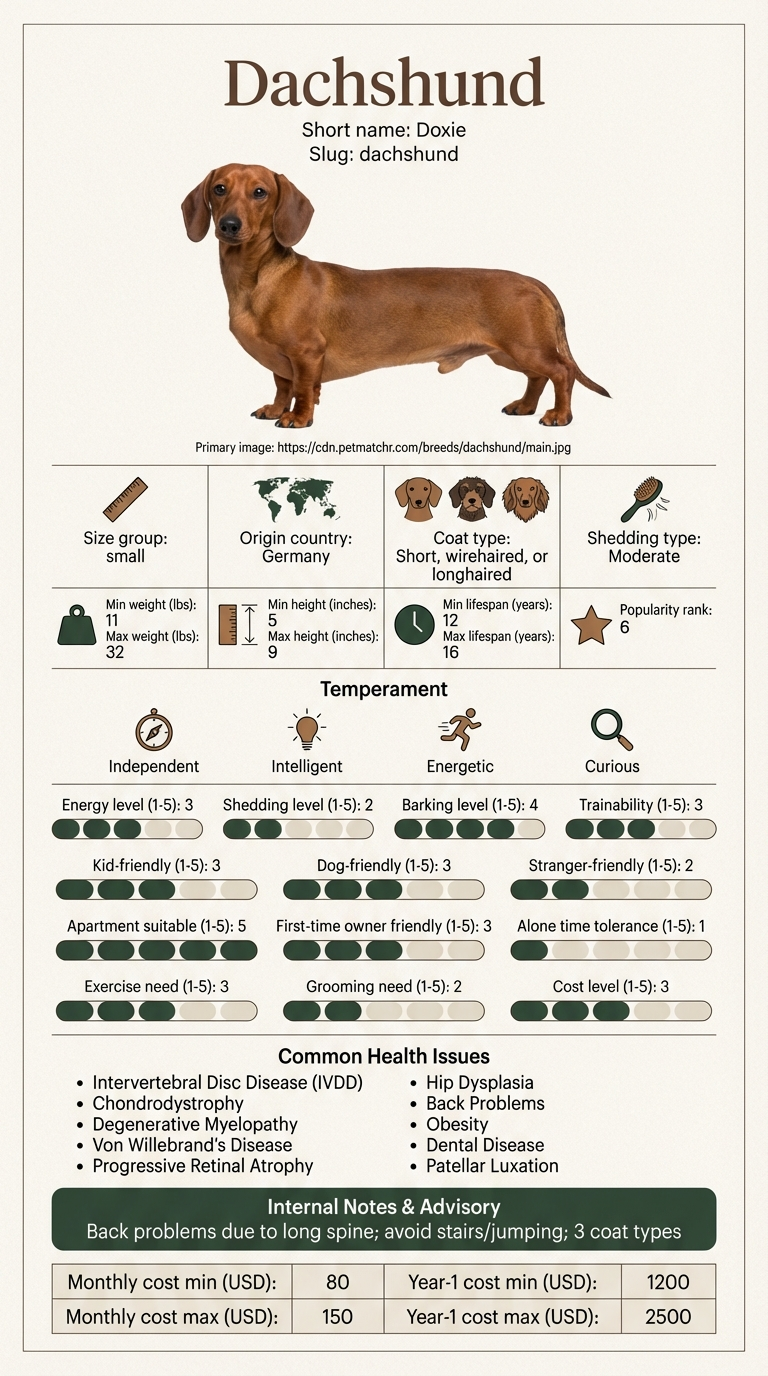
Typically, first-time Doxie owners, families with children, or busy professionals who may not notice subtle changes in their dog's behavior often face this issue.
This guide is not medical advice. If your dog shows pain, sudden behavior change, or worsening symptoms, consult a licensed veterinarian.
Some links may be affiliate links. We may earn a commission at no extra cost to you. We only suggest products we believe are helpful for dog owners.
Dachshund allergic reactions can manifest as skin irritations, itching, or respiratory issues. Daily life may include constant scratching, licking, or sneezing, which can be distressing for both the dog and the owner. Common triggers include certain foods, pollen, dust mites, and flea bites, making it essential to identify and manage these allergens.
Allergic reactions are fairly common in Dachshunds, with many experiencing sensitivities at some point in their lives. In fact, Dachshunds have a 276% higher risk of developing allergies compared to other breeds. This makes it crucial for owners to be vigilant and proactive about their dog's health.
Dachshunds may have allergic reactions due to their genetic predisposition to certain sensitivities. Their unique body structure and coat types can lead to skin allergies or reactions to environmental allergens. Additionally, Dachshunds are known for their curious nature, which may make them more prone to exploring and coming into contact with allergens.
Environmental factors play a significant role in allergic reactions for Dachshunds. Common triggers include pollen, dust mites, mold, and certain food ingredients. Factors like poor air quality, exposure to chemicals, and changes in diet can also exacerbate their allergic reactions.
If your Dachshund's allergic reactions lead to behavioral issues, such as anxiety or excessive scratching, seeking help from a trainer may be beneficial. A trainer can provide strategies to manage your dog's behavior and create a more comfortable environment.
It's essential to consult a veterinarian if your Dachshund shows severe allergic reactions, such as swelling, persistent itching, or respiratory issues. Your vet can diagnose the cause of the allergies and recommend appropriate treatments, including medications or allergy testing.
You can expect to see some improvement within 2 to 4 weeks after implementing changes.
Success means your Dachshund has fewer allergic reactions, showing reduced symptoms like itching and redness, and is more comfortable in their environment.
Here are common mistakes that can worsen your Dachshund's allergic reactions and what you can do instead.
Dachshund allergic reactions can vary from mild to severe. It's crucial to know when to call your vet and when you can monitor the situation at home. If you notice any of the following red-flag signs, do not hesitate—call your vet immediately.
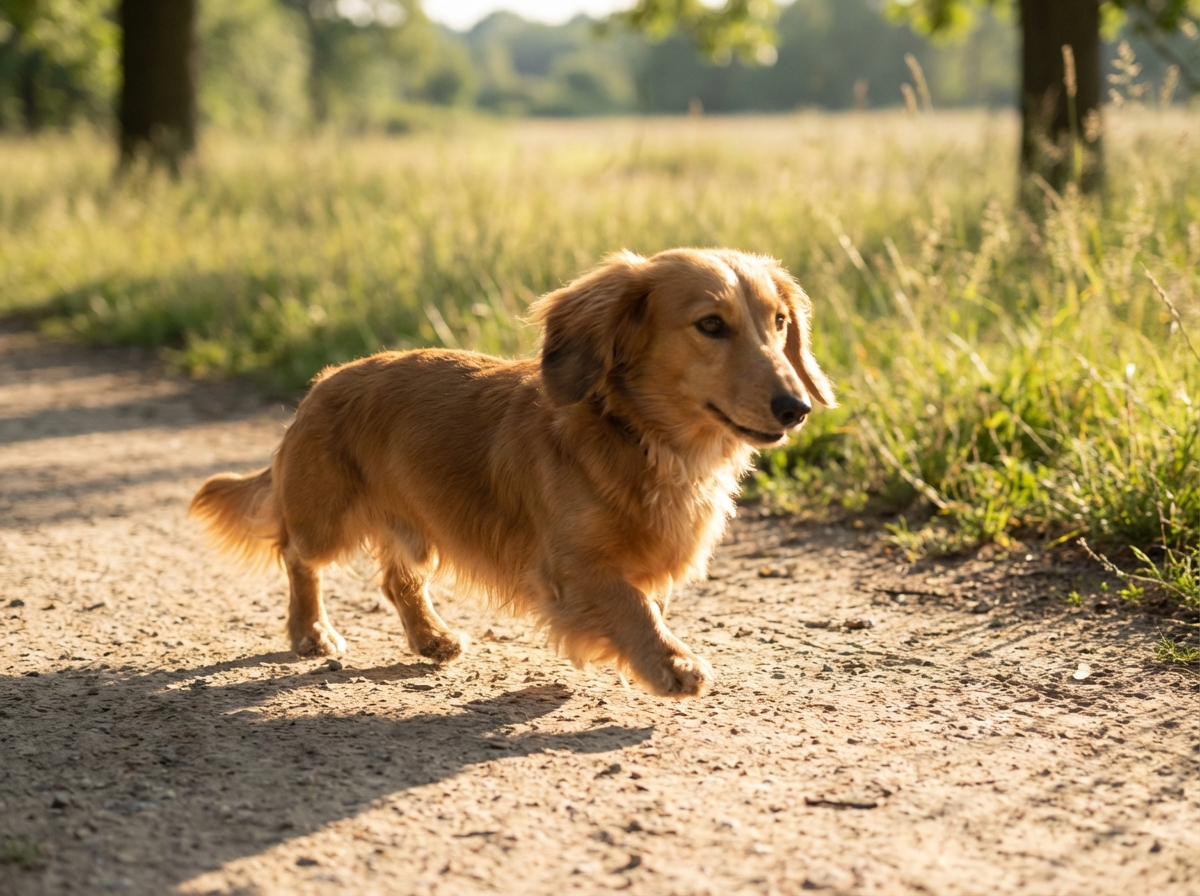
In less severe cases, you can keep an eye on your Dachshund and follow a plan. If your dog has mild symptoms like minor itching or sneezing, observe their behavior for a short time. Ensure they are eating, drinking, and playing normally before considering a vet visit.
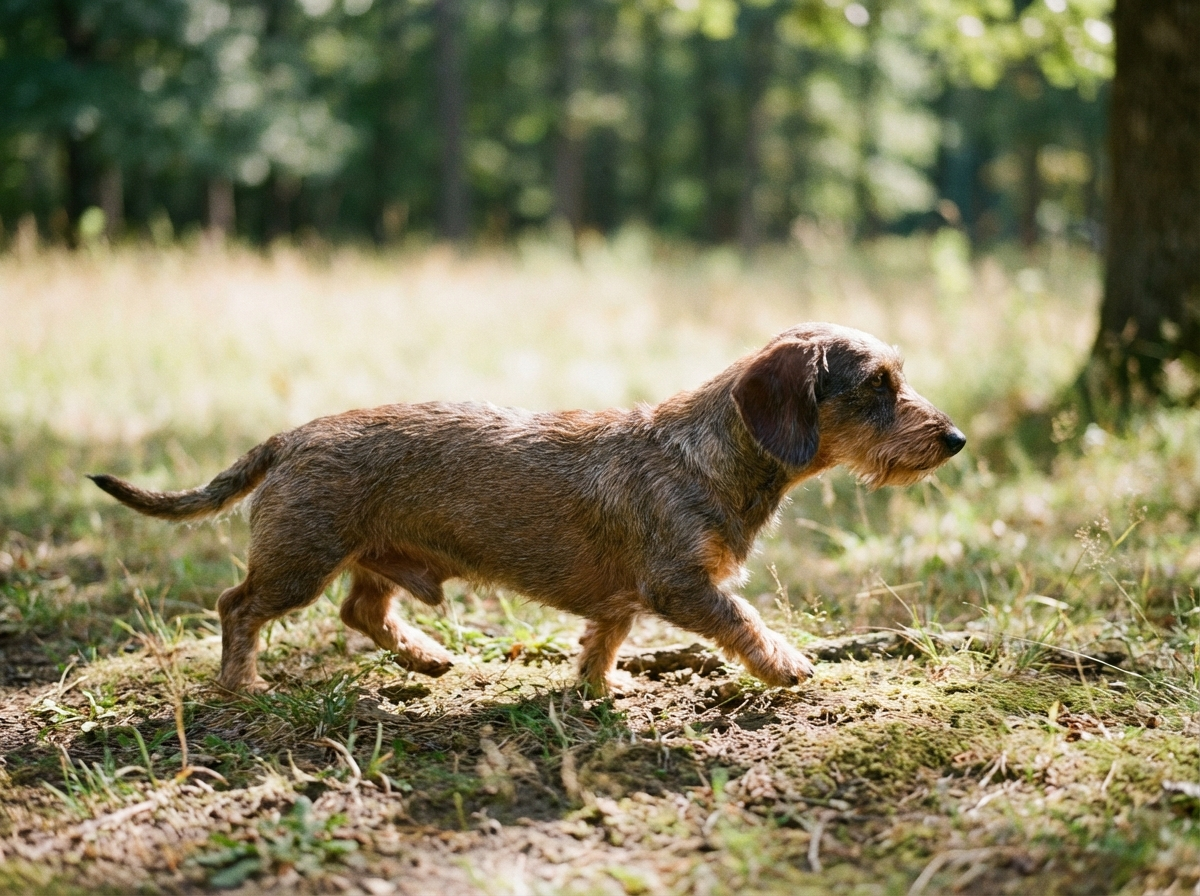
Samantha, a busy nurse in Boston, noticed her Dachshund, Charlie, scratching excessively and developing red patches on his skin. After visiting the vet, she learned that Charlie had allergies likely triggered by environmental factors. Samantha implemented changes, including a hypoallergenic diet and regular cleaning to reduce dust and pollen. Within a month, Charlie's symptoms started to improve, and he was much happier and more active.
Key takeaway: With patience and a proactive approach, managing Dachshund allergic reactions is possible, leading to a healthier and happier pet.
Dachshunds can have allergic reactions due to various factors like food, pollen, or chemicals in their environment. Their sensitive skin and immune systems make them prone to allergies. Identifying the specific allergen is key to managing these reactions.
To stop Dachshund allergic reactions, start by consulting your vet for allergy testing. Avoid known allergens in their diet and environment. Regular grooming can also help reduce allergens that cling to their fur.
Common signs include itching, redness, swelling, and gastrointestinal upset. You may also notice excessive licking or biting at their skin. If symptoms persist, consult your veterinarian for appropriate treatment.
Yes, common food allergens for Dachshunds include beef, chicken, dairy, and wheat. A hypoallergenic diet may be recommended if food allergies are suspected. Always transition to new foods gradually to avoid digestive upset.
While training can help with behavior related to allergies, addressing the medical cause is crucial first. A vet can guide you on treatment options, while training can reinforce good behavior during allergy flare-ups.
Common signs of Dachshund allergic reactions include itching, redness, and swelling of the skin. You might also notice sneezing, watery eyes, and gastrointestinal issues like vomiting or diarrhea. If your Doxie shows these symptoms, it's best to consult your vet.
Yes, Dachshunds can develop allergic reactions later in life, even if they haven't had issues before. Environmental changes or new exposures to allergens can trigger these reactions. Staying alert to any new symptoms is essential as your dog ages.
If you suspect a severe allergic reaction, such as difficulty breathing or swelling of the face, seek emergency veterinary care immediately. Quick action can be critical in these situations. Always keep your vet's contact information handy for such emergencies.
While all Dachshunds can experience allergies, those with longer coats may trap more allergens like pollen and dust. Regular grooming can help reduce the chances of allergic reactions by keeping their coat clean and free from irritants.
Managing your Dachshund's allergic reactions at home can involve several steps. Regular cleaning to reduce allergens, using hypoallergenic dog food, and bathing your Doxie with special shampoos can help. Always consult your vet for tailored advice and treatment options.
Keep your Dachshund's environment clean and free from allergens. Regular baths using hypoallergenic shampoos can also help. Lastly, always check food labels for potential allergens.
Use air purifiers to reduce airborne allergens and vacuum regularly with a pet-friendly vacuum. Washing their bedding frequently can also help keep allergens at bay.
If your Dachshund experiences severe reactions like swelling or difficulty breathing, seek emergency veterinary care immediately. Quick action can be lifesaving.
Yes, treatments may include antihistamines, corticosteroids, or allergy shots, depending on the severity. Always consult your vet for the best course of action.