Health
What are quick tips for Dachshund cardiomyopathy?
Ensure regular vet visits and monitor your dog for any changes in behavior. Maintain a heart-healthy diet and provide moderate exercise as advised by your vet.

Quick answer
What are quick tips for Dachshund cardiomyopathy?
Ensure regular vet visits and monitor your dog for any changes in behavior. Maintain a heart-healthy diet and provide moderate exercise as advised by your vet.
Dachshund cardiomyopathy is a serious heart condition that affects many Doxies. Understanding it is crucial for your dog's health.
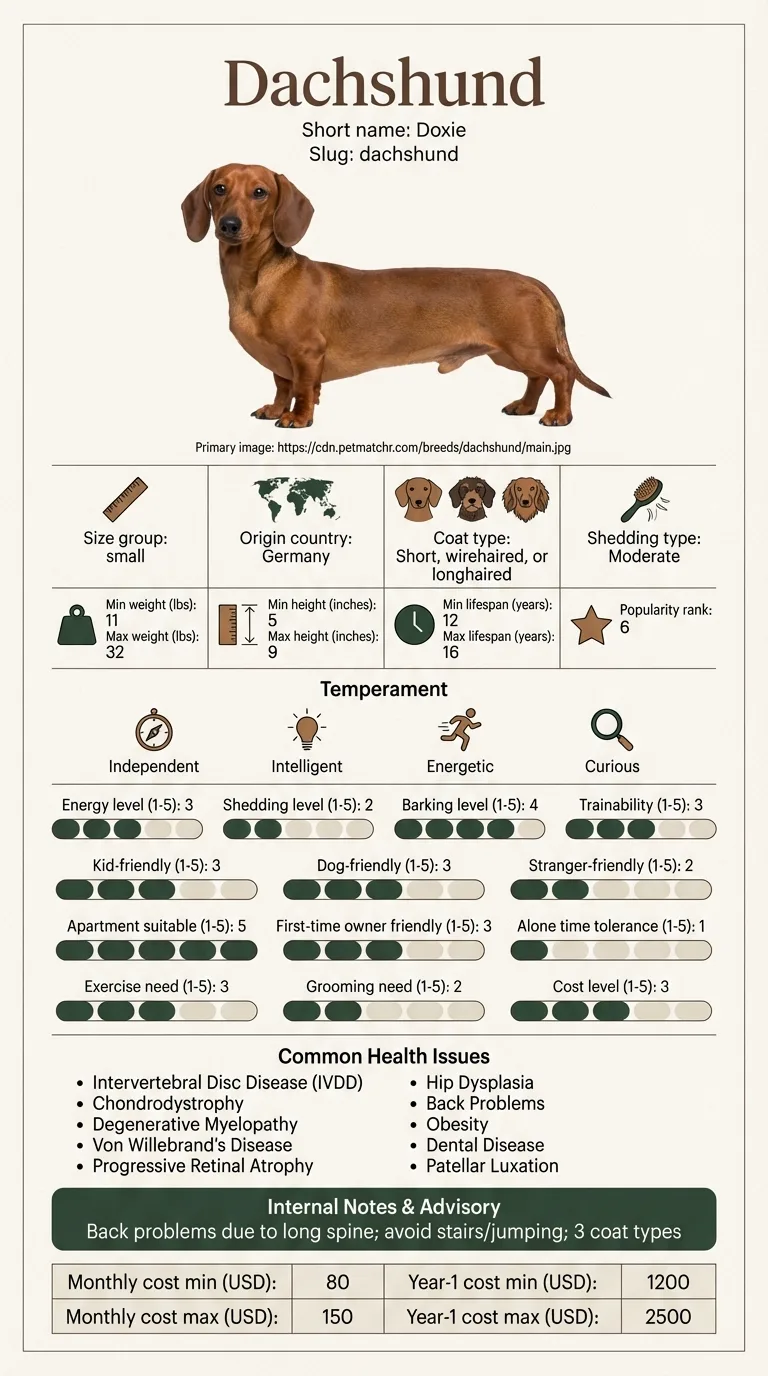
Typically, owners of Dachshunds who notice symptoms like lethargy, coughing, or difficulty breathing are the ones facing this issue. First-time pet owners may feel overwhelmed as they try to interpret signs of distress in their beloved pets.
This guide is not medical advice. If your dog shows pain, sudden behavior change, or worsening symptoms, consult a licensed veterinarian.
Some links may be affiliate links. We may earn a commission at no extra cost to you. We only suggest products we believe are helpful for dog owners.
We research and check what we publish, but we do not warrant that any figure, date, price, or statement is accurate, complete, or current, and we accept no liability for any loss, cost, injury, or other harm arising from the use of this site. Use it as one reference among several. You remain responsible for your own decisions and for your dog's care - confirm anything that matters with a licensed veterinarian or another qualified professional before you act on it. Full disclaimer.
Check this first
Recognizing when Dachshund cardiomyopathy becomes an emergency can save your pet's life. If your Doxie shows severe symptoms, it's crucial to call your vet immediately. Red flags include sudden lethargy, difficulty breathing, persistent coughing, or collapse. These signs often indicate that the heart isn't functioning properly, and immediate veterinary intervention is needed.
On the other hand, if your Dachshund has mild symptoms like occasional coughing or slight fatigue, you may choose to monitor them closely. Keep a record of any changes in behavior or activity levels. If these symptoms persist or worsen over a few days, consult your vet for a check-up. It's essential to establish a plan for monitoring their condition, so you know when to escalate care.
Always trust your instincts: if you're unsure whether it's an emergency, it's better to err on the side of caution and reach out to your vet. They can help guide you through the decision-making process and provide the best care for your furry friend.
If any of these apply, call your vet or an emergency clinic now. The rest of this page is for the cases that are not an emergency.
Dachshund cardiomyopathy is a serious heart condition that affects the heart muscle of these small dogs. It can lead to decreased heart function and can be life-threatening if not addressed. Owners may notice symptoms like lethargy, coughing, and difficulty breathing in their pets, which can be alarming.
Cardiomyopathy is relatively common in Dachshunds, especially as they age. While not every Dachshund will develop heart issues, awareness and regular veterinary check-ups are essential for early detection.
Dachshunds are prone to certain genetic conditions, including cardiomyopathy. Their unique body structure can also contribute to heart issues, as their long spine may affect overall health. Additionally, their energetic nature can sometimes mask underlying heart problems.
Environmental factors such as poor diet, lack of exercise, or high-stress situations can exacerbate heart issues in Dachshunds. Aging can also play a role, making them more susceptible to cardiomyopathy. If your Doxie experiences anxiety or stress, it may impact their heart health.
Consult your vet if you notice symptoms like coughing, difficulty breathing, or a change in appetite. Frequent check-ups are crucial for managing potential heart issues and adjusting care as needed.
Avoiding certain behaviors can help manage Dachshund cardiomyopathy effectively. Here are common mistakes to watch out for, along with safer alternatives.
Start here: Dachshund Most Common Genetic Disorders: What to Screen For
See all Dachshund health problems, which breeds are prone to cardiomyopathy, or the full Dachshund breed guide for temperament, exercise needs and ownership costs.
Managing Dachshund cardiomyopathy can take a few months to effectively monitor and adjust treatments. Regular vet check-ups will help track progress.
Success means stabilizing your Dachshund's condition, which includes maintaining a healthy weight, managing symptoms, and ensuring they remain active without excessive fatigue.
Emily, a busy nurse in Seattle, noticed her Dachshund, Max, was panting more than usual and becoming less playful. After a vet visit, she learned that Max had been diagnosed with cardiomyopathy. Initially overwhelmed, Emily focused on creating a structured routine for Max, which included a balanced diet, regular vet visits, and gentle exercise. Over time, she saw Max regain some of his energy and playfulness, adapting their walks to ensure he wasn't overexerted. Emily learned to monitor Max closely and adjust activities based on his daily energy levels.
Key takeaway: With patience and a tailored approach, managing Dachshund cardiomyopathy can lead to a better quality of life for your pet.
Dachshund cardiomyopathy can occur due to genetics or other health issues. It's essential to monitor your Doxie's health and consult a vet for regular check-ups, especially if they show signs of lethargy or difficulty breathing.
Managing Dachshund cardiomyopathy often involves medication prescribed by your vet. Regular exercise and a balanced diet are also crucial in maintaining your dog's overall heart health.
Signs of Dachshund cardiomyopathy include coughing, difficulty breathing, and fatigue. If you notice these symptoms, it’s important to seek veterinary care promptly.
While you can't train away cardiomyopathy, positive reinforcement training can help keep your Dachshund mentally stimulated. It can also make vet visits less stressful for them.
Currently, there is no cure for Dachshund cardiomyopathy, but treatment can manage symptoms. Your vet can discuss medications and lifestyle changes that can help improve your dog's quality of life.
Diet plays a vital role in managing cardiomyopathy in Dachshunds. A heart-healthy diet with low sodium and appropriate nutrients can support overall heart function.
If your Dachshund has a heart condition like cardiomyopathy, keep regular vet appointments and follow any recommended treatment plans. Monitoring their energy levels and behavior can also provide important insights into their health.
Early signs of Dachshund cardiomyopathy can include lethargy, coughing, and difficulty breathing. If you notice any of these symptoms, it's important to consult your vet for a thorough examination.
Yes, Dachshund cardiomyopathy can affect older dogs more commonly. As dogs age, their heart health can decline, making regular vet check-ups crucial for early detection and management.
Managing Dachshund cardiomyopathy at home includes providing a balanced diet, monitoring their weight, and ensuring they get appropriate exercise. Always follow your vet's advice regarding medications and lifestyle adjustments.
Yes, genetic factors can play a role in the development of Dachshund cardiomyopathy. If you have concerns about your dog's lineage or health, discussing this with your vet can provide clarity and guidance.
Ensure regular vet visits and monitor your dog for any changes in behavior. Maintain a heart-healthy diet and provide moderate exercise as advised by your vet.
Create a calm environment with a cozy resting area. Limit strenuous activities and provide comforting interactions to ease anxiety.
Opt for low-sodium dog food that supports heart health. Always consult your vet before making major dietary changes.
Aim for short, regular walks instead of long, strenuous sessions. Tailor the activity level to your Dachshund's condition and energy.
A one-page prep sheet for this condition: the signs, the questions to ask, what to get priced. Unlocks here.
You get: Vet visit prep sheet
No spam. One-click unsubscribe. See our privacy policy.
Preview page 1 before you decide.