Behavior
What are quick tips for managing Collie (Rough Collie) von Willebrand's disease (vWD1)?
Keep your Collie calm, avoid rough play, and schedule regular vet check-ups to monitor their health.
Collie (Rough Collie) von Willebrand's disease (vWD1) is a genetic bleeding disorder that can significantly affect your dog's health.
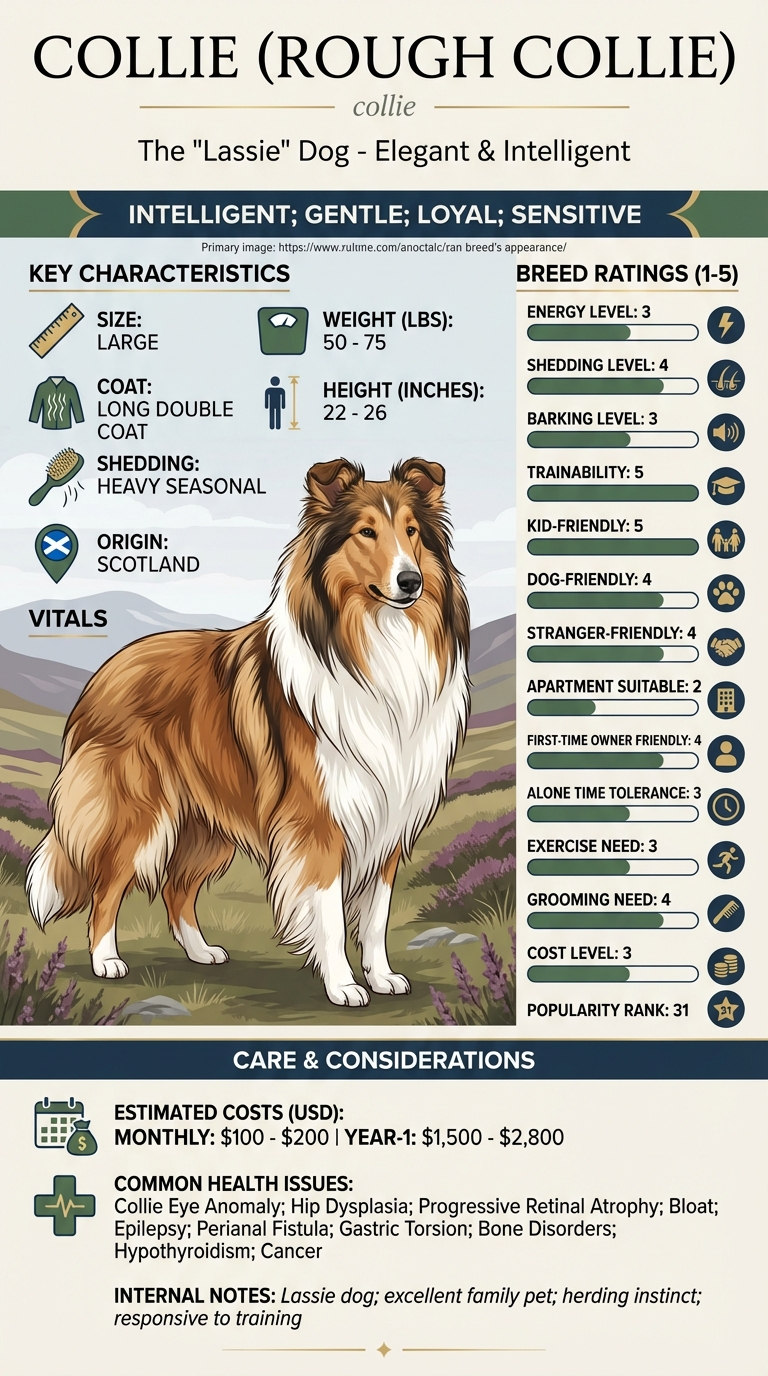
Typically, owners of Collies may face this issue, especially if they have a family history of the disease. It can be especially concerning for first-time dog owners or those unfamiliar with genetic conditions.
This guide is not medical advice. If your dog shows pain, sudden behavior change, or worsening symptoms, consult a licensed veterinarian.
Some links may be affiliate links. We may earn a commission at no extra cost to you. We only suggest products we believe are helpful for dog owners.
Collie (Rough Collie) von Willebrand's disease (vWD1) is a genetic bleeding disorder that can affect your dog's daily life. This condition makes it difficult for blood to clot properly, leading to excessive bleeding from minor cuts or injuries. You might notice your Collie bruising easily or bleeding longer than usual after grooming or playtime.
Von Willebrand's disease is relatively common in Collies, with estimates suggesting that around 30% of Rough Collies may carry the gene for this disorder. Early detection and management can help reduce risks associated with this disease.
Collie (Rough Collie) von Willebrand's disease (vWD1) is a genetic bleeding disorder. It's inherited and affects the blood's ability to clot properly. This condition is more common in certain breeds, including the Collie.
Environmental factors typically don’t cause vWD1, but stress and trauma can exacerbate bleeding episodes. High-energy activities or rough play can lead to injuries that might trigger bleeding. Keeping your dog calm can help manage their symptoms.
If your Collie shows signs of anxiety or has difficulty managing energy levels, consider consulting a professional trainer. A trainer can provide targeted strategies to help your dog feel more at ease in various situations.
If your Collie experiences unusual bleeding, frequent bruising, or any signs of pain, contact your vet immediately. Regular check-ups are essential for managing vWD1 and ensuring that your dog remains healthy.
Managing Collie (Rough Collie) von Willebrand's disease (vWD1) is an ongoing process. Expect to see some improvement within a few months of consistent care, but full adaptation may take up to a year.
Success means your Collie is active and happy, with controlled bleeding episodes and a good quality of life. You'll notice fewer incidents and improved management of their condition.
Avoiding these common mistakes can help manage your Collie’s von Willebrand's disease (vWD1) more effectively. Recognizing what not to do is just as important as knowing how to help your dog.
Recognizing when your Collie (Rough Collie) is facing a serious health issue is crucial. Von Willebrand's Disease (vWD1) can present with several symptoms, some of which require immediate veterinary attention. If your dog shows any signs of excessive bleeding, such as from the nose, gums, or any cuts that won’t stop bleeding, you should call your vet right away. Other red flags include blood in the urine or stool, unusual lethargy, or difficulty breathing. These symptoms can indicate severe complications that need fast intervention.
On the flip side, there are milder symptoms of vWD1 that you can monitor at home. If your Collie experiences minor bleeding or bruising but is otherwise active and healthy, you may choose to observe them closely for changes. Keeping a log of any bleeding episodes, their duration, and your dog's behavior can be helpful for your vet's assessment later. Regular check-ups are also key for managing this condition effectively. Make sure to follow your vet’s advice for monitoring and any home care instructions.
Understanding these differences can help you respond appropriately and ensure your Collie receives the right care at the right time. Always err on the side of caution; if you’re unsure, it’s better to consult your veterinarian.
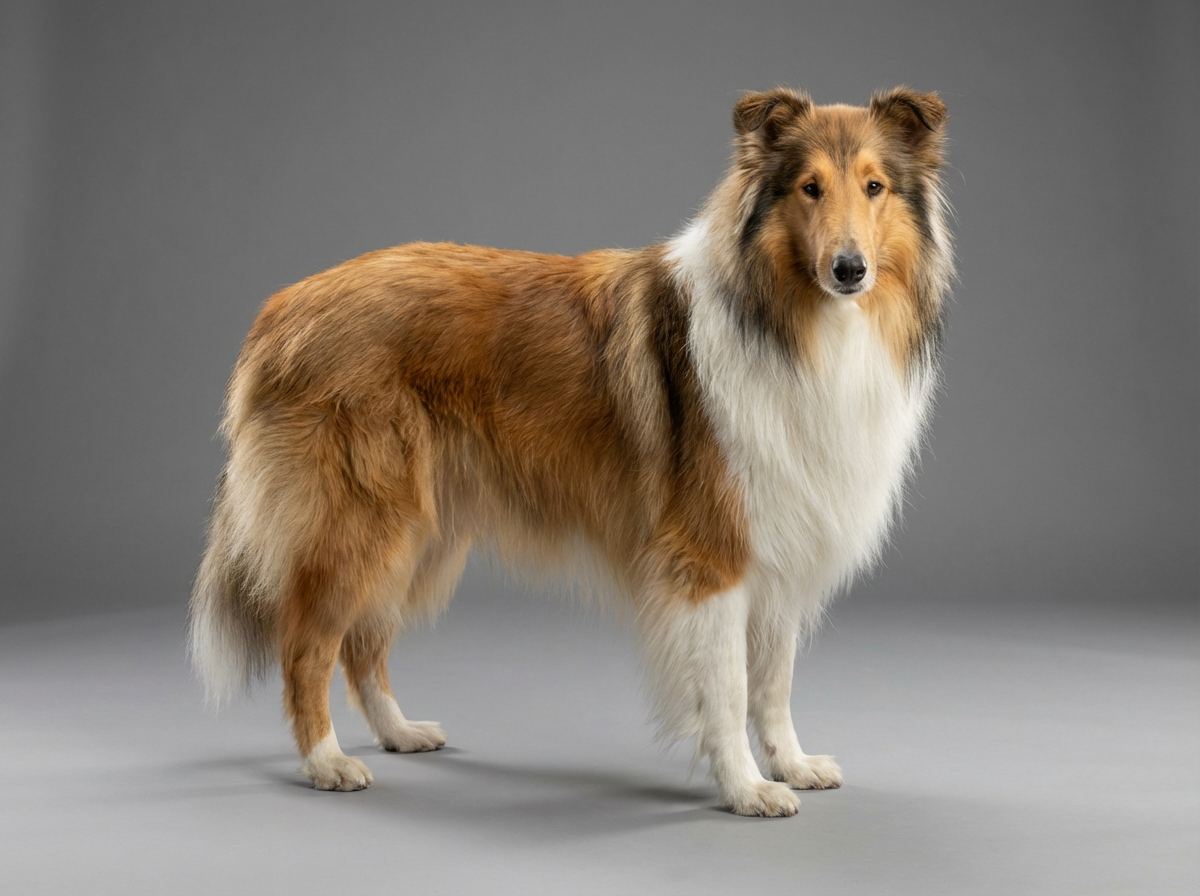
When Sarah, a dedicated dog owner, brought home her Rough Collie, Maggie, she was excited for their new life together. However, after a few weeks, Maggie had a bleeding episode that led them to the vet, where she was diagnosed with von Willebrand's disease (vWD1). At first, Sarah felt overwhelmed, but she quickly learned about the condition. With a tailored care routine, including regular vet check-ups and careful activity management, Sarah noticed that Maggie thrived. Now, they enjoy their walks and playtime while keeping an eye on her health.
Key takeaway: Understanding your dog's health condition and adjusting care can make a big difference. With the right support, your Collie can still lead a fulfilling life.
Collie (Rough Collie) von Willebrand's disease (vWD1) is a genetic bleeding disorder that affects the blood's ability to clot. It's inherited from parents who carry the gene for the disease. Regular vet check-ups can help identify if your dog is affected.
Managing your Collie's vWD1 involves regular veterinary care to monitor their health. Keeping your dog calm and avoiding situations that could lead to injury is crucial. In some cases, your vet may recommend specific treatments or lifestyle adjustments.
Common symptoms of von Willebrand's disease include excessive bleeding from cuts or nosebleeds, and prolonged bleeding after surgery. If your Collie shows any unusual bleeding, contact your veterinarian immediately. Early detection can make a big difference.
Yes, training can help prevent injuries in your Collie (Rough Collie) with vWD1. Focus on gentle, positive reinforcement methods. Avoid high-impact activities that could lead to injuries, and always supervise playtime.
Currently, there is no cure for von Willebrand's disease. However, with proper management and care, many dogs lead happy lives. Regular vet visits and tailored care plans can help manage the condition effectively.
Common signs include excessive bleeding from minor injuries, nosebleeds, and prolonged bleeding after surgery. If you notice these symptoms, it’s important to consult your vet for a proper diagnosis.
Yes, many Collies with vWD1 can live healthy lives with proper management. Regular vet check-ups and avoiding risky activities can help keep your dog safe.
Yes, von Willebrand's disease is a genetic disorder. If you're considering breeding your Collie, it’s crucial to get them tested to avoid passing the condition to puppies.
Treatment options include medications to help manage bleeding and, in some cases, blood transfusions. Your vet will guide you on the best plan tailored for your dog's needs.
Focus on positive reinforcement and low-impact activities to keep your Collie engaged without risking injury. Training should be gentle and supportive, ensuring your dog feels safe and secure.
Keep your Collie calm, avoid rough play, and schedule regular vet check-ups to monitor their health.
Plan for at least biannual vet visits to monitor your Collie's health and manage vWD1 effectively.
While diet alone won't cure vWD1, a balanced diet can support overall health. Consult your vet for specific recommendations.
Gentle walks and low-impact play are ideal for Collies with vWD1. Avoid activities that could lead to injury.