Health
What are quick tips for managing Collie (Rough Collie) ventricular arrhythmias?
Keep your Collie's environment calm, monitor their activity, and ensure they have regular vet visits for heart health checks.

Quick answer
What are quick tips for managing Collie (Rough Collie) ventricular arrhythmias?
Keep your Collie's environment calm, monitor their activity, and ensure they have regular vet visits for heart health checks.
Ventricular arrhythmias in Collies lead to irregular heartbeats, which can be serious for their health. (Collie (Rough Collie) ventricular arrhythmias)
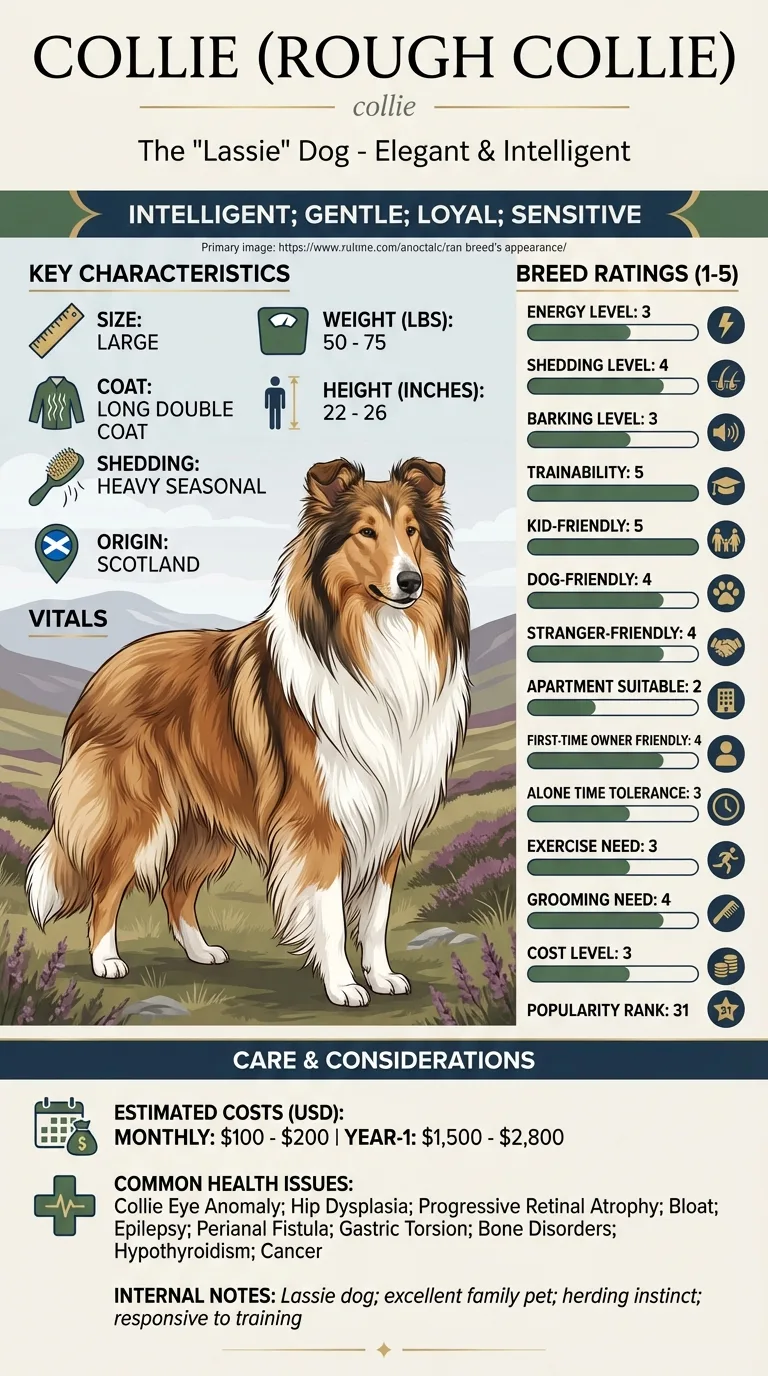
Owners of Collies may face challenges if their dog shows signs of heart issues. First-time dog owners or those unfamiliar with health problems in this breed might feel overwhelmed.
This guide is not medical advice. If your dog shows pain, sudden behavior change, or worsening symptoms, consult a licensed veterinarian.
Some links may be affiliate links. We may earn a commission at no extra cost to you. We only suggest products we believe are helpful for dog owners.
We research and check what we publish, but we do not warrant that any figure, date, price, or statement is accurate, complete, or current, and we accept no liability for any loss, cost, injury, or other harm arising from the use of this site. Use it as one reference among several. You remain responsible for your own decisions and for your dog's care - confirm anything that matters with a licensed veterinarian or another qualified professional before you act on it. Full disclaimer.
Check this first
Identifying when Collie (Rough Collie) ventricular arrhythmias become an emergency is crucial for ensuring your dog's health. If your dog shows signs of extreme lethargy, fainting, or collapse, you should call your vet immediately. Other red flags include a persistent rapid heartbeat, difficulty breathing, or signs of distress such as whining or pacing.
On the other hand, if your Collie has occasional irregular heartbeats without any major symptoms, it may be safe to monitor the situation. Keep track of how often these irregularities occur and whether they seem to be linked to specific activities or stressors. Regular vet check-ups can help assess the seriousness of the condition without causing panic.
When in doubt, it’s always better to err on the side of caution. If you notice any concerning changes in your dog's behavior or health, don't hesitate to seek professional advice. Your Collie's well-being is paramount, and early intervention can make a significant difference.
If any of these apply, call your vet or an emergency clinic now. The rest of this page is for the cases that are not an emergency.
Collie (Rough Collie) ventricular arrhythmias can lead to irregular heartbeats, which may not be noticeable at first. Owners might notice their dog showing signs of weakness, lethargy, or fainting. These symptoms can be alarming and often lead to visits to the vet for proper diagnosis and treatment.
Ventricular arrhythmias are relatively common in Collies, particularly in older dogs. While not every Collie will experience this issue, it is important for owners to be vigilant and aware of the signs. Regular vet check-ups can help catch this problem early.
Collies, especially Rough Collies, may be predisposed to ventricular arrhythmias due to their genetic background. Some heart conditions are more common in certain breeds, and Collies can inherit these issues. Their size and specific breed traits can also influence their cardiac health.
Environmental factors, such as high stress levels, poor diet, and lack of exercise, can contribute to the development of heart problems in Collies. Stressful situations, like loud noises or changes in routine, can trigger irregular heartbeats. Additionally, a sedentary lifestyle can weaken their heart over time.
If you notice any unusual symptoms, such as coughing, lethargy, or difficulty breathing, contact your vet immediately. Regular check-ups are essential for monitoring your Collie's heart health, especially if they have a family history of heart issues.
Avoiding common mistakes can help manage your Collie (Rough Collie) ventricular arrhythmias more effectively. Here are several pitfalls to watch out for.
Start here: Collie Most Common Genetic Disorders: What to Screen For
See all Collie health problems, which breeds are prone to ventricular arrhythmias, or the full Collie breed guide for temperament, exercise needs and ownership costs.
You can expect to see improvements in your Collie's ventricular arrhythmias within 4 to 8 weeks of consistent care and veterinary guidance.
Success means your Collie experiences fewer irregular heartbeats, improved energy levels, and a better overall quality of life.
Emily, a first-time dog owner, noticed her Rough Collie, Max, had episodes of irregular heartbeats. Concerned, she took Max to the vet, who diagnosed him with ventricular arrhythmias. With the vet's help, Emily created a structured training plan that included regular exercise and calming techniques to reduce stress. She also learned to recognize triggers that could exacerbate Max's condition. Over the next few months, Emily noticed a significant drop in Max's episodes, and he began to enjoy daily walks again, becoming more playful and lively.
Key takeaway: With proper veterinary guidance and a committed training plan, you can effectively manage your Collie's ventricular arrhythmias and help them lead a happier, healthier life.
Ventricular arrhythmias in Collies can occur due to various factors, including genetics, heart disease, or stress. Regular vet check-ups can help identify underlying issues early on. If you notice symptoms like fainting or lethargy, seek veterinary advice immediately.
Managing ventricular arrhythmias often involves medication prescribed by your vet. Additionally, reducing stress through a calm environment and regular exercise can help. Monitoring your dog's heart health regularly is also crucial.
Common symptoms include irregular heartbeats, fainting, and excessive panting. You might also notice a decrease in energy levels or reluctance to participate in activities. If you see these signs, consult your veterinarian.
Yes, a balanced diet can play a role in your dog's heart health. Providing high-quality dog food with appropriate nutrients can support overall well-being. Always consult with your vet for dietary recommendations that suit your Collie's needs.
Training should focus on positive reinforcement and avoiding stressful situations. Gradual desensitization to stressors can help your Collie feel more secure. Make sure to keep training sessions short and enjoyable.
It's recommended to have your Collie’s heart evaluated at least once a year, or more frequently if they have a history of heart issues. Regular check-ups can catch problems early and help manage health effectively.
If your Collie experiences frequent irregular heartbeats, it's important to consult your veterinarian. They may recommend diagnostic tests to determine the underlying cause and suggest appropriate treatment options.
Yes, some heart conditions, including ventricular arrhythmias, can have a genetic component. If you have concerns about your Collie's heart health, consider discussing their family history with your vet.
Watch for symptoms like lethargy, weakness, or fainting episodes. If your Collie shows any of these signs, it's crucial to seek veterinary care immediately.
Managing your Collie's condition at home involves minimizing stress and ensuring a calm environment. Regular vet check-ups and following prescribed treatments are also essential for your dog's health.
While there isn't a one-size-fits-all diet, a balanced diet with appropriate nutrients can support heart health. Always consult your vet before making any dietary changes.
Keep your Collie's environment calm, monitor their activity, and ensure they have regular vet visits for heart health checks.
Treatments can range from $100 to $500 monthly, depending on medication and veterinary visits. Always plan for additional costs related to diagnostics and follow-ups.
Yes, with proper management and care, Collies can be great family pets. Just ensure you monitor their health closely and provide a stress-free environment.
A one-page prep sheet for this condition: the signs, the questions to ask, what to get priced. Unlocks here.
You get: Vet visit prep sheet
No spam. One-click unsubscribe. See our privacy policy.
See a sample page before you decide.
Early access list
The free prep sheet covers the same-day warning signs, a symptom log and the questions to ask. We are considering a fuller kit that adds a cost worksheet for the usual tests and treatments (US price ranges with their sources) and a plain-English guide to ways of covering the bill. It is not built yet; this list tells us whether it is worth building.
One email, no spam, unsubscribe anytime. Information only, not veterinary advice.