Behavior
What are quick tips for managing my Collie (Rough Collie) with progressive retinal atrophy (pra-rcd3)?
Maintain a clutter-free environment and use consistent verbal cues. Regular vet check-ups are essential for monitoring their condition.
Collie (Rough Collie) progressive retinal atrophy (PRA-RCD3) is a serious vision loss condition that affects these beloved dogs.
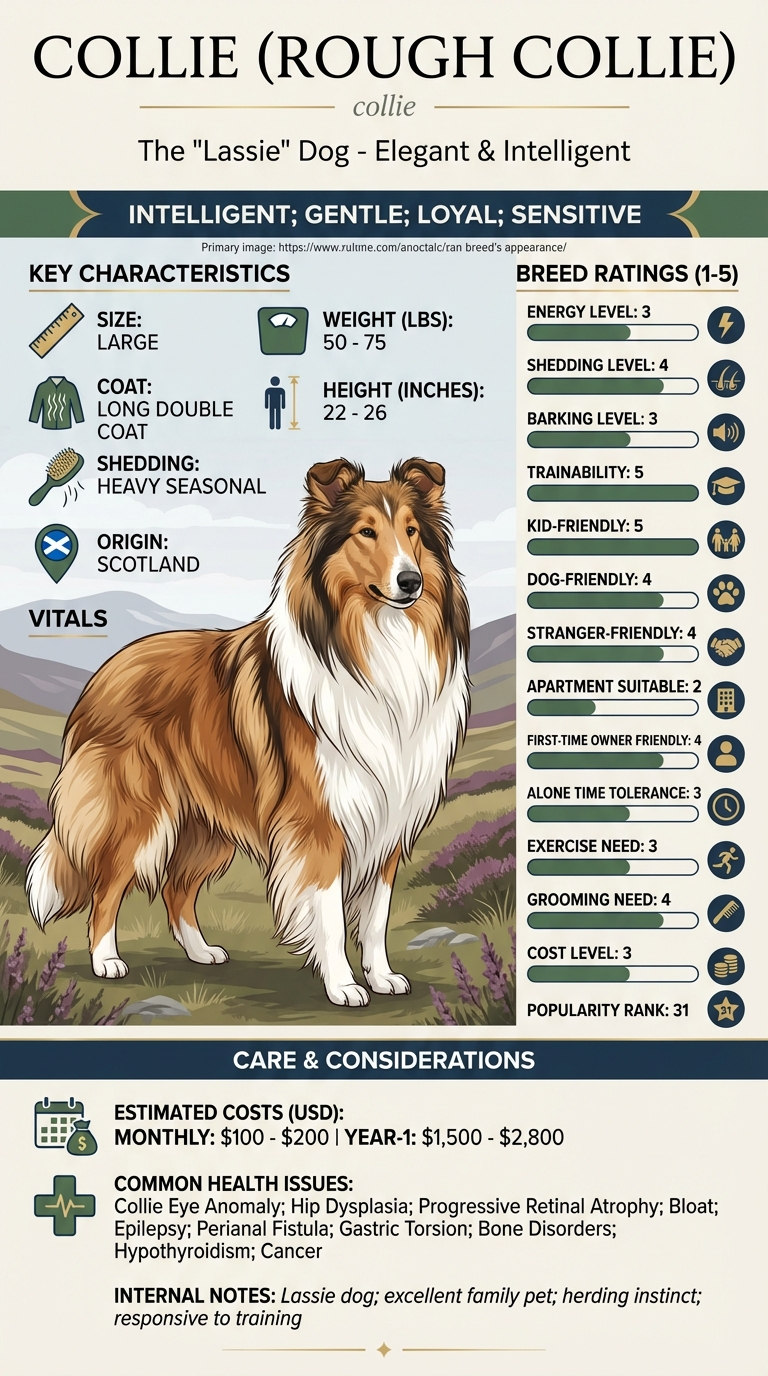
Typically, owners of Collies who notice signs of vision loss, such as bumping into objects or hesitating in unfamiliar places, face this challenge. It's especially tough for first-time dog owners who may not know how to address these changes.
This guide is not medical advice. If your dog shows pain, sudden behavior change, or worsening symptoms, consult a licensed veterinarian.
Some links may be affiliate links. We may earn a commission at no extra cost to you. We only suggest products we believe are helpful for dog owners.
Collie (Rough Collie) progressive retinal atrophy (pra-rcd3) is a genetic eye condition that leads to gradual vision loss. Day-to-day, this may manifest as your Collie struggling to navigate familiar surroundings, bumping into furniture, or hesitating before jumping off a couch. Their sensitive and loyal nature means they might become anxious as they lose their sight, which can affect their overall behavior and happiness.
Progressive retinal atrophy (pra-rcd3) is a relatively common issue among Rough Collies. Many affected dogs may begin to show signs in middle age, but the severity and age of onset can vary widely.
Collies, especially Rough Collies, are prone to Progressive Retinal Atrophy (PRA-rcd3) due to genetic factors. This condition is inherited, meaning that if one or both parents carry the gene, their puppies may develop vision loss as they age. It's crucial for prospective owners to seek health clearances from breeders to reduce the risk of this issue.
Environmental factors can also play a role in the progression of PRA-rcd3. Poor nutrition, lack of mental stimulation, and insufficient exercise can exacerbate the condition. Ensuring a healthy lifestyle can help support your Collie's overall well-being, even if they have this genetic predisposition.
If your Collie's behavior changes significantly or they seem anxious, consider hiring a professional trainer experienced with vision-impaired dogs. They can help your dog adapt to their condition and teach you both how to communicate effectively.
Talk to your vet if you notice signs of vision loss, such as bumping into objects or hesitating in unfamiliar environments. Early intervention can help manage symptoms and improve your dog’s quality of life.
Managing Collie (Rough Collie) progressive retinal atrophy (PRA-rcd3) can take several months. Early detection and consistent care can help slow down the progression of vision loss. Regular vet check-ups and adjustments to their environment are crucial.
Success looks like maintaining a good quality of life for your dog. This includes creating a safe environment, using scent and sound cues, and observing their behavior for any changes in their comfort or anxiety levels.
Avoiding these common mistakes can help manage your Collie (Rough Collie) progressive retinal atrophy (pra-rcd3) more effectively.
Progressive retinal atrophy (PRA-rcd3) in Collies can be a serious condition. It's crucial to recognize when it becomes an emergency and when you can monitor it. If your Collie experiences sudden changes in vision, such as bumping into objects or having difficulty navigating familiar spaces, this is a red flag. Call your vet immediately if you notice these signs, as prompt action can help manage the condition better.
In addition to sudden vision changes, other emergency signs include excessive squinting, unusual eye movements, or signs of pain, like pawing at their eyes. If your Collie shows these symptoms, don't wait. On the other hand, if your dog is showing mild signs of vision impairment, such as slow adaptation to low light or occasional hesitance in unfamiliar spaces, you can monitor the situation. Keep a close eye on their behavior and make a plan to discuss it with your vet during your next appointment.
Monitoring your Collie's condition can help you gauge their quality of life. If they seem to adjust to their visual changes and are still enjoying their daily activities, it may be manageable. However, ongoing communication with your vet is essential to ensure your Collie's health doesn't decline unexpectedly. Regular check-ups can also help in adjusting any treatment plans as needed, so stay proactive.
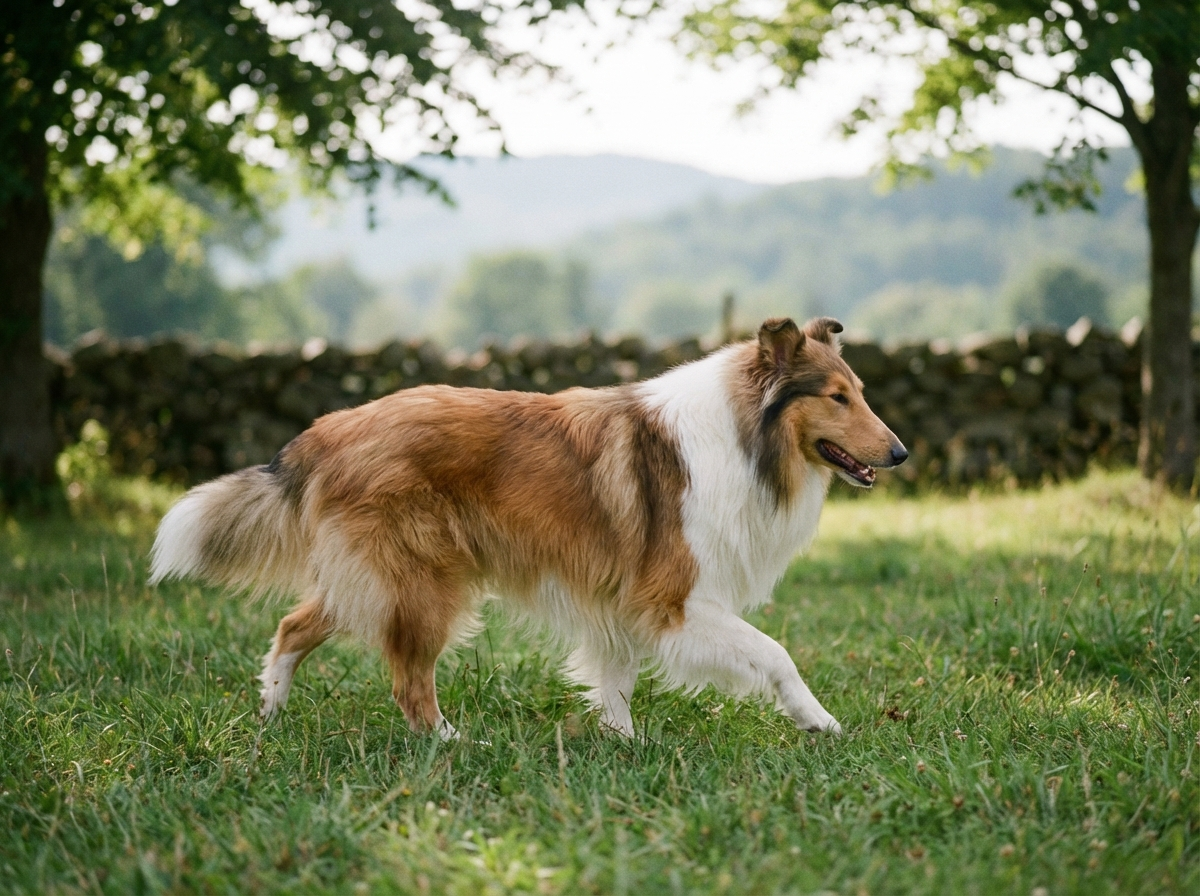
When Sarah, a busy nurse in Seattle, noticed her Rough Collie, Bella, bumping into furniture, she was worried. After a vet visit, she learned that Bella had progressive retinal atrophy (PRA-rcd3). With a lot of love and patience, Sarah made changes at home, like removing obstacles and using toys that made noise. Over time, Bella adjusted, and Sarah found that using scents helped Bella navigate her space better. They also started short training sessions focused on voice commands. It wasn't a perfect fix, but Bella was happier in her adapted environment.
Key takeaway: With the right adjustments and a supportive environment, dogs with progressive retinal atrophy can continue to lead fulfilling lives. Consistency and patience are key.
Collie (Rough Collie) progressive retinal atrophy (pra-rcd3) is often inherited. It's caused by a genetic mutation that affects the retina, leading to gradual vision loss. Unfortunately, there's no cure, but management strategies can help.
Creating a stable and familiar environment is crucial. Keep furniture in the same place and use verbal cues to guide your dog. Training techniques, like clicker training, can also assist in keeping your Collie engaged.
Common signs include difficulty seeing in low light, bumping into objects, or reluctance to navigate familiar spaces. If you notice these behaviors, consult your vet for an eye exam to confirm the diagnosis.
Focus on using positive reinforcement and verbal commands. Gradually introduce new commands in safe, familiar spaces. Patience is key, as your dog may need extra time to adapt to changes.
Yes, vision loss can lead to anxiety or confusion. It's important to monitor any changes in behavior and provide reassurance. Keeping a consistent routine can help alleviate stress.
The initial signs of progressive retinal atrophy (PRA-rcd3) in your Collie may include difficulty seeing in low light or nighttime. You might also notice them bumping into furniture or being hesitant to navigate new areas. If you observe these behaviors, it's essential to consult your vet for a proper evaluation.
Unfortunately, there is currently no cure for progressive retinal atrophy (PRA-rcd3) in Collies. While you can't reverse the condition, early detection can help manage its progression and improve your dog's quality of life. Regular check-ups with your vet are crucial for monitoring the condition.
To support your Collie with progressive retinal atrophy (PRA-rcd3), keep their environment consistent and free of obstacles. Using tactile cues and voice commands can also help them navigate safely. Training them to adapt to their vision loss can enhance their confidence and independence.
Yes, progressive retinal atrophy (PRA-rcd3) is often hereditary in Collies. It is crucial to be aware of the genetic background of your dog's lineage. If you are considering breeding, consult with a veterinarian about genetic testing options to prevent passing on this condition.
You should take your Collie to the vet if you notice any signs of vision impairment, such as difficulty navigating or changes in behavior. Regular eye examinations are also recommended as they age, especially for breeds like Collies that are prone to eye conditions like progressive retinal atrophy (PRA-rcd3).
Maintain a clutter-free environment and use consistent verbal cues. Regular vet check-ups are essential for monitoring their condition.
No, this condition typically does not cause pain. It primarily affects vision, so comfort is more about managing their environment.
Expect costs to range from $100 to $200 per month, including vet visits and any special needs. Yearly costs can vary significantly depending on care requirements.
Yes, using positive reinforcement and familiar commands can work well. Adapt training to suit their changing needs and comfort levels.