Living
What are quick tips for Collie (Rough Collie) heat sensitivity?
Ensure your Collie has access to shade and water, and avoid exercise during hot weather. Consider using cooling products like vests or mats.
Collie (Rough Collie) heat sensitivity can be a serious concern for owners.
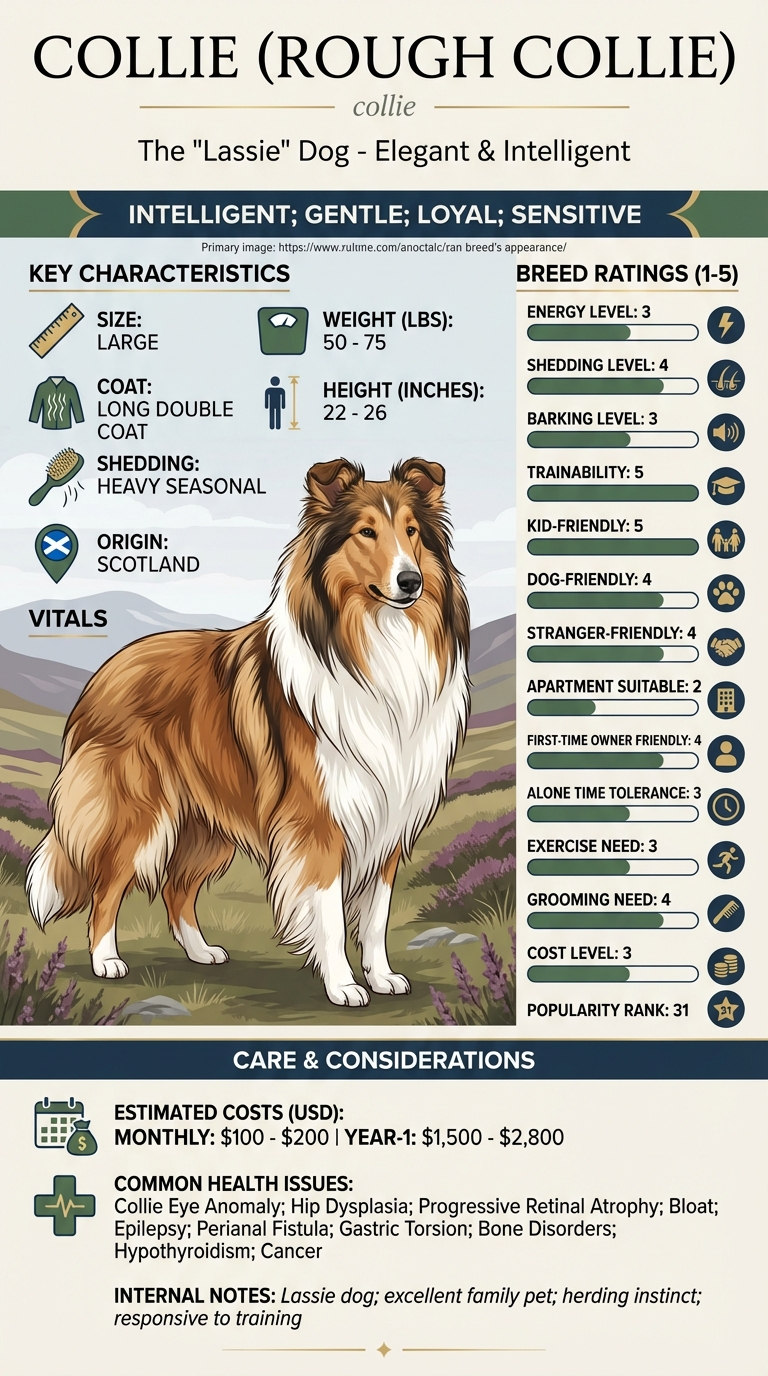
Owners in warmer climates or those who enjoy outdoor activities may find this issue particularly challenging. Busy families and first-time dog owners can also feel overwhelmed when managing their Collie's heat sensitivity.
This guide is not medical advice. If your dog shows pain, sudden behavior change, or worsening symptoms, consult a licensed veterinarian.
Some links may be affiliate links. We may earn a commission at no extra cost to you. We only suggest products we believe are helpful for dog owners.
Collie (Rough Collie) heat sensitivity is a condition where these dogs struggle to cope with high temperatures. Day-to-day, you might notice your Collie becoming lethargic, panting excessively, or seeking shade during warm weather. It’s crucial to monitor their behavior because they are at risk of heatstroke, which can be life-threatening.
Heat sensitivity is quite common in Collies due to their long double coat, which can trap heat. Many Collie owners report observing signs of discomfort when temperatures rise, making it essential to take precautions.
Collies, especially Rough Collies, have a long double coat that provides insulation. This coat can trap heat, making them more vulnerable to overheating. Their sensitive temperament also means they may react strongly to temperature changes.
Heat sensitivity can be exacerbated by environmental factors such as high humidity, lack of shade, or inadequate ventilation. If a Collie is not acclimated to warm weather or is left in a hot car, they can quickly become overheated.
If your Collie shows persistent signs of anxiety or stress related to heat, a trainer can help you implement calming techniques. They can also assist in desensitizing your dog to warmer temperatures gradually.
If you notice symptoms like excessive panting, lethargy, or vomiting after exposure to heat, contact your vet immediately. These could be signs of heatstroke, which is a medical emergency.
It typically takes 2 to 4 weeks to see noticeable improvements in your Collie (Rough Collie) heat sensitivity with consistent training and care.
Success means your Collie is more comfortable in warmer weather, can stay outdoors for longer periods with supervision, and shows fewer signs of distress like panting or seeking shade.
Avoiding these common mistakes can help your Collie (Rough Collie) manage heat sensitivity better.
Heat sensitivity in your Collie (Rough Collie) can range from mild discomfort to serious health risks. It's important to recognize when you need to act quickly versus when you can monitor the situation. If your Collie shows signs of severe distress, such as excessive panting, drooling, weakness, or confusion, these are red flags. Call your vet immediately if you notice these symptoms, as they could indicate heatstroke.
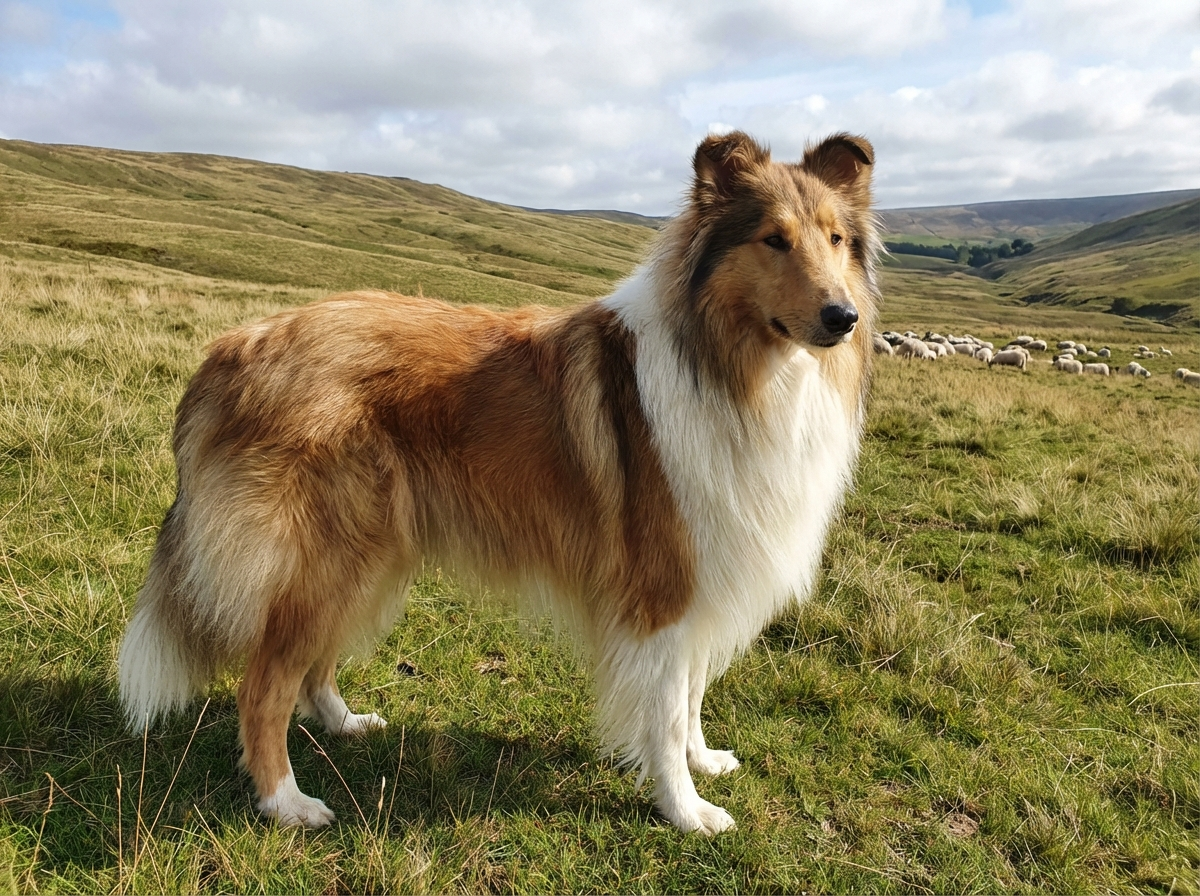
On the other hand, if your Collie is just a bit restless or prefers to stay in cool areas, you can generally monitor them at home. Provide plenty of fresh water and a cool place to rest. Keep an eye on them for any changes, but if they show no severe symptoms, they may just need a break from the heat. Always remember, hydration and shade are key.
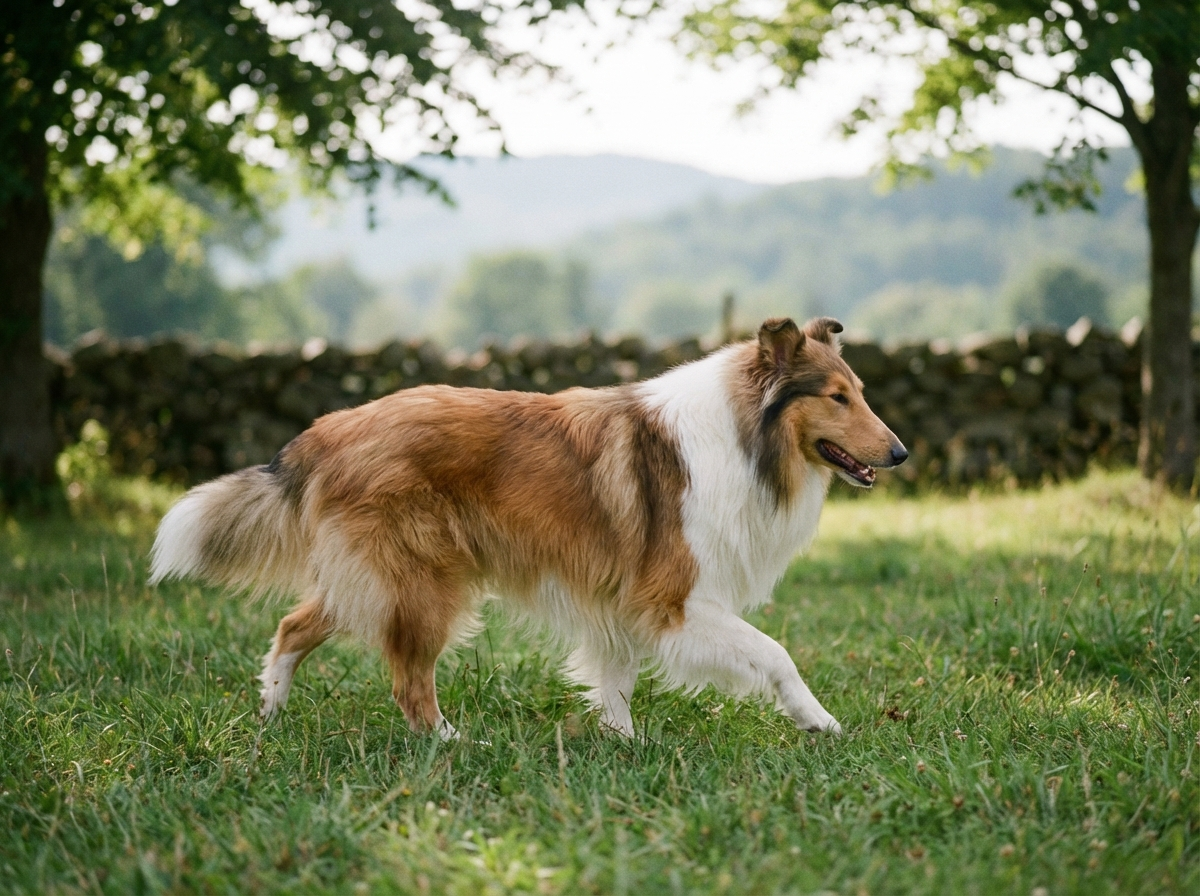
Megan, a busy nurse in Houston, noticed her Rough Collie, Max, would refuse to go outside during the hot summer months. He would pant heavily and seek cool spots inside the house. Worried about his discomfort, Megan researched ways to help him cope with the heat. She started training Max to enjoy short, early morning walks and set up a shaded area in the yard with plenty of water. After a few weeks, Max began to tolerate the heat better and even enjoyed playing outside for short bursts.
Key takeaway: With patience and proper training, you can help your Collie (Rough Collie) adapt to warmer weather while keeping them safe and comfortable.
Collies, especially Rough Collies, are prone to heat sensitivity due to their long double coats. This type of coat insulates them, making it harder to cool down in hot weather. If your Collie shows signs of overheating, it's essential to provide shade and water immediately.
Signs of overheating include excessive panting, drooling, lethargy, or difficulty standing. Their body temperature can rise quickly, so look for these symptoms during hot days. If you notice any of these signs, get your Collie to a cooler area and offer water.
To help your Collie, ensure they have plenty of water and access to shade. Avoid exercising during peak heat hours and consider using cooling vests or mats. Regular grooming can also help by removing excess fur, allowing for better airflow.
Training for heat sensitivity involves teaching your Collie to recognize their limits during hot weather. Start with short walks in the morning or evening, gradually increasing their activity level. Use positive reinforcement when they respond well to avoiding heat exposure.
If you suspect heatstroke, immediately move your Collie to a cooler place and call your vet. Apply cool (not cold) water to their body and offer small amounts of water. Quick action is vital to prevent serious complications.
Signs of heat sensitivity in your Collie (Rough Collie) may include excessive panting, drooling, lethargy, and difficulty standing or walking. If your dog shows these symptoms during hot weather, it's crucial to cool them down immediately.
Older Collies may be more susceptible to heat sensitivity. Ensure they have access to shade and fresh water, and limit their exercise during the hottest parts of the day. Regular vet check-ups can also help monitor their health.
If your Collie shows severe signs of heat sensitivity, such as vomiting, confusion, or unresponsiveness, seek veterinary care immediately. These symptoms can indicate heatstroke, which requires urgent treatment.
While you can't change your Collie's natural heat sensitivity, training can help them understand when to seek shade or rest. Positive reinforcement can encourage them to stay cool during hot weather.
Collies, especially those with long double coats, may struggle in high temperatures due to their insulating fur. Their body may overheat easily, making it important to manage their exposure to heat.
Ensure your Collie has access to shade and water, and avoid exercise during hot weather. Consider using cooling products like vests or mats.
Provide plenty of fresh water and limit outdoor activities to cooler parts of the day. A kiddie pool can also offer a fun way for them to cool down.
Look for excessive panting, drooling, or signs of exhaustion. Always monitor your Collie during warm weather.
If your Collie shows persistent signs of distress or heat exhaustion, contact your vet immediately for advice and treatment.


