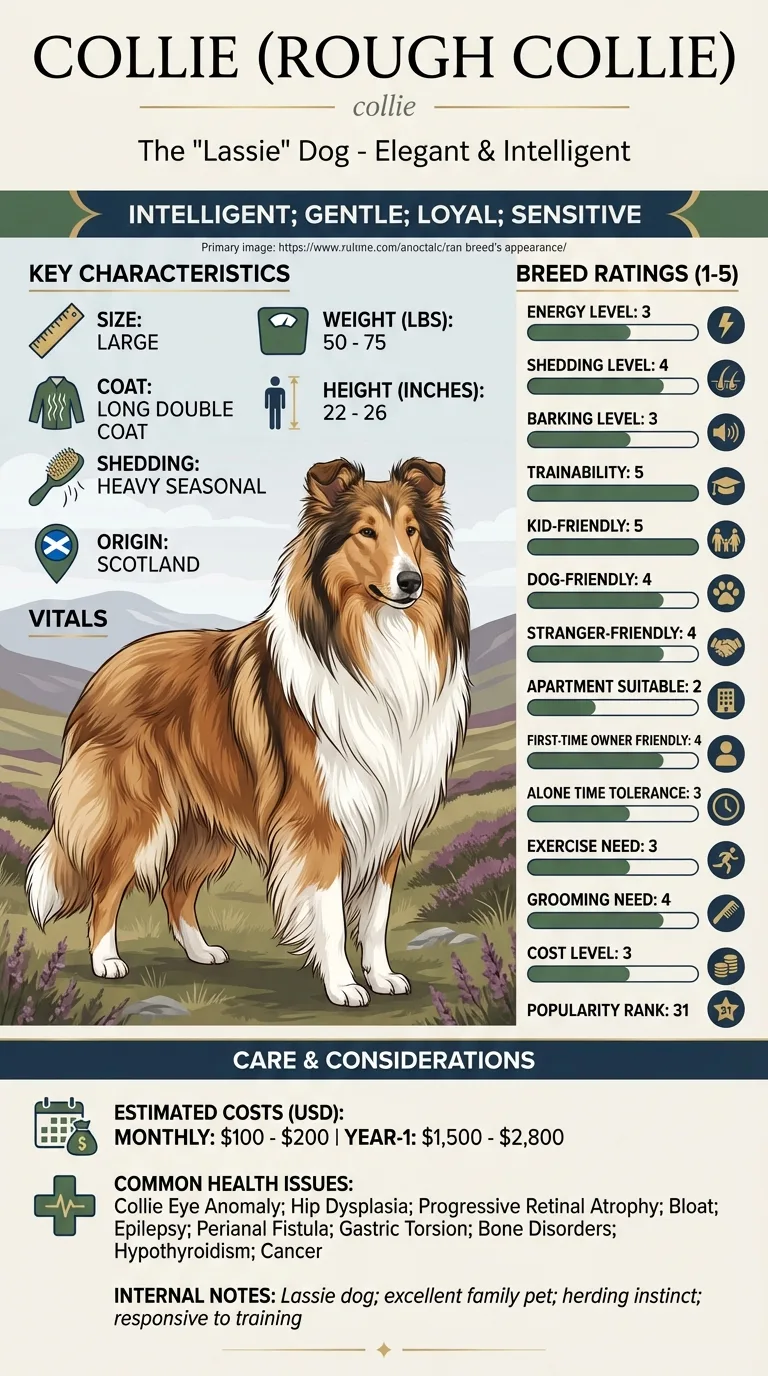
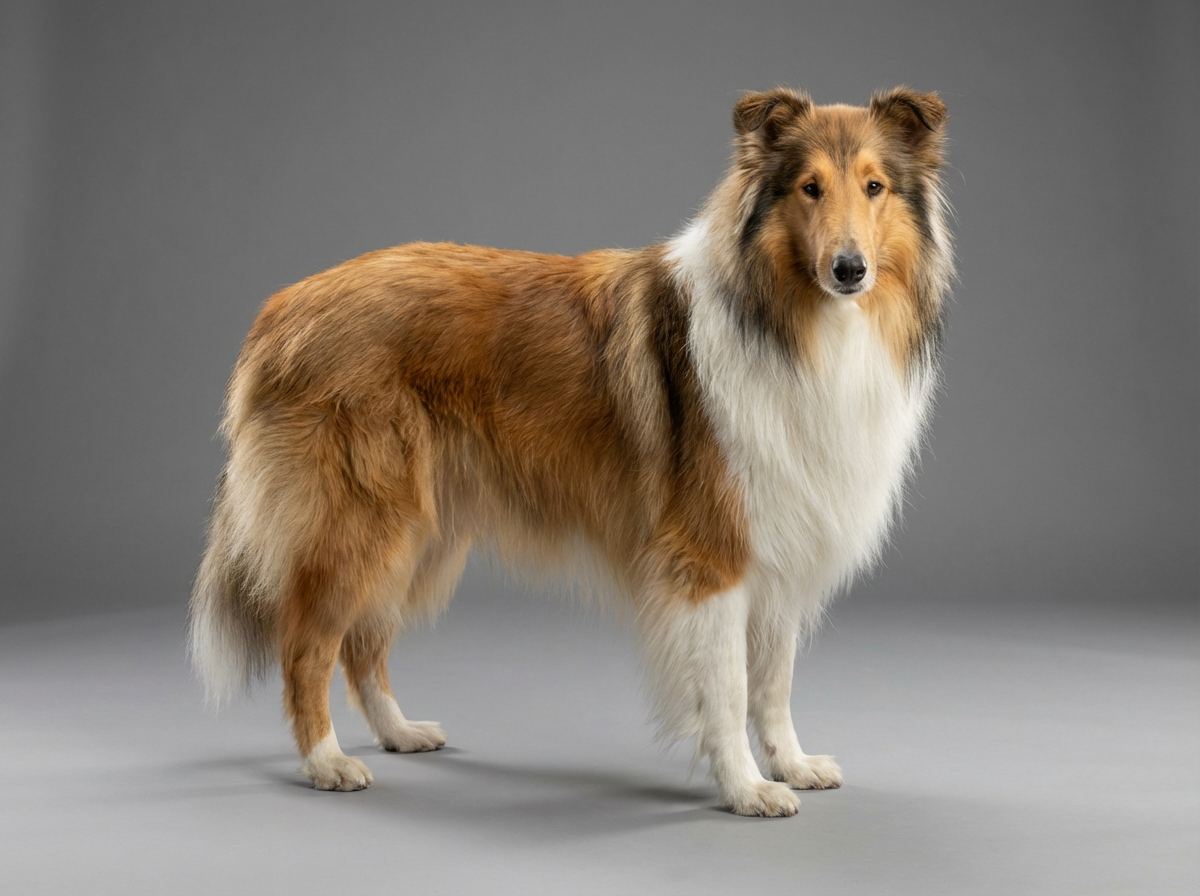
What are Collie (Rough Collie) glaucoma quick tips?
Regular vet check-ups are essential to catch glaucoma early. Monitor your dog's eye health and watch for signs of pain or discomfort. If you notice any changes, contact your vet right away.
Collie (Rough Collie) glaucoma is a serious eye condition that can lead to vision loss if not addressed promptly.

Typically, owners of Collies or those considering adopting one may face this issue. If you’re a first-time dog owner or someone unprepared for health challenges, understanding glaucoma is crucial.
This guide is not medical advice. If your dog shows pain, sudden behavior change, or worsening symptoms, consult a licensed veterinarian.
Some links may be affiliate links. We may earn a commission at no extra cost to you. We only suggest products we believe are helpful for dog owners.
Collie (Rough Collie) glaucoma is a serious eye condition that can impact your dog's vision and comfort. This condition occurs when there's increased pressure in the eye, leading to pain and potential blindness if untreated. Daily, you might notice your Collie squinting, rubbing their eyes, or showing signs of discomfort, which can be distressing for both you and your furry friend.
Glaucoma is relatively common among Collies, especially as they age. Many Collies may develop this condition during their lifetime, making it essential for owners to be vigilant about eye health. Regular vet check-ups can help catch early signs of glaucoma.
Collies, including Rough Collies, can be predisposed to glaucoma due to genetic factors. This breed may inherit traits that affect the eye's ability to drain fluid properly, leading to increased pressure. Understanding this hereditary risk is important for early detection.
Environmental factors can also contribute to glaucoma in Collies. Trauma to the eye, such as scratches or foreign objects, can trigger the condition. Additionally, underlying health issues like inflammation or tumors can increase the risk of developing glaucoma.
If your Collie shows signs of distress or difficulty adjusting to vision changes, it may be helpful to consult a professional trainer. They can guide you on how to support your dog emotionally and adapt to their visual limitations.
If you notice any symptoms like excessive tearing, squinting, or changes in behavior related to vision, contact your vet immediately. It's crucial to seek veterinary care if you suspect glaucoma, as timely intervention can prevent further complications.
Managing Collie (Rough Collie) glaucoma typically takes a few weeks to establish a routine with treatment. Regular vet visits will be needed to monitor progress and adjust medications as necessary.
Success looks like stable eye pressure, improved comfort for your Collie, and a clear plan for ongoing care that minimizes pain and maintains vision.
When dealing with Collie (Rough Collie) glaucoma, certain owner behaviors can unintentionally make the situation worse. Here are some common mistakes to avoid.
Recognizing when Collie (Rough Collie) glaucoma is an emergency can be crucial for your dog's health. Immediate vet attention is needed if you notice severe signs, such as excessive tearing, redness in the eye, or cloudiness. If your Collie is experiencing sudden vision loss or seems to be in pain, like squinting or pawing at their eye, don’t hesitate to call your vet right away.

In less severe cases, it may be possible to monitor your Collie at home. Look for minor symptoms like slight watering or occasional squinting. If these symptoms are not worsening and your dog behaves normally otherwise, you can watch and wait, but keep a close eye on their condition.

Emily, a dedicated dog owner from Denver, noticed her Rough Collie, Max, was squinting and seemed less active. After a vet visit, she learned that Max had glaucoma. Determined to help him, Emily followed the vet's treatment plan, which included daily eye drops and regular check-ups. Over time, with consistent care, Max's comfort improved, and he was back to chasing squirrels in the park. Emily learned the importance of vigilance and staying informed about Max's condition.
Key takeaway: With timely treatment and a proactive approach, you can effectively manage Collie (Rough Collie) glaucoma and improve your dog's quality of life.

Collie (Rough Collie) glaucoma can occur due to genetic factors, age, or underlying health issues. This eye pressure disease affects their vision and can be quite painful. It's essential to keep an eye on any symptoms like redness or cloudiness in the eyes.
Look for signs such as excessive tearing, squinting, or a change in eye appearance. If your Collie seems to be in pain, has a bulging eye, or shows any behavioral changes, it's time to consult your veterinarian. Early detection is key to managing this condition.
Treatment may include medications to reduce eye pressure or surgery in severe cases. Your vet will recommend the best approach based on your dog's specific situation. Regular check-ups are crucial for monitoring their eye health.
While not all cases of glaucoma can be prevented, you can reduce risks by having regular veterinary check-ups and monitoring for symptoms. Early intervention can help manage the disease effectively. Ensure your Collie leads a healthy lifestyle to support overall well-being.
Contact your veterinarian immediately if you notice any signs of glaucoma. They will perform tests to confirm the diagnosis and discuss treatment options. Don't wait, as prompt action can save your Collie's vision.
Glaucoma can cause pain and discomfort, leading to changes in your Collie's behavior. They may become more withdrawn or irritable. Providing a calm environment and consulting your vet for pain management can help.
Early signs of glaucoma in your Collie (Rough Collie) may include squinting, rubbing their eyes, or excessive tearing. You might also notice cloudiness in their eyes or a change in behavior, like reluctance to play or go for walks. If you see these signs, consult your vet promptly.
Yes, glaucoma can be treated in older Collies, but the effectiveness depends on how advanced the condition is. Treatment options may include medications or, in some cases, surgery. Always discuss the best treatment plan with your veterinarian.
Yes, glaucoma can have a hereditary component, especially in breeds like the Collie (Rough Collie). If you have a family history of eye diseases, it's crucial to monitor your dog closely and discuss screening options with your vet.
Managing your Collie (Rough Collie) with glaucoma at home involves administering prescribed eye drops on time and ensuring their comfort. Limit activities that could cause stress or injury, and create a safe environment where they can move around easily.
If your Collie (Rough Collie) experiences a sudden change in vision, it’s essential to see a veterinarian immediately. Quick intervention can make a significant difference in treatment options and outcomes, especially for conditions like glaucoma.
Regular vet check-ups are essential to catch glaucoma early. Monitor your dog's eye health and watch for signs of pain or discomfort. If you notice any changes, contact your vet right away.
Treatment costs can vary widely, ranging from $100 to $1,500 depending on the severity and type of treatment required. Regular check-ups may add to ongoing costs.
Common symptoms include redness, excessive tearing, squinting, and a cloudy appearance in the eye. If you notice any of these signs, consult your vet promptly.
Yes, training can help your Collie cope with anxiety related to vision changes. Positive reinforcement techniques can create a sense of security and comfort.


![Ultimate Guides: "Complete Guide to Choosing a Dog for [X] | Ultimate Guides: Complete Guide to Choosing a Dog for You thumbnail](/images/breeds/golden-retriever/golden%20retriever1.jpg)