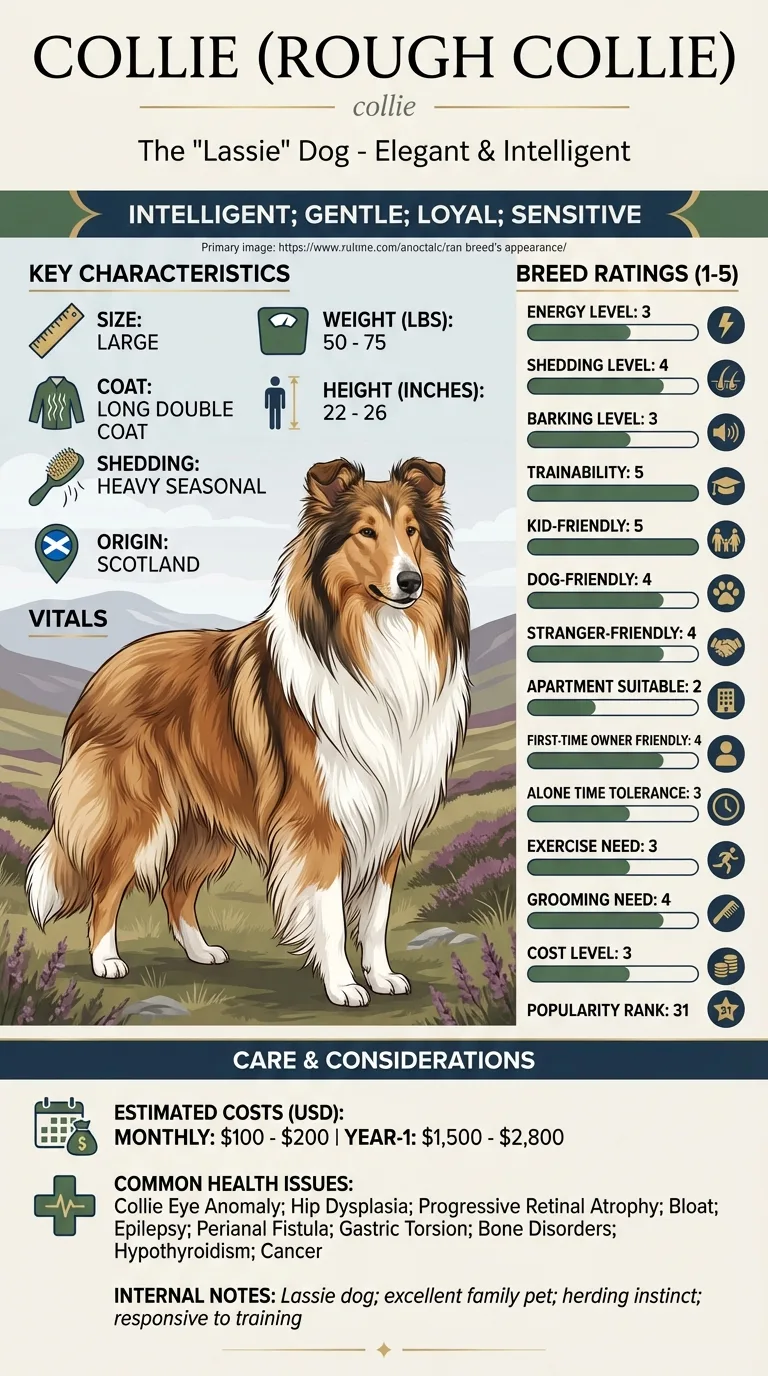
What are quick tips for Collie (Rough Collie) cruciate ligament injuries?
Keep your Collie active but avoid high-impact activities. Regular vet check-ups are essential for early detection. Ensure a healthy weight to minimize stress on their knees.
Collie (Rough Collie) cruciate ligament injuries can be a painful and frustrating issue for dog owners. These knee ligament ruptures often lead to significant discomfort and mobility challenges for your pet.
Typically, owners of larger breeds like the Collie face this issue, especially if their dog is active or has a history of joint problems. Busy families or first-time dog owners may find it challenging to recognize early symptoms.
Important reminder
This guide is not medical advice. If your dog shows pain, sudden behavior change, or worsening symptoms, consult a licensed veterinarian.
Some links may be affiliate links. We may earn a commission at no extra cost to you. We only suggest products we believe are helpful for dog owners.
We research and check what we publish, but we do not warrant that any figure, date, price, or statement is accurate, complete, or current, and we accept no liability for any loss, cost, injury, or other harm arising from the use of this site. Use it as one reference among several. You remain responsible for your own decisions and for your dog's care - confirm anything that matters with a licensed veterinarian or another qualified professional before you act on it. Full disclaimer.
Check this first
When Collie Cruciate Ligament Injuries Are an Emergency
Collie (Rough Collie) cruciate ligament injuries can be serious and knowing when to call your vet is essential. If your dog shows any of the following red flags, seek veterinary help immediately. Signs like severe limping, inability to bear weight on the affected leg, or visible swelling around the knee can indicate a significant injury. Additionally, if your Collie is in severe pain, cries out, or shows signs of distress such as panting, it’s crucial to act fast.
If any of these apply, call your vet or an emergency clinic now. The rest of this page is for the cases that are not an emergency.
What this problem looks like
Collie (Rough Collie) cruciate ligament injuries are a common issue that can significantly affect your dog's mobility and quality of life. These injuries often occur due to sudden movements, such as jumping or twisting, which can lead to painful knee ligament ruptures. If your Collie seems to be limping or reluctant to engage in physical activities, it may be dealing with this painful problem.
Common triggers
Sudden jumps or twists during playtime
Inadequate warm-up before exercise
Excessive weight or obesity
Old age or degenerative joint diseases
Cruciate ligament injuries are quite common in Collies, especially as they age or if they are overweight. This breed, known for its agility and energy, is particularly susceptible to such injuries due to their active lifestyle. Regular exercise and proper training can help mitigate the risk, but it's important to stay vigilant.
Why this happens
Breed factors
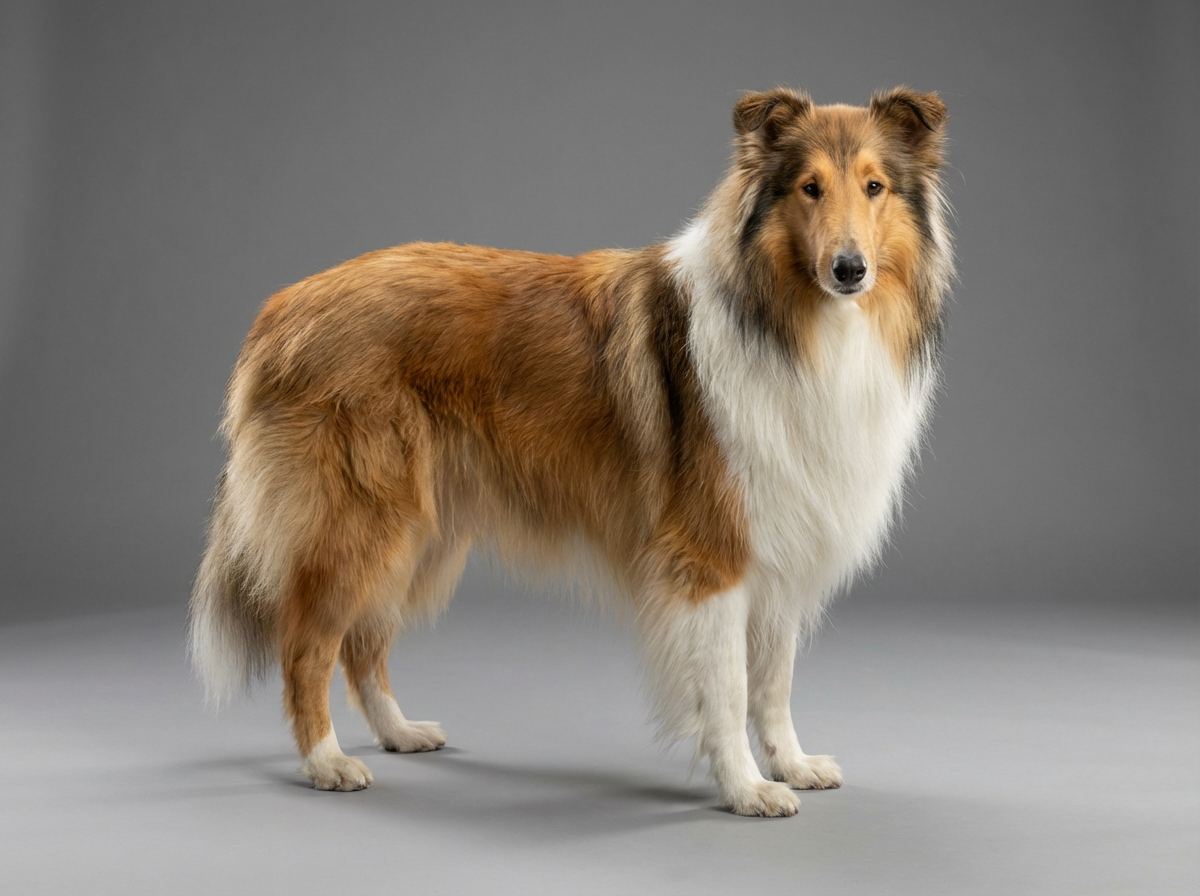
Collies, particularly the Rough Collie, are large, active dogs. Their size and athleticism can put extra stress on their knees, making cruciate ligament injuries more likely. Additionally, their strong herding instinct often leads to sudden bursts of speed and direction changes, which can contribute to these injuries.
Environment factors
Environmental factors also play a role. Slippery surfaces, uneven terrain, or jumping from high places can increase the risk of cruciate ligament injuries. Additionally, a lack of proper warm-up or cool-down during playtime can lead to muscle strain, further heightening the risk.
What you can do at home (once it is not an emergency)
When to talk to your vet
If your Collie shows persistent limping, swelling, or reluctance to engage in normal activities, it's important to consult a vet. They can assess the situation and recommend necessary treatments or preventatives.
At home, alongside your vet's plan
Ensure your Collie has a safe play area with non-slip surfaces to reduce the risk of slipping and falling.
Incorporate daily warm-up exercises, like gentle stretching, before vigorous play to prepare their muscles and joints.
Monitor your dog's weight to avoid excess strain on their joints. A balanced diet and regular exercise can help maintain a healthy weight.
Mistakes that make this worse – Collie (Rough Collie) cruciate ligament injuries
Avoiding common mistakes can help prevent Collie (Rough Collie) cruciate ligament injuries from worsening. Here are some behaviors to steer clear of, along with safer alternatives.
Ignoring early signs of injury: If your Collie shows limping or reluctance to exercise, don’t dismiss it. Instead, consult a vet immediately to address potential issues before they escalate.
Overexerting during play: Allowing your Collie to run freely without restrictions can lead to injuries. Opt for controlled exercise sessions and ensure they have adequate warm-up and cool-down periods.
Neglecting weight management: Excess weight can add stress to your Collie's joints. Maintain a healthy diet and regular exercise routine to keep your dog at a healthy weight.
Skipping rehabilitation exercises: After an injury, some owners may skip recommended rehab. Follow your vet's advice on rehabilitation exercises to promote proper healing and strength.
Using harsh training methods: Yelling or using physical corrections can increase anxiety and lead to further injuries. Instead, use positive reinforcement techniques to encourage desired behaviors.
Failing to provide adequate rest: Not allowing your Collie enough recovery time can worsen injuries. Schedule rest days and limit high-impact activities until your dog is fully healed.
Not adjusting their environment: Allowing your Collie to navigate stairs or slippery floors can lead to further injuries. Use non-slip mats and limit access to risky areas during recovery.
It typically takes 4 to 6 months to recover from a cruciate ligament injury, depending on the severity and treatment method.
Success looks like your Collie regaining full mobility and returning to their normal activity levels without pain.
When to Monitor and Wait
In less severe cases, you may be able to monitor your Collie at home. If your dog is limping but still able to walk, or if there's slight swelling that doesn’t seem to cause distress, you can start with rest and gentle monitoring. Keep an eye on their behavior, and if they don’t improve within a few days, it’s time to consult your vet. A structured plan including limited activity and ice therapy can help manage mild injuries effectively.
Understanding Collie (Rough Collie) Cruciate Ligament Injuries - When to Monitor and Wait
How Jamie Helped Her Collie Recover
Jamie, a busy nurse in Seattle, noticed her Rough Collie, Max, was limping and reluctant to play. After a vet visit, she learned he had a cruciate ligament injury. Jamie followed a strict rehab plan, incorporating physical therapy and gradually increasing Max's activity. After months of dedication, Max was running and playing again, much to Jamie's relief.
Key takeaway: With patience and consistent care, you can help your Collie recover from cruciate ligament injuries and return to their playful self.
Frequently asked questions
Why does my Collie (Rough Collie) have cruciate ligament injuries?
Cruciate ligament injuries in Collies can be due to factors like their size, activity level, and genetic predisposition. These injuries often occur from sudden movements or excessive strain on the knee. Regular vet check-ups can help spot potential issues early.
How can I prevent Collie (Rough Collie) cruciate ligament injuries?
To prevent these injuries, keep your Collie at a healthy weight and ensure they receive proper exercise to strengthen their muscles. Avoid high-impact activities that can strain their knees. Gradually increase exercise intensity to build their stamina safely.
What are the signs of cruciate ligament injuries in Collies?
Signs may include limping, reluctance to put weight on a leg, and decreased activity. You might notice swelling around the knee or difficulty climbing stairs. If you suspect an injury, consult your vet promptly for a proper diagnosis.
What treatments are available for Collie (Rough Collie) cruciate ligament injuries?
Treatment options can range from rest and physical therapy to surgical intervention, depending on the severity of the injury. Your vet will recommend the best course of action based on your dog's specific condition. Always follow their advice for recovery.
How long does recovery take for a Collie (Rough Collie) after a cruciate ligament injury?
Recovery time can vary but generally takes 6 to 12 weeks, depending on the treatment and severity of the injury. Gradual return to normal activity is crucial, so follow your vet's guidance closely. Regular follow-ups can help monitor progress.
What are the signs of cruciate ligament injuries in my Collie?
Signs of cruciate ligament injuries in your Collie may include limping, difficulty standing up, and reluctance to play or exercise. You might also notice swelling around the knee joint or a popping sound when they move. If you observe these signs, it’s important to consult a vet for a proper diagnosis.
How can I help my older Collie with cruciate ligament issues?
Older Collies with cruciate ligament injuries may benefit from low-impact exercises, weight management, and joint supplements. Additionally, physical therapy can help improve their mobility and reduce pain. Always consult your vet before starting any new treatment or exercise program.
Are certain activities more likely to cause cruciate ligament injuries in Collies?
Yes, high-impact activities like running on hard surfaces, jumping, or sudden changes in direction can increase the risk of cruciate ligament injuries in Collies. It's important to monitor their playtime and provide a safe environment to minimize these risks.
Can weight affect my Collie's risk of cruciate ligament injuries?
Absolutely. Excess weight puts additional stress on your Collie's joints, making cruciate ligament injuries more likely. Keeping your Collie at a healthy weight through proper diet and exercise can significantly reduce their risk.
When should I consider surgery for my Collie's cruciate ligament injury?
Surgery may be necessary if your Collie's cruciate ligament injury is severe and causing significant pain or mobility issues. Your vet will evaluate the injury and recommend the best course of action based on your dog's specific needs and overall health.
What are quick tips for Collie (Rough Collie) cruciate ligament injuries?
Keep your Collie active but avoid high-impact activities. Regular vet check-ups are essential for early detection. Ensure a healthy weight to minimize stress on their knees.
Training
Can training help prevent Collie (Rough Collie) cruciate ligament injuries?
Yes, training can strengthen muscles around the knee and improve coordination. Focus on low-impact exercises and proper warm-ups to reduce injury risk.
Health
Are certain Collies more prone to cruciate ligament injuries?
Larger Collies and those with a family history of knee problems may be more susceptible. Regular vet visits can help identify at-risk dogs early.
A fuller vet-visit kit for Collie Cruciate Ligament Injuries
The free prep sheet covers the same-day warning signs, a symptom log and the questions to ask. We are considering a fuller kit that adds a cost worksheet for the usual tests and treatments (US price ranges with their sources) and a plain-English guide to ways of covering the bill. It is not built yet; this list tells us whether it is worth building.
One email, no spam, unsubscribe anytime. Information only, not veterinary advice.