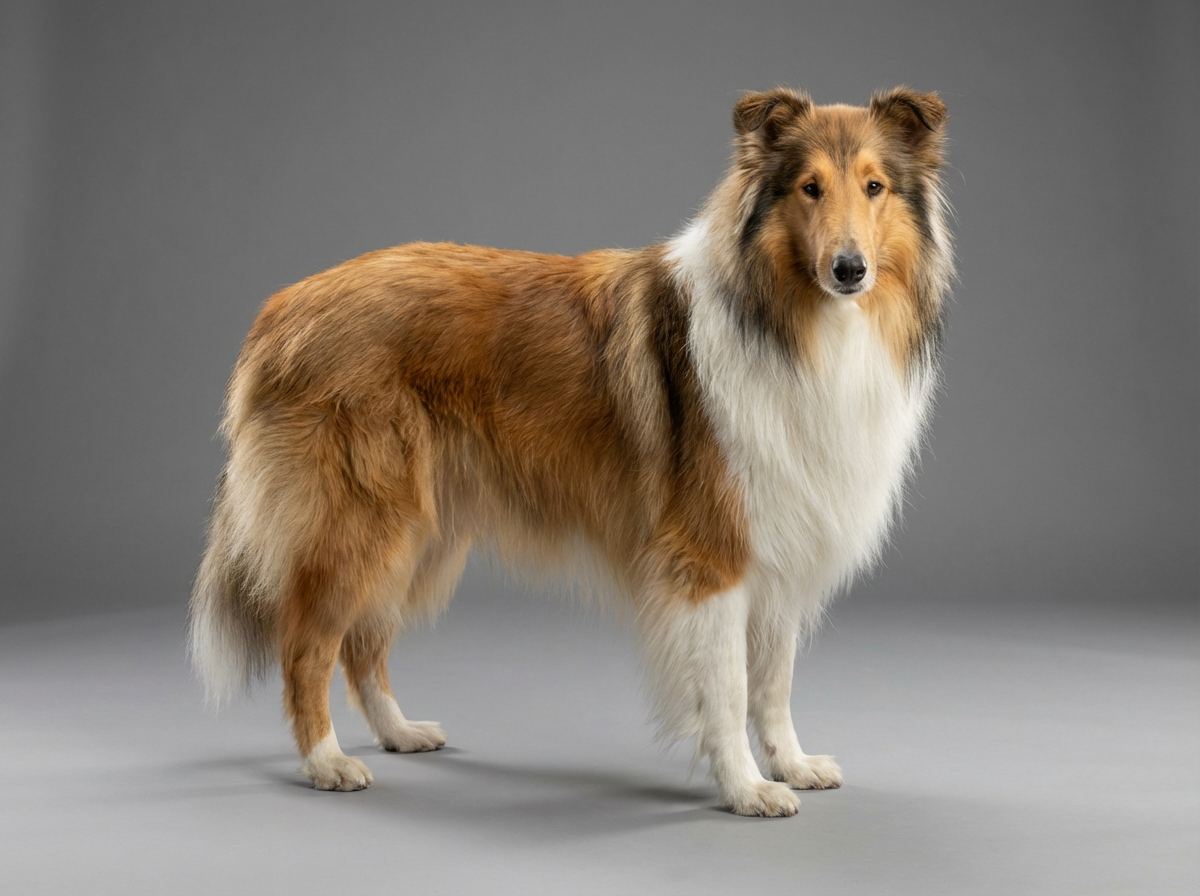
Health
What are quick tips for managing Collie (Rough Collie) corneal dystrophy?
Keep your dog's eyes clean and monitor for changes. Regular vet visits are essential for managing their condition.

Quick answer
What are quick tips for managing Collie (Rough Collie) corneal dystrophy?
Keep your dog's eyes clean and monitor for changes. Regular vet visits are essential for managing their condition.
Collie (Rough Collie) corneal dystrophy is a common eye issue that can affect your dog's vision.
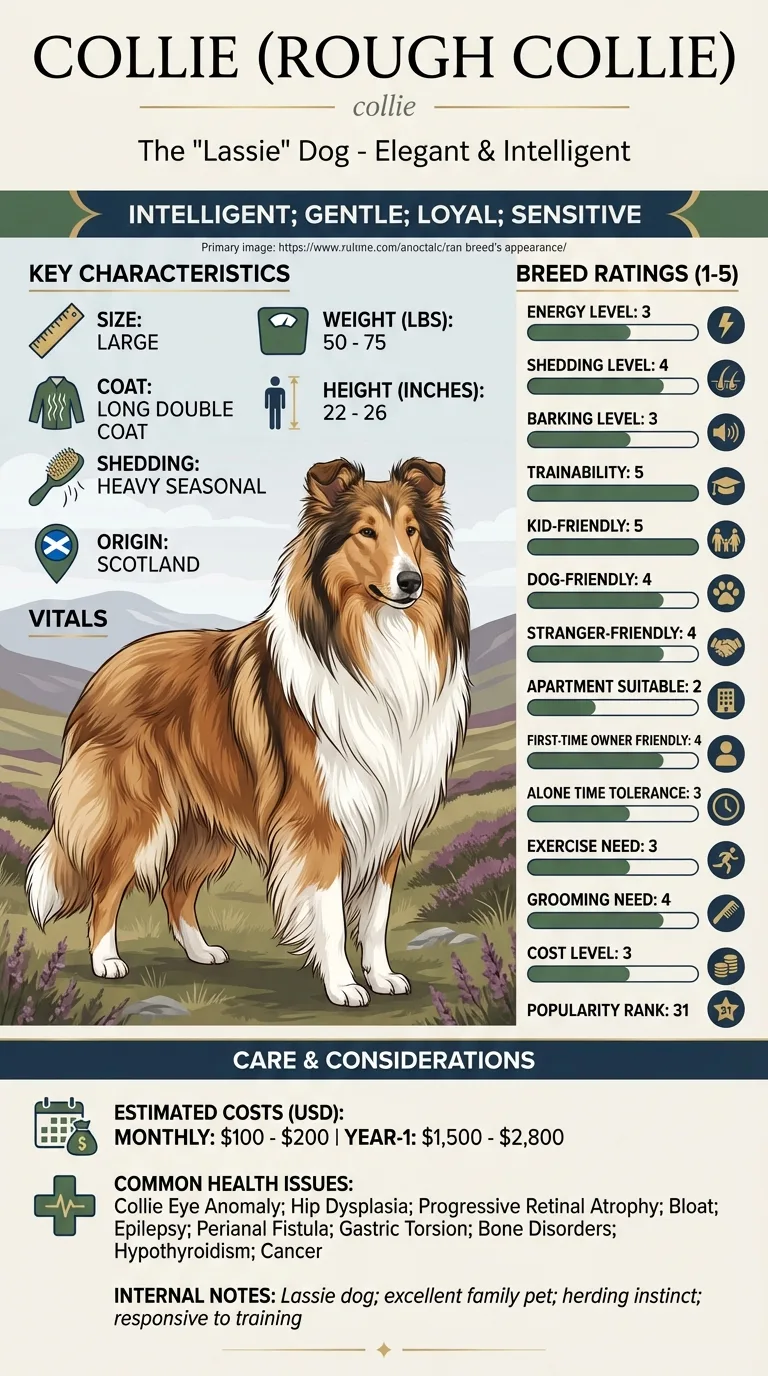
Typically, owners of Rough Collies, especially those who are first-time pet parents, may find themselves stressed about this condition. It’s also common among families with active Collies who rely on clear vision for their playful antics.
This guide is not medical advice. If your dog shows pain, sudden behavior change, or worsening symptoms, consult a licensed veterinarian.
Some links may be affiliate links. We may earn a commission at no extra cost to you. We only suggest products we believe are helpful for dog owners.
We research and check what we publish, but we do not warrant that any figure, date, price, or statement is accurate, complete, or current, and we accept no liability for any loss, cost, injury, or other harm arising from the use of this site. Use it as one reference among several. You remain responsible for your own decisions and for your dog's care - confirm anything that matters with a licensed veterinarian or another qualified professional before you act on it. Full disclaimer.
Check this first
Knowing when Collie (Rough Collie) corneal dystrophy becomes an emergency is crucial for your dog's health. Certain red flags indicate that immediate veterinary care is necessary. These include severe eye pain, excessive squinting, persistent tearing, or visible swelling around the eyes. If your dog is rubbing its eyes frequently or showing signs of distress, it's time to call your vet immediately.
On the other hand, mild cases of corneal dystrophy can often be monitored at home. Symptoms like slight cloudiness or occasional tearing may not require urgent attention. In these situations, you can plan a vet visit for a thorough examination. Keeping an eye on changes in your dog’s behavior or worsening symptoms can help you track any developments.
If your Collie appears to be uncomfortable but doesn't exhibit severe symptoms, you may want to wait and see. Regular check-ups can help catch any worsening of corneal dystrophy early. Just remember, your vet knows best, and it's always safer to err on the side of caution.
If any of these apply, call your vet or an emergency clinic now. The rest of this page is for the cases that are not an emergency.
Collie (Rough Collie) corneal dystrophy is a common eye issue that affects these beautiful dogs. It often appears as a cloudiness in the cornea, which can lead to discomfort and vision problems. This condition can develop at a young age and may progress over time, impacting your dog's quality of life.
Corneal dystrophy is relatively common in Collies, particularly in Rough Collies. Many Collie owners may notice symptoms by the time their dog is a few years old, making it essential to monitor their eye health regularly.
Collies, particularly Rough Collies, are prone to corneal dystrophy due to genetic factors. This condition is often inherited, which means that some dogs may be more susceptible based on their lineage. If your Collie has a family history of eye problems, they may be at a higher risk.
Environmental factors can also contribute to corneal dystrophy. Exposure to harsh sunlight or irritants can worsen the condition. Additionally, if your dog has frequent eye infections or injuries, these can lead to complications that aggravate corneal issues.
If you notice any changes in your Collie's eyesight, like excessive tearing, cloudiness, or squinting, it's essential to consult your vet. They can assess the severity of the corneal dystrophy and recommend treatment options, which may include medications or surgery.
Avoiding common mistakes can help manage your Collie (Rough Collie) corneal dystrophy more effectively. Here are some behaviors to watch out for and safer alternatives.
Start here: Collie Most Common Genetic Disorders: What to Screen For
See all Collie health problems, which breeds are prone to corneal dystrophy, or the full Collie breed guide for temperament, exercise needs and ownership costs.
You may start seeing improvements in your Collie's corneal dystrophy symptoms within a few weeks of implementing changes. However, complete resolution can take several months, depending on the severity of the condition.
Success looks like reduced cloudiness in your Collie's eyes, improved comfort, and better overall eye health. Regular vet check-ups will help monitor progress.
Sarah, a devoted owner of a 3-year-old Rough Collie named Max, noticed his eyes becoming increasingly cloudy. Concerned, she took him to the vet, who diagnosed him with corneal dystrophy. After discussing treatment options, Sarah committed to a daily routine of eye drops and regular vet visits. She also adjusted Max's diet to include more omega-3 fatty acids, which the vet suggested could support his eye health. Over the next few months, Sarah saw a gradual improvement, and Max seemed more comfortable and energetic.
Key takeaway: With dedication and the right treatment, you can help your Collie manage corneal dystrophy effectively.
Collie (Rough Collie) corneal dystrophy is a hereditary condition that causes cloudiness in the cornea of the eye. This can affect your dog's vision and may lead to discomfort. It's important to monitor your dog's eyes for any signs of cloudiness.
While there is no cure for corneal dystrophy, maintaining your dog's eye health is crucial. Regular vet check-ups can help manage the condition, and keeping your dog away from irritants like dust and smoke can reduce discomfort.
Treatment options may include topical medications to relieve discomfort or, in severe cases, surgical intervention. Always consult your veterinarian for the best course of action tailored to your dog's needs.
Yes, if your Collie is experiencing vision problems, it may show signs of anxiety or frustration. Keep an eye on their behavior and provide a calm environment to help them adjust.
Symptoms of corneal dystrophy in Collies often include cloudy eyes and changes in vision. You might also notice your Collie squinting or being more sensitive to light. If you see these signs, it's a good idea to consult your vet.
Corneal dystrophy is generally a hereditary condition and cannot be cured. However, treatment options exist to manage the symptoms, like using lubricating eye drops. It's essential to discuss these options with your veterinarian.
While corneal dystrophy can occur at any age, it is often more noticeable in older Collies. This is because their eyes may become more sensitive and the cloudiness could affect their vision as they age. Regular eye check-ups are vital for early detection.
Corneal dystrophy may impact your Collie's quality of life by causing discomfort and vision issues. Most dogs adapt well, but if they show signs of pain or frustration, it's crucial to seek veterinary advice for potential treatments. Keeping their environment safe is also important.
Yes, other breeds can also develop corneal dystrophy, including some terriers and spaniels. If you have a mixed breed, it's worth discussing with your vet if there's a family history of eye problems. Early screenings can help catch issues before they become serious.
Keep your dog's eyes clean and monitor for changes. Regular vet visits are essential for managing their condition.
Look for cloudiness in their eyes, squinting, or signs of discomfort. Early detection can help manage the condition.
Treatment costs can vary widely, but expect to spend anywhere from $100 to $1,000 depending on the severity and treatment plan.
While training won't fix the condition, it can help your dog adjust to any vision changes and improve their confidence.
No, corneal dystrophy is not life-threatening, but it can impact your dog's quality of life if left unmonitored. Regular vet care is key.
A one-page prep sheet for this condition: the signs, the questions to ask, what to get priced. Unlocks here.
You get: Vet visit prep sheet
No spam. One-click unsubscribe. See our privacy policy.
Preview page 1 before you decide.